Mark Zuckerberg and his wife Priscilla Chan have donated $25 million through their foundation to a philanthropic effort organized by Bill Gates to explore new coronavirus treatments.
The Gates Foundation donated $50 million last week to what it’s calling the “COVID-19 Therapeutics Accelerator.” The initiative brings together life sciences companies to collaborate on the development of new vaccines, diagnostics, and treatments for COVID-19.
“The Therapeutics Accelerator will enable researchers to quickly determine whether or not existing drugs have a potential benefit against COVID-19,” Chan and Zuckerberg said in a press release. “We hope these coordinated efforts will help stop the spread of COVID-19 as well as provide shared, reusable strategies to respond to future pandemics.”
The two donations are the largest from tech billionaires since the coronavirus outbreak. Wellcome and Mastercard are supporting the effort as well.
The goal of the initiative is to either develop a new drug or adapt an existing treatment that it could help distribute alongside partnering pharmaceutical companies.
The 15 companies participating in the project kicked off the effort by sharing their proprietary libraries of molecular compounds that have some history of being tested with COVID-19.
The lineup includes big names in biotech such as Johnson & Johnson, Merck, Pfizer, Sanofi, and Bristol-Myers Squibb.
Actor Alfonso Ribeiro's case against Epic Games for its use of "the Carlton" dance in "Fortnite" might come down to a jury's sympathy, rather than copyright technicalities, intellectual property lawyer Gaston Kroub told Cheddar on Tuesday. "Could a sympathetic jury decide that these \[artists\] deserve something from 'Fortnite'? That's something that remains to be seen," said Kroub, a partner at Kroub, Silbersher & Kolmykov.
If you’re looking to make a move in 2019, you could do worse than some of the cities below. Each one is using technology ー IoT, machine learning, data analysis, autonomy, A.I. ー to remake the way its citizens interact with their surroundings. But a smart city is more than just innovative technology, as Mike Barlow and Cornelia Levy-Bencheton, authors of "Smart Cities, Smart Future," told Cheddar. It's about improving lives in concrete, everyday ways.
Riot's COO is suspended, Fortnite vaults the Infinity Blade, and Overwatch League announces its plans for Season 2. Featuring beastcoast CEO Grant Zinn, University of Califonia and Irvine Director of Esports Mark Deppe. Plus - EndGameTV COO Aiden McCaig previews Smash Ultimate's first major, Don't Park on the Grass 2018.
More and more retailers are adopting mobile payment technology, but is all that innovation a good thing? A New York City Council member is proposing a ban on cashless establishments, saying it unfairly targets minority populations. Jason Oxman from the Electronic Transaction Association joined Cheddar to discuss.
China is considering banning battle royale games, the legendary Virtus.Pro roster disbands, and the Winter Royale is ruined by the Infinity Blade.Featuring interviews with Ghost Gaming's Kayuun, DC Overwatch Assistant GM Kate Mitchell, StackUp Director of Veteran Services Dave Crouse, and a Capcom Cup preview with Amanda Stevens.
In a conversation with Cheddar, Pulitzer-winning journalist Charles Duhigg discussed his months of reporting on Tesla and Elon Musk as the Model 3 production ramped up.
As Cheddar reflects on 2018, we are profiling the most innovative, flamboyant, and often-controversial entrepreneurs and corporate leaders who delivered the year's most memorable moments in business. Of the CEO Class of 2018, who was crowned Biggest Flirt? Class Clown?
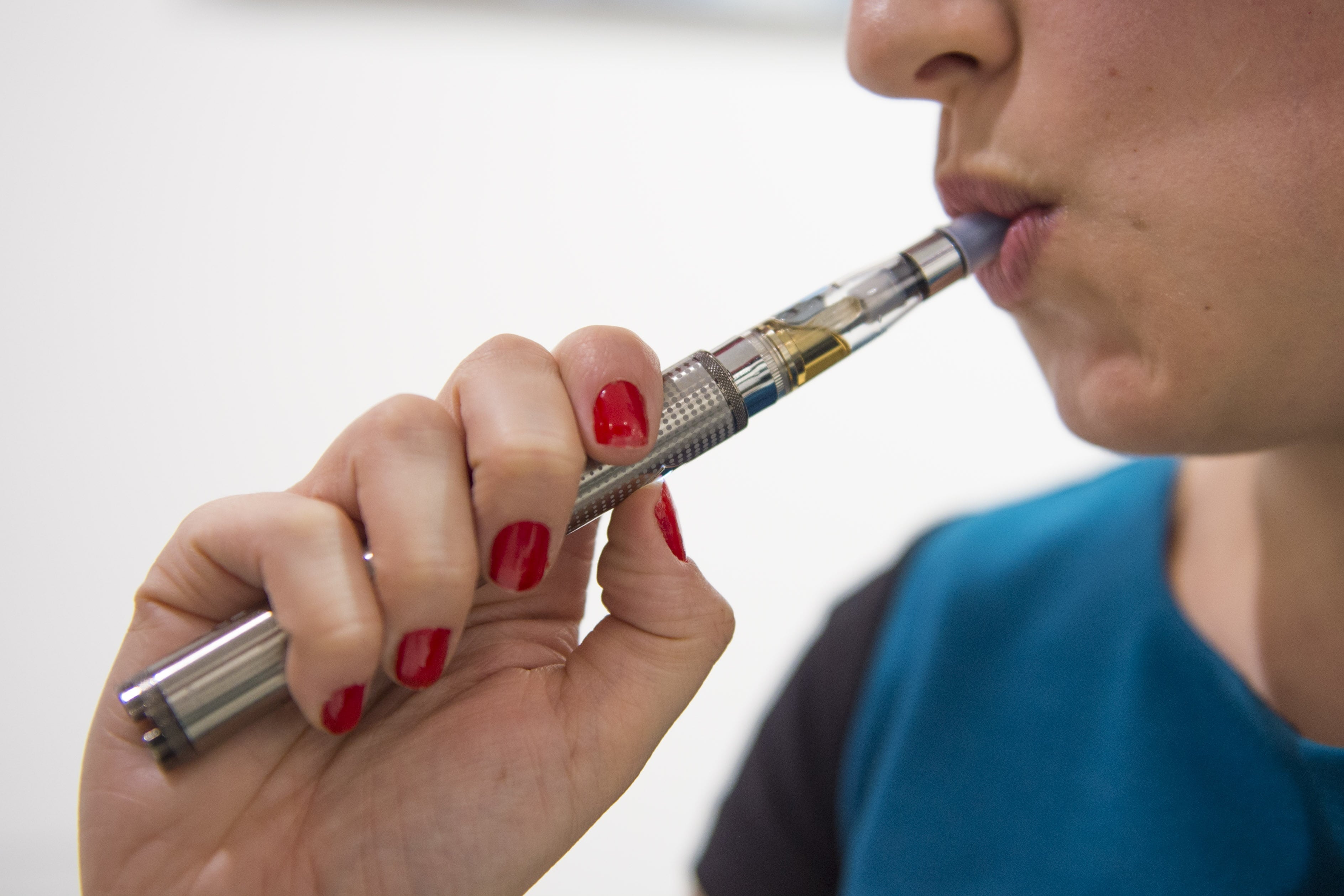
A study released on Monday found a dramatic increase in vaping among teenagers ー after a second study found that the increasingly popular habit comes with not-insignificant health risks. "Vaping appears to be less harmful than smoking, but then again smoking kills half of the people who do it long-term. So, again, it's a low bar to be safer than smoking," Rachel Becker, a reporter with the Verge, told Cheddar on Monday.
STEM education in the U.S. is falling behind and 2.4 million STEM-related jobs are expected to go unfilled this year.
Ray Kerins, SVP, Corporate Affairs at Bayer, and Jackie
Joyner-Kersee, Olympic gold medalist, joined Cheddar to discuss the launch of Bayer's new Amazon Alexa skill integration.
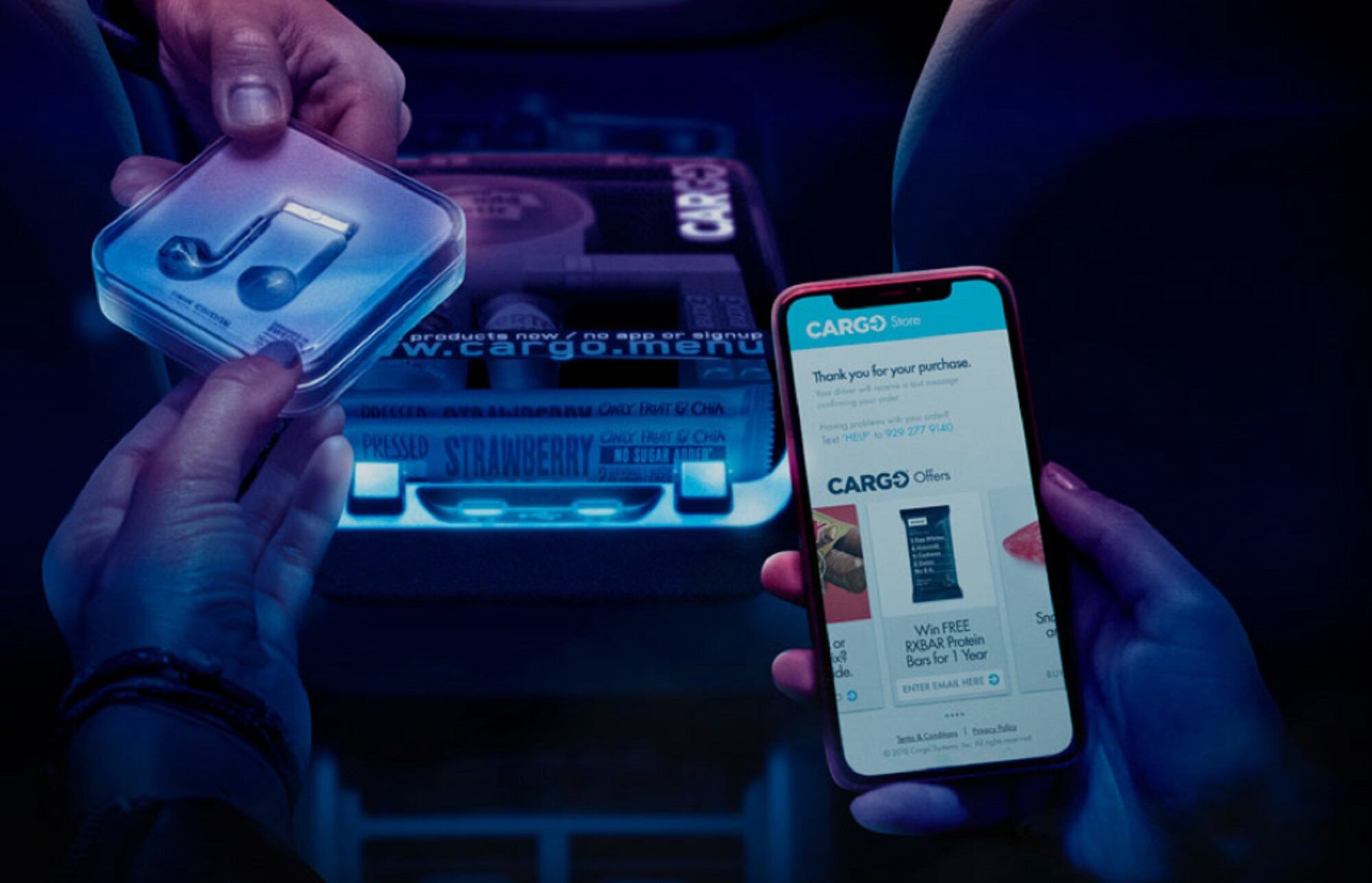
Cargo is essentially an in-car vending machine ー a box containing snacks and personal items for purchase installed on the center console of some Uber and Lyft vehicles. According to CEO Jeff Cripe, since so many riders were dividing their Uber and Lyft fares with Venmo, it made sense to make Venmo the payment option for their in-car purchases. Now, Venmo-happy millennials can purchase Cargo items through the app during their rides.