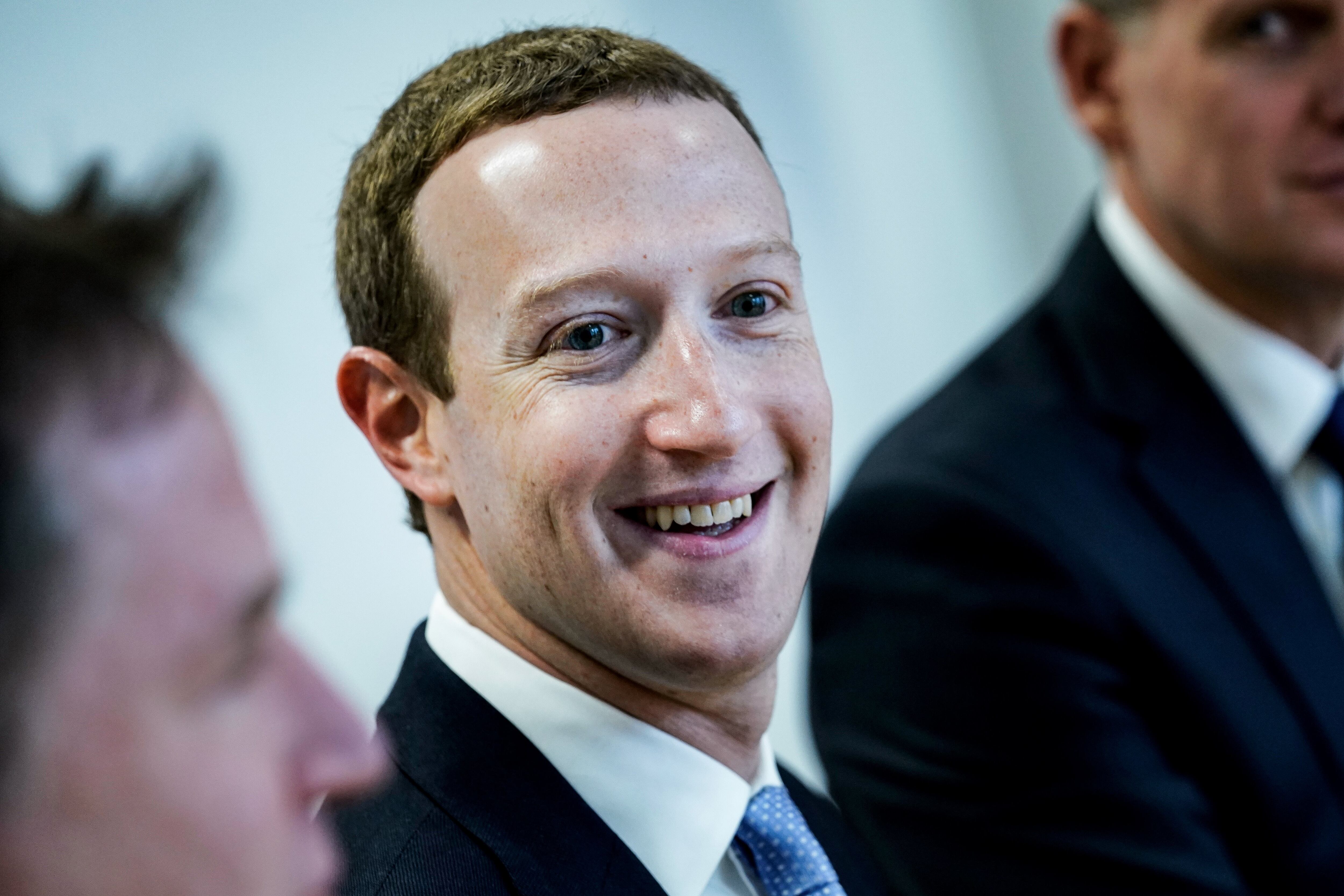
Mark Zuckerberg and his wife Priscilla Chan have donated $25 million through their foundation to a philanthropic effort organized by Bill Gates to explore new coronavirus treatments.
The Gates Foundation donated $50 million last week to what it’s calling the “COVID-19 Therapeutics Accelerator.” The initiative brings together life sciences companies to collaborate on the development of new vaccines, diagnostics, and treatments for COVID-19.
“The Therapeutics Accelerator will enable researchers to quickly determine whether or not existing drugs have a potential benefit against COVID-19,” Chan and Zuckerberg said in a press release. “We hope these coordinated efforts will help stop the spread of COVID-19 as well as provide shared, reusable strategies to respond to future pandemics.”
The two donations are the largest from tech billionaires since the coronavirus outbreak. Wellcome and Mastercard are supporting the effort as well.
The goal of the initiative is to either develop a new drug or adapt an existing treatment that it could help distribute alongside partnering pharmaceutical companies.
The 15 companies participating in the project kicked off the effort by sharing their proprietary libraries of molecular compounds that have some history of being tested with COVID-19.
The lineup includes big names in biotech such as Johnson & Johnson, Merck, Pfizer, Sanofi, and Bristol-Myers Squibb.
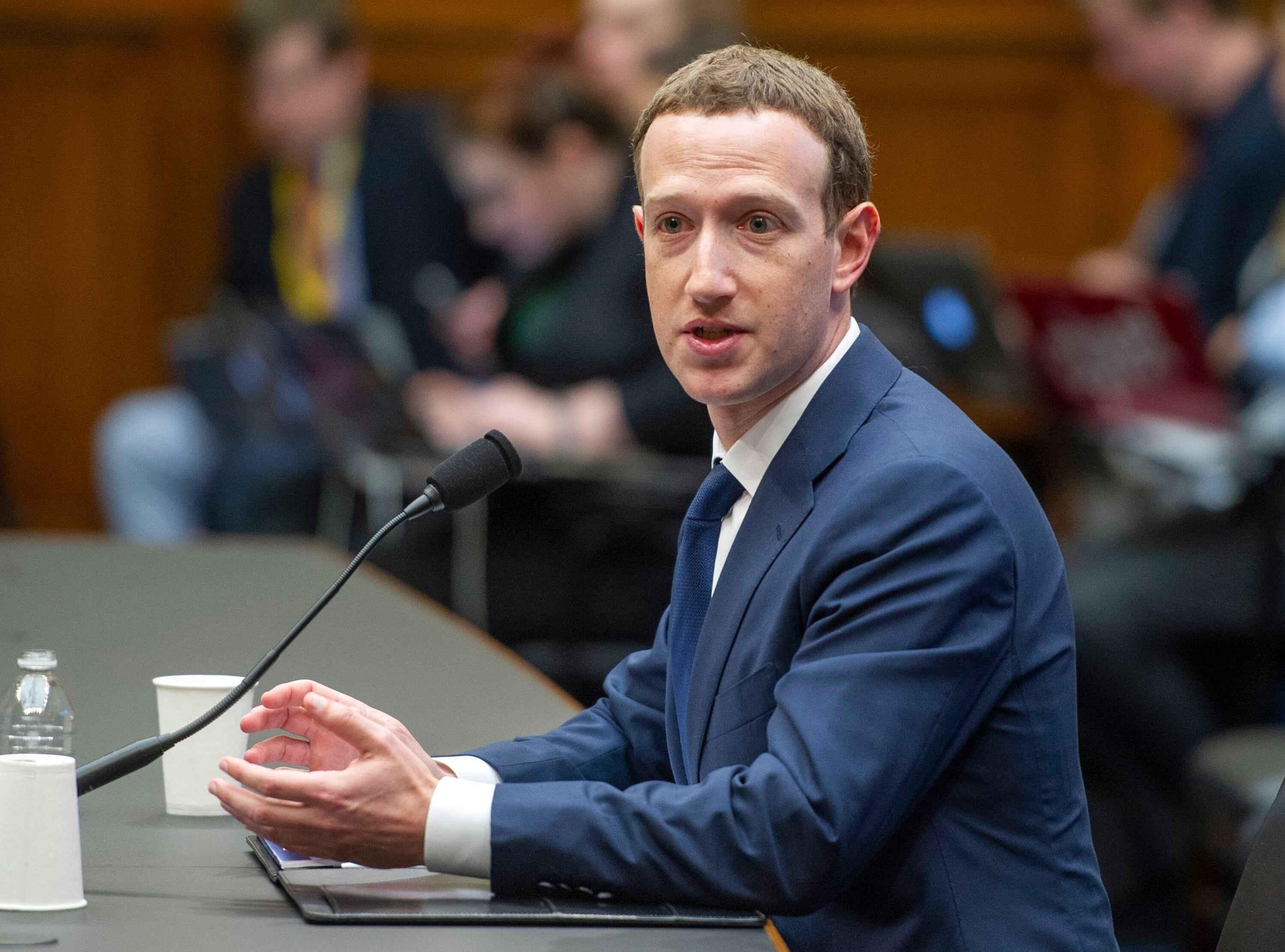
Facebook CEO Mark Zuckerberg's "out of touch" year-end post foreshadows a challenging 2019 for the social media giant, said Mark Douglas, CEO of digital display advertising platform SteelHouse.
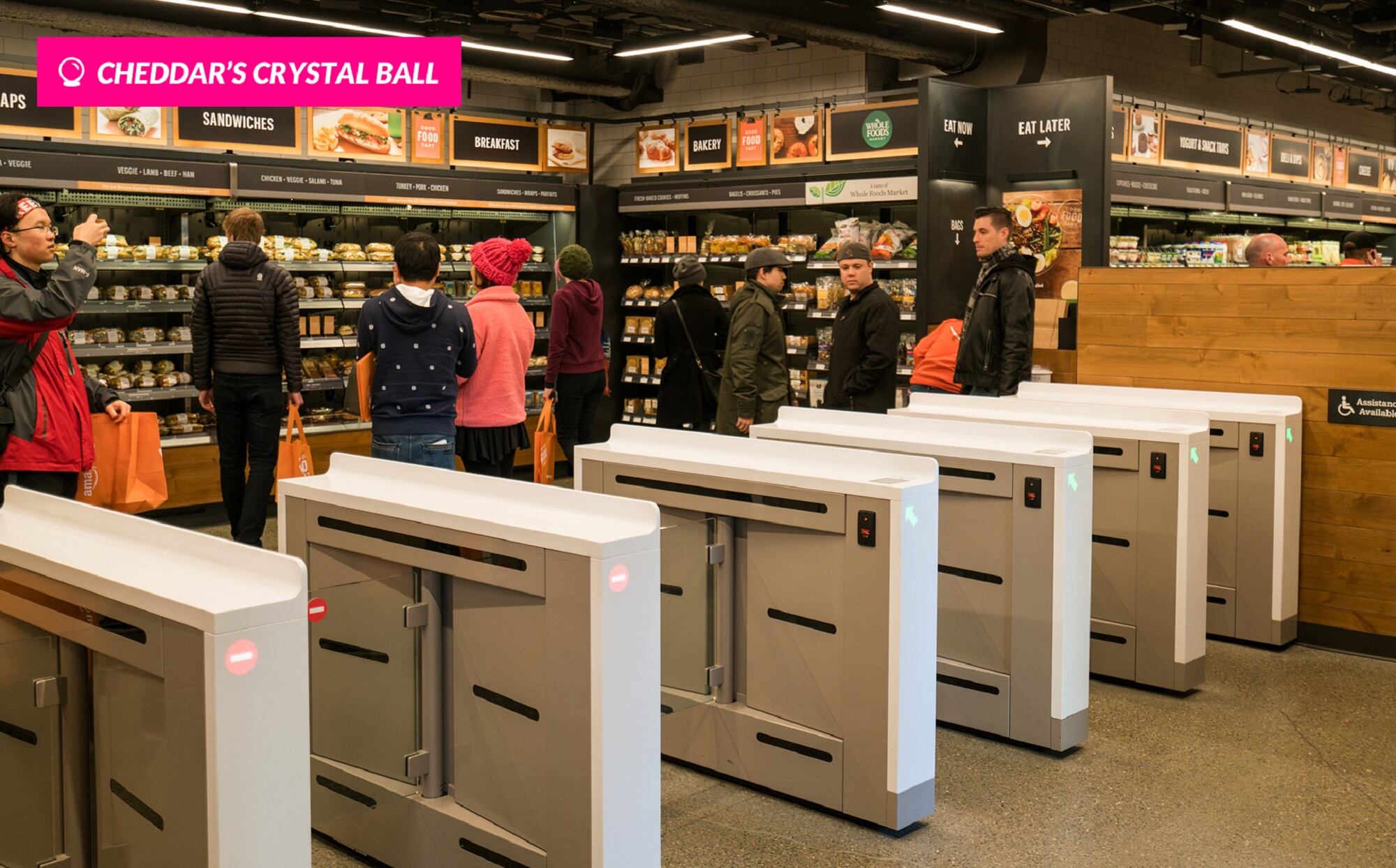
2018 has been transformative for retail: Sears filed for Chapter 11 bankruptcy, Toys “R” Us shuttered its doors, and Amazon entered the U.S. into an extravagant pageant to find a base for its second HQ. As the landscape of shopping changes yet again, 2019 promises another existential moment in retail. We’re forecasting the biggest trends and predicting which fads will get the boot from consumers.
Institutional investors changed the cryptocurrency market in 2018, veering away from their blockchain-not-bitcoin attitudes and trying out strategies for entering the new crypto asset class. Cheddar is gazing into our crystal ball to predict what's ahead for crypto in 2019.
As 2018 comes to an end, Cheddar is picking the year's top winners and biggest triumphs for Cheddar's Hall of Fame.
From Wall Street to Silicon Valley, these are the top stories that moved markets and had investors, business leaders, and entrepreneurs talking this week on Cheddar.
Samsara, one of the hottest tech startups in the freight and logistics space, is raising $100 million in fresh funding, Cheddar has learned. The new round will value the three-year-old startup at about $3.6 billion, or more than double the valuation it achieved through its last round of funding just nine months ago.
As 2018 dwindles, we're reviewing the year's most extravagant fails as part of Cheddar's Hall of Shame.
With oil prices nearing 18-month lows, John Hofmeister, former president of Shell Oil, is worried about the negative impact of lower prices. In fact, he says, if prices drop below
$40 a barrel, the cost of production will exceed the revenue it brings. That said, Hofmeister noted that lower oil prices are having a big impact on the consumer. People are driving more, and the impact hits everything from plastics to clothing and air fares.
These are the headlines you Need 2 Know for Friday, Dec. 28, 2018.
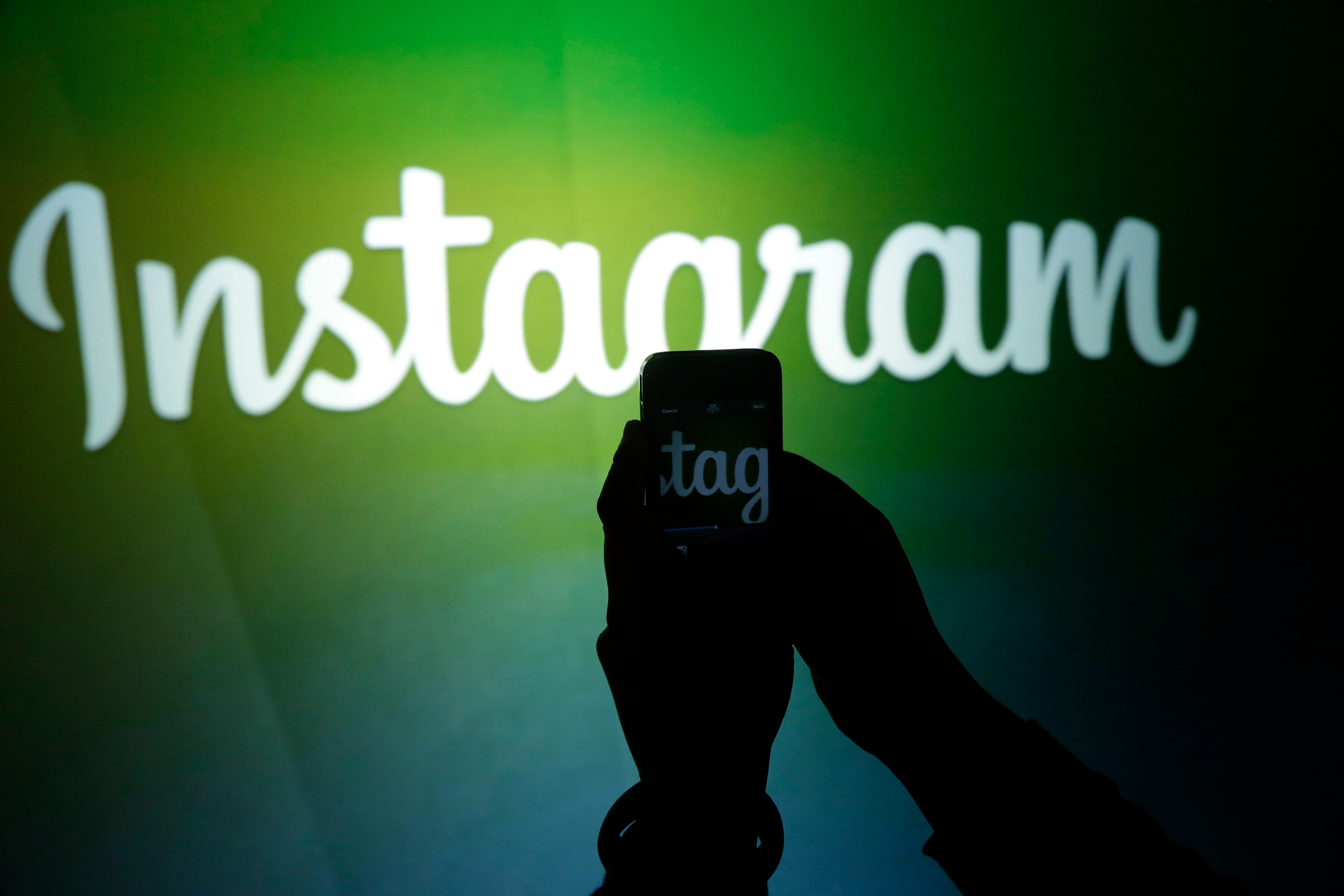
Instagram accidentally released an update to its app on Thursday, enraging users and igniting a firestorm on social media. The social media platform, which hit 1 billion users in June, modified how users view their main feeds ー switching from a vertical scroll to a horizontal swipe, à la popular dating app, Tinder.