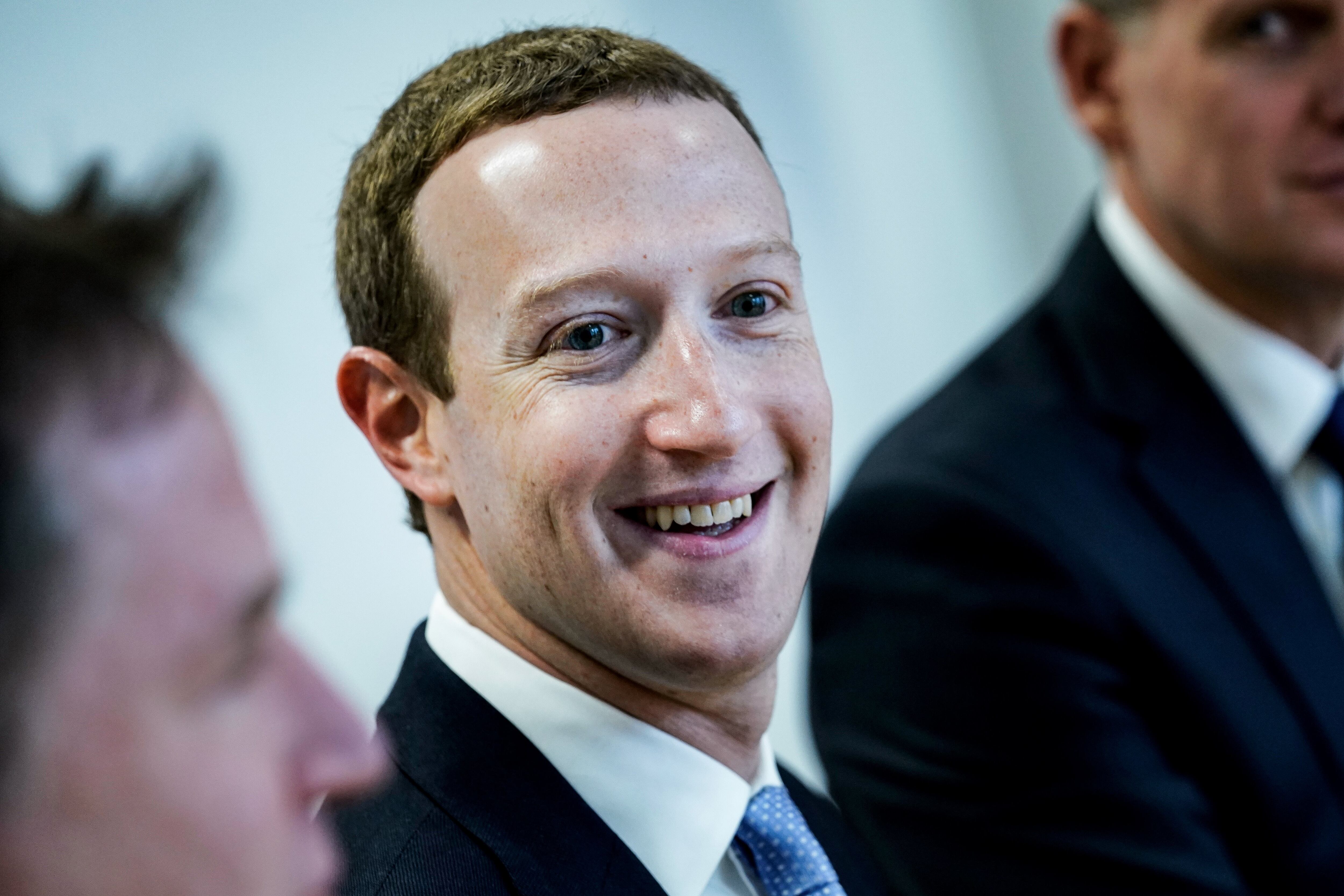
Mark Zuckerberg and his wife Priscilla Chan have donated $25 million through their foundation to a philanthropic effort organized by Bill Gates to explore new coronavirus treatments.
The Gates Foundation donated $50 million last week to what it’s calling the “COVID-19 Therapeutics Accelerator.” The initiative brings together life sciences companies to collaborate on the development of new vaccines, diagnostics, and treatments for COVID-19.
“The Therapeutics Accelerator will enable researchers to quickly determine whether or not existing drugs have a potential benefit against COVID-19,” Chan and Zuckerberg said in a press release. “We hope these coordinated efforts will help stop the spread of COVID-19 as well as provide shared, reusable strategies to respond to future pandemics.”
The two donations are the largest from tech billionaires since the coronavirus outbreak. Wellcome and Mastercard are supporting the effort as well.
The goal of the initiative is to either develop a new drug or adapt an existing treatment that it could help distribute alongside partnering pharmaceutical companies.
The 15 companies participating in the project kicked off the effort by sharing their proprietary libraries of molecular compounds that have some history of being tested with COVID-19.
The lineup includes big names in biotech such as Johnson & Johnson, Merck, Pfizer, Sanofi, and Bristol-Myers Squibb.
People with "get a job" on their list of New Year's resolutions should look to the tech industry, according to a trends report from PayScale. "Tech is the winner when it comes to where you really want to go for good career opportunities, high job satisfaction, and good wage growth," Katie Bardaro, PayScale's Chief Economist and VP of Data Analytics, told Cheddar Friday.
New York is getting into a crypto state of mind with plans to create the nation's first Crypto Task Force. "New York State is the financial capital of the world, and we must have the proper regulations and proper balance to be able to figure out how to regulate in this space," N.Y. Assemblyman Clyde Vanel told Cheddar.
Roku's new content partnership with Showtime, Starz, and other premium channels is "just the beginning" of a greater expansion into paid content, the company's VP of programming and engagement told Cheddar Thursday.
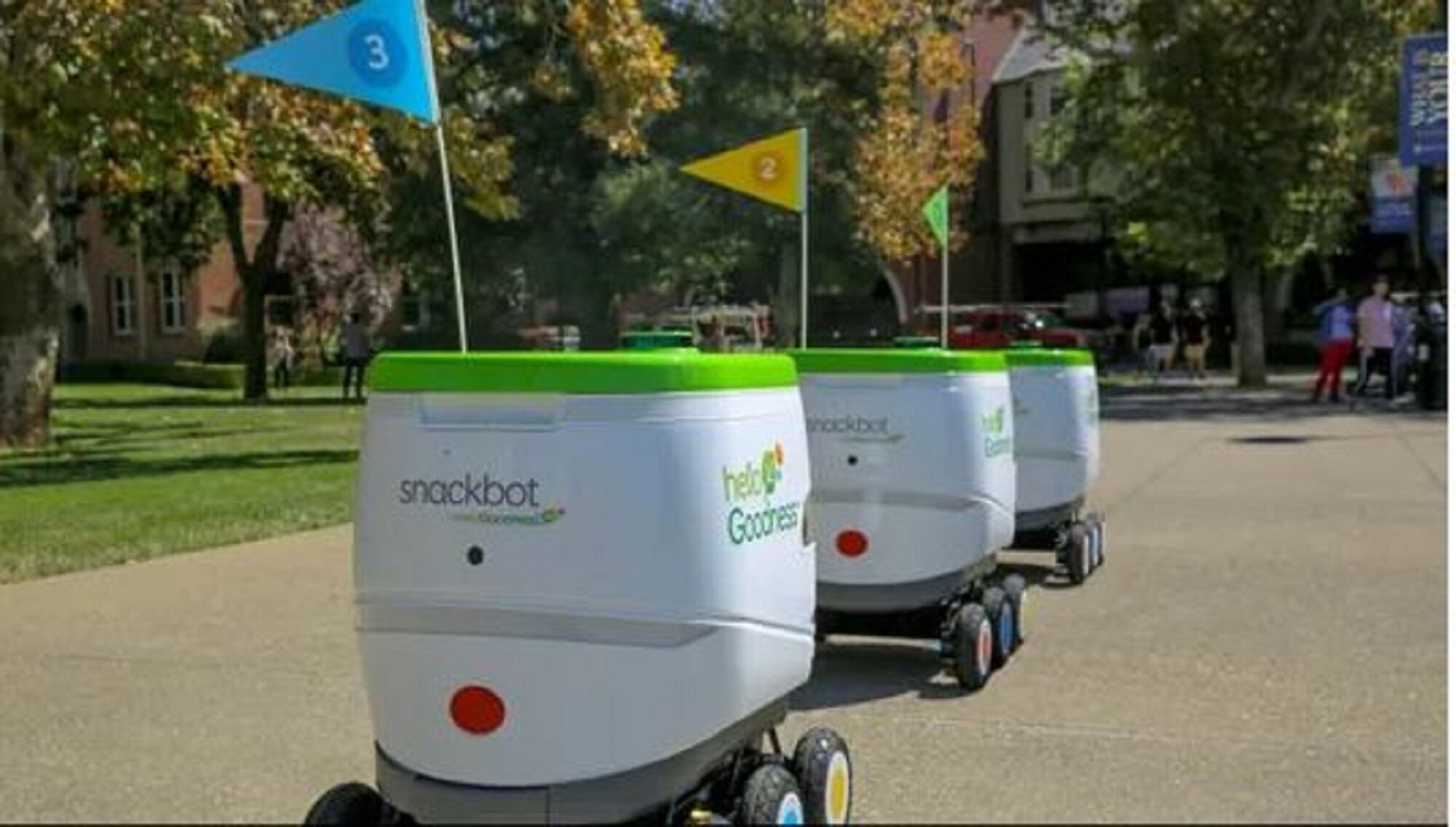
PepsiCo is spearheading an autonomous food delivery service on the campus of the University of the Pacific in Stockton, Calif., where students can now order snacks via an app that are then delivered to them via a small robotic vehicle. The "snackbot" is a "first-of-its-kind" experiment in self-driving and robotics technology, Scott Finlow, vice president of innovation and insights at PepsiCo, told Cheddar.
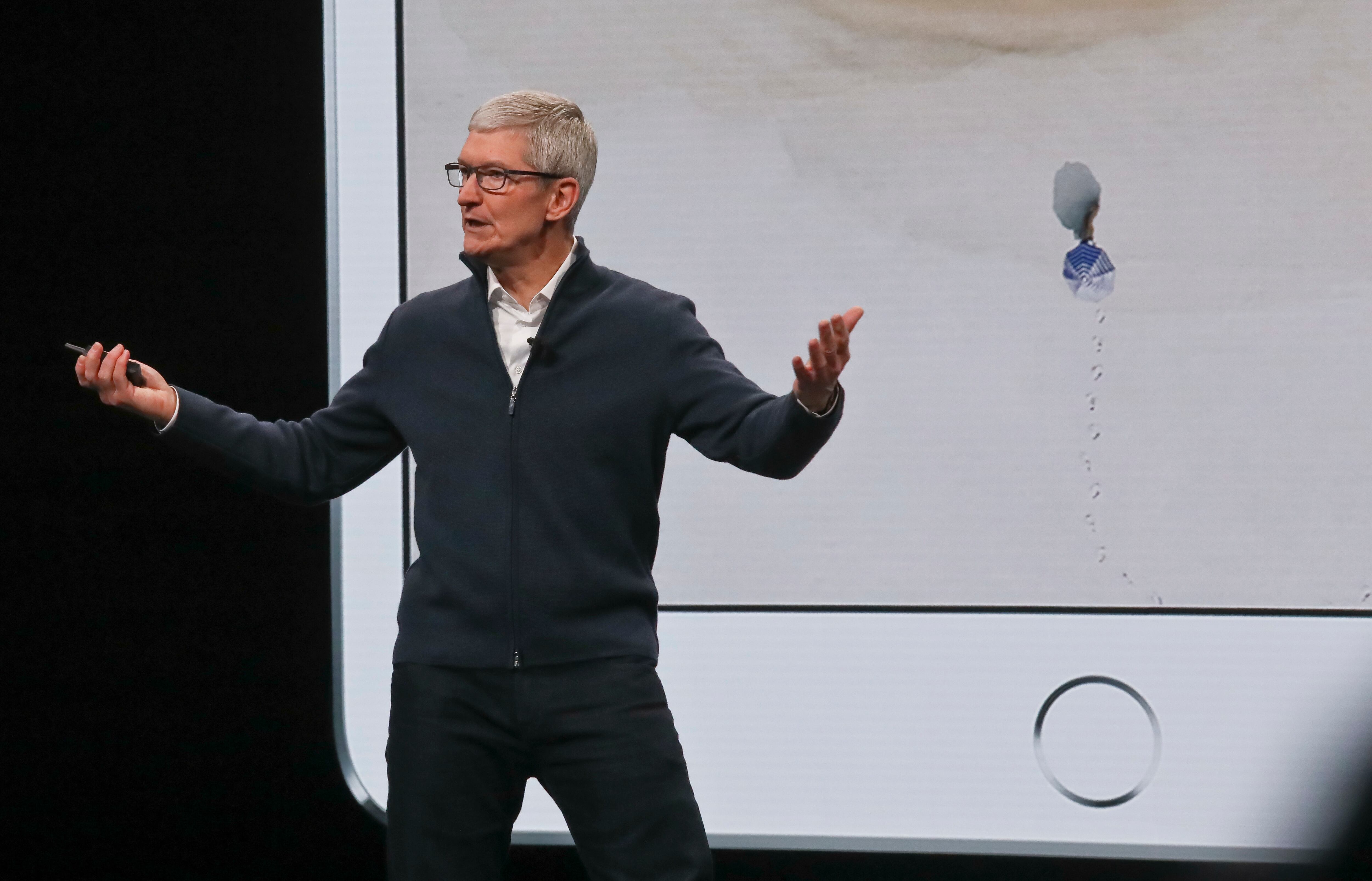
Tim Cook is an excellent steward of Apple, but he's no Steve Jobs ー and what Apple really needs right now, is innovation, said Andy Cunningham, who worked with Jobs to launch the Macintosh.
Major indices followed Apple lower after the iPhone maker's unexpected announcement it would cut revenue guidance sparked fears that the days of Apple's hyper growth are over. The Dow closed down 2.8 percent or 660 points on Thursday, while the S&P finished trading down about 2.5 percent and the Nasdaq closed lower by more than 3 percent.
Netflix may benefit in the short-term from its decision to pull an episode of a comedy show that criticized Saudi Arabia's royal family, but in the long-term, the move could hurt the public's trust in the brand, Jack Crowe of the National Review told Cheddar Wednesday.
In a new era of transportation, safety testing is critical for cars that are now more dependent on tech than on steel and rubber. The American Center for Mobility is a 500-acre testing facility located in Ypsilanti, Mich., just over 30 miles from Detroit. On the center's highway speed loop, vehicles are tested for safety on a range of roadway and weather conditions. "It's gotta work all the time, every time," the center's interim CEO, Kirk Steudle, told Cheddar's J.D. Durkin.
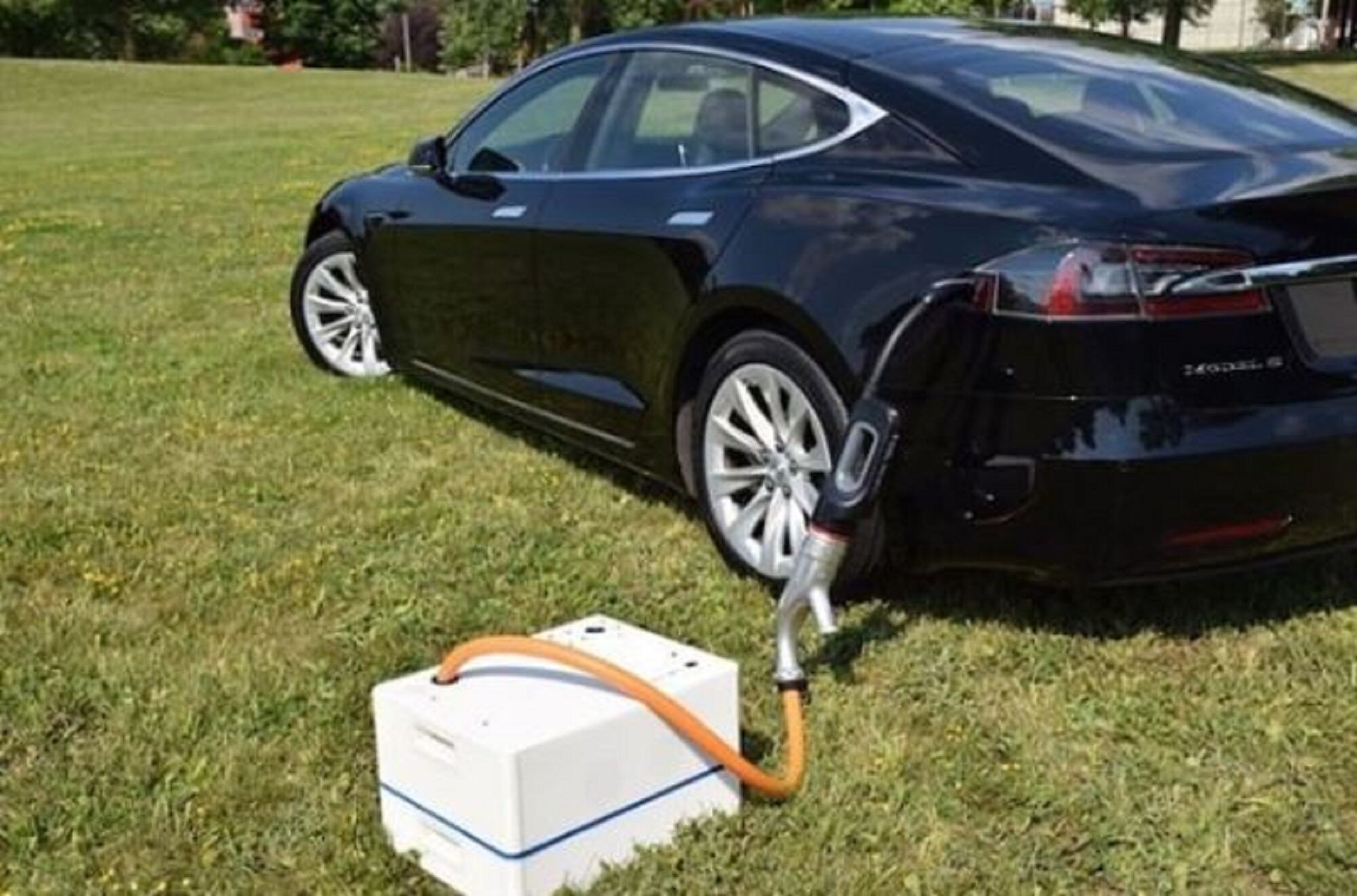
As the electric vehicle movement takes off, SparkCharge is gearing up to save drivers from "range anxiety" with deliverable charging in 2019. "There's this huge gap in the market in terms of alleviating that pain over where, when, how you charge your electric vehicle," SparkCharge CEO Joshua Aviv told Cheddar Wednesday.
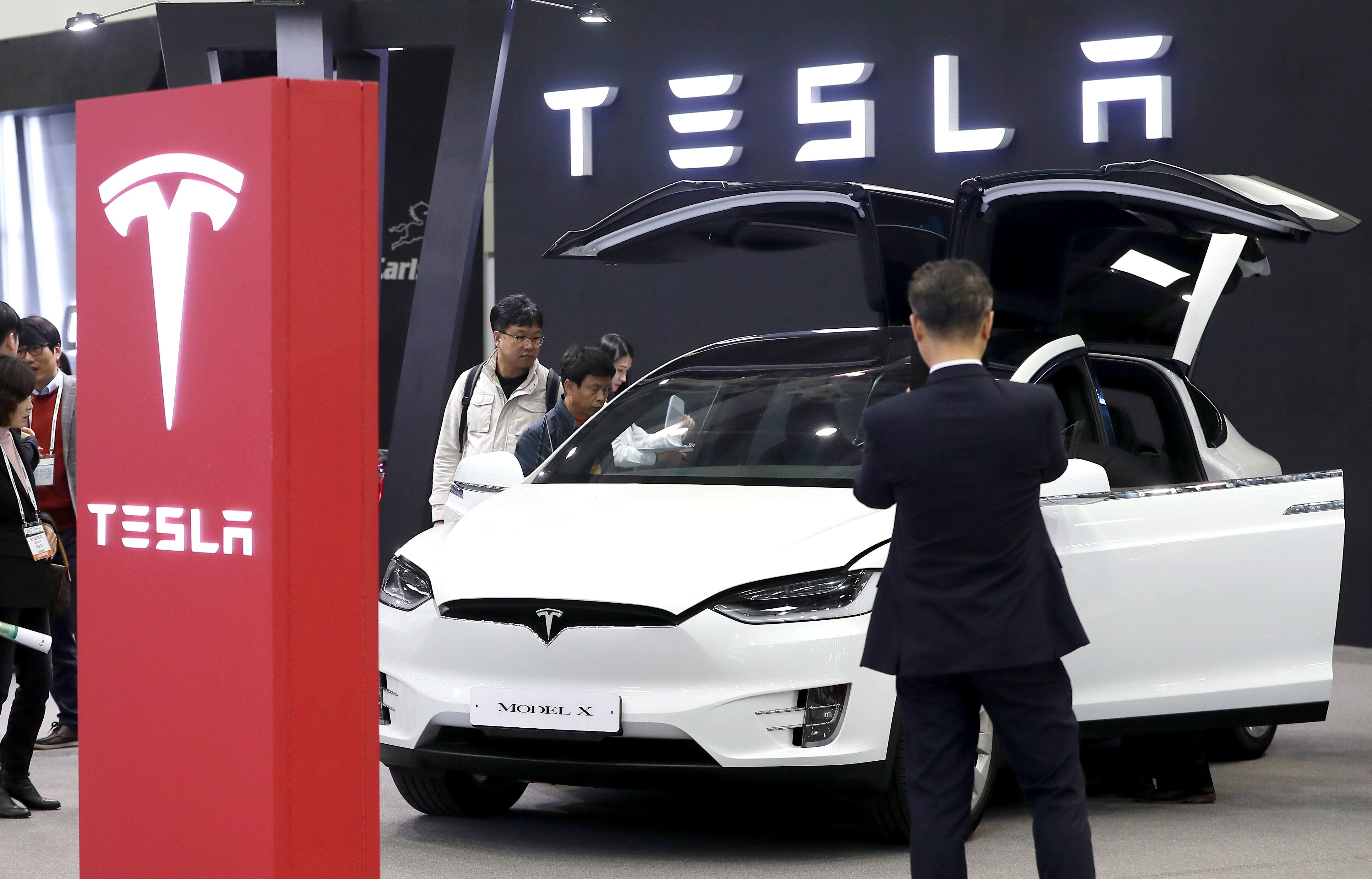
Tesla's latest production miss proves it is no longer a "hyper-growth story," Tesla short Mark Spiegel told Cheddar. Tesla shares tumbled close to 7 percent on Wednesday after the company missed expectations on car deliveries and broadly discounted its vehicles to offset subsidy cuts.