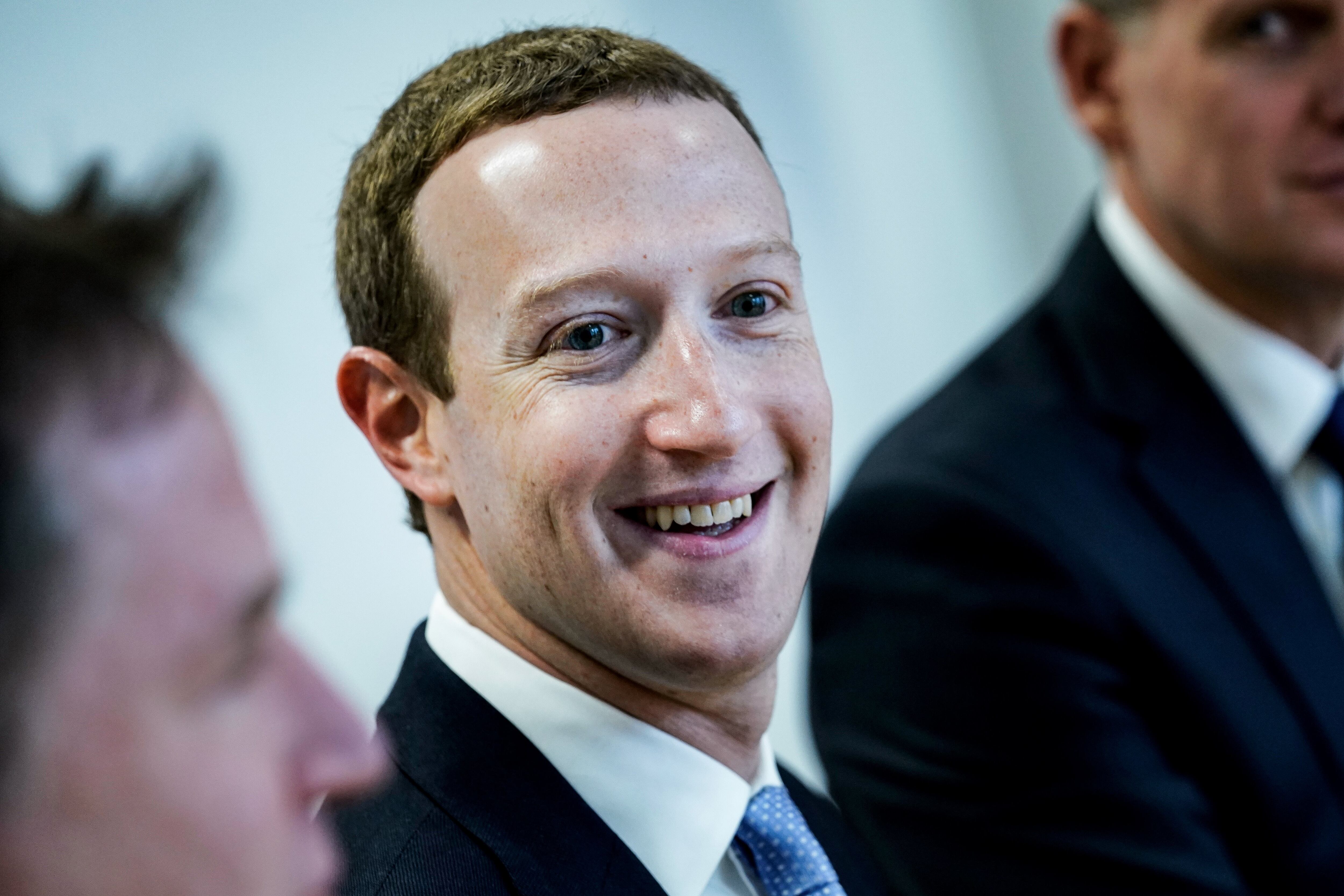
Mark Zuckerberg and his wife Priscilla Chan have donated $25 million through their foundation to a philanthropic effort organized by Bill Gates to explore new coronavirus treatments.
The Gates Foundation donated $50 million last week to what it’s calling the “COVID-19 Therapeutics Accelerator.” The initiative brings together life sciences companies to collaborate on the development of new vaccines, diagnostics, and treatments for COVID-19.
“The Therapeutics Accelerator will enable researchers to quickly determine whether or not existing drugs have a potential benefit against COVID-19,” Chan and Zuckerberg said in a press release. “We hope these coordinated efforts will help stop the spread of COVID-19 as well as provide shared, reusable strategies to respond to future pandemics.”
The two donations are the largest from tech billionaires since the coronavirus outbreak. Wellcome and Mastercard are supporting the effort as well.
The goal of the initiative is to either develop a new drug or adapt an existing treatment that it could help distribute alongside partnering pharmaceutical companies.
The 15 companies participating in the project kicked off the effort by sharing their proprietary libraries of molecular compounds that have some history of being tested with COVID-19.
The lineup includes big names in biotech such as Johnson & Johnson, Merck, Pfizer, Sanofi, and Bristol-Myers Squibb.
Symbiont, a smart contracts platform for institutional applications of blockchain technology, has raised $20 million in a Series B funding round led by Nasdaq Ventures and joined by new investors Citi.
The addition of Netflix to the exclusive Motion Picture Association of America on Tuesday is likely to prompt a shift in policy, both for the movie industry and for the streaming giant.
"Netflix ($NFLX) is going to shape the MPAA's agenda as much as the reverse," Eriq Gardner, a senior editor at The Hollywood Reporter, told Cheddar.
CBD is the latest hot trend in wellness ー and Alkaline Water Company is jumping aboard with a new CBD-infused water.
"We just see that as a market we can take right onto, and glom onto," Alkaline Water Company CEO Ricky Wright told Cheddar on Tuesday. "We already have a lifestyle health product in alkaline water ー we see that as a natural extension."
Slowing economic growth may spell disaster for some businesses, but travel booking site Kayak tends to see more business when times are tough. "When we enter a recession, prices come down and so, as a result, services like Kayak get used more frequently as consumers try to find those deals," Kayak CEO Steve Hafner told Cheddar on Tuesday. The International Monetary Fund on Monday downgraded its forecast for global economic growth, sparking fears of a global slowdown. But Hafner said Kayak managed to grow through the last major recession, and he feels good about its prospects moving forward. "It was a bad one, but we grew right through it and I suspect this would be no different than that," he said.
Oracle has incorporated autonomous technology into its cloud services in an effort to boost security, but Steve Daheb, senior vice president for Oracle Cloud, said Oracle's not the only enterprise company rushing to bring emerging technologies, like artificial intelligence, blockchain, and IoT, into its applications. "We are seeing this fundamental shift, particularly within enterprise, where we are seeing this tipping point where enterprises are looking at adopting \[emerging technology\] into the mission critical applications that they are deploying to market today," Daheb told Cheddar on Tuesday.
From Wall Street to Silicon Valley, these are the top stories that moved markets and had investors, business leaders, and entrepreneurs talking this week on Cheddar.
Snap’s global security chief, Francis Racioppi, has been fired after an internal investigation found that he had an undisclosed relationship with a woman from a third-party consulting firm that he paid a sizable, six-figure amount of money to on behalf of Snap. Controversial Snap VP Jason Halpert is also leaving in connection with the investigation.
Former Take-Two CEO Kelly Sumner is looking for the next big game. But rather than investing hundreds of millions, his blockchain-based video game publisher Planet Digital Partners is targeting mid-level games often ignored by big publishers.
"Electronic Arts, Take-Two, Activision ($ATVI), etc., they are spending hundreds of millions of dollars on a game, expecting to be ... getting billions. And the kind of middle, where there's sort of really good, exciting games, isn't there," Sumner told Cheddar Friday.
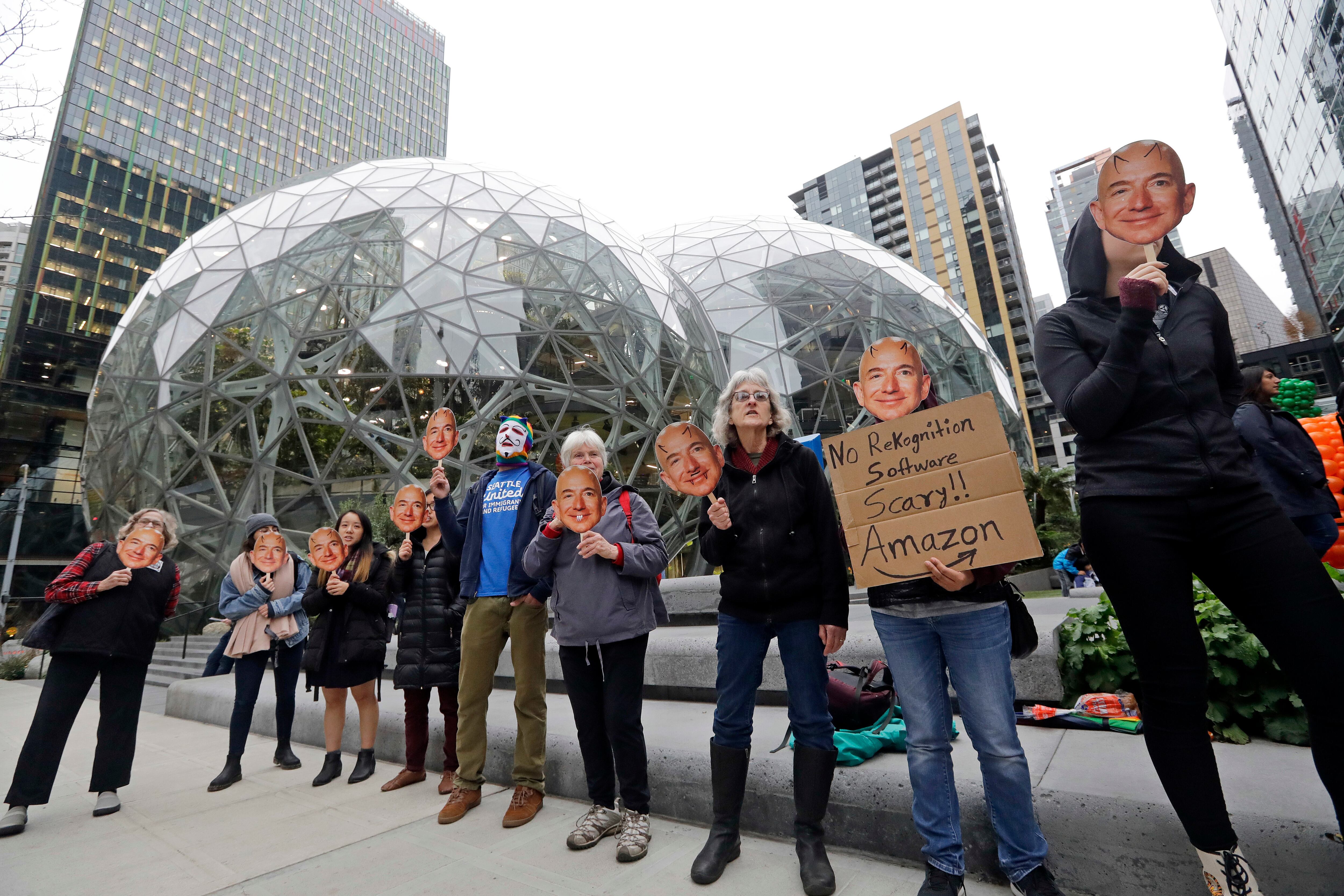
At Amazon's annual shareholder meeting this spring, a group of investors will be asking the tech giant to halt all governments sales of its proprietary facial recognition technology, known as Rekognition. The software, which scans faces and can read human emotions, tells the government "who we are, what we are, what we're doing, and who we're doing it with," said Michael Connor, the executive director of corporate accountability non-profit Open Mic.
Tesla CEO Elon Musk's email to employees on Friday announcing that the electric car maker will be slashing its workforce by 7 percent is just the latest in a long line of troubles for the embattled company ー troubles that brand and marketing expert Ian Wishingrad don't see ending any time soon.