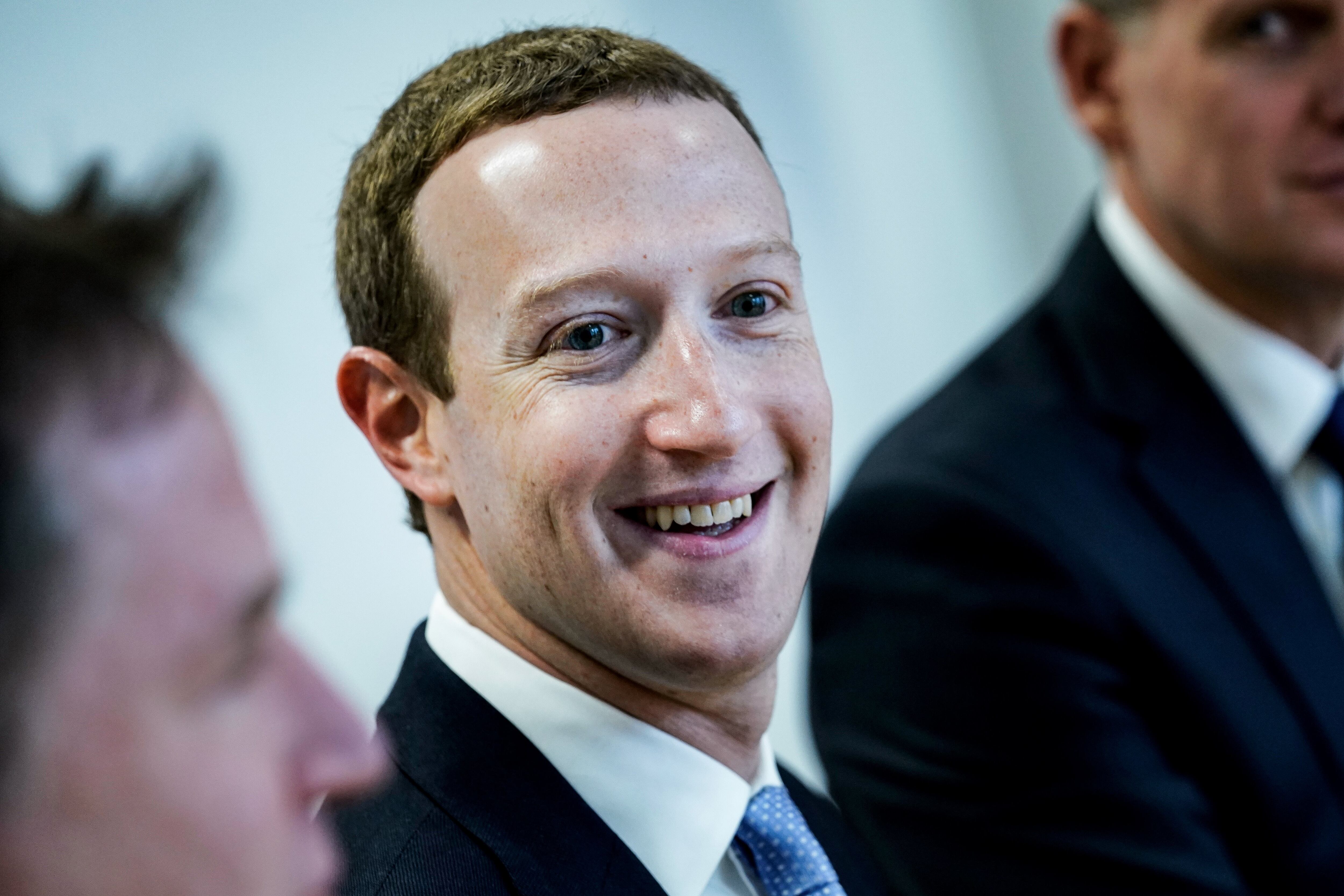
Mark Zuckerberg and his wife Priscilla Chan have donated $25 million through their foundation to a philanthropic effort organized by Bill Gates to explore new coronavirus treatments.
The Gates Foundation donated $50 million last week to what it’s calling the “COVID-19 Therapeutics Accelerator.” The initiative brings together life sciences companies to collaborate on the development of new vaccines, diagnostics, and treatments for COVID-19.
“The Therapeutics Accelerator will enable researchers to quickly determine whether or not existing drugs have a potential benefit against COVID-19,” Chan and Zuckerberg said in a press release. “We hope these coordinated efforts will help stop the spread of COVID-19 as well as provide shared, reusable strategies to respond to future pandemics.”
The two donations are the largest from tech billionaires since the coronavirus outbreak. Wellcome and Mastercard are supporting the effort as well.
The goal of the initiative is to either develop a new drug or adapt an existing treatment that it could help distribute alongside partnering pharmaceutical companies.
The 15 companies participating in the project kicked off the effort by sharing their proprietary libraries of molecular compounds that have some history of being tested with COVID-19.
The lineup includes big names in biotech such as Johnson & Johnson, Merck, Pfizer, Sanofi, and Bristol-Myers Squibb.
In the digital age, advertisers have more options to reach consumers online than ever before ー through social networks, native content, banner ads ー but their understanding of the effectiveness of digital ad campaigns has remained vague. Now, flush with $20 million in venture capital, Knotch is building a platform that it says will allow advertisers to see what works and where ー in real time.
Apple is planning a subscription service that would function like Netflix for games, according to people familiar with the matter. The iPhone maker has also discussed partnering with developers as a publisher, which could signal ambitions to assume distribution and marketing costs for games.
These are the headlines you Need 2 Know for Monday, Jan. 28, 2019.
The founder and CEO of Vangst, a cannabis recruiting platform, wants to help budding cannabis companies staff up ーand she has Snoop Dogg's support to make that happen. Founder and CEO, Karson Humiston, told Cheddar she was inspired to create the company back in college after a trip to Colorado.
From Wall Street to Silicon Valley, these are the top stories that moved markets and had investors, business leaders, and entrepreneurs talking this week on Cheddar.
Following a 2018 Supreme Court ruling year that cleared the way for sports gambling, fans in seven states can bet on the upcoming Super Bowl for the first time ー and leaders in the budding industry are anticipating the Big Game will deliver their biggest day yet. “We expect the Super Bowl to be our single biggest day in the company’s history,” Mike Raffensperger, the chief marketing officer for betting platform FanDuel, told Cheddar.
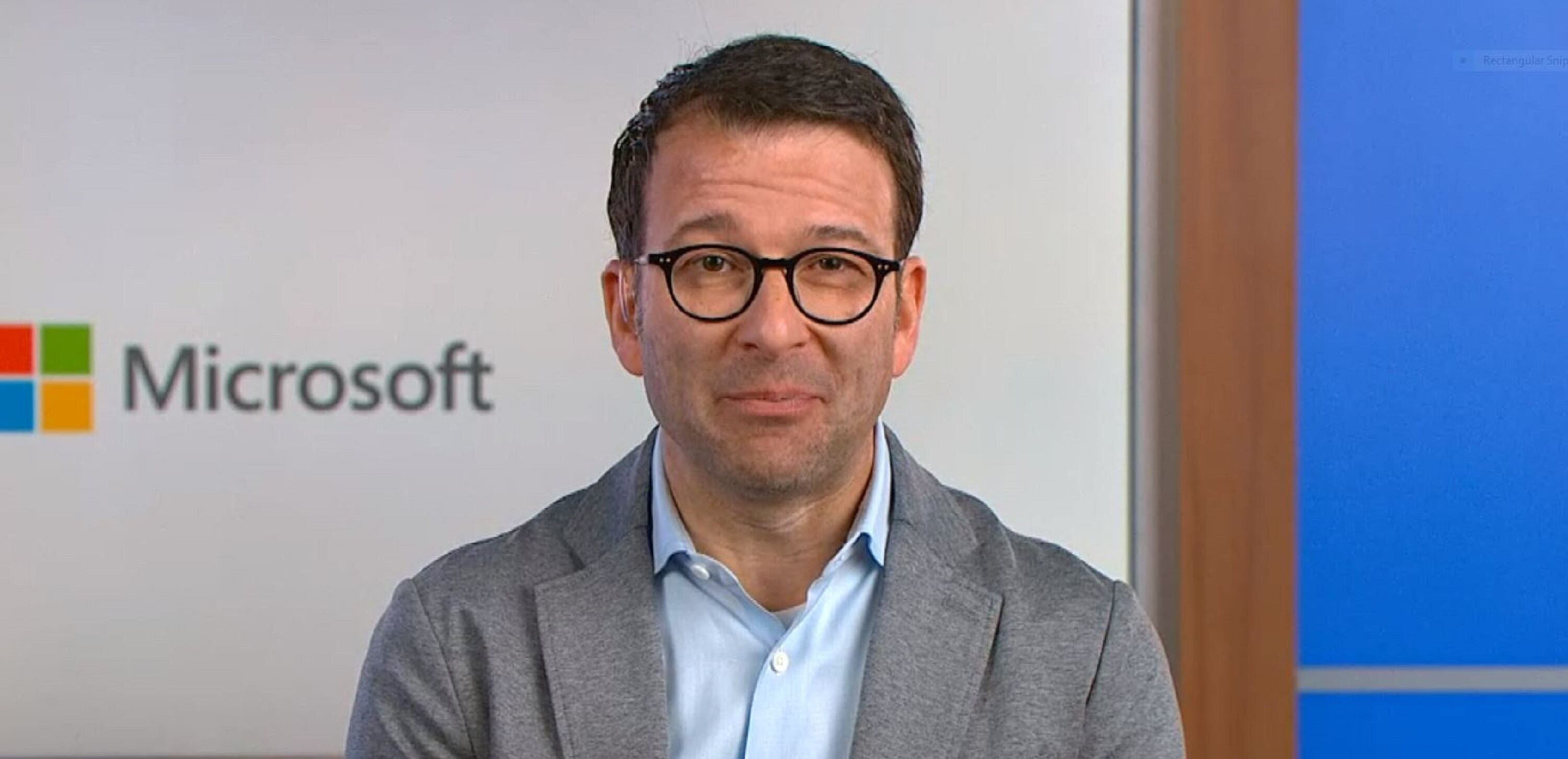
Microsoft inked three major partnerships in just one month ー and each union has a common theme, according to the company's executive vice president of worldwide commercial business."I think to sum it up, we're about empowerment," Judson Althoff told Cheddar. "We're about empowering our customers to achieve their potential."
Listeners have come to expect their podcasts free of charge. But Pocket Cast has still managed to become one of the leading podcast platforms as a paid app. The company was recently acquired by NPR, WNYC Studios, and WBEZ Chicago, in a move that CEO Owen Grover told Cheddar will only move the medium forward.
President Trump's longtime ally Roger Stone was arrested Friday in connection with Robert Mueller's Russia probe. The FAA reported delays at several major airports across the U.S. because of an increase in employees taking sick leave at air traffic control centers. And Lois Backon, head of Corporate Partner Marketing for JPMorgan Chase, tells Cheddar how the bank partners with celebrities to share their financial planning tips.
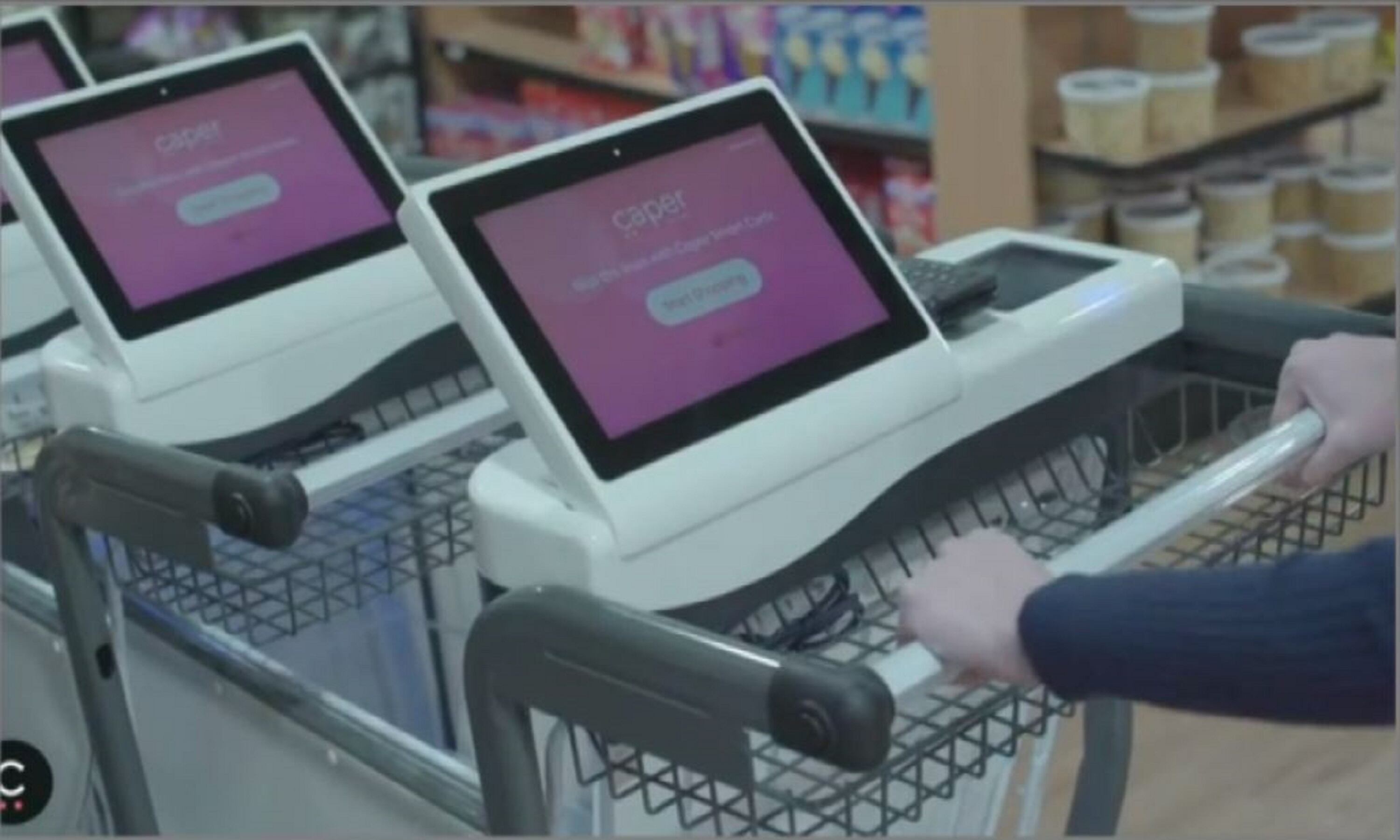
A new startup is using the technology pioneered by Amazon in its cashier-less stores and applying it directly to the grocery cart. "Checkout is by far one of the most annoying experiences in physical retail," said Caper CEO Lindon Gao in an interview Friday on Cheddar. Caper will allow customers to bypass the checkout line completely and pay for their purchases directly via an interface on their carts.