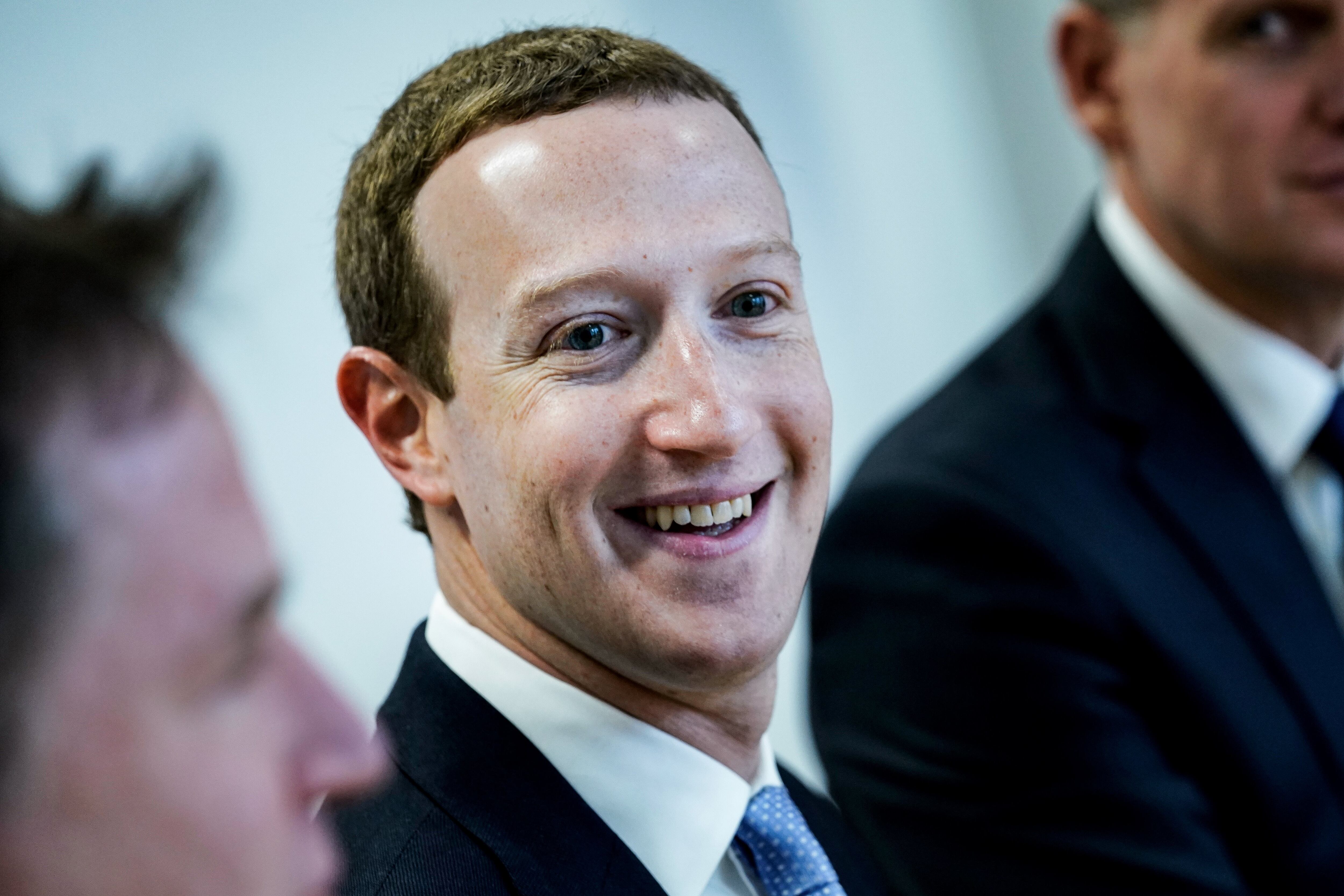
Mark Zuckerberg and his wife Priscilla Chan have donated $25 million through their foundation to a philanthropic effort organized by Bill Gates to explore new coronavirus treatments.
The Gates Foundation donated $50 million last week to what it’s calling the “COVID-19 Therapeutics Accelerator.” The initiative brings together life sciences companies to collaborate on the development of new vaccines, diagnostics, and treatments for COVID-19.
“The Therapeutics Accelerator will enable researchers to quickly determine whether or not existing drugs have a potential benefit against COVID-19,” Chan and Zuckerberg said in a press release. “We hope these coordinated efforts will help stop the spread of COVID-19 as well as provide shared, reusable strategies to respond to future pandemics.”
The two donations are the largest from tech billionaires since the coronavirus outbreak. Wellcome and Mastercard are supporting the effort as well.
The goal of the initiative is to either develop a new drug or adapt an existing treatment that it could help distribute alongside partnering pharmaceutical companies.
The 15 companies participating in the project kicked off the effort by sharing their proprietary libraries of molecular compounds that have some history of being tested with COVID-19.
The lineup includes big names in biotech such as Johnson & Johnson, Merck, Pfizer, Sanofi, and Bristol-Myers Squibb.
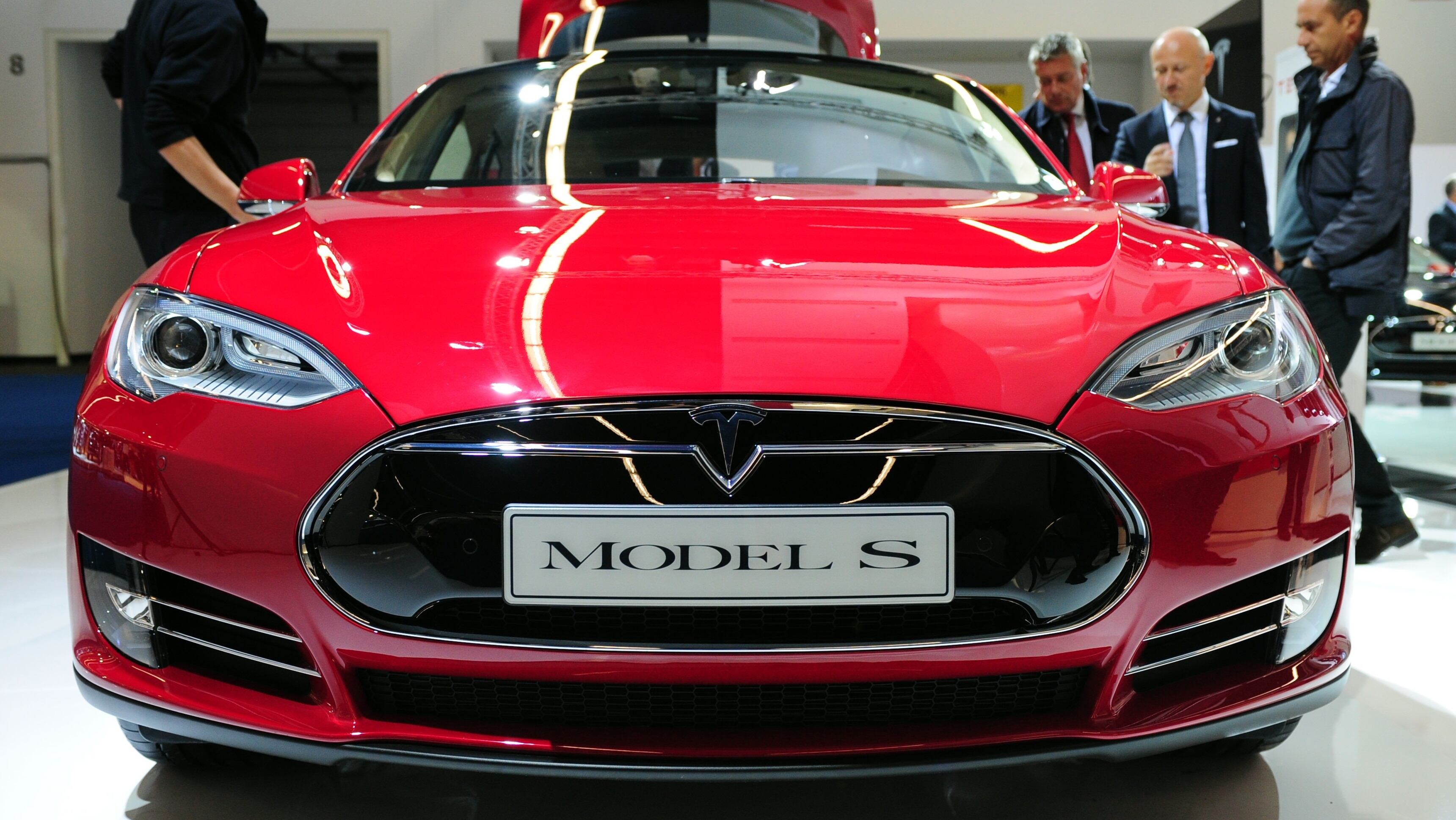
To celebrate its 70th anniversary, MotorTrend took a look back at past car of the year winners to pick the ultimate. Ed Loh, editor-in-chief of MotorTrend, breaks down why the 2013 Tesla Model S came out on top.
These are the headlines you Need 2 Know for Friday, July 12, 2019.
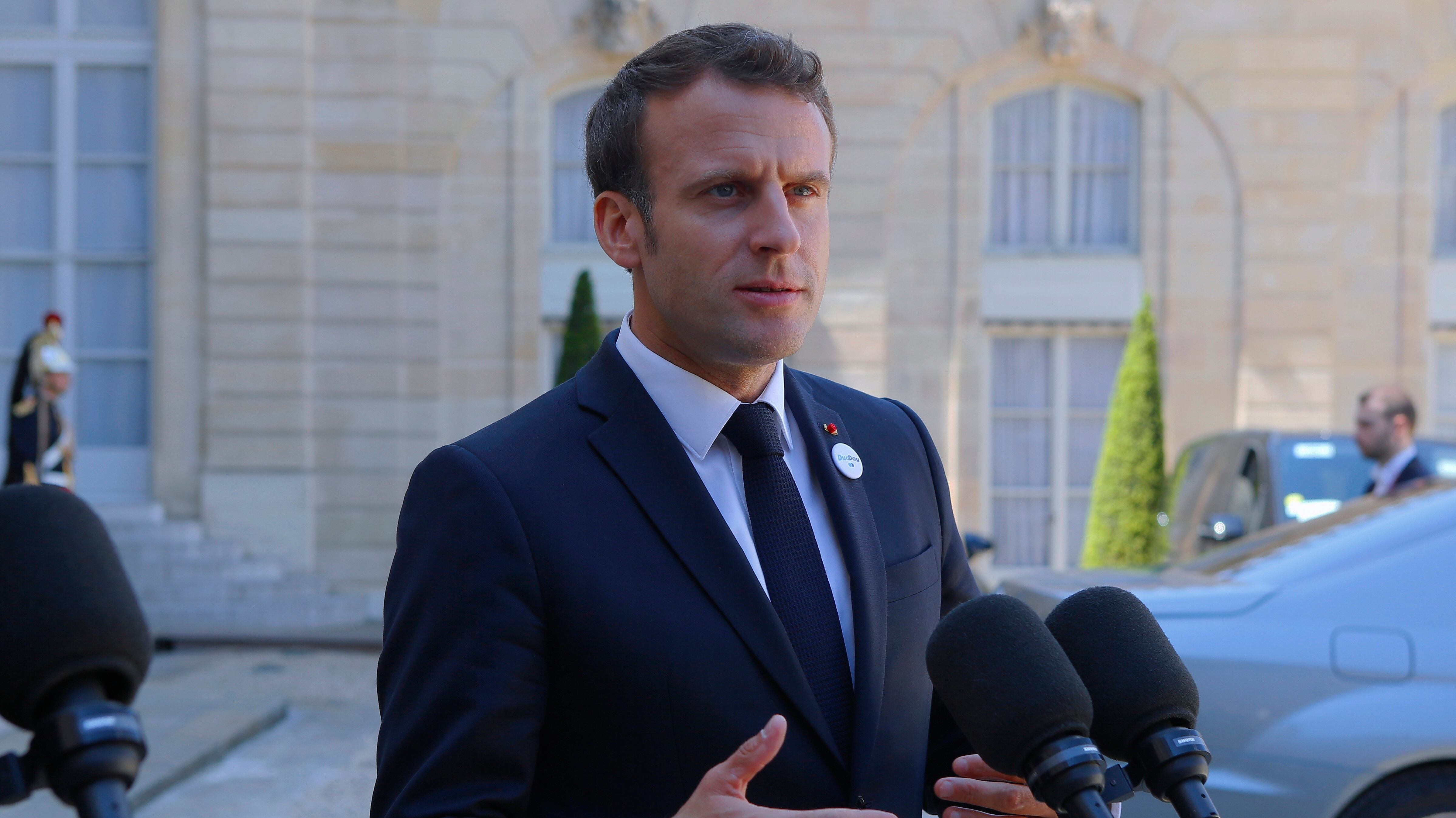
French lawmakers voted to impose a 3 percent tax on revenues from digital services that reach French users that could leave U.S. tech giants like Facebook, Google, and Amazon facing a hefty new tax bill.
Getting discovered online is one of the fastest ways to success online. Yohell Collado, Lead Creative Designer at Heir Brands, joins Cheddar to share some industry secrets on how you can use Google to get your brand in front of more people.
These are the headlines you Need 2 Know for Thursday, July 11, 2019.
The NYSE had the busiest first half in 2019 in more than a decade, and traders will be watching closely over the next two quarters as another round of heavyweight tech company IPOs are expected.
Instagram is ramping up its anti-bullying efforts with two new features that it hopes will protect users from hurtful and abusive content, the company announced this week.
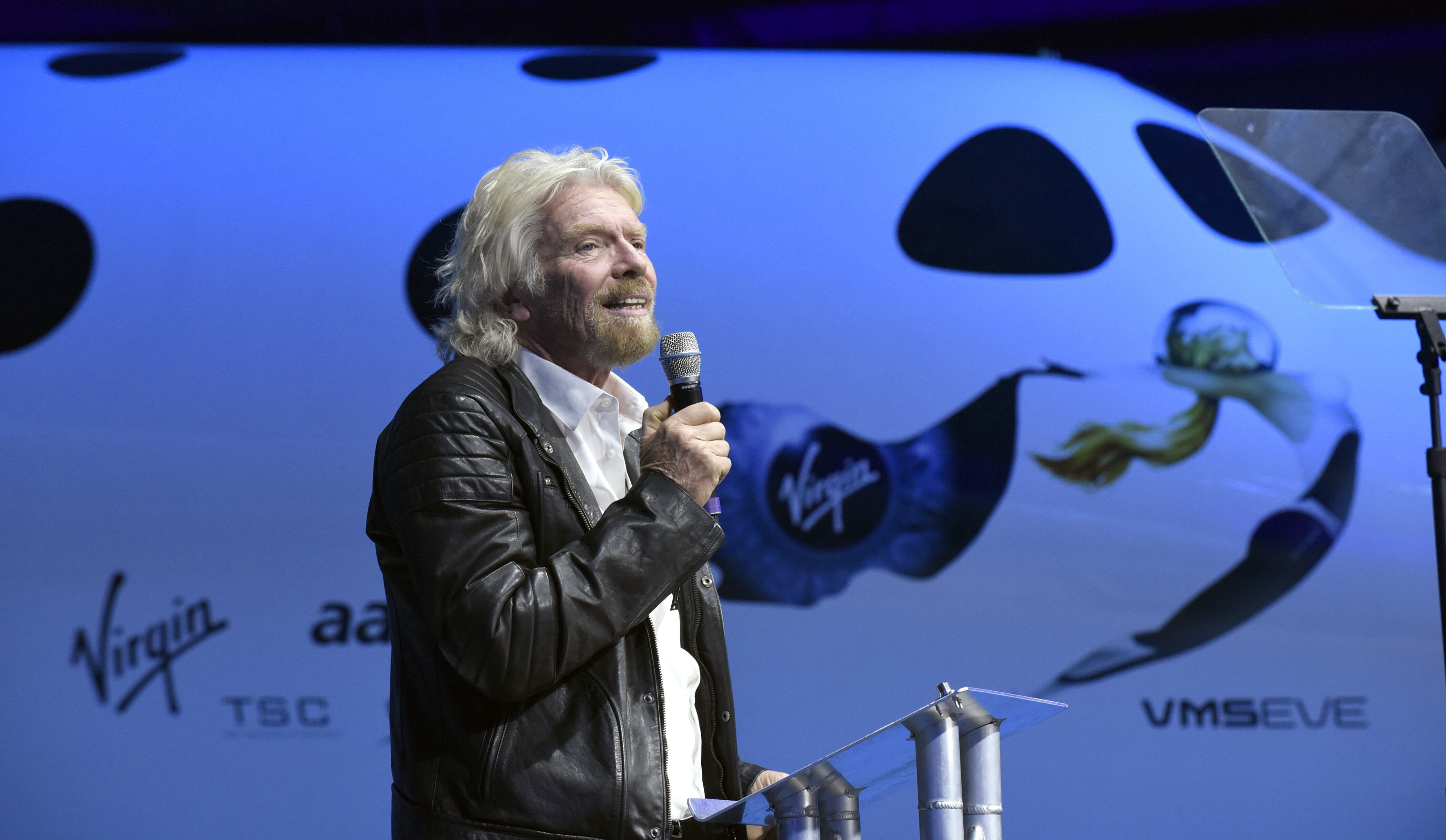
The modern-day space race just took a major step toward maturity, with Sir Richard Branson's announcement that Virgin Galactic will go public. When it lists later this year, Virgin will become the first publicly traded space-tourism company.
The market for hemp-derived CBD is expected to hit $5.1 billion in 2019 and $23.7 billion by 2023, according to new research from CBD and cannabis-focused market research firm, Brightfield Group. Despite bullish projections from researchers, enthusiasm from the industry, and curiosity from consumers, however, legislation at the federal and local levels isn’t keeping pace.
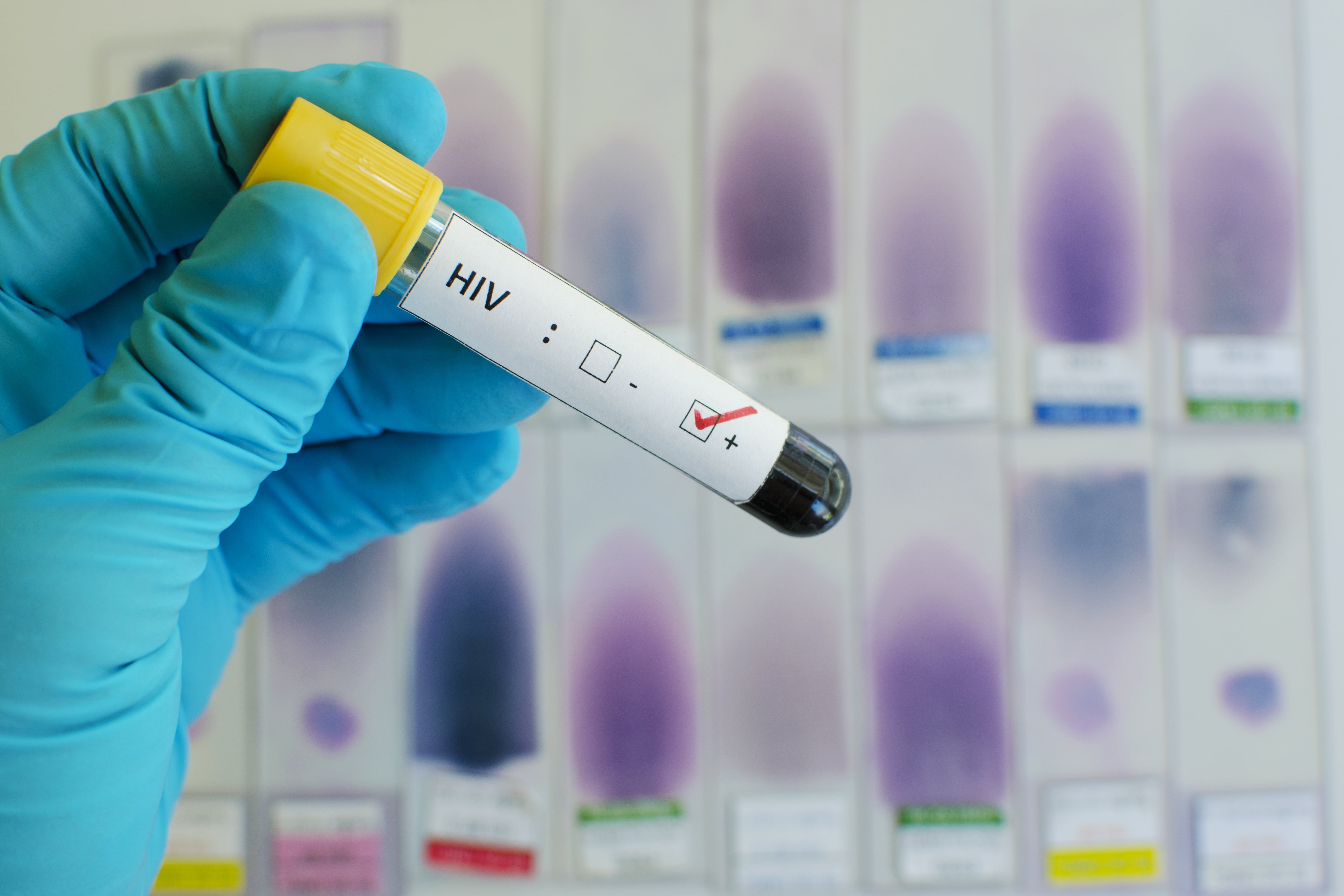
Researchers at the University of Nebraska Medical Center and Temple University reported using gene therapy to eradicate HIV in mice. Now the team is considering how to turn that into a life-saving cure for humans.