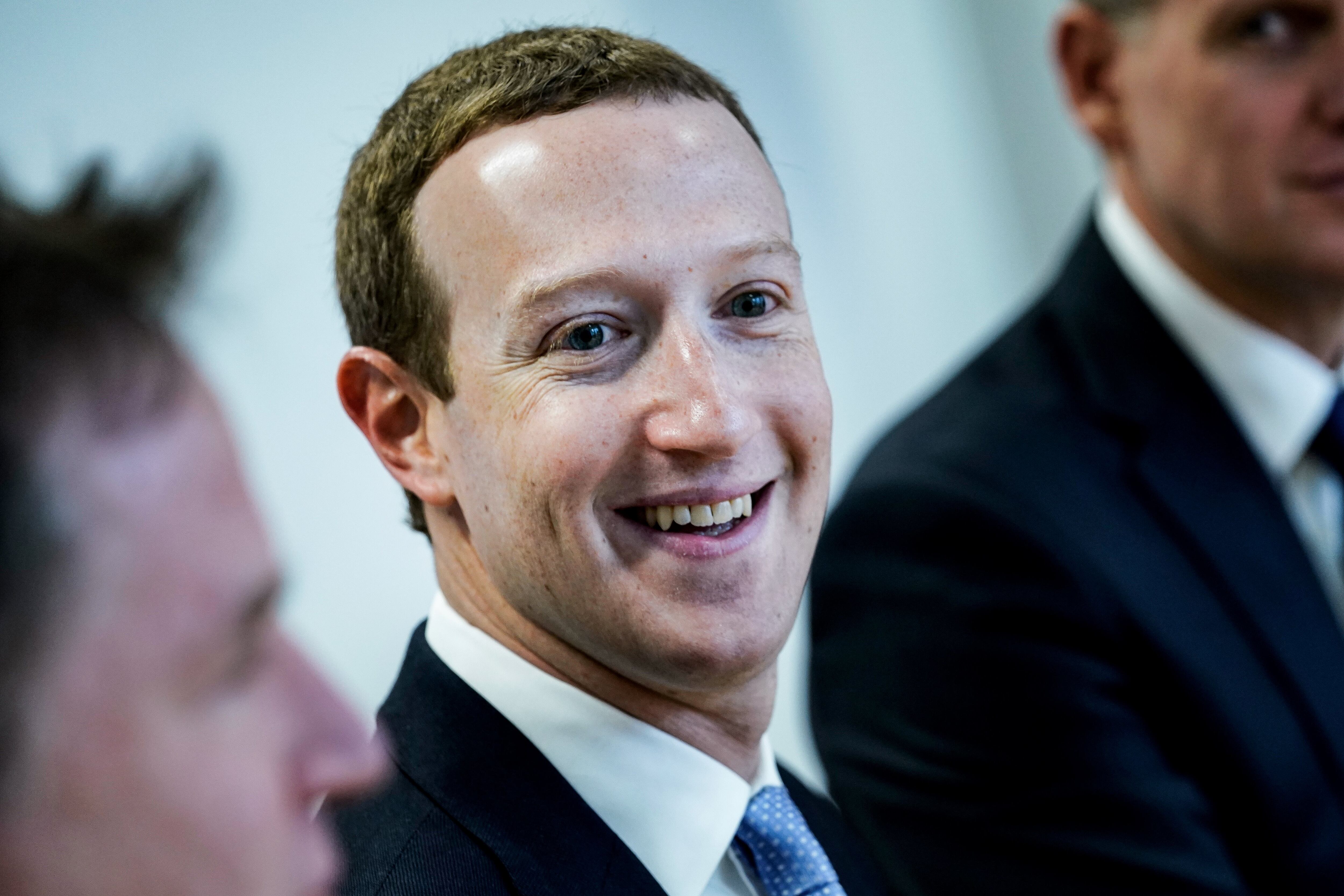
Mark Zuckerberg and his wife Priscilla Chan have donated $25 million through their foundation to a philanthropic effort organized by Bill Gates to explore new coronavirus treatments.
The Gates Foundation donated $50 million last week to what it’s calling the “COVID-19 Therapeutics Accelerator.” The initiative brings together life sciences companies to collaborate on the development of new vaccines, diagnostics, and treatments for COVID-19.
“The Therapeutics Accelerator will enable researchers to quickly determine whether or not existing drugs have a potential benefit against COVID-19,” Chan and Zuckerberg said in a press release. “We hope these coordinated efforts will help stop the spread of COVID-19 as well as provide shared, reusable strategies to respond to future pandemics.”
The two donations are the largest from tech billionaires since the coronavirus outbreak. Wellcome and Mastercard are supporting the effort as well.
The goal of the initiative is to either develop a new drug or adapt an existing treatment that it could help distribute alongside partnering pharmaceutical companies.
The 15 companies participating in the project kicked off the effort by sharing their proprietary libraries of molecular compounds that have some history of being tested with COVID-19.
The lineup includes big names in biotech such as Johnson & Johnson, Merck, Pfizer, Sanofi, and Bristol-Myers Squibb.
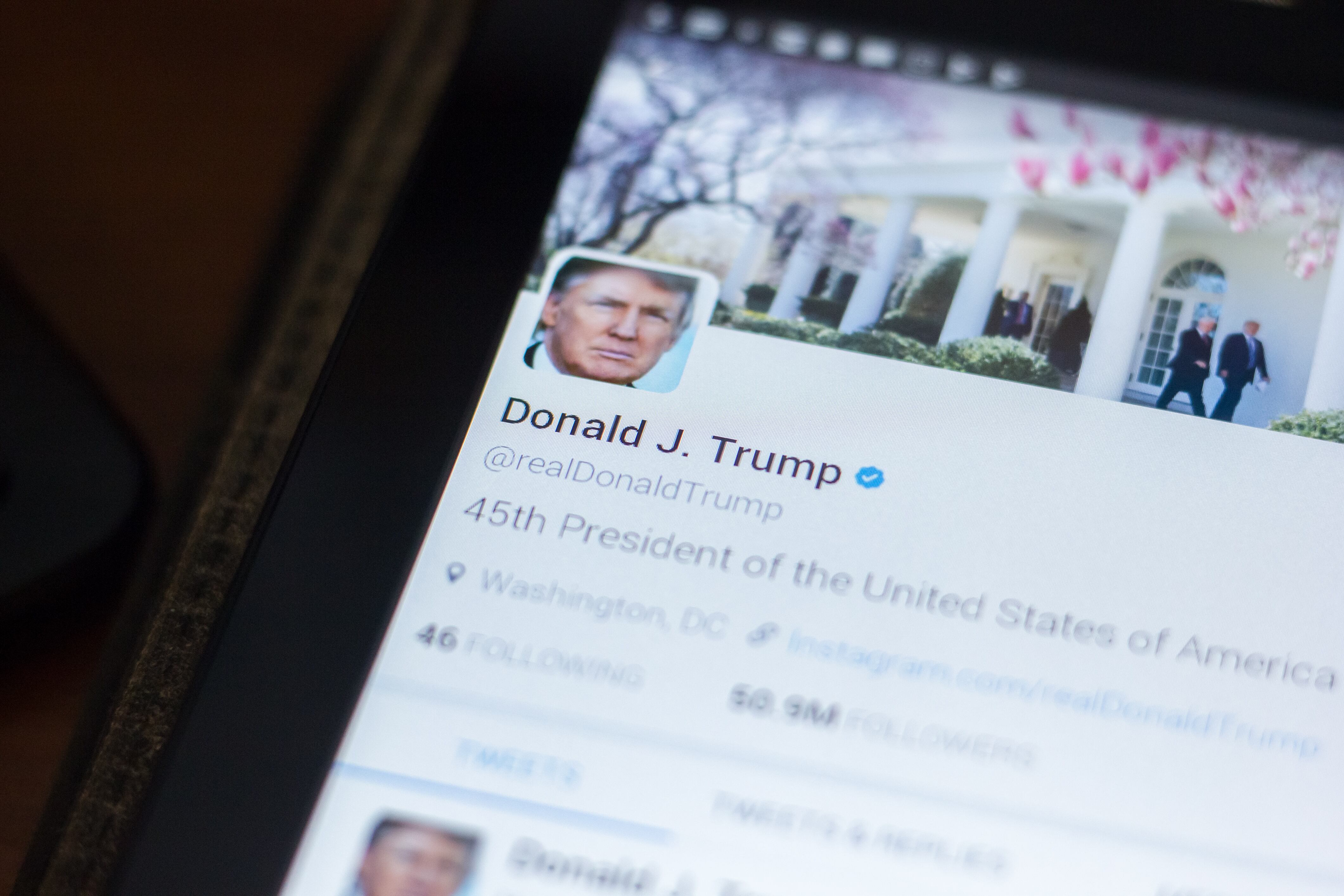
Without mentioning President Donald Trump — by far the most high-profile and contentious leader on Twitter — the company added that tweets with a "clear public interest" would not be removed.
These are the headlines you Need to know for Wednesday, October 16, 2019.
According to insurance carrier Hiscox, cyberattacks are costing small businesses $200,000 on average and putting 60% out of business within six months of being victimized.
Today's Myth: Online business privacy is dead. Brian Fanzo, founder of iSocialFanz, joins Cheddar to break down this myth and share how you can keep your business safe.
Offshore wind remains a virtually untapped market – one estimated to be worth close to $70 billion, with the promise of supplying such lucrative East Coast markets as New York City, Boston, Baltimore, and Philadelphia.
Elie Seidman, CEO of Tinder, discusses the apocalyptic-themed adventure game, called Swipe Night, which allows users to dictate what happens next in the story. The user's decisions will then match them with other like-minded players.
From Wall Street to Silicon Valley, these are the top stories that moved markets and had investors, business leaders, and entrepreneurs talking this week on Cheddar.
In an effort to get "tax policy parity" with other renewable resources, the American Wind Energy Association says it will seek the same tax credit pursued by the solar energy sector.
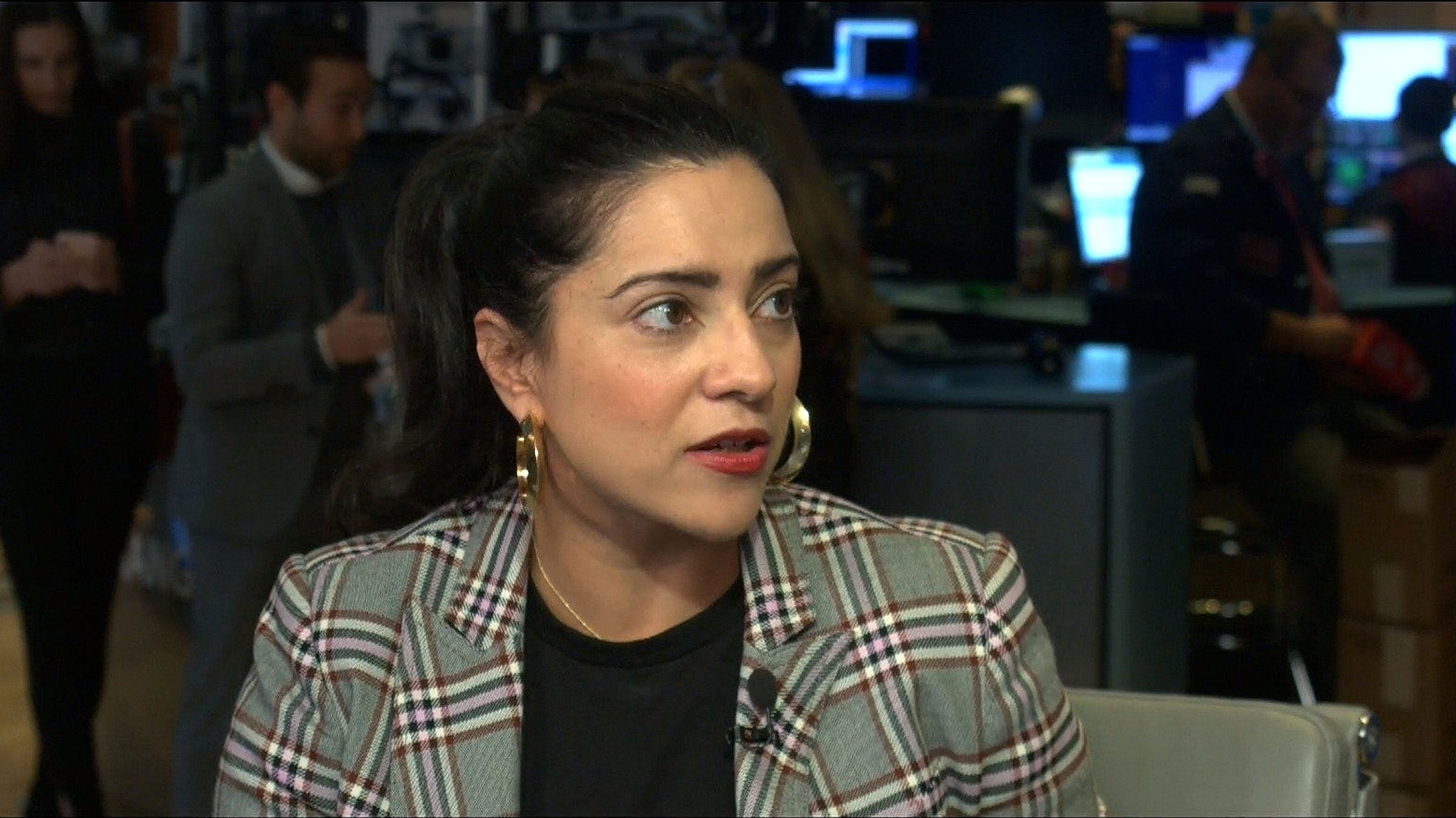
Girls Who Code founder and CEO Reshma Saujani discussed the first all-digital "march" to spread awareness of gender inequality in the tech space.
Wisecrack has over 2.7 million subscribers on YouTube and seven podcasts. Jacob Salamon, co-founder and CEO of Wisecrack, breaks down the importance of community and shares tips to help creators improve their craft.
Apple this week removed a smartphone app called HKmap.live that was used by pro-democracy demonstrators in Hong Kong to track police movements, and Google dropped a smartphone game that lets users role-play as protesters in the city.