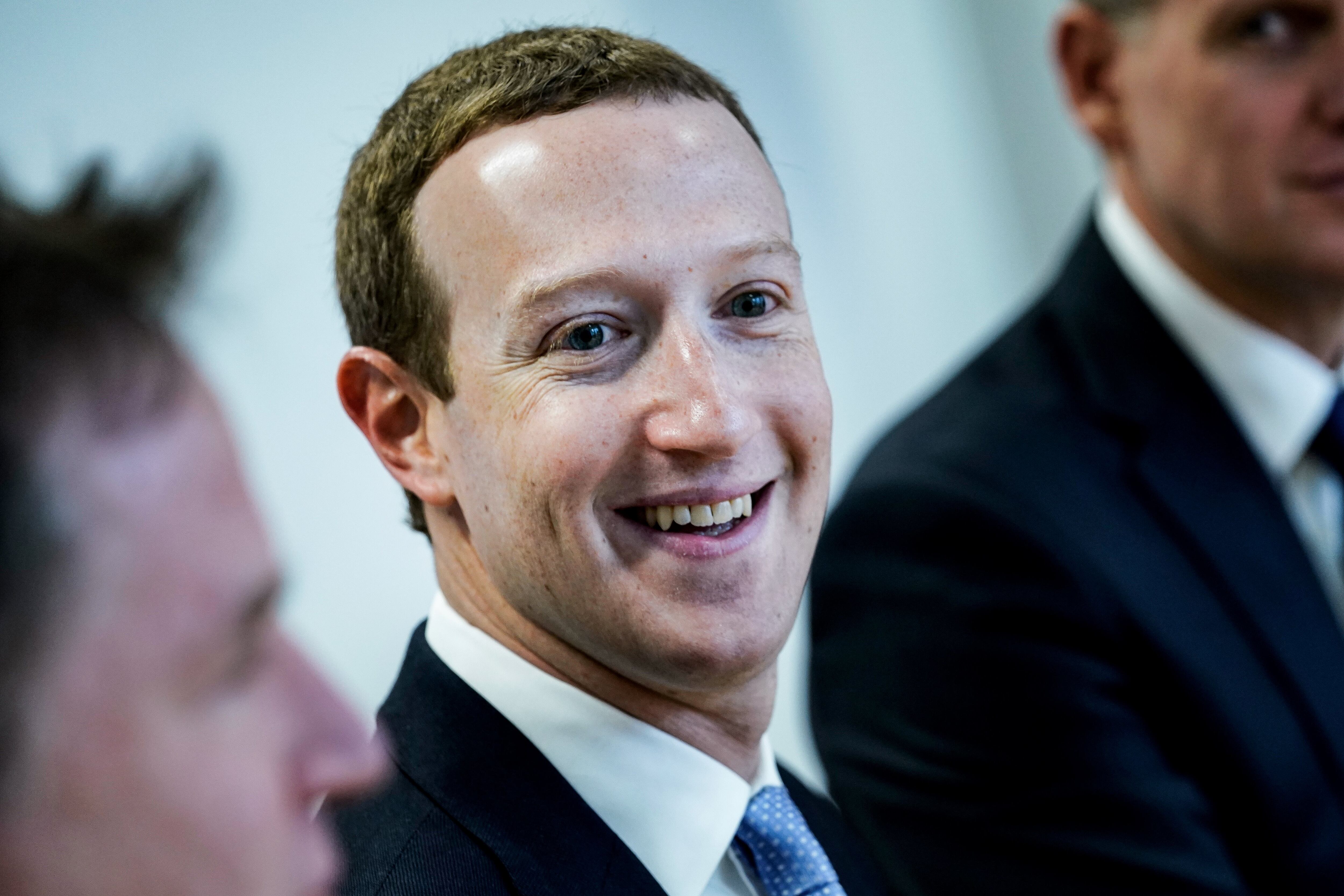
Mark Zuckerberg and his wife Priscilla Chan have donated $25 million through their foundation to a philanthropic effort organized by Bill Gates to explore new coronavirus treatments.
The Gates Foundation donated $50 million last week to what it’s calling the “COVID-19 Therapeutics Accelerator.” The initiative brings together life sciences companies to collaborate on the development of new vaccines, diagnostics, and treatments for COVID-19.
“The Therapeutics Accelerator will enable researchers to quickly determine whether or not existing drugs have a potential benefit against COVID-19,” Chan and Zuckerberg said in a press release. “We hope these coordinated efforts will help stop the spread of COVID-19 as well as provide shared, reusable strategies to respond to future pandemics.”
The two donations are the largest from tech billionaires since the coronavirus outbreak. Wellcome and Mastercard are supporting the effort as well.
The goal of the initiative is to either develop a new drug or adapt an existing treatment that it could help distribute alongside partnering pharmaceutical companies.
The 15 companies participating in the project kicked off the effort by sharing their proprietary libraries of molecular compounds that have some history of being tested with COVID-19.
The lineup includes big names in biotech such as Johnson & Johnson, Merck, Pfizer, Sanofi, and Bristol-Myers Squibb.
The social media company is worried its Chinese roots could get in the way of growth opportunities and is now considering ideas like moving operations to Singapore and rebranding the app in the U.S., according to a report.
Thousands of accounts were reportedly posted on Reddit and hacker forums. Disney+ users flocked to Twitter and Reddit to complain.
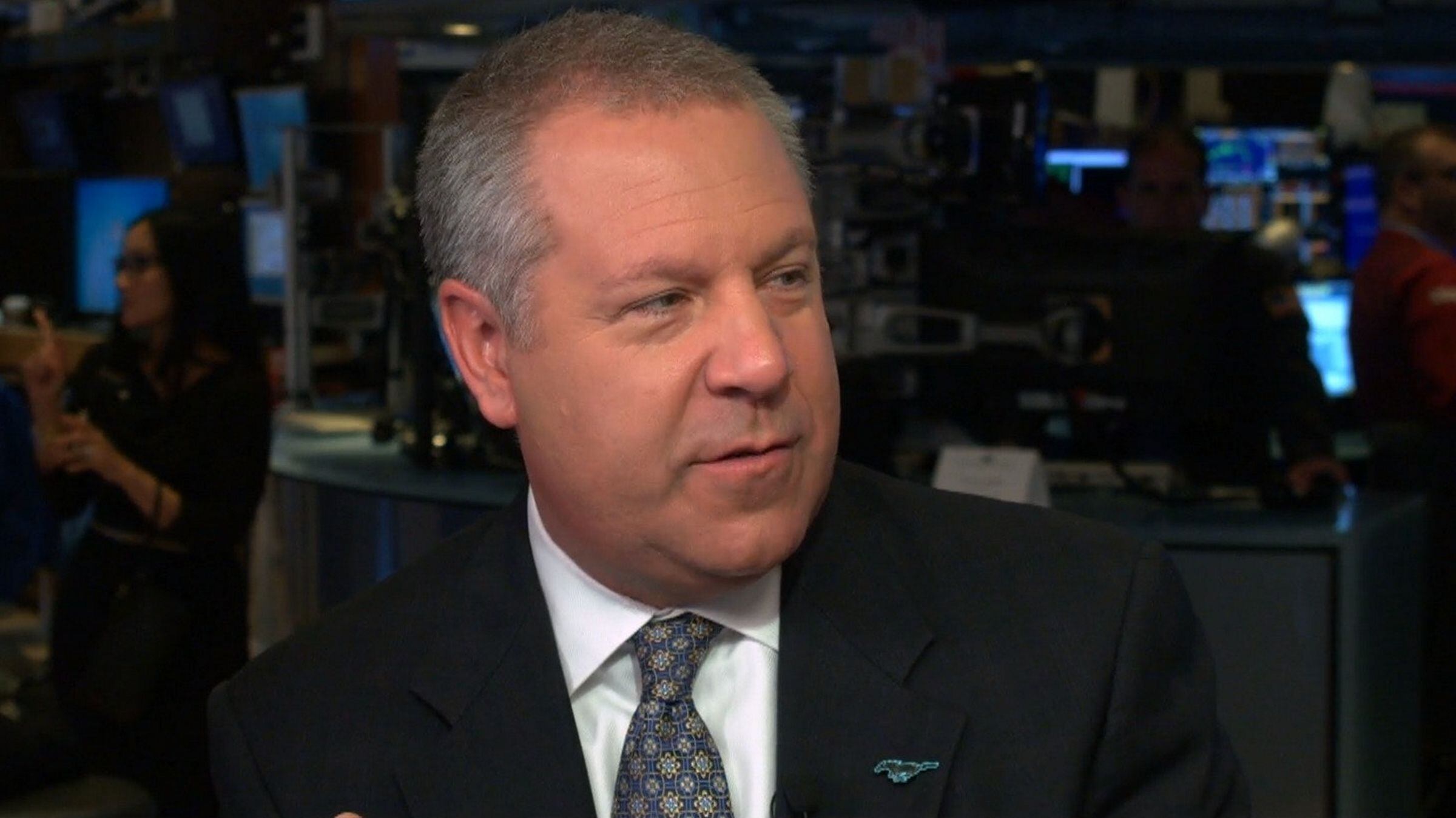
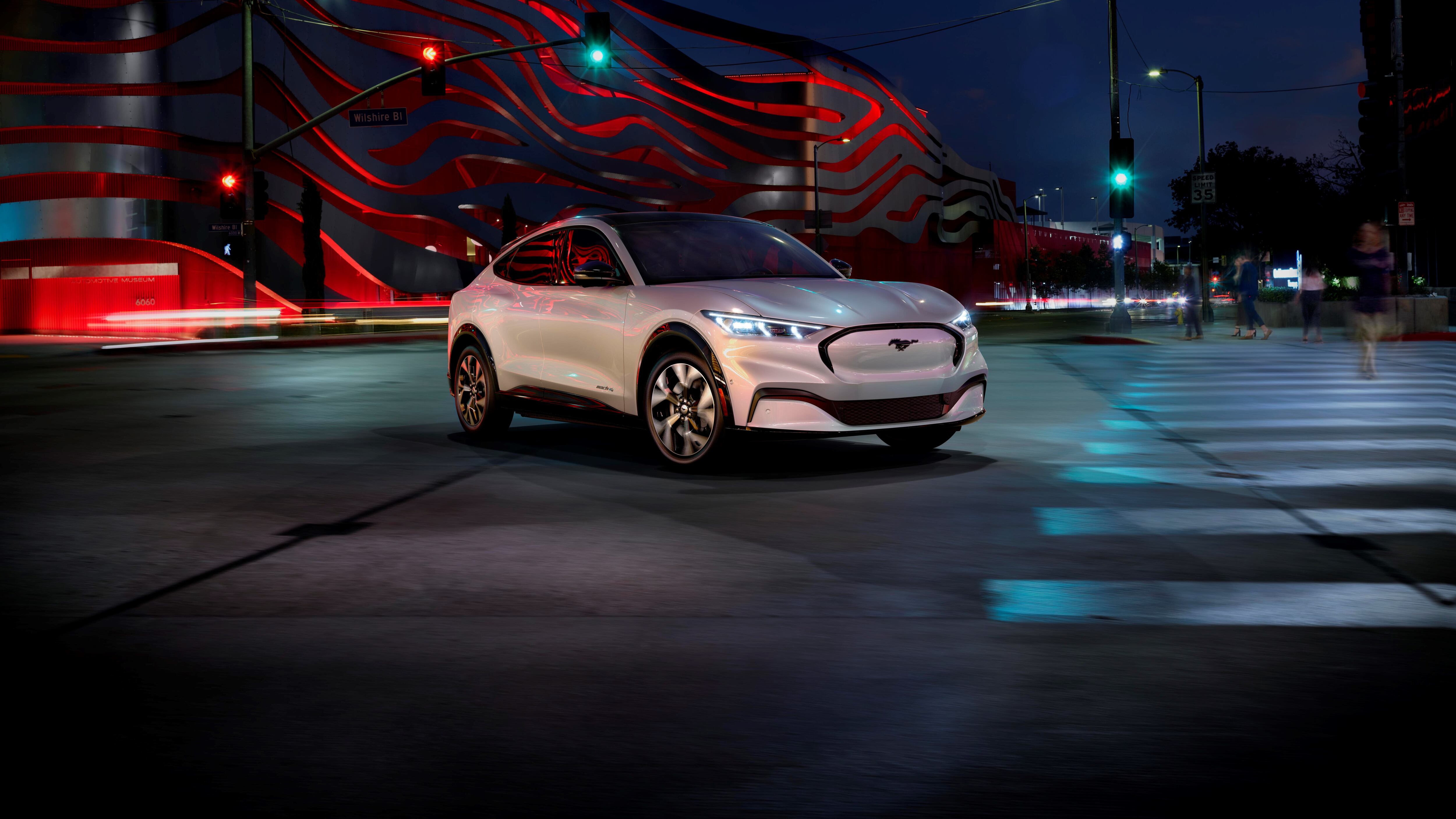
The automaker expanded its lineup of the iconic Mustang model with an all-electric version — and the line's first SUV. "It's time to transition to electrification," Ford president of automotive Joe Hinrichs told Cheddar Monday.
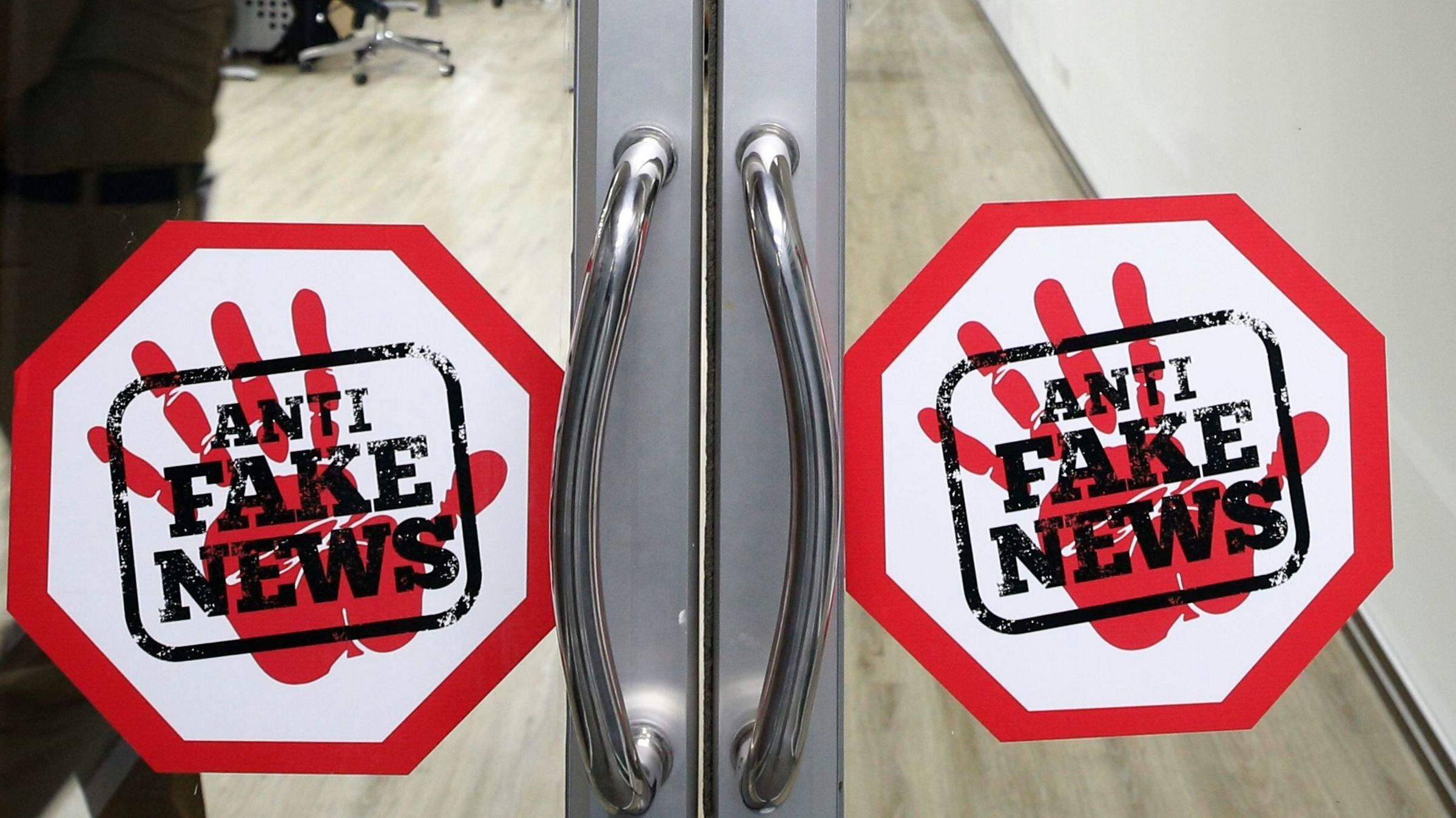
The CEO of ad cybersecurity firm CHEQ, Guy Tytunovich, told Cheddar that "fake news" is a "major, major problem" costing people control of their lives globally.
These are the headlines you Need 2 Know.
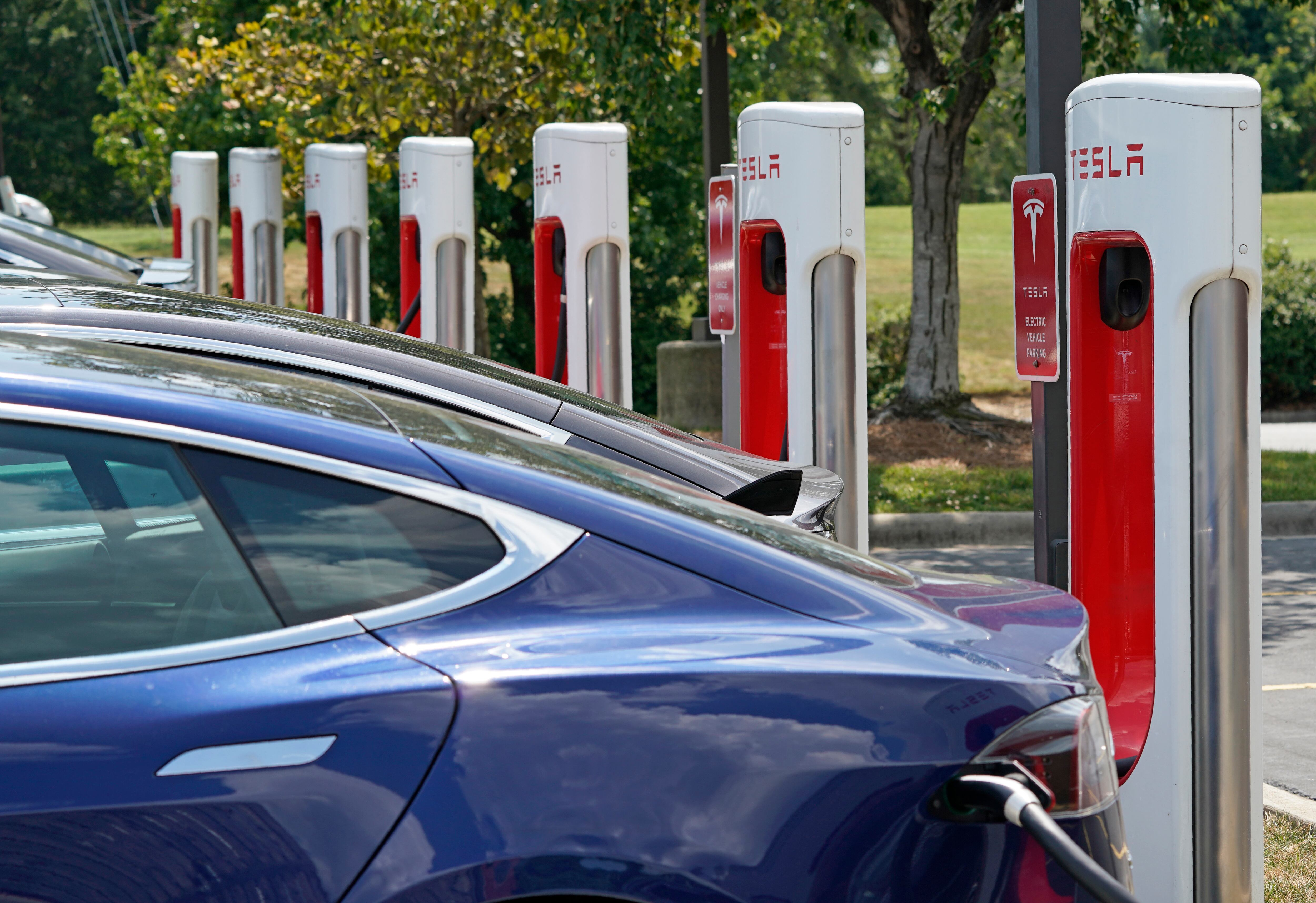
Electric vehicle charging plans are still 'in the dark ages' according to StreetLight Data and so-called "range anxiety" remains one of the most stubborn challenges facing broader adoption of battery-powered cars and SUVs.
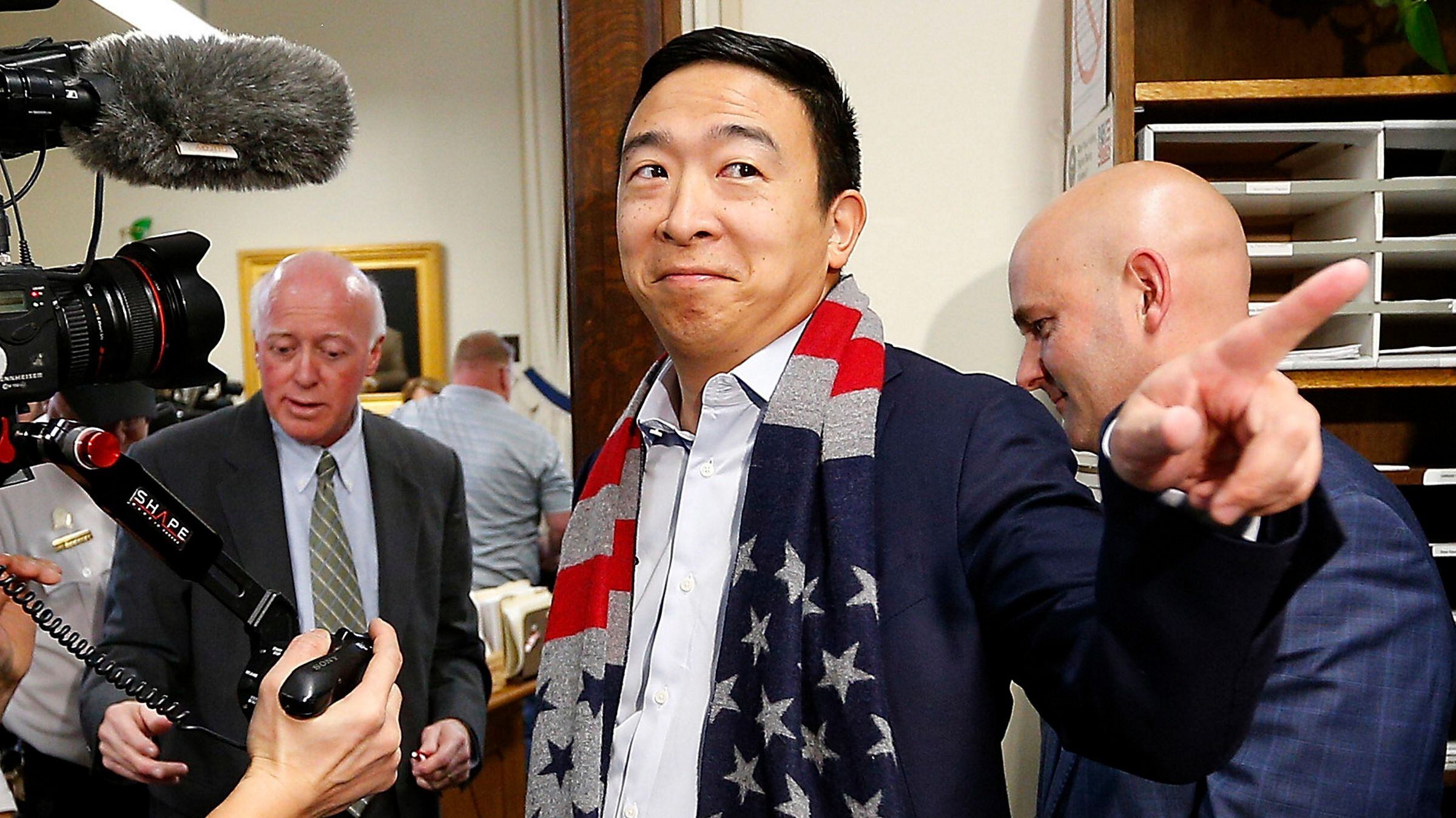
While grassroots support is nothing new, the online nature of Yang supporters shows how outsider campaigns with less infrastructure leverage technology and online spaces to get noticed.
Ford on Sunday unveiled its all-electric Mustang Mach-E, a curvy four-door SUV that, with the iconic pony logo, is helping the automaker race into a new era that will be marked by an “all-in” $11.5 billion investment in 16 electric vehicles over the next three years.
The surprise rejection of Amazon Web Service's bid on October 25 raised eyebrows because the company had appeared to be the frontrunner thanks to its extensive experience with cloud computing.
The battery-powered vehicle — long-teased as a “Mustang-inspired” SUV — will officially join the Mustang line as the Mustang Mach-E.