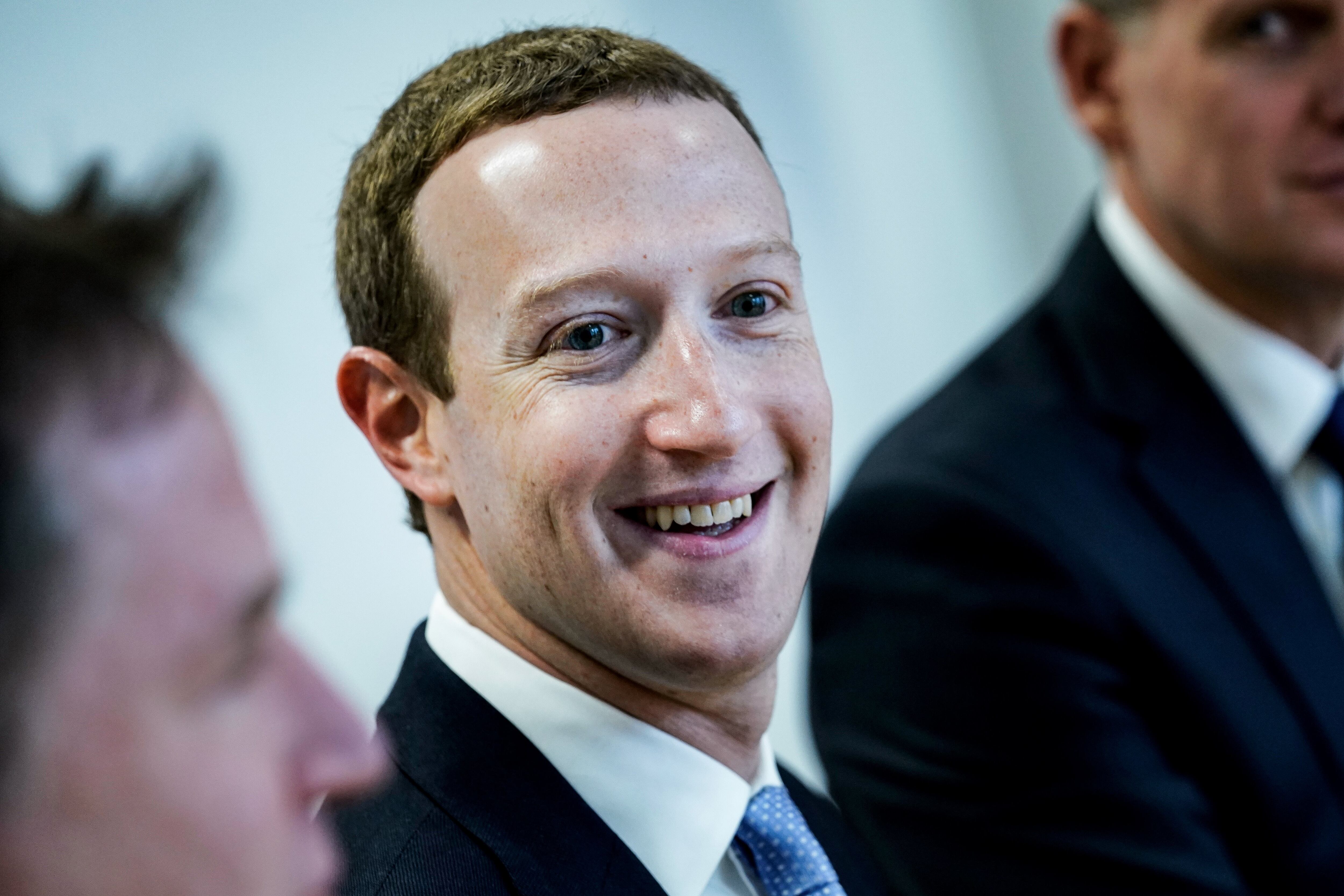
Mark Zuckerberg and his wife Priscilla Chan have donated $25 million through their foundation to a philanthropic effort organized by Bill Gates to explore new coronavirus treatments.
The Gates Foundation donated $50 million last week to what it’s calling the “COVID-19 Therapeutics Accelerator.” The initiative brings together life sciences companies to collaborate on the development of new vaccines, diagnostics, and treatments for COVID-19.
“The Therapeutics Accelerator will enable researchers to quickly determine whether or not existing drugs have a potential benefit against COVID-19,” Chan and Zuckerberg said in a press release. “We hope these coordinated efforts will help stop the spread of COVID-19 as well as provide shared, reusable strategies to respond to future pandemics.”
The two donations are the largest from tech billionaires since the coronavirus outbreak. Wellcome and Mastercard are supporting the effort as well.
The goal of the initiative is to either develop a new drug or adapt an existing treatment that it could help distribute alongside partnering pharmaceutical companies.
The 15 companies participating in the project kicked off the effort by sharing their proprietary libraries of molecular compounds that have some history of being tested with COVID-19.
The lineup includes big names in biotech such as Johnson & Johnson, Merck, Pfizer, Sanofi, and Bristol-Myers Squibb.
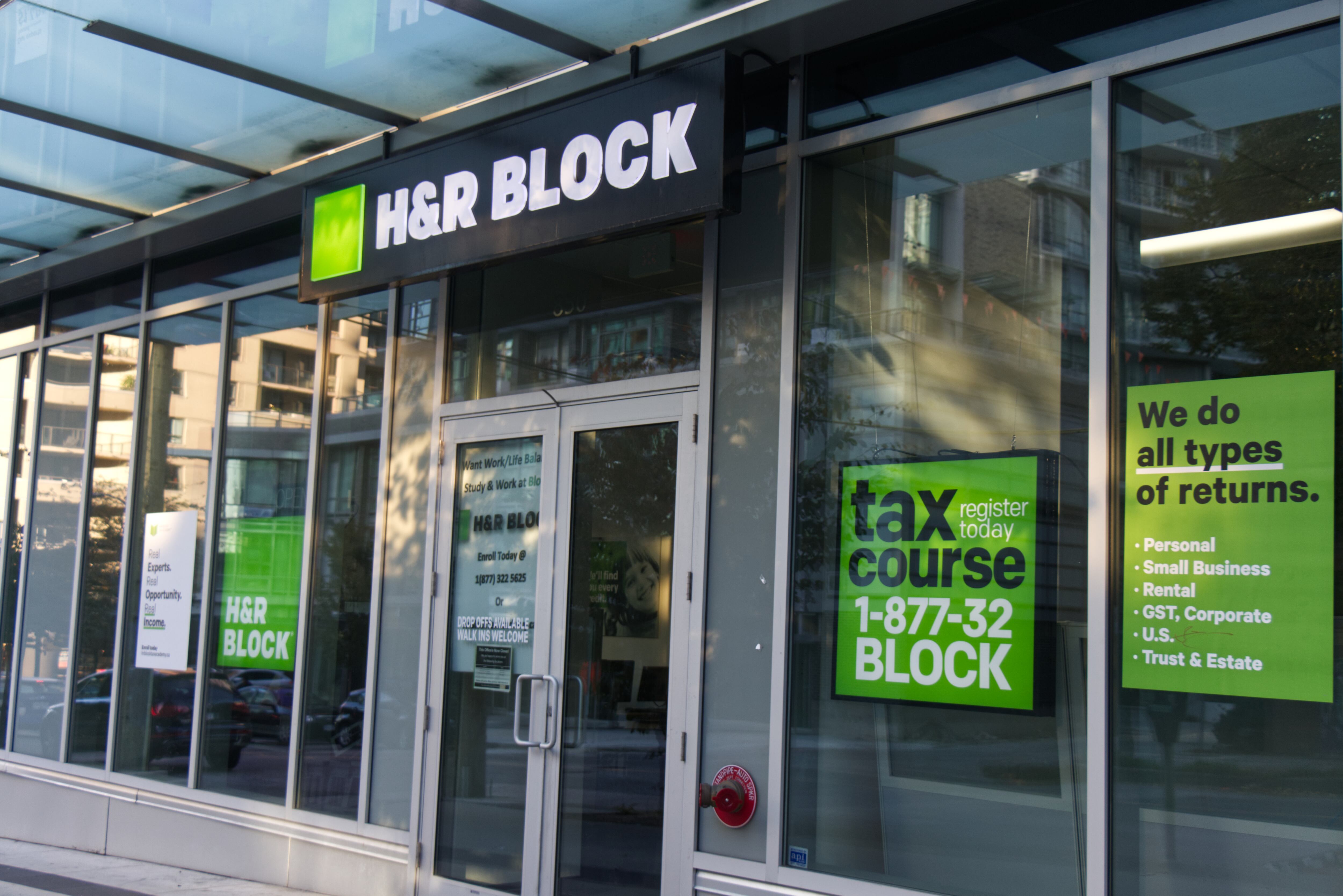
The company has promoted its Tax Pro Go option, which allows customers to upload their tax documents digitally and leave the rest to a trained tax professional.
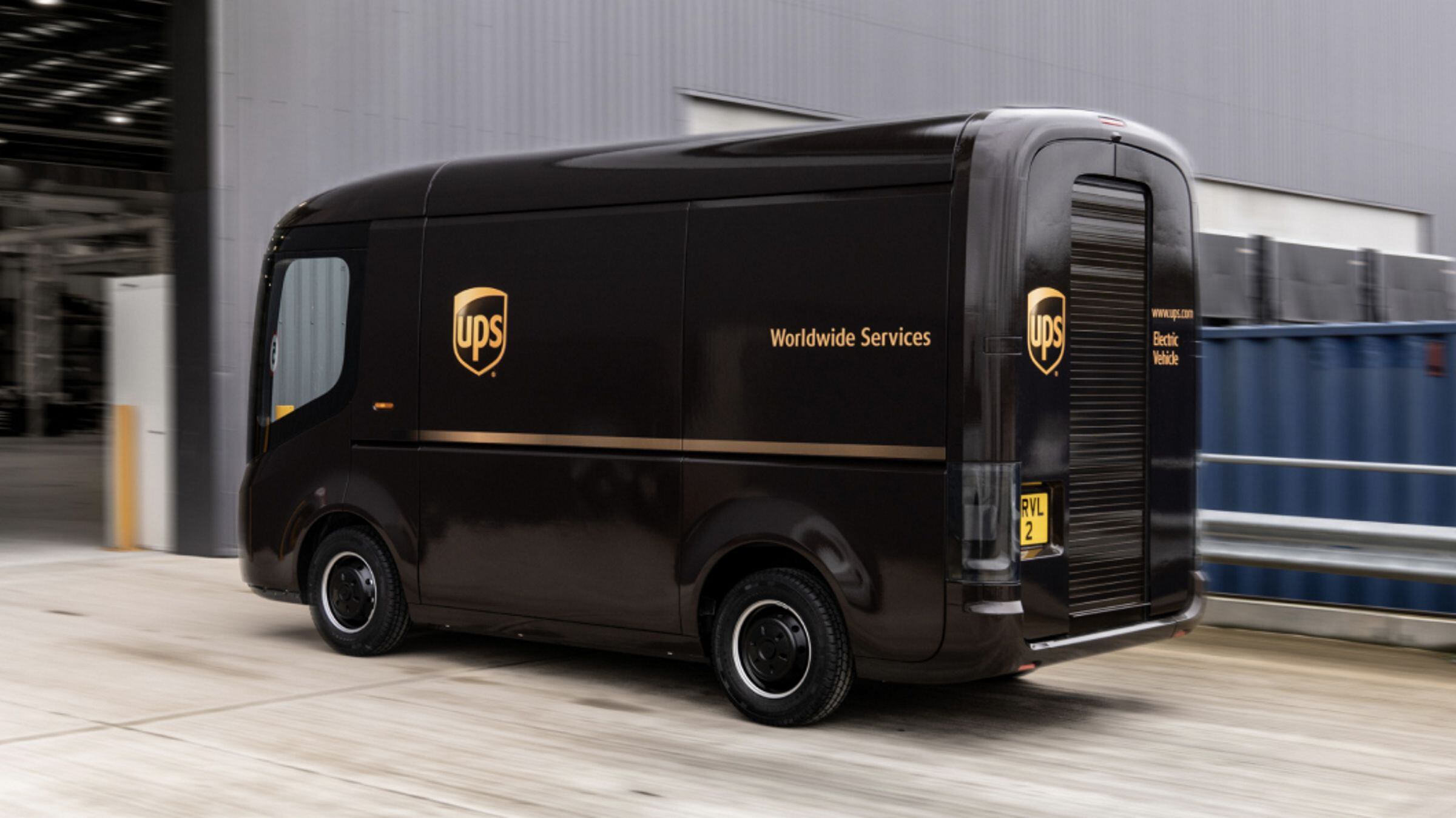
The move by UPS represents a $440 million investment over the next five years, and it is part of the delivery service's minority stake in Arrival, which it purchased at an undisclosed sum.
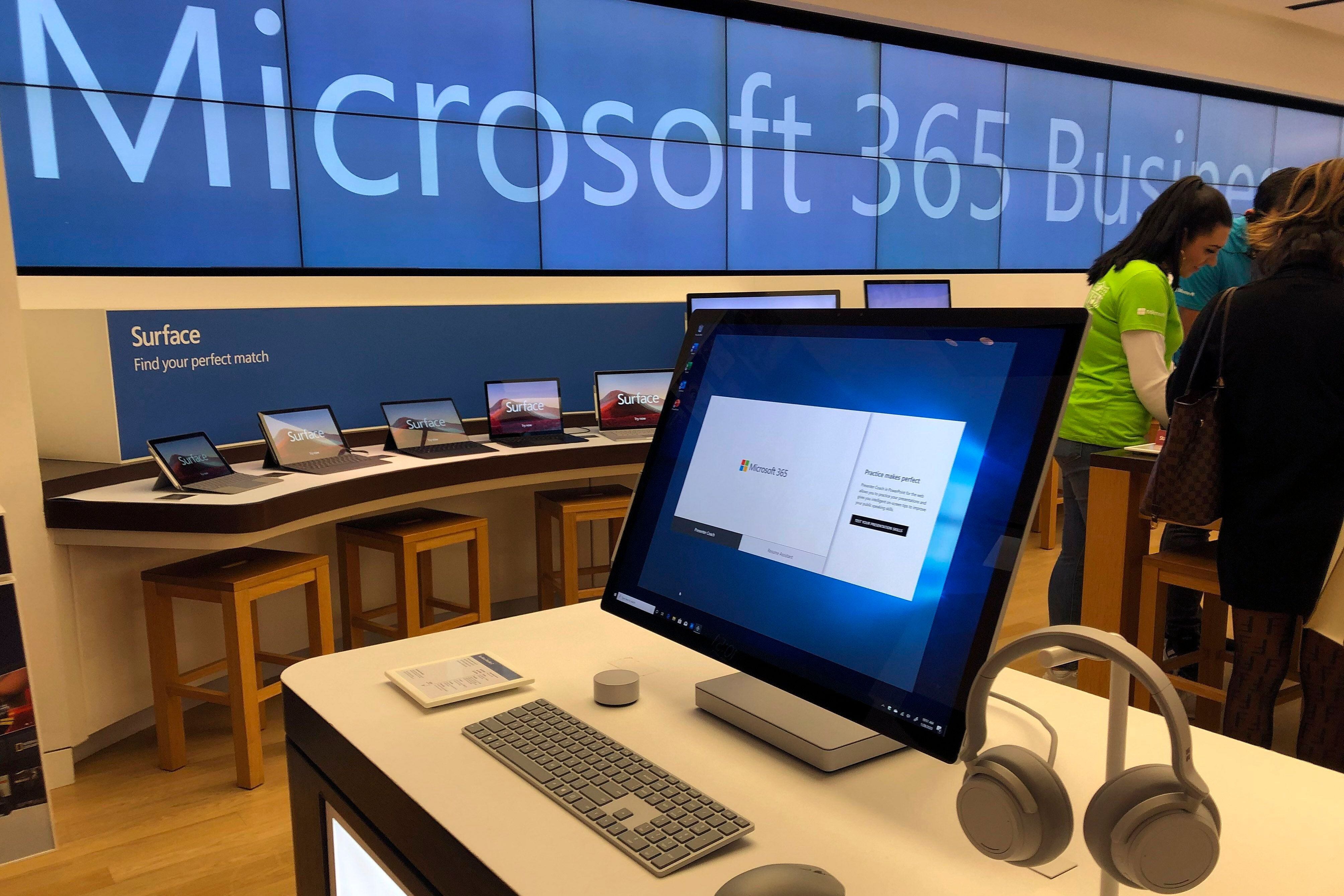
The company reported fiscal first-quarter profit of $11.6 billion, up 36% from the same period last year. Net income of $1.51 per share beat Wall Street expectations.
The Palo Alto, California, company said it made a net profit of $105 million from October through December, or 58 cents per share but still posted an annual loss of $862 million.
Despite beating the Street's expectations, Facebook shares went down more than 7 percent in after-hours trading. While the company is still growing, the numbers could signify a slowdown ahead with more digital advertising platforms entering the market as well as looming regulation.
Aircraft surveillance company Aireon is riding the wave of adoption of the satellite ADS-B surveillance network to replace radar in its role of air traffic control.
Ford's luxury line, Lincoln, announced plans to release an electric pickup truck in partnership with Rivian.
Apple's fiscal first-quarter results released Tuesday provided the latest proof that the fears hanging over the consumer electronics icon might have been unfounded. The company's profits and revenue topped analyst projections.
The human resources tech platform company brings its total funding to $143 million with the investment led by Union Square Ventures and FirstMark Capital.
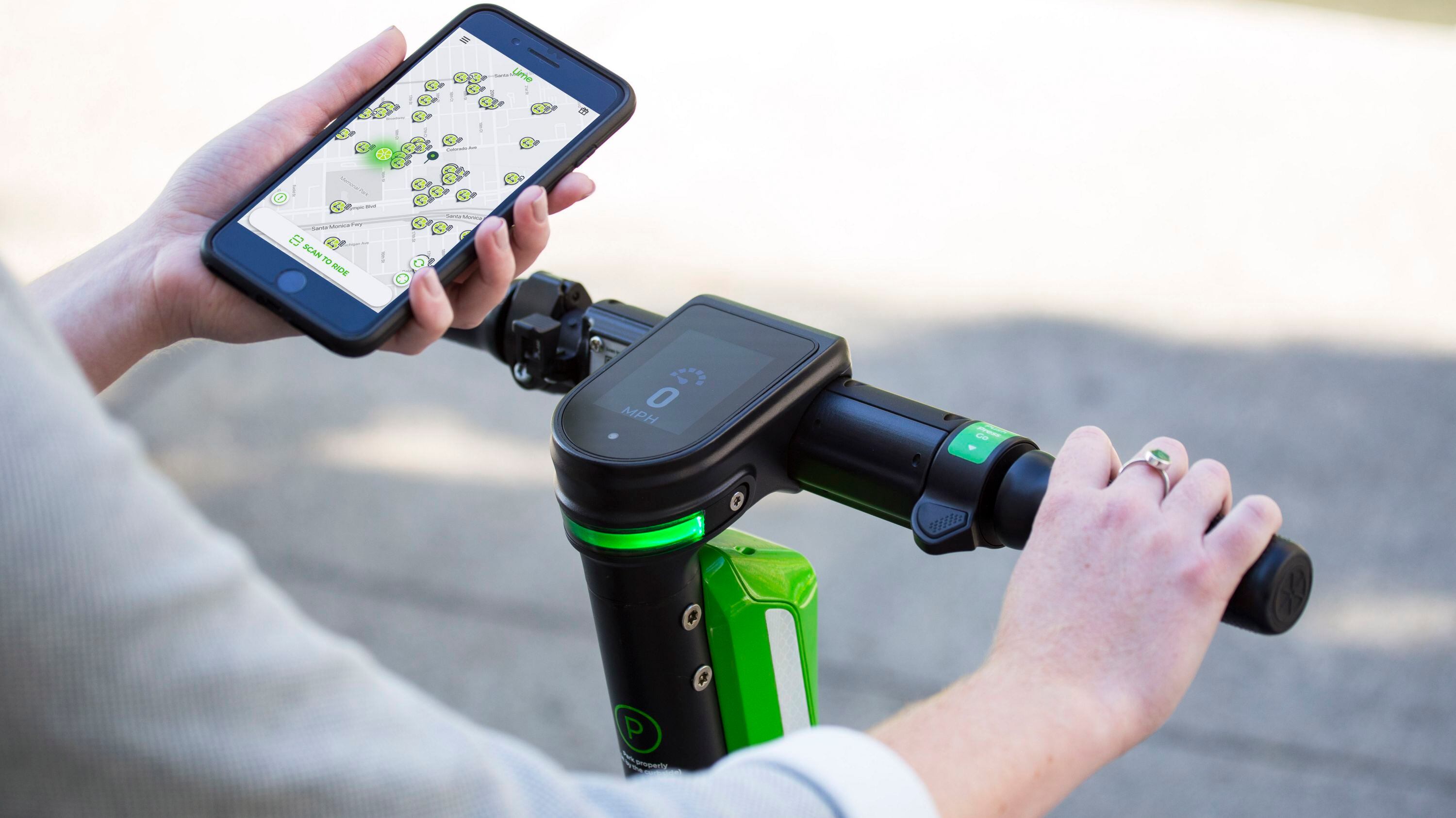
The pilot program, rolled out in San José, aims to deter what has become a major source of side-eye – and safety concerns – for Lime and similar micromobility offerings.