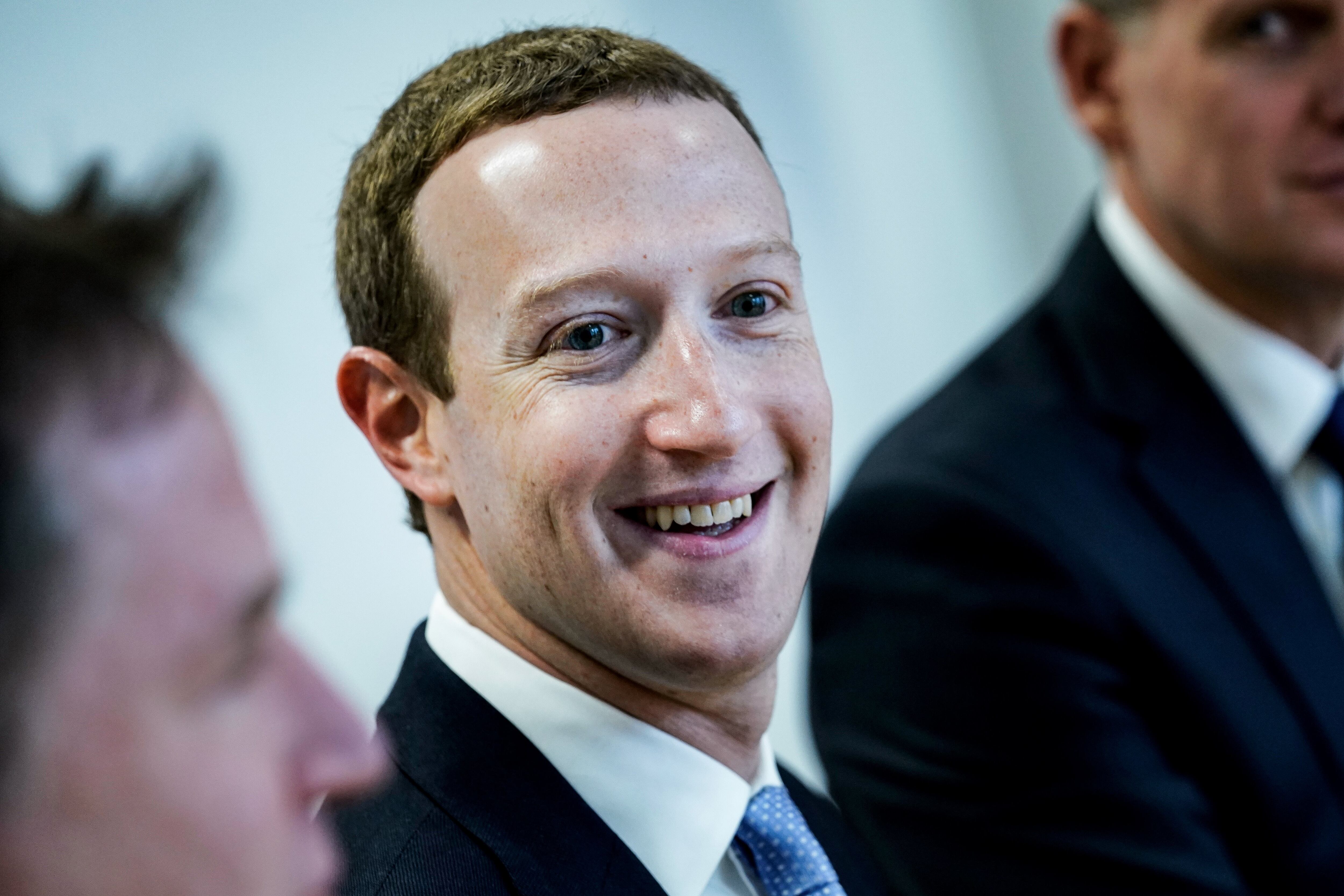
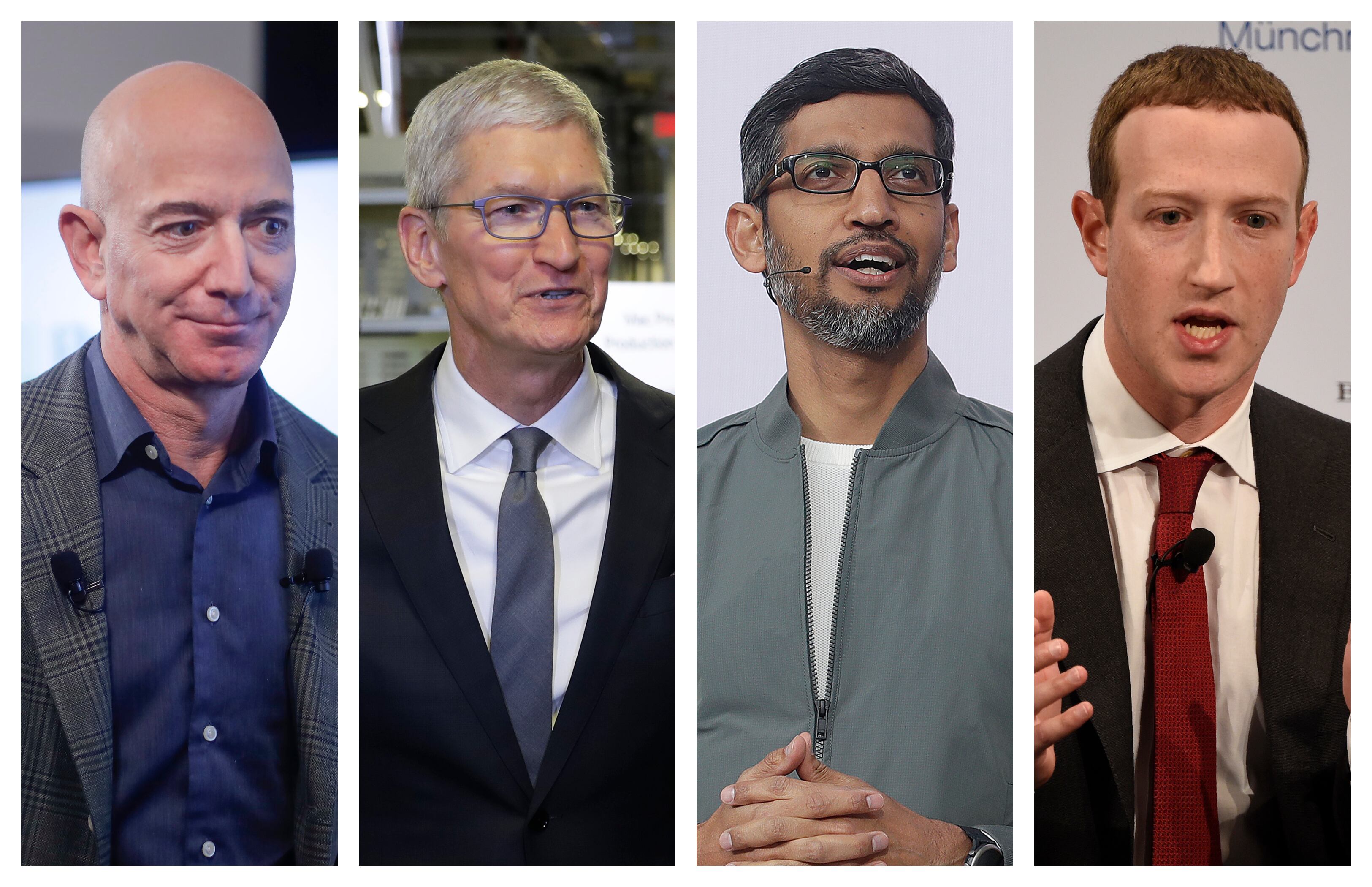
Mark Zuckerberg and his wife Priscilla Chan have donated $25 million through their foundation to a philanthropic effort organized by Bill Gates to explore new coronavirus treatments.
The Gates Foundation donated $50 million last week to what it’s calling the “COVID-19 Therapeutics Accelerator.” The initiative brings together life sciences companies to collaborate on the development of new vaccines, diagnostics, and treatments for COVID-19.
“The Therapeutics Accelerator will enable researchers to quickly determine whether or not existing drugs have a potential benefit against COVID-19,” Chan and Zuckerberg said in a press release. “We hope these coordinated efforts will help stop the spread of COVID-19 as well as provide shared, reusable strategies to respond to future pandemics.”
The two donations are the largest from tech billionaires since the coronavirus outbreak. Wellcome and Mastercard are supporting the effort as well.
The goal of the initiative is to either develop a new drug or adapt an existing treatment that it could help distribute alongside partnering pharmaceutical companies.
The 15 companies participating in the project kicked off the effort by sharing their proprietary libraries of molecular compounds that have some history of being tested with COVID-19.
The lineup includes big names in biotech such as Johnson & Johnson, Merck, Pfizer, Sanofi, and Bristol-Myers Squibb.
Garret Reisman talks difficulty of returning to Earth from space as Nasa and SpaceX prepare for a return mission.
While the U.S. economy shrank at an annualized rate of 32.9 percent during the second quarter, the downturn didn't seem to affect Facebook at all.
Authorities say British man, a Florida man and a Florida teen hacked the Twitter accounts of prominent politicians, celebrities and technology moguls to scam people around the globe out of more than $100,000 in Bitcoin.
From Wall Street to Silicon Valley, these are the top stories that moved markets and had investors, business leaders, and entrepreneurs talking this week on Cheddar.
New York City has over 6,000 high rise buildings and for the last 75 years most of the skyscrapers built were constructed with glass facades. This trend has continued in cities across the world like London, Moscow, and Shanghai. But over the years, the drawbacks have become more prominent. They may look like elegant symbols of modernity, but beyond that shimmer is a list of problems that has some leaders proposing bans. All that beauty comes at a price.
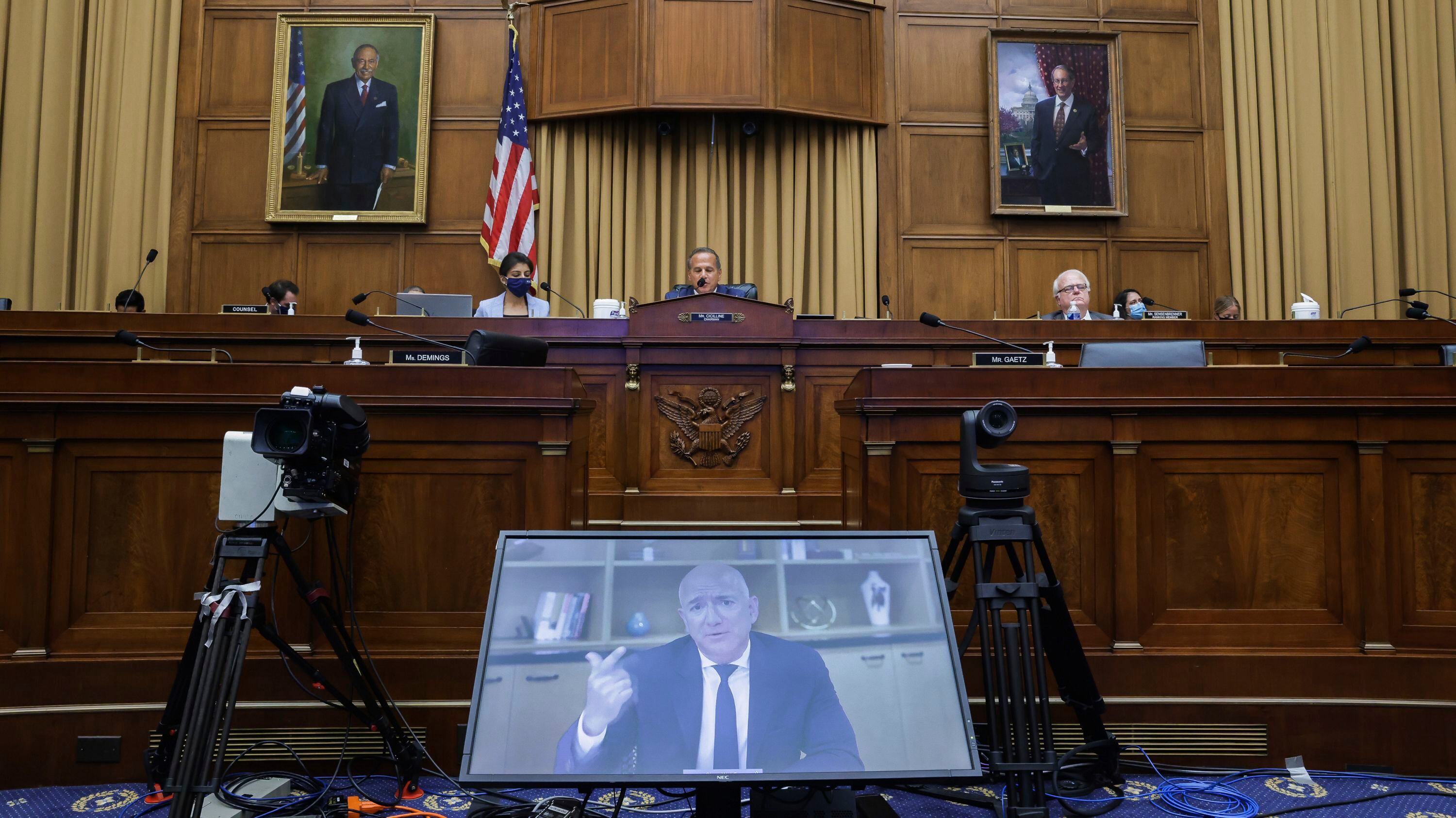
Four Big Tech CEOs are fending off accusations of stifling competition in front of a congressional panel that is investigating market dominance in the industry.
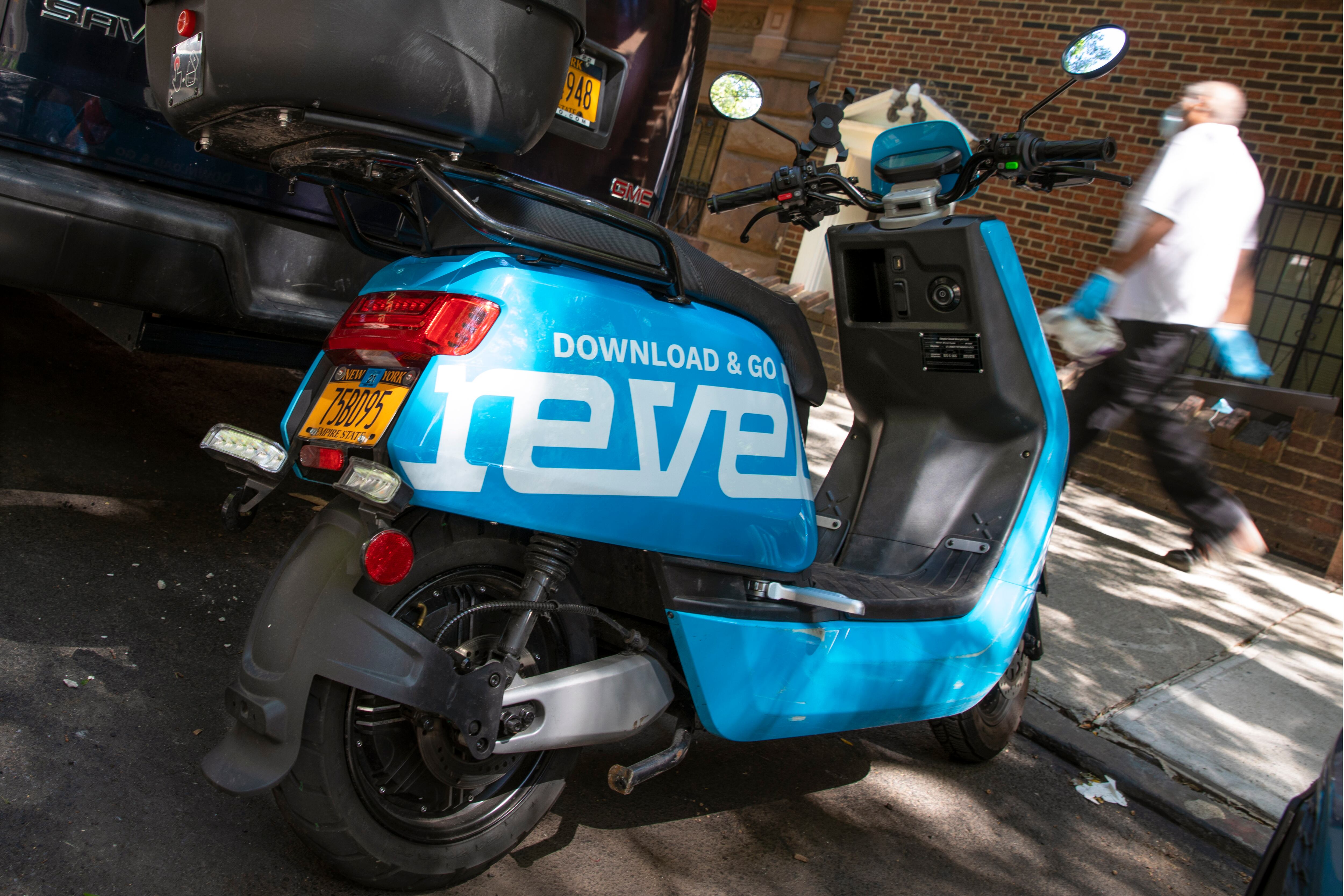
A ride-sharing scooter startup said Tuesday it is suspending operations in New York City after a second fatal crash in less than two weeks.
Plus.AI co-founder, Shawn Kerrigan, says the future of the trucking industry lies in autonomous technology. Kerrigan expects the industry to move into full autonomy by 2024.
From Wall Street to Silicon Valley, these are the top stories that moved markets and had investors, business leaders, and entrepreneurs talking this week on Cheddar.
Amgen Foundation is doubling down on its support for virtual education platform Khan Academy with a $3 million grant.