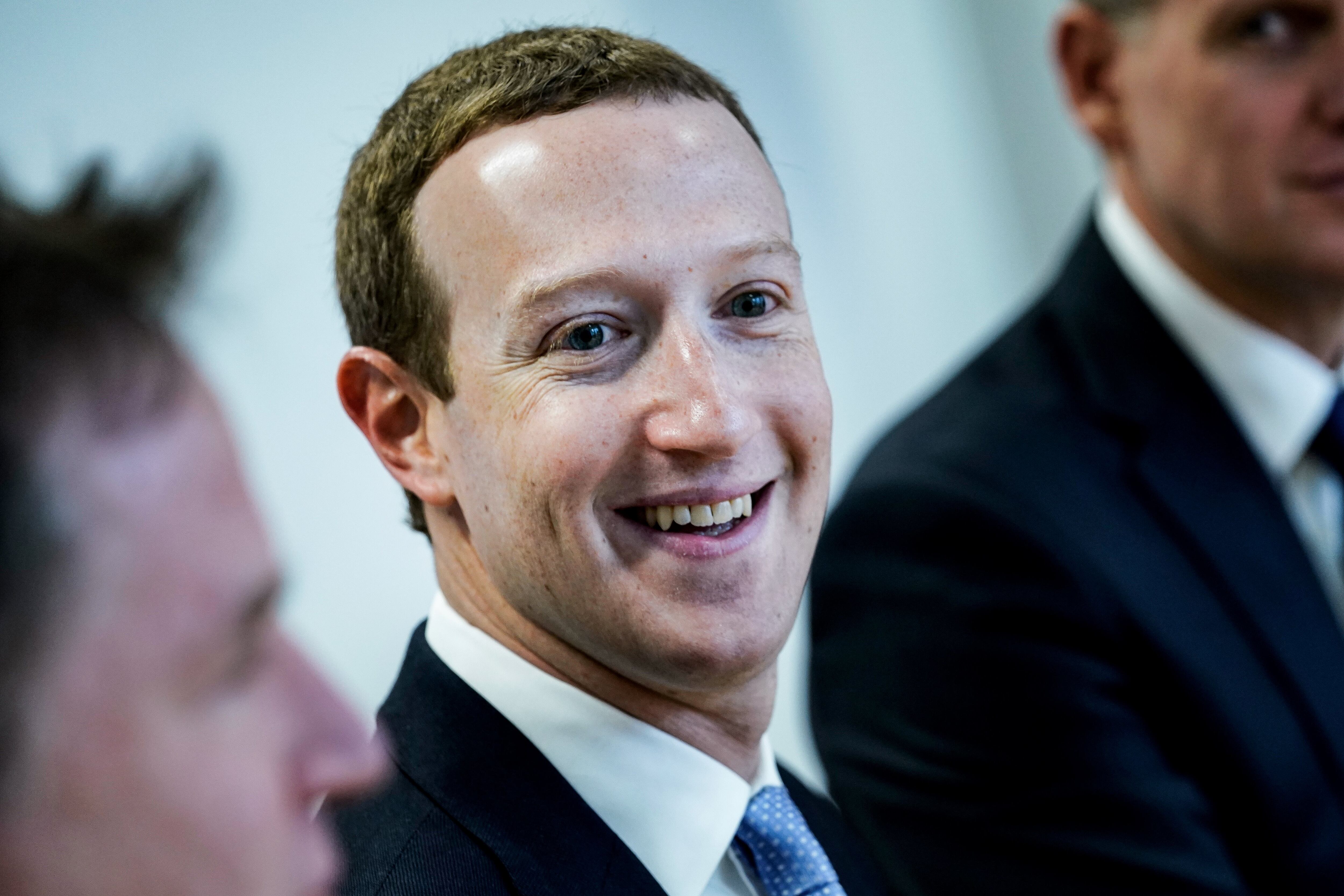
Mark Zuckerberg and his wife Priscilla Chan have donated $25 million through their foundation to a philanthropic effort organized by Bill Gates to explore new coronavirus treatments.
The Gates Foundation donated $50 million last week to what it’s calling the “COVID-19 Therapeutics Accelerator.” The initiative brings together life sciences companies to collaborate on the development of new vaccines, diagnostics, and treatments for COVID-19.
“The Therapeutics Accelerator will enable researchers to quickly determine whether or not existing drugs have a potential benefit against COVID-19,” Chan and Zuckerberg said in a press release. “We hope these coordinated efforts will help stop the spread of COVID-19 as well as provide shared, reusable strategies to respond to future pandemics.”
The two donations are the largest from tech billionaires since the coronavirus outbreak. Wellcome and Mastercard are supporting the effort as well.
The goal of the initiative is to either develop a new drug or adapt an existing treatment that it could help distribute alongside partnering pharmaceutical companies.
The 15 companies participating in the project kicked off the effort by sharing their proprietary libraries of molecular compounds that have some history of being tested with COVID-19.
The lineup includes big names in biotech such as Johnson & Johnson, Merck, Pfizer, Sanofi, and Bristol-Myers Squibb.
Despite China's cryptocurrency crackdown, many in the industry are making the case that crypto's demise is not yet a done deal in the world's second-largest economy.
Video-sharing tech platform YouTube on Wednesday announced immediate bans on false claims that vaccines are dangerous and cause health issues like autism, cancer or infertility.
Alex Bell, a Post-Doctoral Scholar at UCLA, joins 'Cheddar Reveals' to discuss how exposure to innovation influences who becomes an inventor and how much genius has been lost over the years.
Instagram is putting a hold on the development of Instagram kids, geared towards children under 13, so it can address concerns about the vulnerability of younger users.
We're living in uncertain times due to the pandemic, and that means more flexible especially when we travel, according to top travel experts at Skift Global Forum 2021 in New York.
Powell on Wednesday shed new light on the possibility of launching a central bank digital currency (CBDC) in the U.S., and stakeholders in the worlds of both monetary policy and cryptocurrency took notice.
China’s central bank has declared all transactions involving Bitcoin and other virtual currencies illegal, stepping up a campaign to block use of unofficial digital money.
Neopets are making a new kind of comeback, this time in the form of non-fungible tokens (NFTs).
The European Union is unveiling plans that would require smartphone makers to adopt a single charging method for mobile devices.
Facebook's semi-independent oversight board says it will review the company's "XCheck," or cross check system following an investigation by The Wall Street Journal into the use of an internal system that has exempted high-profile users from some or all of its rules.