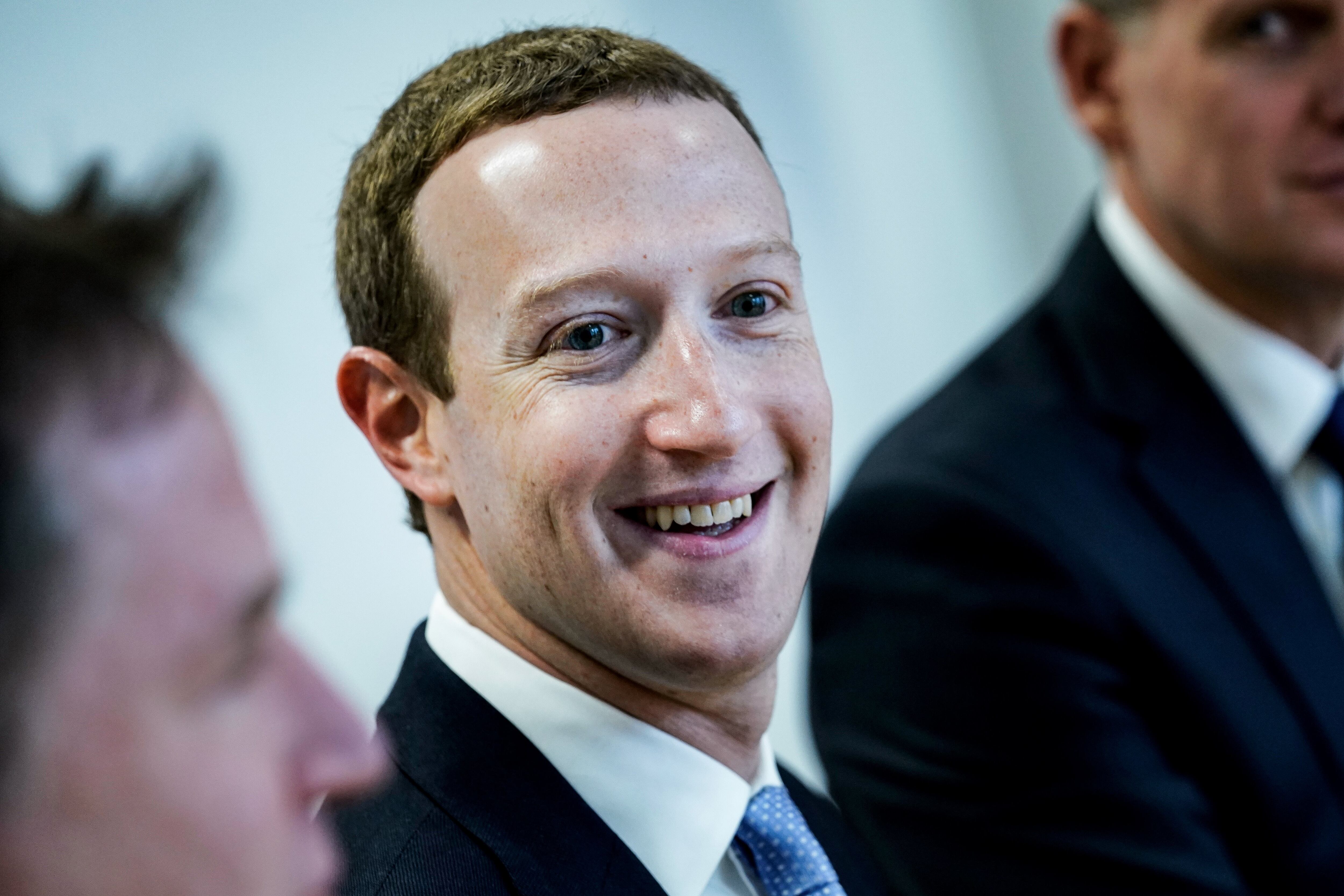
Mark Zuckerberg and his wife Priscilla Chan have donated $25 million through their foundation to a philanthropic effort organized by Bill Gates to explore new coronavirus treatments.
The Gates Foundation donated $50 million last week to what it’s calling the “COVID-19 Therapeutics Accelerator.” The initiative brings together life sciences companies to collaborate on the development of new vaccines, diagnostics, and treatments for COVID-19.
“The Therapeutics Accelerator will enable researchers to quickly determine whether or not existing drugs have a potential benefit against COVID-19,” Chan and Zuckerberg said in a press release. “We hope these coordinated efforts will help stop the spread of COVID-19 as well as provide shared, reusable strategies to respond to future pandemics.”
The two donations are the largest from tech billionaires since the coronavirus outbreak. Wellcome and Mastercard are supporting the effort as well.
The goal of the initiative is to either develop a new drug or adapt an existing treatment that it could help distribute alongside partnering pharmaceutical companies.
The 15 companies participating in the project kicked off the effort by sharing their proprietary libraries of molecular compounds that have some history of being tested with COVID-19.
The lineup includes big names in biotech such as Johnson & Johnson, Merck, Pfizer, Sanofi, and Bristol-Myers Squibb.
Ethereum has long played second fiddle to the headline-grabbing Bitcoin, but the world's second most valuable cryptocurrency has plenty of defenders who say it's destined for the throne.
Babylist, an online baby registry for expecting and new parents, recently raised $40 million a Series C round, bringing the company's total funding to $50 million. Babylist also operates as an e-commerce and content platform. The company says it aims to be a one-stop solution for first-time parents who don't know what they need to buy for their new child. Babylist also says it wants to expand to address the needs of the entire family. Babylist founder and CEO Natalie Gordon joins Cheddar News' Closing Bell to discuss.
Cheddar has been covering the biggest news of the week with some of the biggest names in the biz.
Congress has created a new requirement for automakers: Find a high-tech way to keep drunken people from driving cars.
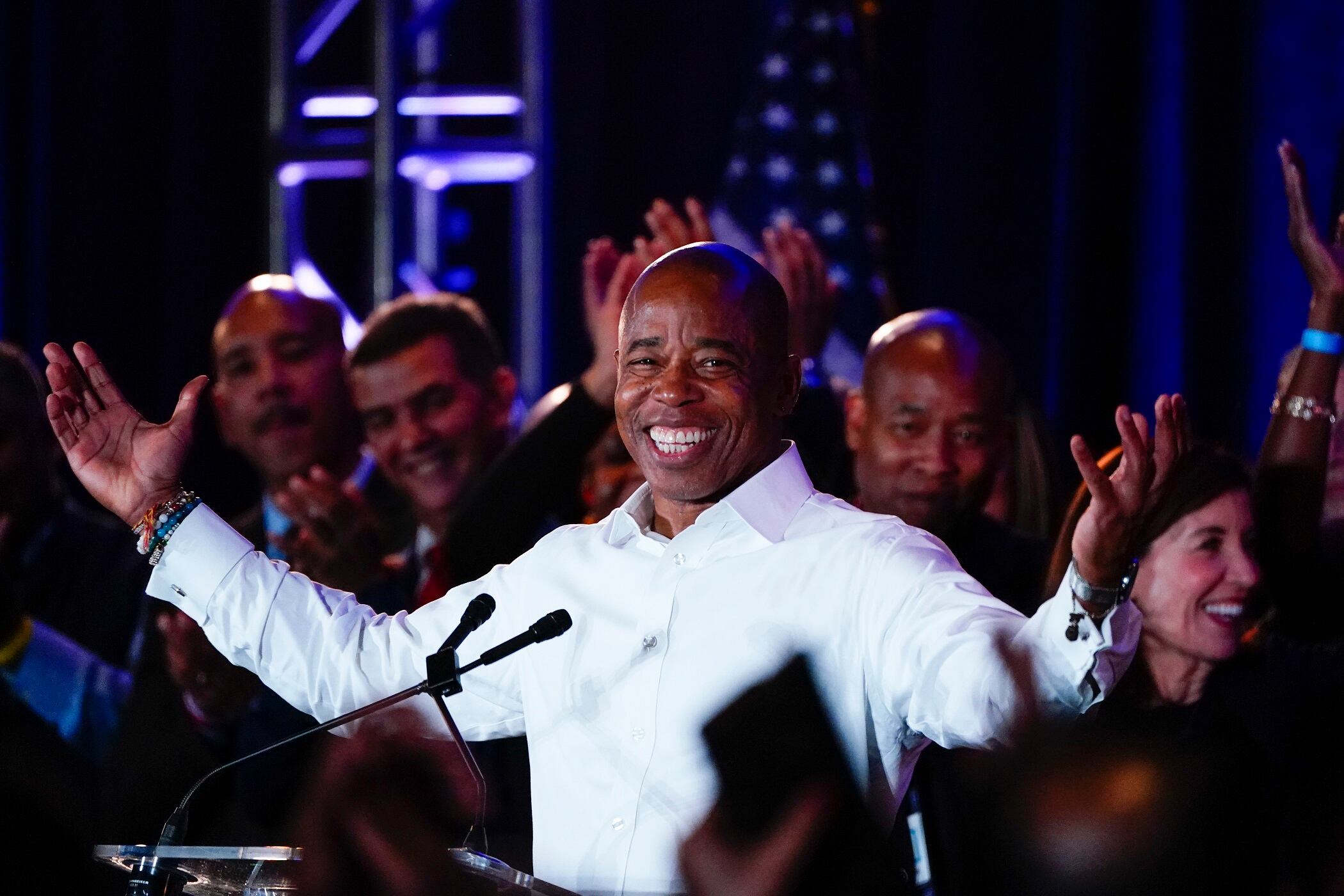
The Democrat and former police officer has since doubled down on his plans to make New York a crypto hub along the lines of Miami,
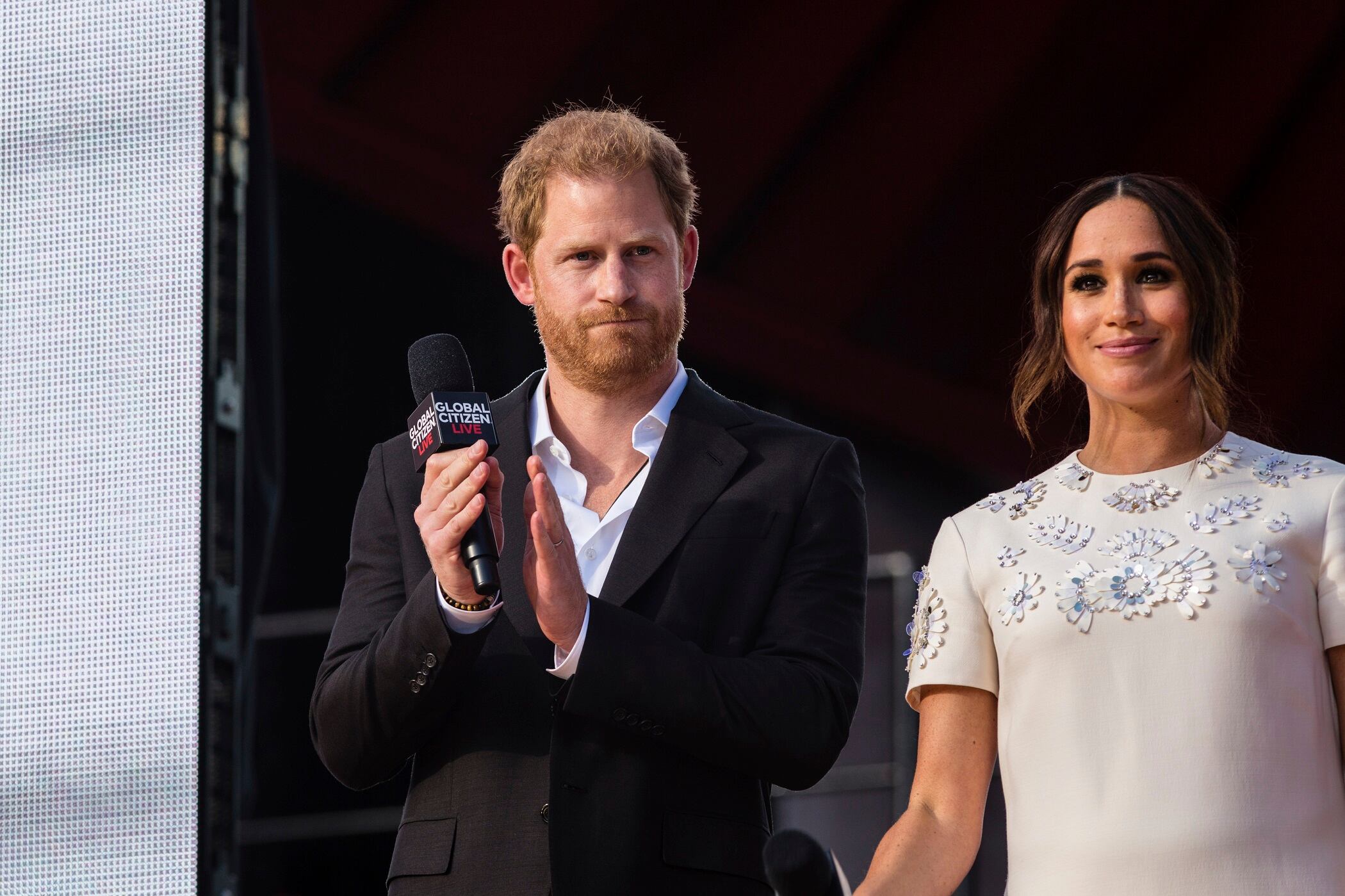
Britain’s Prince Harry has sharply attacked the failure of social media companies to challenge hate online, revealing that he warned the chief executive of Twitter ahead of the Jan. 6 Capitol riots that the site was being used to stage political unrest.
Robinhood said Monday that it suffered a security breach last week where hackers accessed some personal information for roughly 7 million users and demanded a ransom payment.
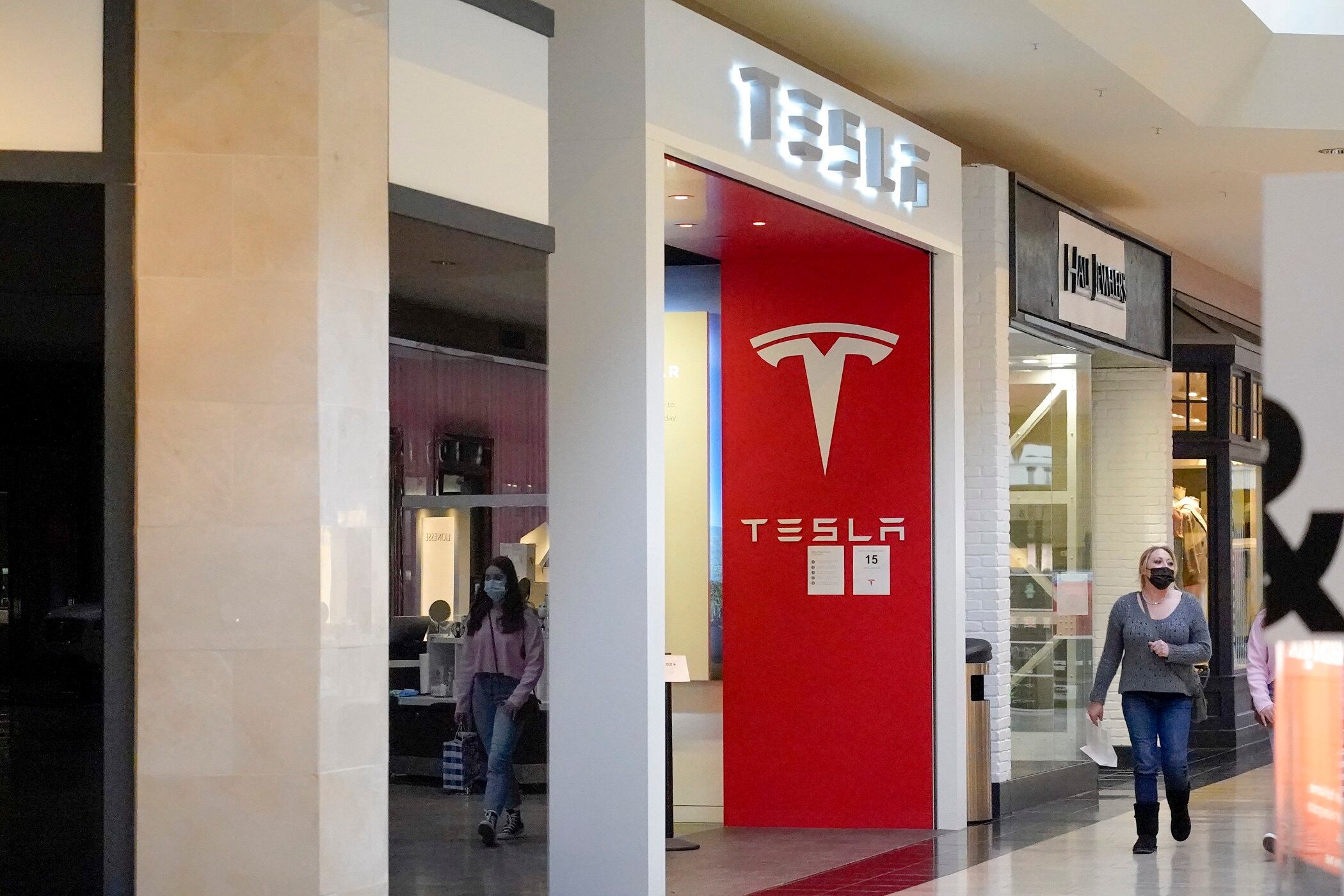
Tesla shares slumped more than 4% in premarket trading on Monday after its CEO Elon Musk said he would sell 10% of his holdings in the electric car maker based on the results of a poll he conducted on Twitter over the weekend.
WarnerMedia posted solid quarterly results with revenue surpassing $8 billion as its entertainment business continues to boom. The media and entertainment giant saw wild success with its HBO Max division, which reached nearly 70 million subscribers globally. To discuss the company's strategy for success, Cheddar senior reporter Michelle Castillo spoke to WarnerMedia CFO Jennifer Biry.
Inspired by the framework of the Paris Climate agreement, the Crypto Climate Accord (CCA) is just one industry effort to spread the message that crypto should rise to the challenge.