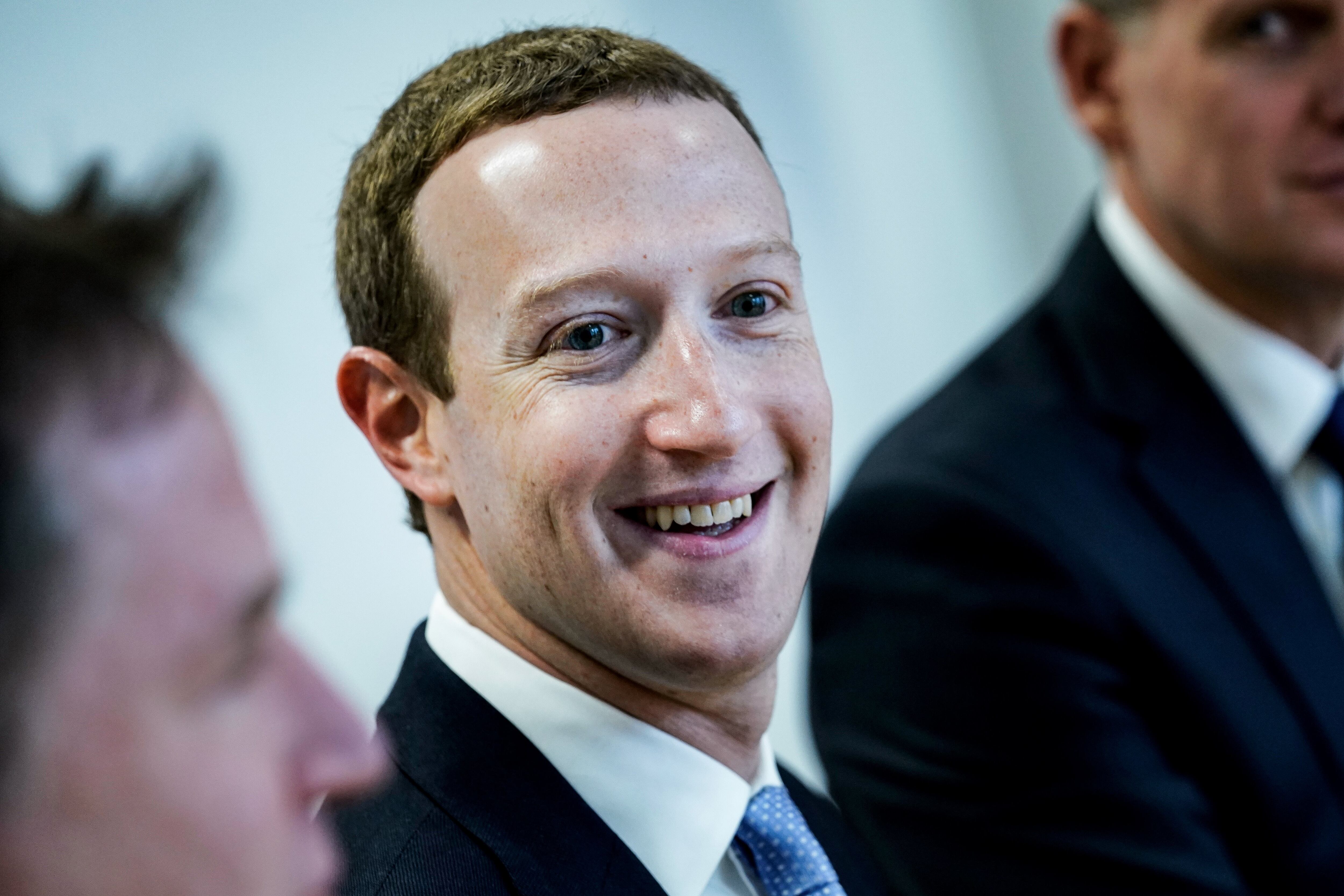
Founder and CEO of US online social media and social networking service Facebook Mark Zuckerberg. Photo by KENZO TRIBOUILLARD/AFP via Getty Images/FILE)
Mark Zuckerberg and his wife Priscilla Chan have donated $25 million through their foundation to a philanthropic effort organized by Bill Gates to explore new coronavirus treatments.
The Gates Foundation donated $50 million last week to what it’s calling the “COVID-19 Therapeutics Accelerator.” The initiative brings together life sciences companies to collaborate on the development of new vaccines, diagnostics, and treatments for COVID-19.
“The Therapeutics Accelerator will enable researchers to quickly determine whether or not existing drugs have a potential benefit against COVID-19,” Chan and Zuckerberg said in a press release. “We hope these coordinated efforts will help stop the spread of COVID-19 as well as provide shared, reusable strategies to respond to future pandemics.”
The two donations are the largest from tech billionaires since the coronavirus outbreak. Wellcome and Mastercard are supporting the effort as well.
The goal of the initiative is to either develop a new drug or adapt an existing treatment that it could help distribute alongside partnering pharmaceutical companies.
The 15 companies participating in the project kicked off the effort by sharing their proprietary libraries of molecular compounds that have some history of being tested with COVID-19.
The lineup includes big names in biotech such as Johnson & Johnson, Merck, Pfizer, Sanofi, and Bristol-Myers Squibb.
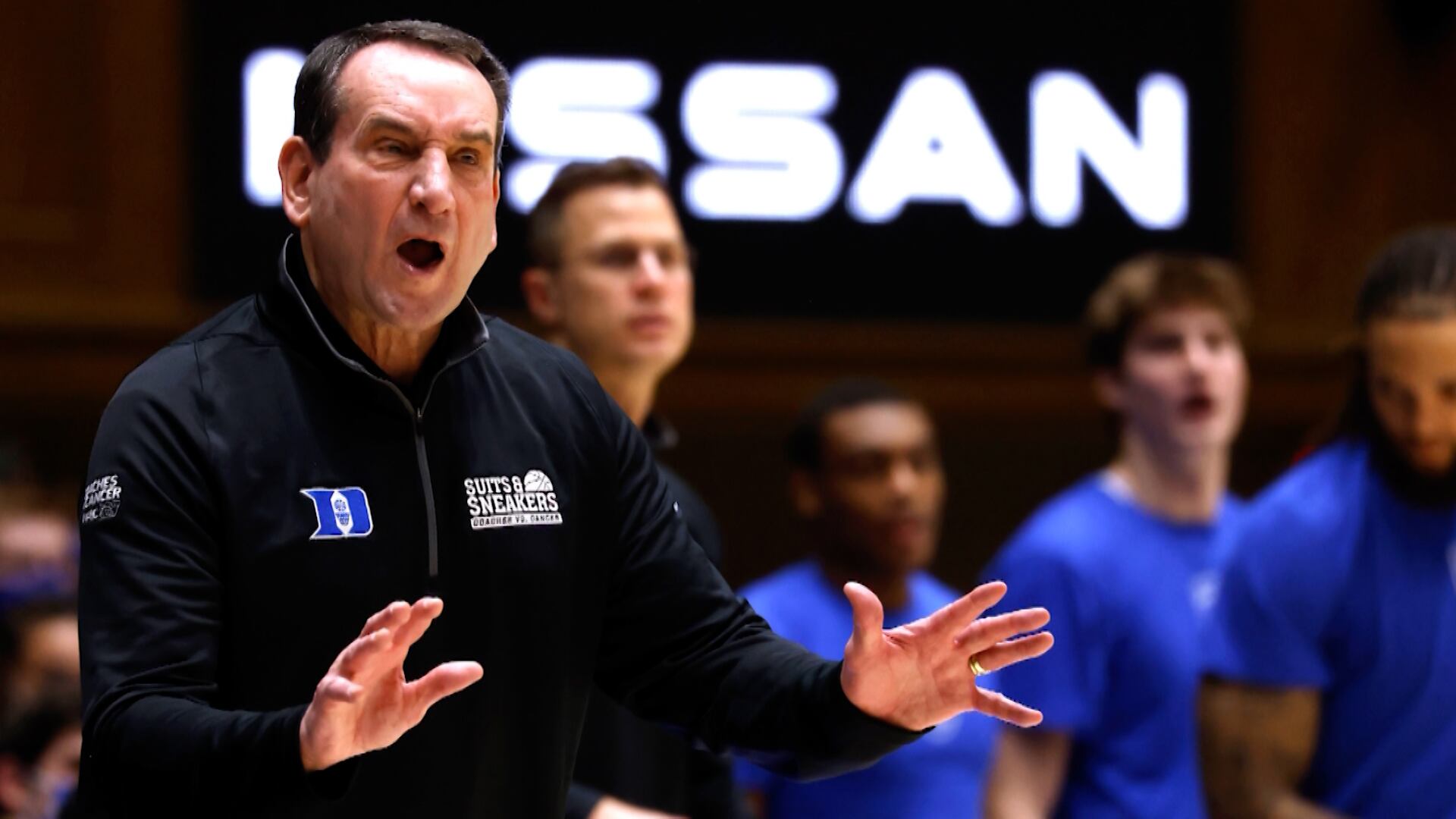
NFT platform OneOf has partnered with Duke University's athletic program to create a special men's basketball NFT collection ahead of Mike Krzyzewski's final home game as Duke head coach this Saturday. Matt Marino, VP of Sports & Lifestyle at OneOf, joins Cheddar News' Closing Bell, where he takes viewers through the offerings available for collectors and his company's other pursuits in the sports collectibles space.
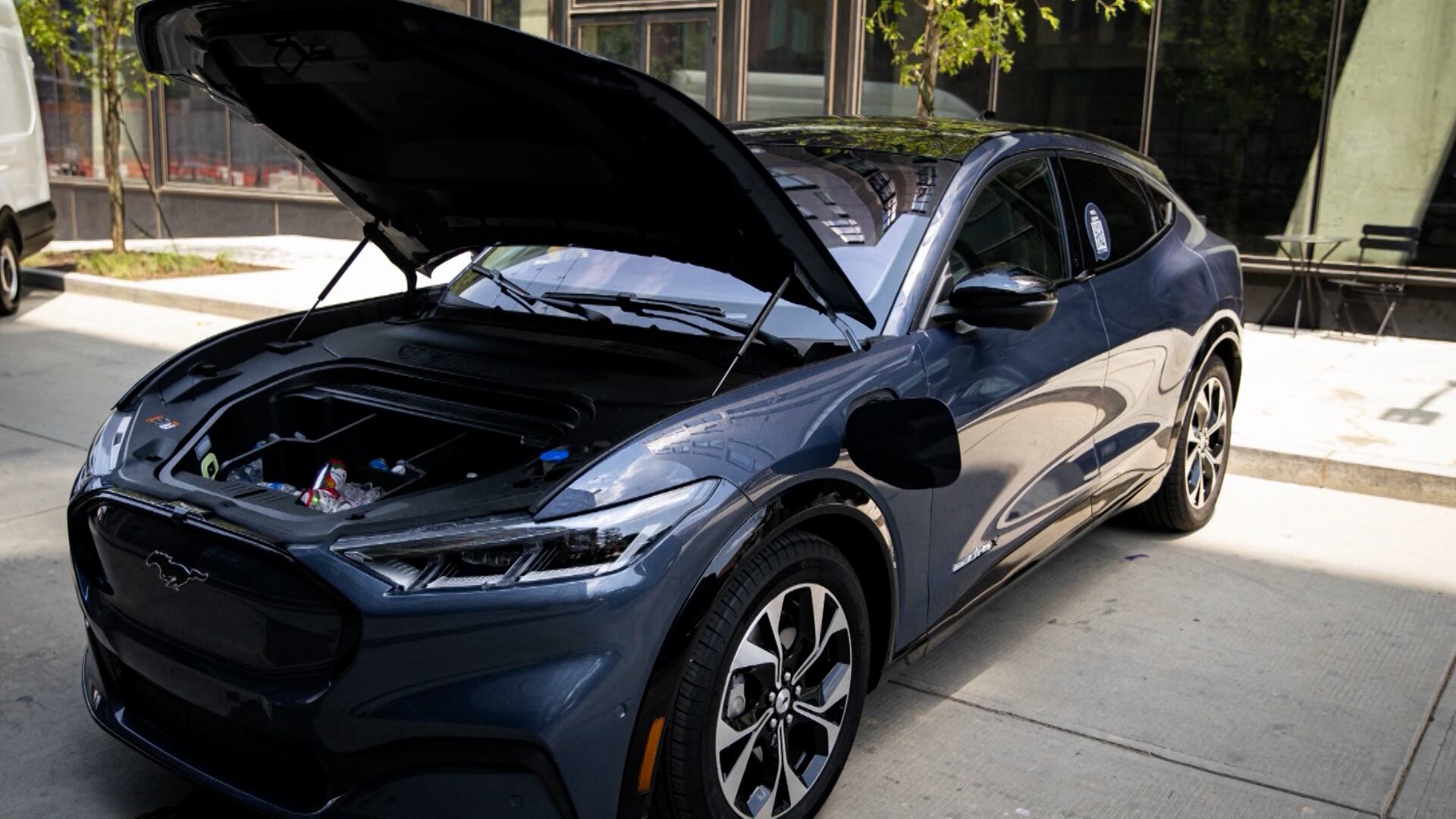
The pandemic, chip shortages, and now war. Automakers around the world have been getting slammed, and it now seems like things could get worse. Several car manufacturers have announced they are halting sales or shutting down factories in Russia after nations around the world moved to tighten sanctions against the country. Lisa Whalen, Auto and Mobility Analyst for Morning Consult, joins Cheddar News' Closing Bell to discuss.
Matt Hougan, CIO at Bitwise Asset Management, joins Cheddar News' Closing Bell, where he explains what we're learning about cryptocurrencies during the Russian invasion of Ukraine and says that there's not a simple, clean narrative that can be reached.
Shared EV service Revel raised $126 million in a Series B round. Revel first came on the map in 2018 with its shared electric moped service in New York City, which has since expanded to other cities on the east coast. The company also operates an all-Tesla ride-hailing service in Manhattan.
Now, it is looking to expand its network of EV fast-charging stations, which the company calls super-hubs. Frank Reig, CEO of Revel, joins Cheddar News' Closing Bell to discuss.
There will soon be another, lower-cost subscription option for Disney+ — but with commercials. Disney will launch the new ad-supported tier for its streaming service in the U.S. later this year and internationally in 2023, but so far there is no word on an exact launch date or price for the new service option. Tal Chalozin, co-founder and CTO of online ad tech company Innovid, joined Cheddar News' Closing Bell to discuss what the news could mean for the next chapter of the streaming wars. "I wouldn't say that are worried about subscriber growth, but they have big goals to fill," he said. "They need to go to the mid-market or the longer tail. An ad model, always proven that that that's the way to go to mass market in television."
Steve Blank, adjunct professor at Stanford University and founding faculty at Gordian Knot Center for National Security Innovation, joins Cheddar News to discuss technology's role in modern war.