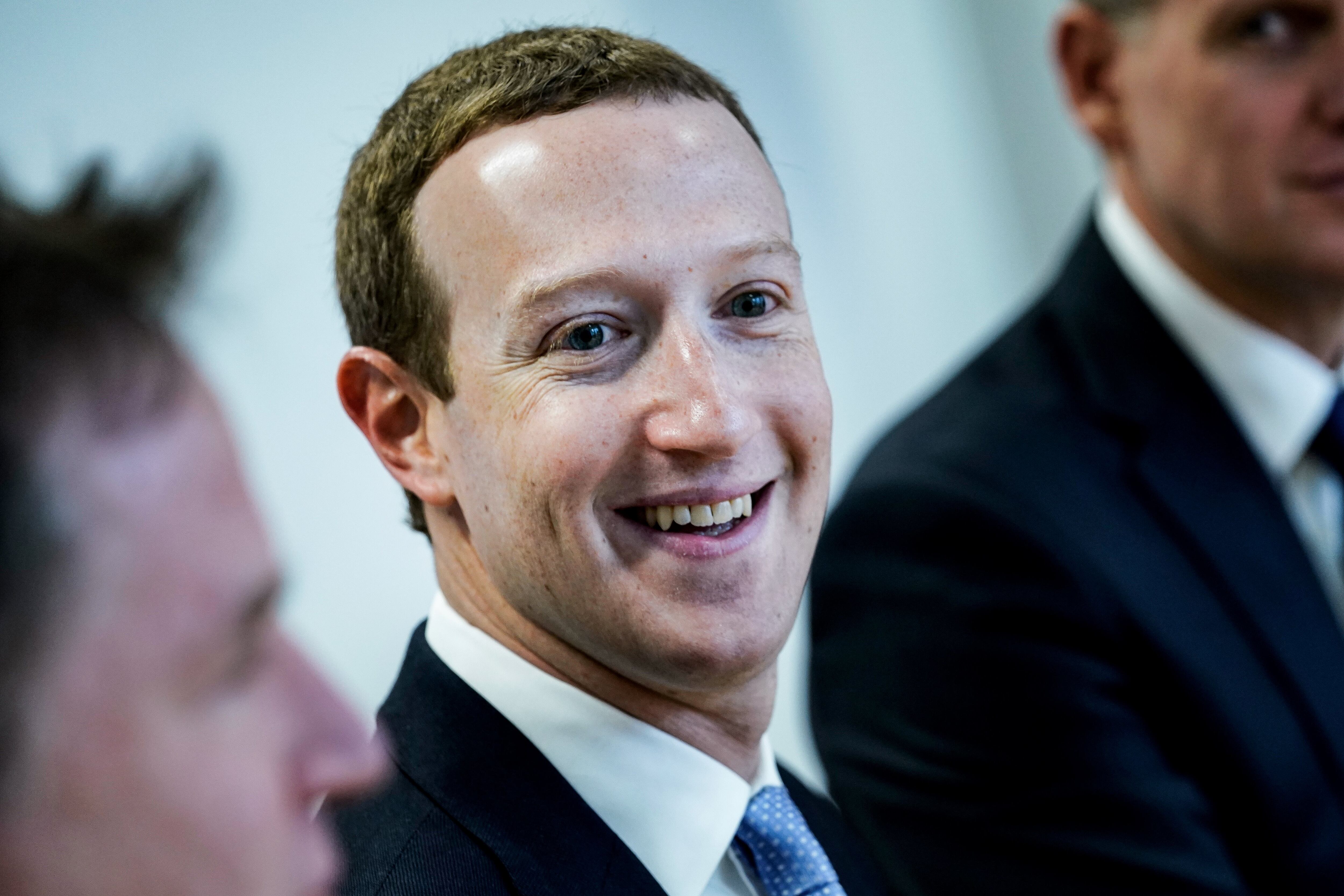
Founder and CEO of US online social media and social networking service Facebook Mark Zuckerberg. Photo by KENZO TRIBOUILLARD/AFP via Getty Images/FILE)
Mark Zuckerberg and his wife Priscilla Chan have donated $25 million through their foundation to a philanthropic effort organized by Bill Gates to explore new coronavirus treatments.
The Gates Foundation donated $50 million last week to what it’s calling the “COVID-19 Therapeutics Accelerator.” The initiative brings together life sciences companies to collaborate on the development of new vaccines, diagnostics, and treatments for COVID-19.
“The Therapeutics Accelerator will enable researchers to quickly determine whether or not existing drugs have a potential benefit against COVID-19,” Chan and Zuckerberg said in a press release. “We hope these coordinated efforts will help stop the spread of COVID-19 as well as provide shared, reusable strategies to respond to future pandemics.”
The two donations are the largest from tech billionaires since the coronavirus outbreak. Wellcome and Mastercard are supporting the effort as well.
The goal of the initiative is to either develop a new drug or adapt an existing treatment that it could help distribute alongside partnering pharmaceutical companies.
The 15 companies participating in the project kicked off the effort by sharing their proprietary libraries of molecular compounds that have some history of being tested with COVID-19.
The lineup includes big names in biotech such as Johnson & Johnson, Merck, Pfizer, Sanofi, and Bristol-Myers Squibb.
After a week of headlines that ranged from a potential criminal investigation by the Justice Department to a 20 for 1 stock split, Michael Pachter, the managing director of equity research at Wedbush Securities, joined Cheddar News to shake out what wild week means for the tech giant and what he thinks is behind possible government antipathy towards the company. "If you look at Amazon, Capitol Hill hates them," he said. "And maybe it's just because Bezos looks like Dr. Evil, but I think part of it is that a lot of constituents of these legislators just don't whine at Congress, 'leave my company alone,' the way they do with Disney or Microsoft."
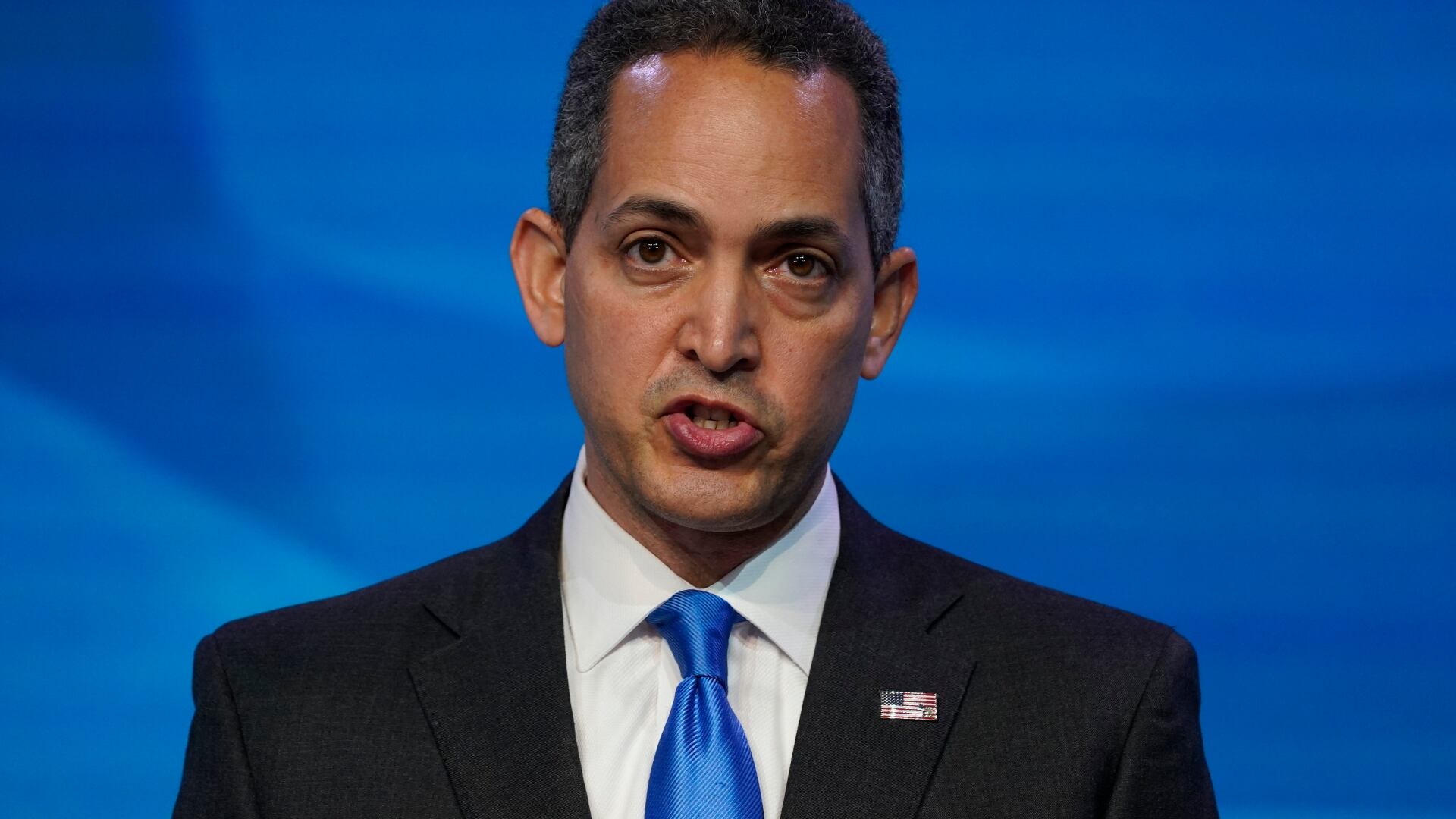
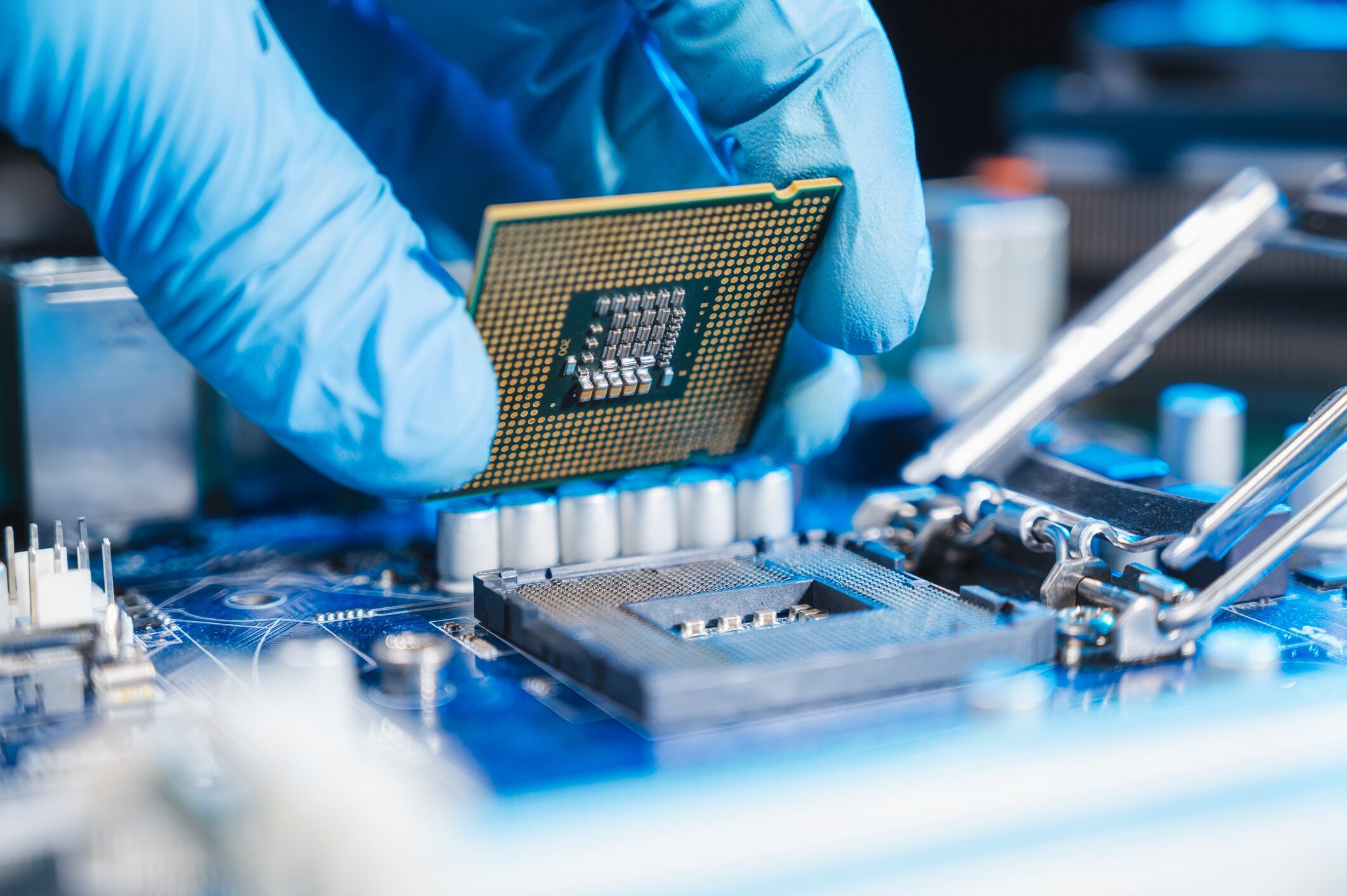
The ongoing semiconductor chip shortage has been impacting everything from the purchase of cars to smartphones. Deputy Commerce Secretary Don Graves spoke with Cheddar about the Biden administration's efforts to combat the issue and if the current crisis in Ukraine will have any impact on the global supply chain problems for semiconductors. "We're working very closely with all of our partners and allies around the globe, just as we have on the export controls and sanctions that we've applied to Russia to deal with that needless aggression," he said. "We're also working with them on the challenges of raw materials for a range of industries, including the semiconductor industry. We believe that we are going to be able to meet the demand for the for the near term."
Deputy Commerce Secretary Don Graves spoke to Cheddar's Alex Vuocolo about the ongoing semiconductor shortages and the push from the Biden administration to cover the supply chain problem as well as look ahead to future-proofing it.
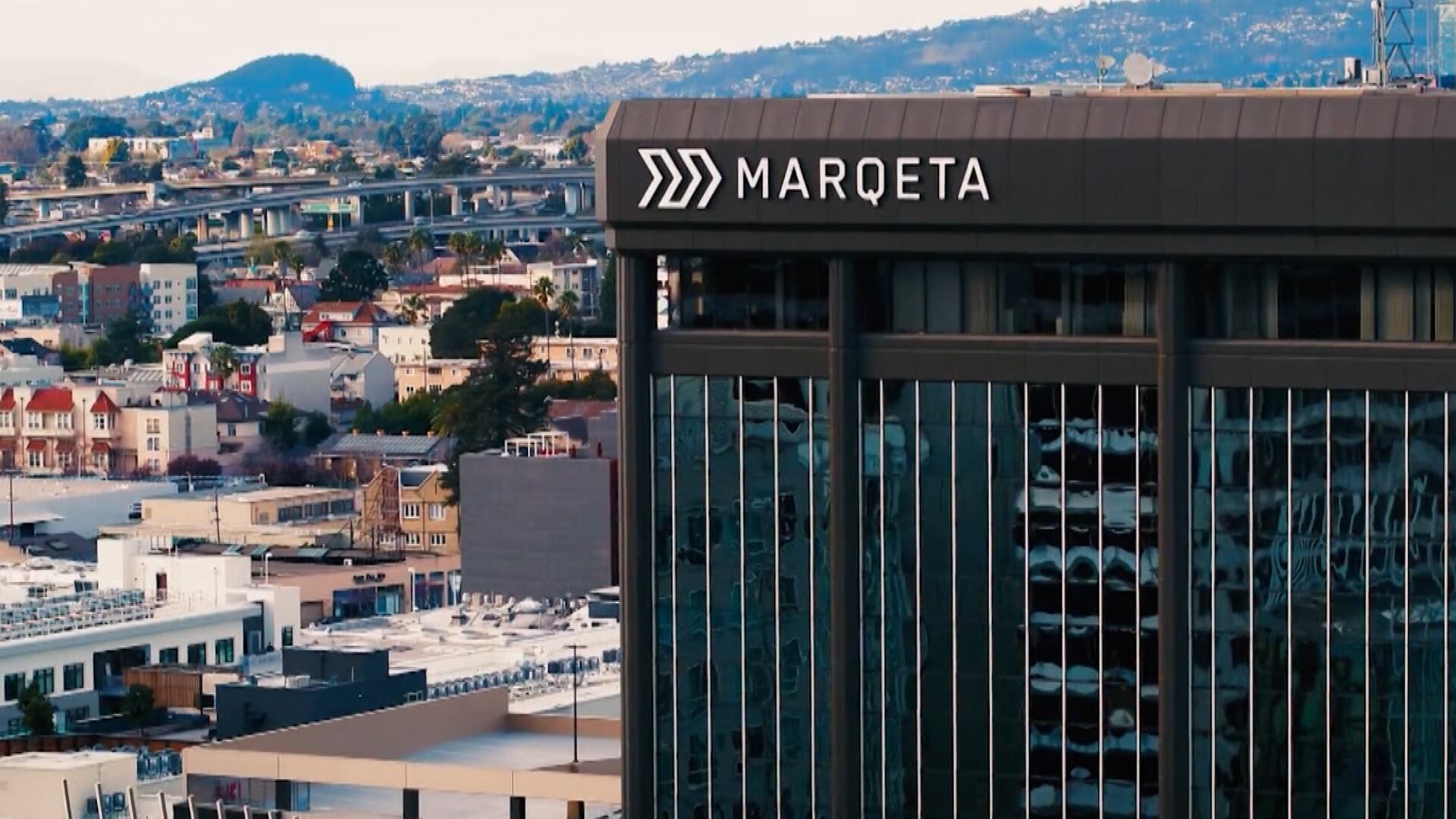
Card Issuing Platform Marqeta blowing past Wall Street expectations in its Q4 earnings report, with revenue jumping to $155 million, up significantly from the $86 million it reported last quarter. Vidya Peters, Chief Operating Officer, Marqeta, joined Cheddar's Opening Bell to discuss the company's strong growth as well as her tips for female leaders.
Apple wrapped up its first product event of the year called 'Peek Performance.' The event showcased Apple's new affordable iPhone, an iPad air update, and the most powerful mac chip yet. Ian Sherr, editor at large at CNET, joins Cheddar News to discuss the highlights of the event.
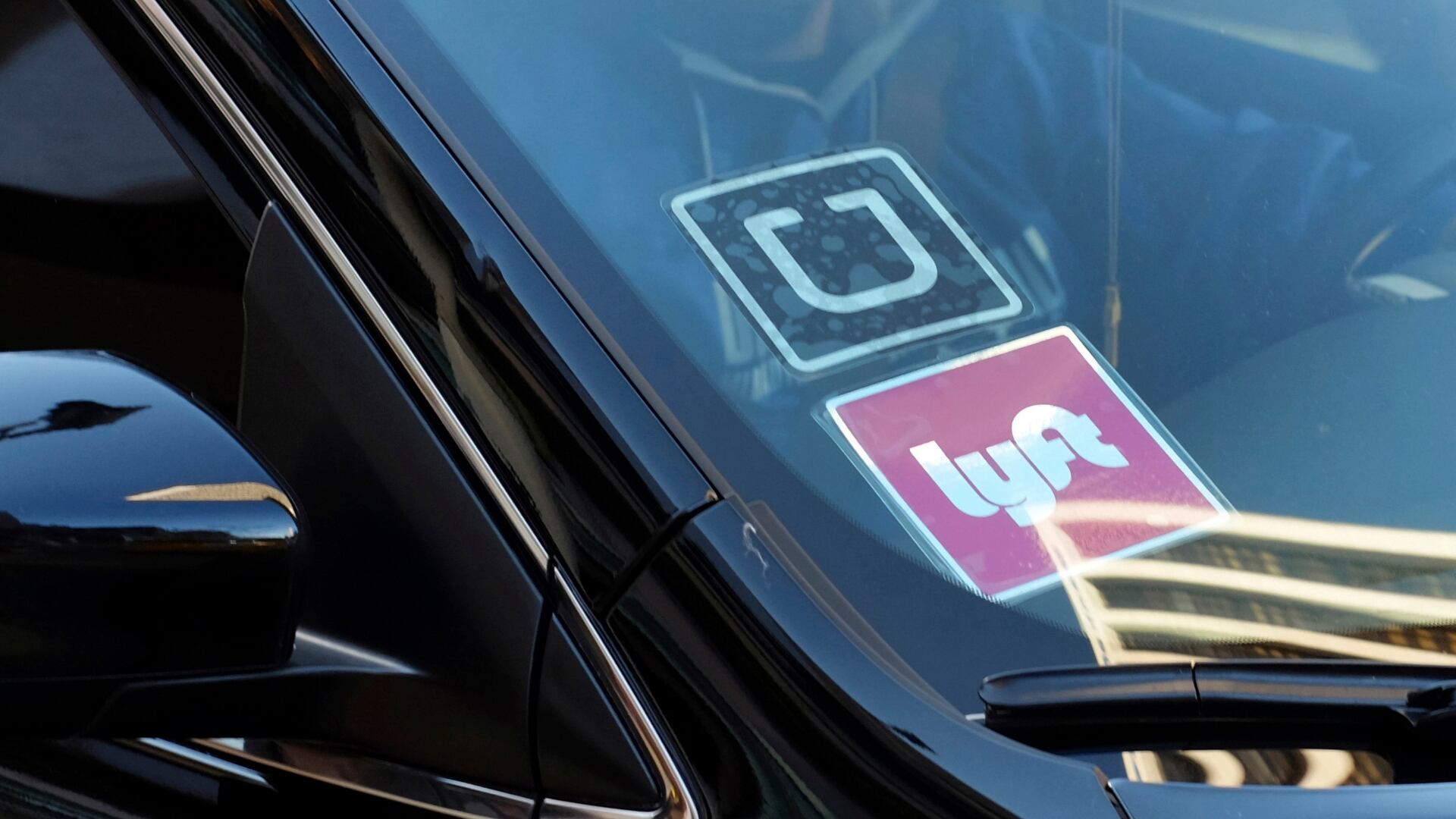
Uber Lyft and Doordash are all set to spend $1 million dollars on a campaign and efforts to stop lawmakers from classifying their gig workers as employees. The campaign features TV and online ads highlighting Washington area workers who say they prefer the flexibility of being an independent contractor rather than following the model of a company employee. Professor at NYU. Stern School of Business and author of the sharing economy, Arun Sundararajan, joined Cheddar to discuss more.
Rachel Van Nortwick, CEO and Founder of Vinylly, joins Cheddar Innovates to discuss how this dating app is designed with music lovers in mind, pairing matches based on each individual's unique taste in music.