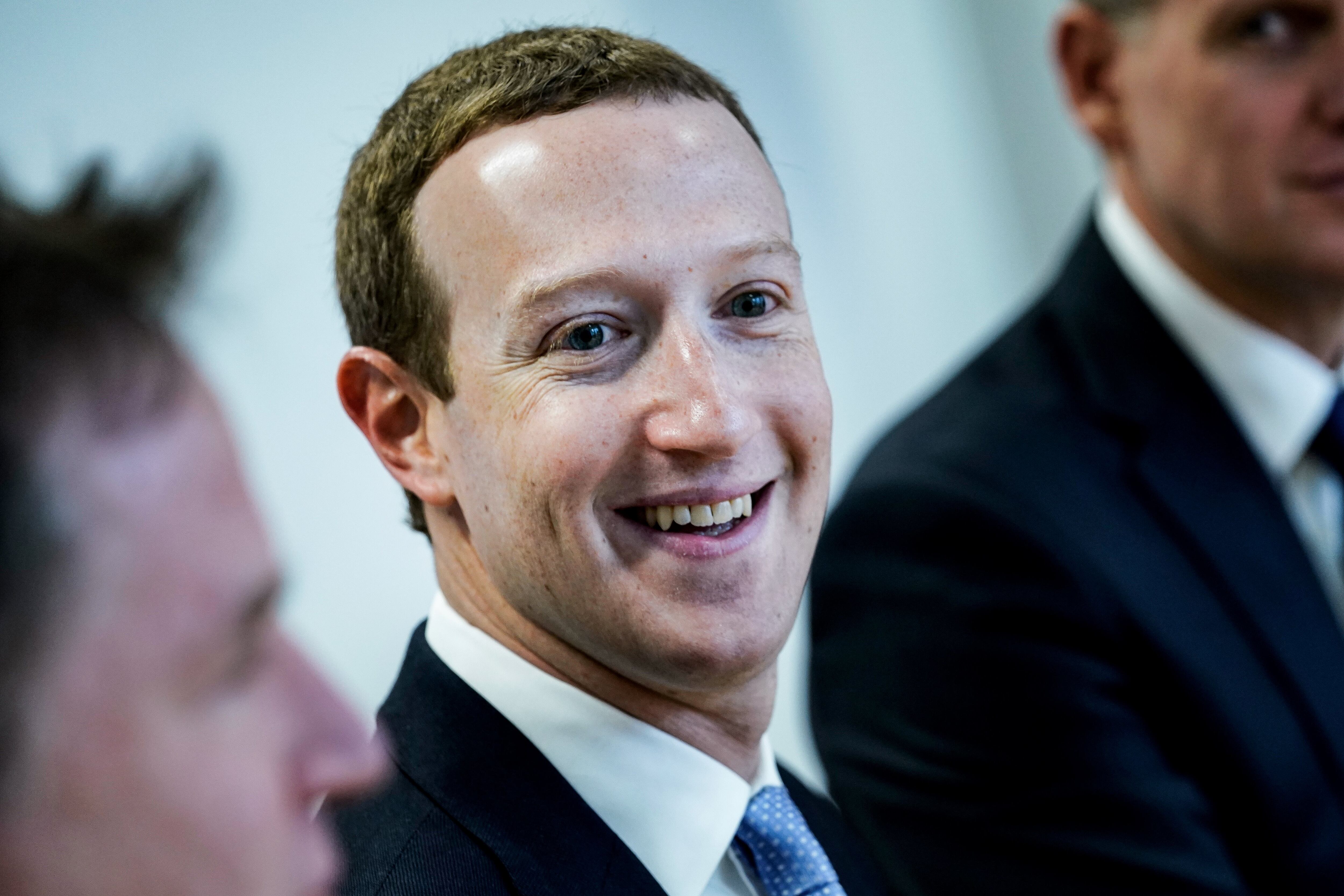
Founder and CEO of US online social media and social networking service Facebook Mark Zuckerberg. Photo by KENZO TRIBOUILLARD/AFP via Getty Images/FILE)
Mark Zuckerberg and his wife Priscilla Chan have donated $25 million through their foundation to a philanthropic effort organized by Bill Gates to explore new coronavirus treatments.
The Gates Foundation donated $50 million last week to what it’s calling the “COVID-19 Therapeutics Accelerator.” The initiative brings together life sciences companies to collaborate on the development of new vaccines, diagnostics, and treatments for COVID-19.
“The Therapeutics Accelerator will enable researchers to quickly determine whether or not existing drugs have a potential benefit against COVID-19,” Chan and Zuckerberg said in a press release. “We hope these coordinated efforts will help stop the spread of COVID-19 as well as provide shared, reusable strategies to respond to future pandemics.”
The two donations are the largest from tech billionaires since the coronavirus outbreak. Wellcome and Mastercard are supporting the effort as well.
The goal of the initiative is to either develop a new drug or adapt an existing treatment that it could help distribute alongside partnering pharmaceutical companies.
The 15 companies participating in the project kicked off the effort by sharing their proprietary libraries of molecular compounds that have some history of being tested with COVID-19.
The lineup includes big names in biotech such as Johnson & Johnson, Merck, Pfizer, Sanofi, and Bristol-Myers Squibb.
Bence Jendruszak, COO and Co-Founder of SEON, joined Cheddar News' Closing Bell, where he says his platform sees more victims of online fraud during economic downturns, but explains why his company's solution can stop that trend.
Andrew Miller, Chief Operating Officer at Benchmark Mineral Intelligence, joined Closing Bell to discuss the warning from Rivian's CEO about a possible EV battery shortage due to lack of access to key metals like lithium.
Fathom Digital Manufacturing, one of the largest on-demand digital manufacturing platforms in North America, went public late last year and serves the product development and manufacturing needs of companies such as Google, Amazon, Tesla, Johnson & Johnson, and more. CEO Ryan Martin joined Cheddar's Opening Bell to discuss what the IPO means to the company and how he thinks digital manufacturing can help mitigate supply chain issues seen throughout the pandemic. "We can take parts that would take 4-6 weeks condense that down into just days using additive manufacturing in many cases. And so it's all about speed," he said.
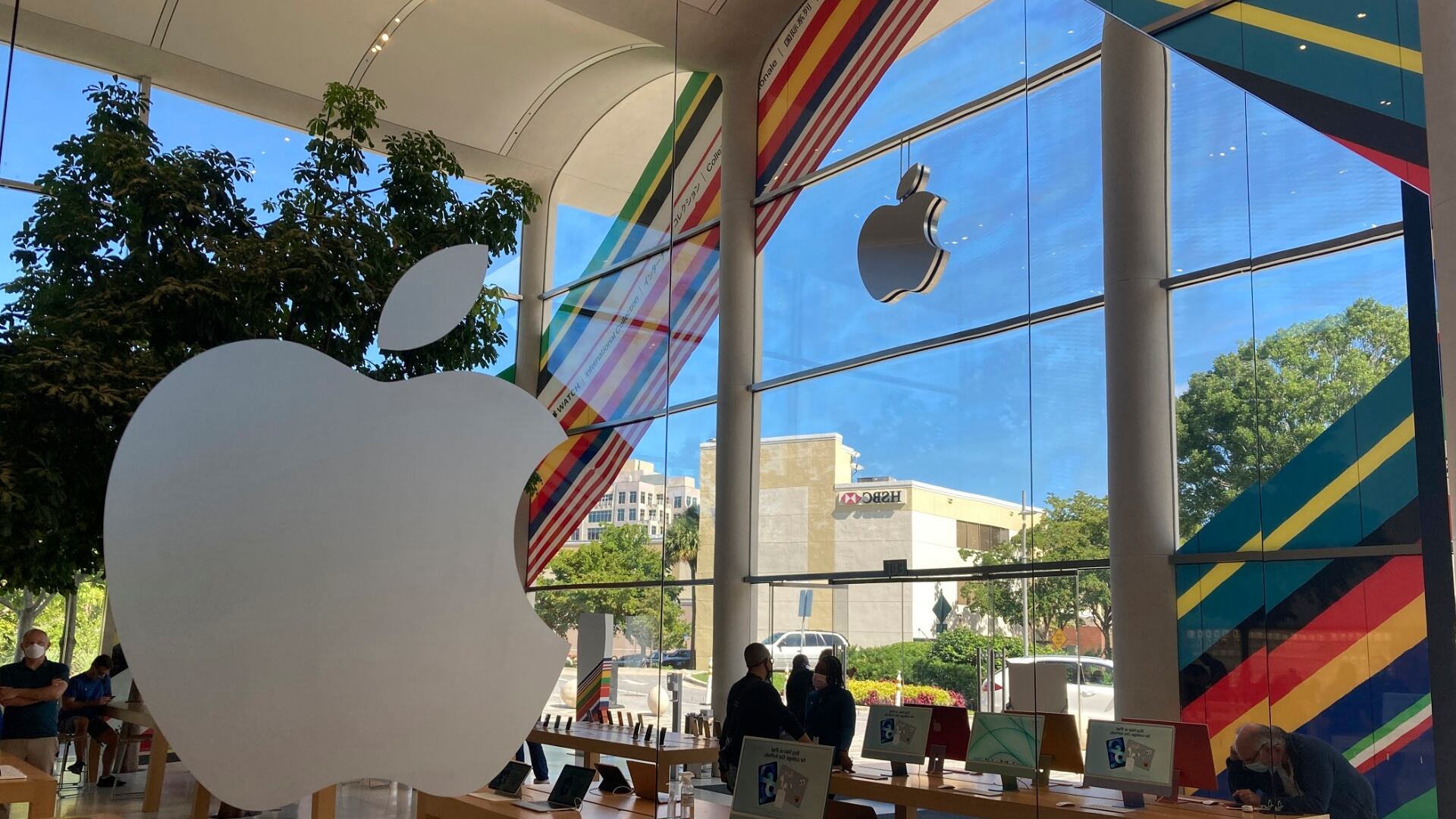
Apple has revealed that the tech giant is working more on going green, reporting the use of more recycled materials than ever before. It's setting sustainability goals, aiming to cut emissions by 75 percent in the next 10 years and eventually ending the use of plastic in packaging.