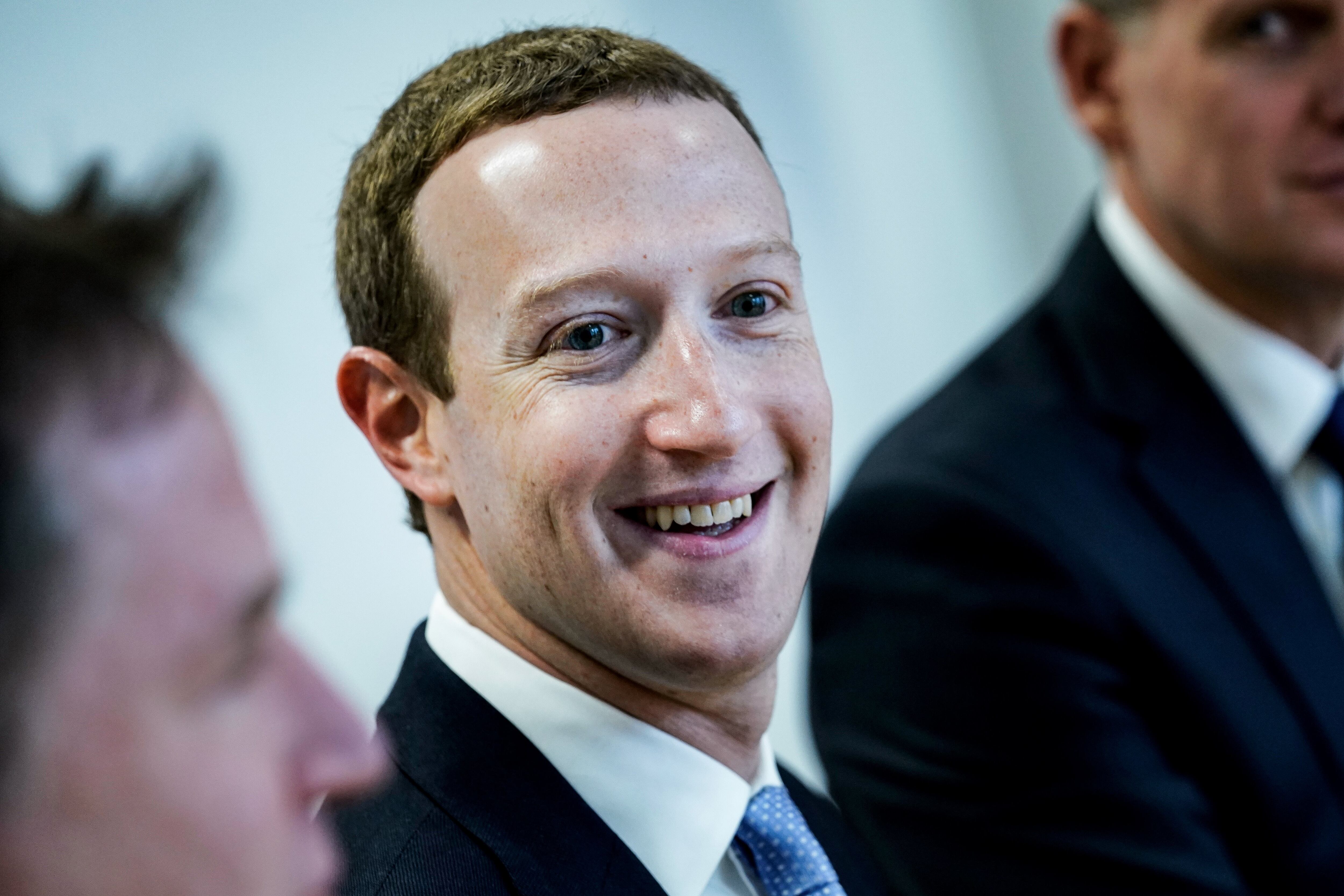
Founder and CEO of US online social media and social networking service Facebook Mark Zuckerberg. Photo by KENZO TRIBOUILLARD/AFP via Getty Images/FILE)
Mark Zuckerberg and his wife Priscilla Chan have donated $25 million through their foundation to a philanthropic effort organized by Bill Gates to explore new coronavirus treatments.
The Gates Foundation donated $50 million last week to what it’s calling the “COVID-19 Therapeutics Accelerator.” The initiative brings together life sciences companies to collaborate on the development of new vaccines, diagnostics, and treatments for COVID-19.
“The Therapeutics Accelerator will enable researchers to quickly determine whether or not existing drugs have a potential benefit against COVID-19,” Chan and Zuckerberg said in a press release. “We hope these coordinated efforts will help stop the spread of COVID-19 as well as provide shared, reusable strategies to respond to future pandemics.”
The two donations are the largest from tech billionaires since the coronavirus outbreak. Wellcome and Mastercard are supporting the effort as well.
The goal of the initiative is to either develop a new drug or adapt an existing treatment that it could help distribute alongside partnering pharmaceutical companies.
The 15 companies participating in the project kicked off the effort by sharing their proprietary libraries of molecular compounds that have some history of being tested with COVID-19.
The lineup includes big names in biotech such as Johnson & Johnson, Merck, Pfizer, Sanofi, and Bristol-Myers Squibb.
Judith Donath, Fellow at Harvard's Berkman Center, and the founder of the Sociable Media Group at the MIT Media Lab, joins Cheddar Reveals to take a trip back through the origins of the Internet and how it's shaped human behavior over decades.
Mike Liebhold, Distinguished Fellow and Senior Technology Researcher, Institute for the Future, joins Cheddar Reveals to discuss what the future of the internet holds and why cell phones could give way to glasses and headsets as the most common way to access the Internet.
Catching you up on what you need to know on April 26, 2022, with Elon Musk’s purchase of Twitter for $44 billion, Russia warning of a possible threat of World War III, the FDA approving a COVID treatment for children under 12, and more.
The annual Edison Awards dive into the latest in the world of technology and innovation. Each year at the ceremony, the Edison Lifetime achievement is awarded to select individuals who have made a difference in the space. Cheddar News sat down with the 2022 honoree, Carmichael Roberts, co-founder and managing partner at Material Impact, to discuss.
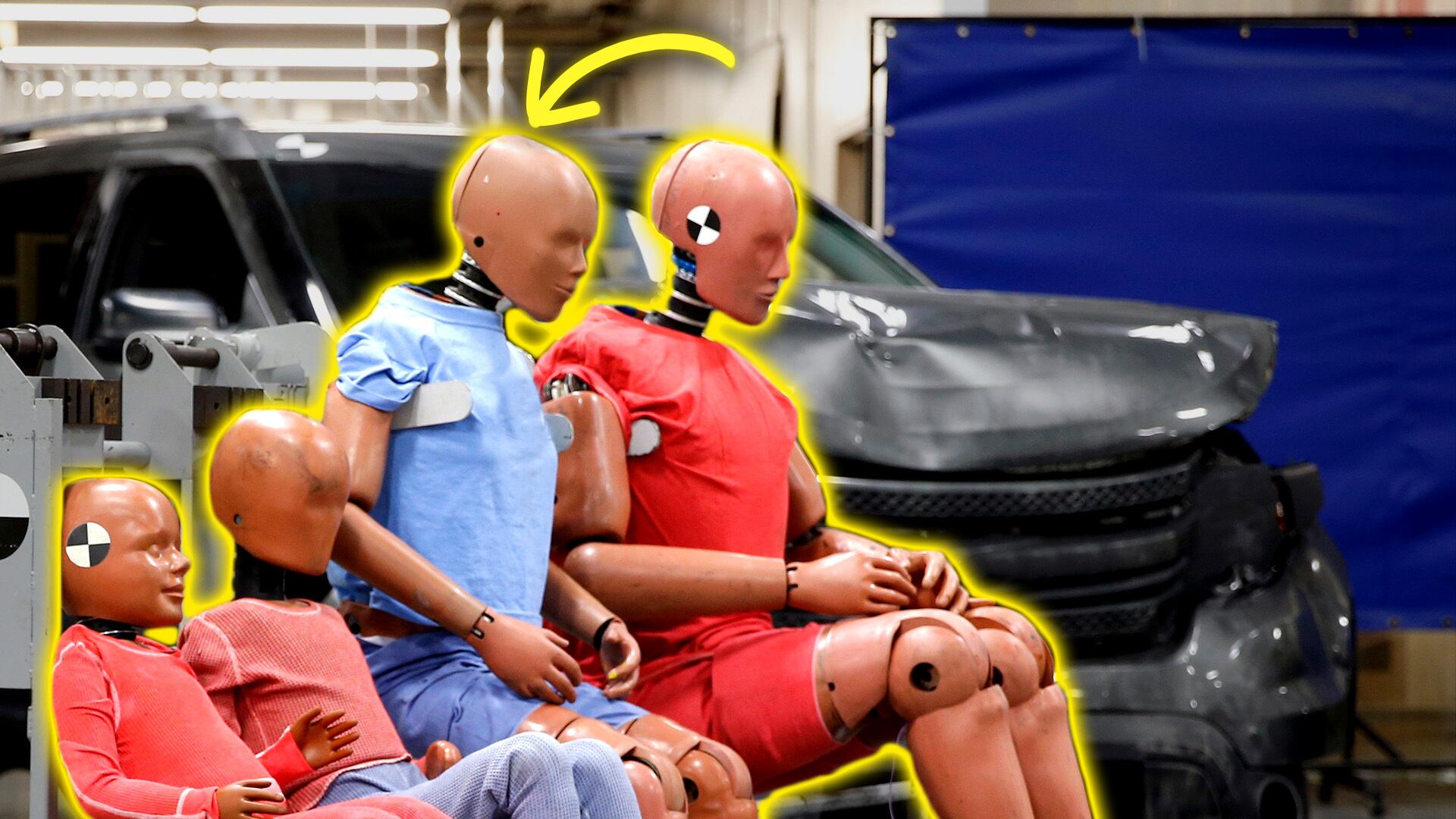
In February 2022, over 65 congressional members sent a letter to Secretary Buttigieg and the Department of Transportation urging the agency to update certain safety standards when it comes to crash testing. So, what exactly are advocates calling for and why do they say our crash tests need a major update?