Founder and CEO of US online social media and social networking service Facebook Mark Zuckerberg. Photo by KENZO TRIBOUILLARD/AFP via Getty Images/FILE)
Mark Zuckerberg and his wife Priscilla Chan have donated $25 million through their foundation to a philanthropic effort organized by Bill Gates to explore new coronavirus treatments.
The Gates Foundation donated $50 million last week to what it’s calling the “COVID-19 Therapeutics Accelerator.” The initiative brings together life sciences companies to collaborate on the development of new vaccines, diagnostics, and treatments for COVID-19.
“The Therapeutics Accelerator will enable researchers to quickly determine whether or not existing drugs have a potential benefit against COVID-19,” Chan and Zuckerberg said in a press release. “We hope these coordinated efforts will help stop the spread of COVID-19 as well as provide shared, reusable strategies to respond to future pandemics.”
The two donations are the largest from tech billionaires since the coronavirus outbreak. Wellcome and Mastercard are supporting the effort as well.
The goal of the initiative is to either develop a new drug or adapt an existing treatment that it could help distribute alongside partnering pharmaceutical companies.
The 15 companies participating in the project kicked off the effort by sharing their proprietary libraries of molecular compounds that have some history of being tested with COVID-19.
The lineup includes big names in biotech such as Johnson & Johnson, Merck, Pfizer, Sanofi, and Bristol-Myers Squibb.
With Netflix losing 200,000 subscribers in one quarter, and CNN+ shutting down just weeks after launch, the streaming industry is in a place of uncertainty. Hundreds of people who once thought they had steady jobs now face potential unemployment as streamers figure out how to navigate the constantly changing landscape. Greg Martin, co-founder of Rainmaker Securities, joined Cheddar's Opening Bell to discuss the state of streaming, its troubles, and how its impacting hundreds of workers.
With mask mandates lifted across various parts of the country, healthy indoor air quality in public spaces is more crucial than ever before. According to the CDC, proper ventilation, in addition to other preventative measures, is instrumental to preventing the rapid spread of covid-19 indoors. As the push for higher air quality ramps up, AtmosAir is providing a high-tech solution for cleaner, greener air indoors. Steve Levine, CEO, AtmosAir, joined Cheddar’s Opening Bell to discuss.
Catching you up on what you need to know on April 27, 2022, with Tesla stocks absorbing an initial hit following Elon Musk's purchase of Twitter, Russia pausing its natural gas supplies to Poland and Bulgaria, NASA's SpaceX Crew-4 mission taking off, and more.
General Motors reported a Q1 net income of $2.9 billion and a raise in their full-year guidance. This comes as the auto giant steps up production of its electric vehicles amid production headwinds. Paul Jacobson joined Cheddar News to talk about the earnings report and its ongoing electric vehicle strategy. "One of the things I'm most proud of is the fact that we're continuing to lean in and accelerate on our electric vehicle journey," he said. "When you think about it, we're going to produce 400,000 vehicles over the next two years by the end of 2023, and we'll have production capabilities up and will produce more than a million vehicles in North America alone in 2025."
Members-only home swapping network Kindred recently announced its launch alongside a $7.75 million seed round led by Andreessen Horowitz. Homeowners and renters can exchange homes on Kindred's platform, which the company says allows members to travel and take advantage of remote-work flexibility at the fraction of the cost of a hotel or rental home. Justin Palefsky and Tas Amina, co-founders of Kindred, join Cheddar News' Closing Bell to discuss.
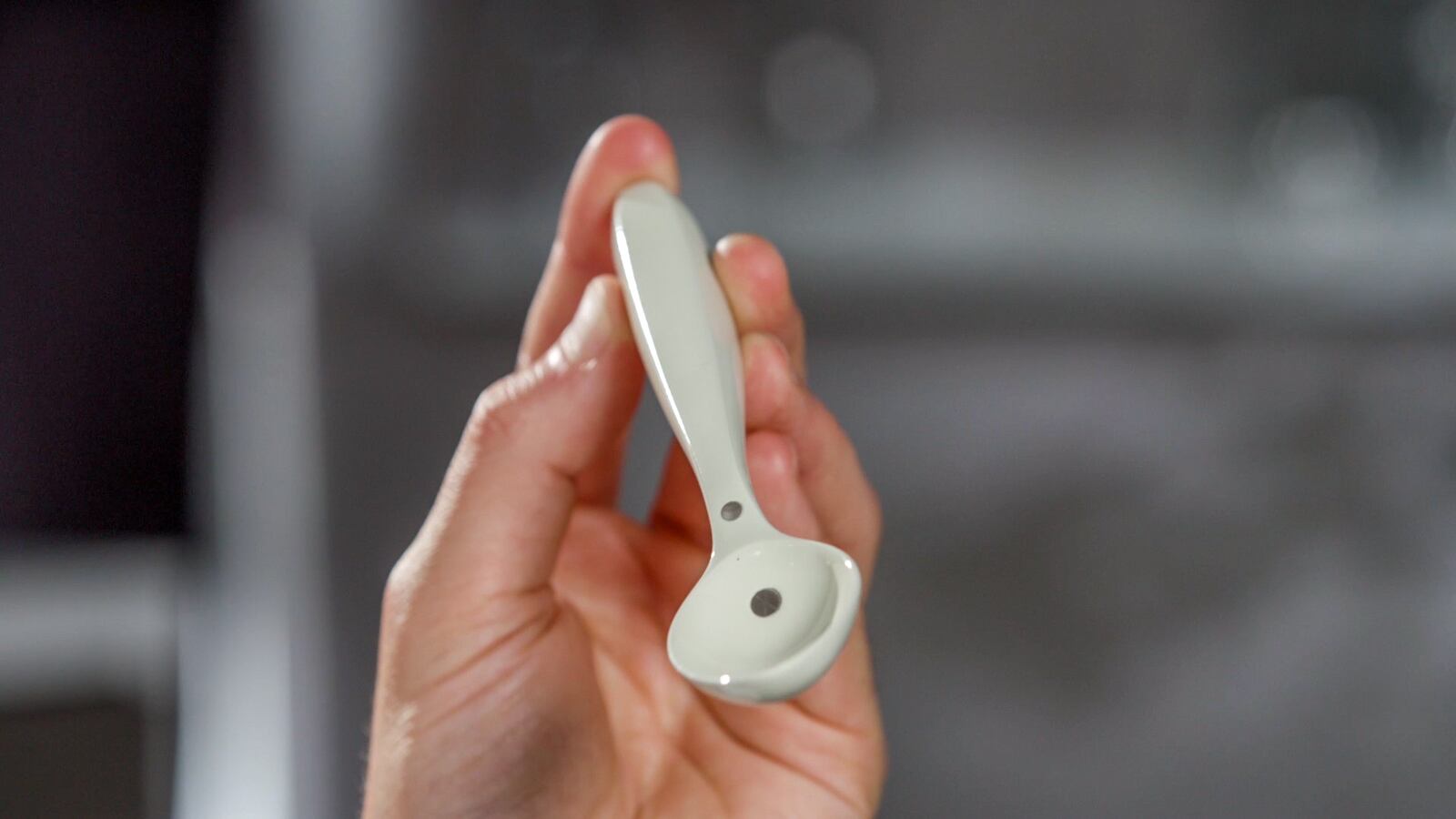
SpoonTEK is an eating utensil that uses new technology to enhance flavors. Co-founders Ken and Cameron Davidov join Cheddar News to explain how the high-tech silverware can not only boost taste but also the health of its user.