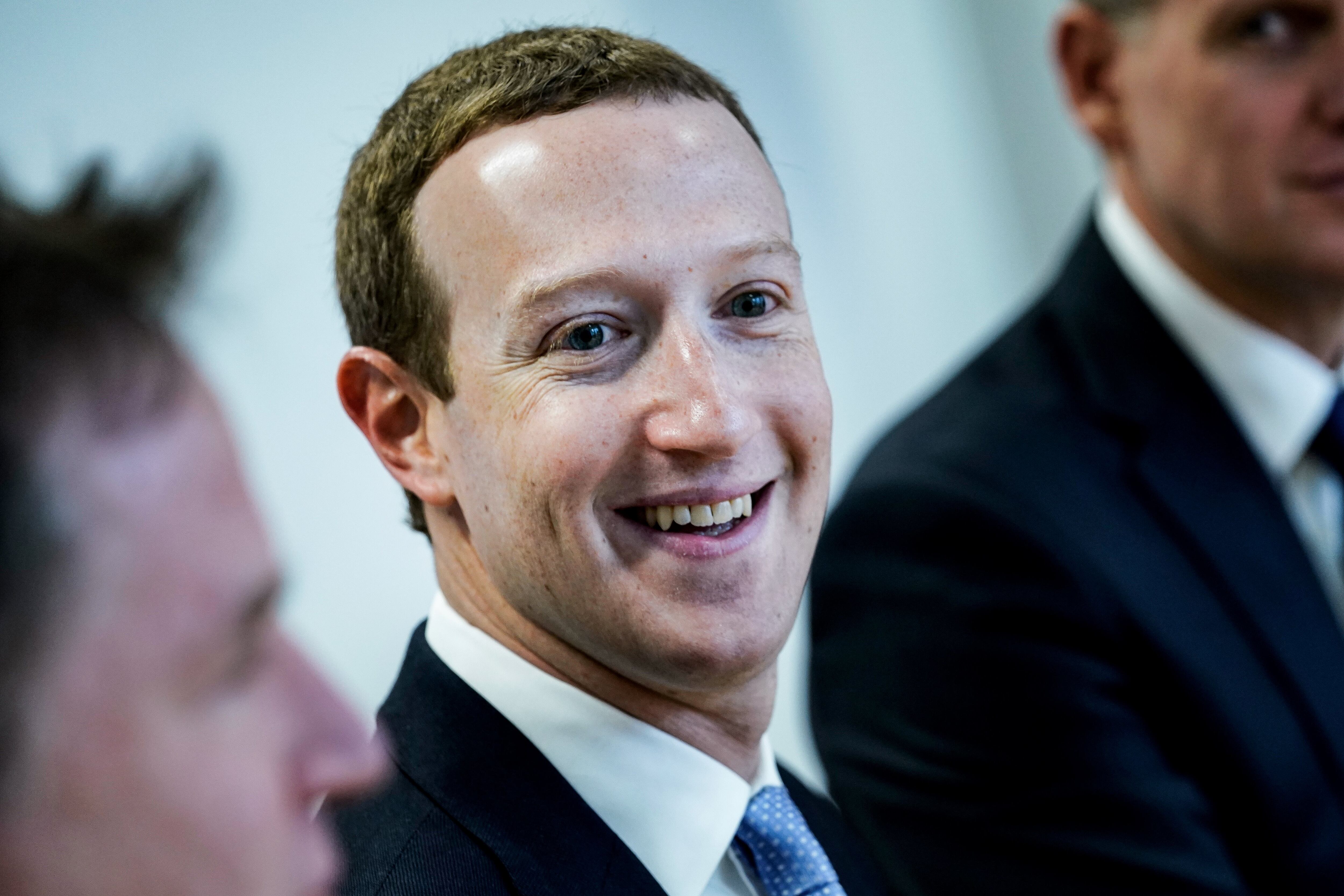
Founder and CEO of US online social media and social networking service Facebook Mark Zuckerberg. Photo by KENZO TRIBOUILLARD/AFP via Getty Images/FILE)
Mark Zuckerberg and his wife Priscilla Chan have donated $25 million through their foundation to a philanthropic effort organized by Bill Gates to explore new coronavirus treatments.
The Gates Foundation donated $50 million last week to what it’s calling the “COVID-19 Therapeutics Accelerator.” The initiative brings together life sciences companies to collaborate on the development of new vaccines, diagnostics, and treatments for COVID-19.
“The Therapeutics Accelerator will enable researchers to quickly determine whether or not existing drugs have a potential benefit against COVID-19,” Chan and Zuckerberg said in a press release. “We hope these coordinated efforts will help stop the spread of COVID-19 as well as provide shared, reusable strategies to respond to future pandemics.”
The two donations are the largest from tech billionaires since the coronavirus outbreak. Wellcome and Mastercard are supporting the effort as well.
The goal of the initiative is to either develop a new drug or adapt an existing treatment that it could help distribute alongside partnering pharmaceutical companies.
The 15 companies participating in the project kicked off the effort by sharing their proprietary libraries of molecular compounds that have some history of being tested with COVID-19.
The lineup includes big names in biotech such as Johnson & Johnson, Merck, Pfizer, Sanofi, and Bristol-Myers Squibb.
Fold CEO & Co-founder Will Reeves joins Cheddar News' Closing Bell, where he discusses what his company's augmented reality metaverse involves and elaborates on Fold's goals surrounding the new initiative.
Donald Pettey, Program Manager for Strategic Initiatives for MassDOT, and Mohammed Siddiqui, Vice President of Public Relations at Ko-Solar, join Cheddar Climate, where they discuss their plan to test highway barriers that absorb sound and solar energy, with construction expected to begin in the first half of 2022.
President Joe Biden's "Build Back Better" bill could mean cheaper electric bicycles and scooters as the nation attempts to shift away from gas-powered cars. Noa Banayan, the director of federal affairs at PeopleForBikes, joined Cheddar's "Closing Bell" to provide some background on the E-Bike Act included in Biden's reconciliation bill that would provide tax credits for qualified purchases. "We want to make sure, from the bike industry's perspective, that this is a technology and a product that is available to the majority of Americans who want to lower their carbon footprint and get around town faster and do everything that they would normally do in a short car trip but by bike, because it's healthier, it's fast, it's efficient, you're not in traffic," she said.
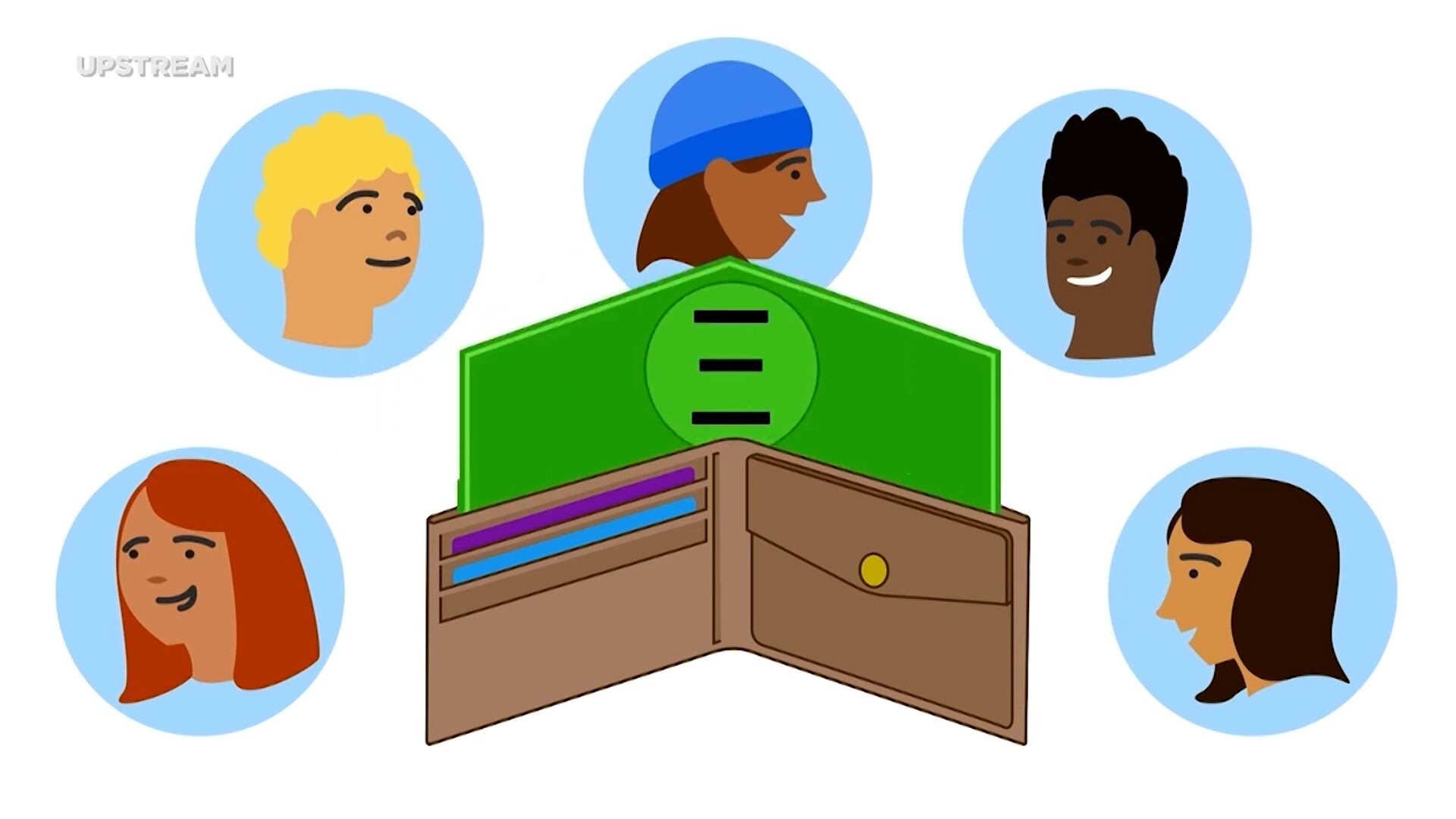
It's being called the next big trend in crypto. A decentralized autonomous organization, or DAO, is an internet community of different types of groups and businesses. The purpose is to allow people to commit funds to a specific cause in a safe way. Now, one social platform is creating a do-it-yourself kit for those who want to step into the space. Upstream Collective just launched the beta mode of its platform with the goal of putting all facets of running a DAO in one place. Alex Taub, co-founder and CEO of Upstream, joins Cheddar News to discuss.
Walmart and Zipline have teamed up to launch a drone delivery service in Pea Ridge, Arkansas. The service delivers products to customers within a 50-mile radius of the store. Liam O'Connor, COO of Zipline, joins Cheddar News to talk more about the partnership.