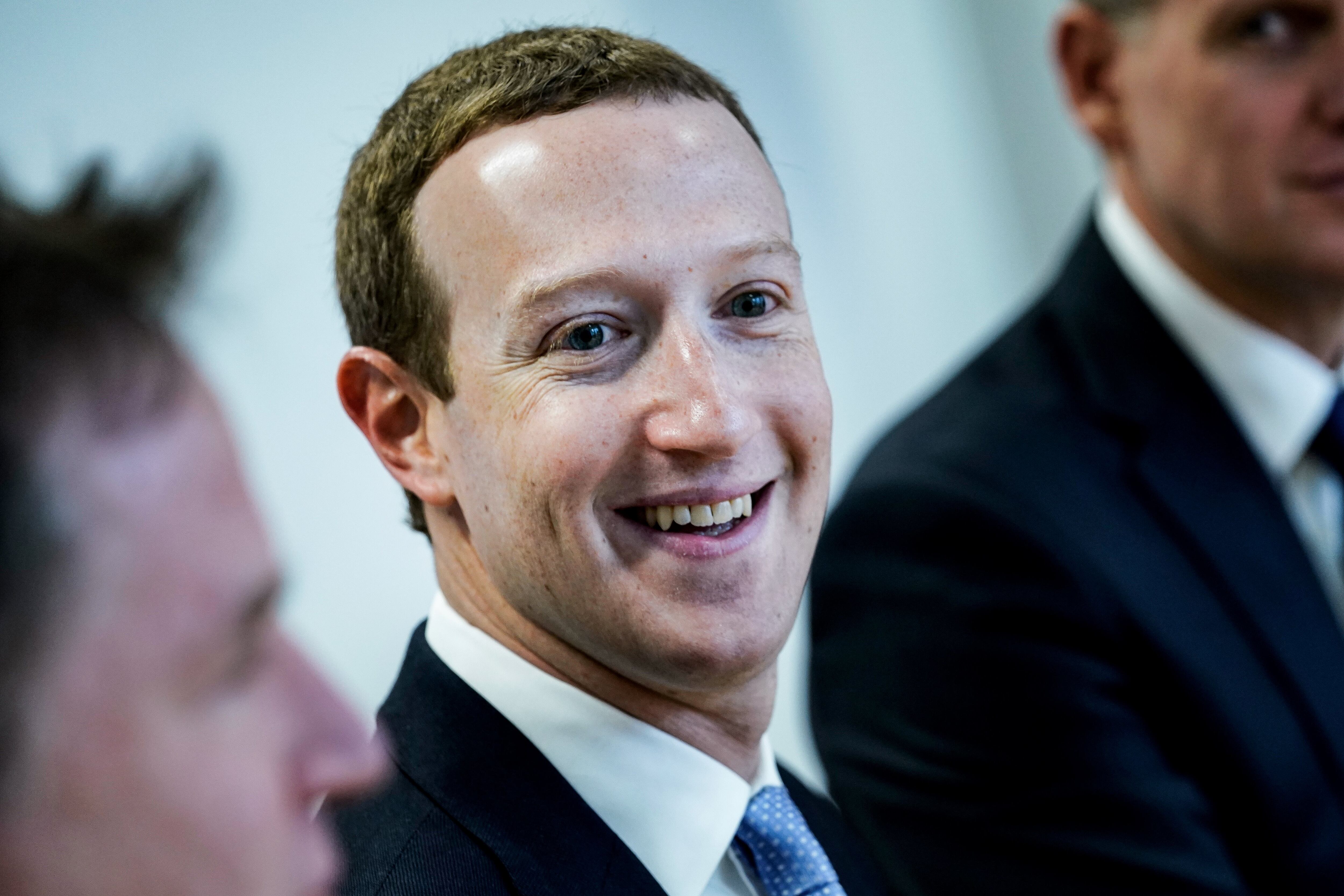
Founder and CEO of US online social media and social networking service Facebook Mark Zuckerberg. Photo by KENZO TRIBOUILLARD/AFP via Getty Images/FILE)
Mark Zuckerberg and his wife Priscilla Chan have donated $25 million through their foundation to a philanthropic effort organized by Bill Gates to explore new coronavirus treatments.
The Gates Foundation donated $50 million last week to what it’s calling the “COVID-19 Therapeutics Accelerator.” The initiative brings together life sciences companies to collaborate on the development of new vaccines, diagnostics, and treatments for COVID-19.
“The Therapeutics Accelerator will enable researchers to quickly determine whether or not existing drugs have a potential benefit against COVID-19,” Chan and Zuckerberg said in a press release. “We hope these coordinated efforts will help stop the spread of COVID-19 as well as provide shared, reusable strategies to respond to future pandemics.”
The two donations are the largest from tech billionaires since the coronavirus outbreak. Wellcome and Mastercard are supporting the effort as well.
The goal of the initiative is to either develop a new drug or adapt an existing treatment that it could help distribute alongside partnering pharmaceutical companies.
The 15 companies participating in the project kicked off the effort by sharing their proprietary libraries of molecular compounds that have some history of being tested with COVID-19.
The lineup includes big names in biotech such as Johnson & Johnson, Merck, Pfizer, Sanofi, and Bristol-Myers Squibb.
Astra founder, chairman, and CEO Chris Kemp spoke to Cheddar's Kristen Scholer about his company's first successful launch into orbit last month, becoming the fastest space company to reach orbit using a privately developed liquid-fueled rocket. He also noted that the company's priority is to "improve life on Earth from space" by rapidly increasing the number of low-orbiting satellites to do everything from connecting people to monitoring weather patterns.
Once again, YouTube is releasing its annual list of the top trending videos and music videos that had people in the U.S. talking. Madeline Buxton, trends expert for YouTube joins Cheddar News to discuss.
Stocks closed at session lows Wednesday as investors grew skittish over the first reported case of the COVID-19 omicron variant in California. Josh Sailar, Partner at Blue Zone Wealth Advisors, joins Cheddar News' Closing Bell to discuss investor worry over the new variant, the Fed dropping the word 'transitory' to describe inflation and potentially speeding up their asset tapering timeline, 2022 predictions, and more.
The Robin Hood Foundation is New York City's largest poverty-fighting organization. For more than 30 years, Robin Hood has built and fueled non-profits across all five boroughs. CEO Richard Buery joined Cheddar News' Closing Bell ahead of his ringing the closing bell at the New York Stock Exchange and later, lighting of the NYSE Christmas tree.
Creator commerce platform LTK raised $300 million in a recent funding round, now valuing the company at $2 billion. LTK is the world's largest influencer marketing platform and is known for helping to pioneer the so-called 'creator economy.' The company helps content creators make money off of their social media posts by hosting them on one central marketplace. LTK says more than $3 million in products are bought each year on its website and app. Now, the company is looking to continue its growth. LTK co-founder and president Amber Venz Box joins Cheddar News' Closing Bell to discuss.
Microsoft recently announced the standalone Teams Essentials as businesses continue to update their practices for the new norm of hybrid work life. Jared Spataro, corporate VP at Microsoft Modern Work, joined Cheddar to talk about solutions the tech giant has rolled out in order to help underserved small and medium-sized companies continue operations seamlessly. "We're excited about the opportunity to serve their needs better, and that, in particular, is focused on their meeting and communication needs," he said. "We start with Teams, which has been a wildly successful product for us up in the enterprise space, and now we have created a form of Teams that is particularly suited for small businesses."
No matter what you're in the market for this holiday season, there is one way that you can put some cash back in your pocket and stretch your gift budget a little bit further this year. With Lolli, for every gift you buy for someone else, you get the gift of free bitcoin back. CEO of Lolli, Alex Adelman, joins Cheddar News.
Iwao Fusillo, Chief Data & Analytics Officer, GM, joins Cheddar News to dispel myths and cut straight to the facts about GM's role in an all-electric future.
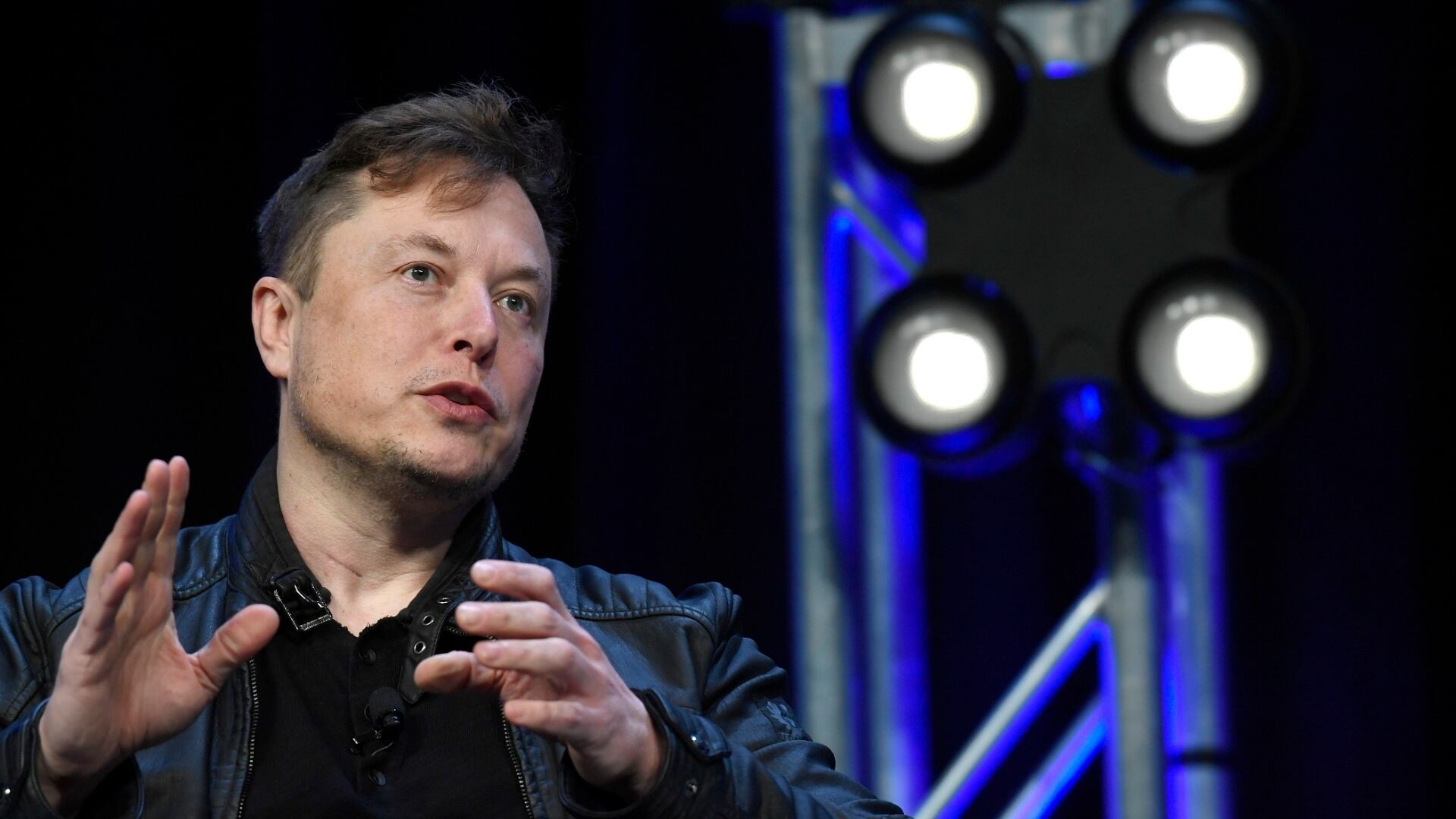
Over the Thanksgiving holiday, Elon Musk warned SpaceX employees in a leaked email that the company could be forced to file Chapter 11 bankruptcy if its raptor engine program fails. Musk then commented on the previous statement adding the detail that a recession could make such a bankruptcy possible.
Goldman Sachs is rolling out an Amazon Web Service for trading firms called GS Financial Cloud for Data with Amazon Web Services. The move comes as Wall Street looks to keep up with today's evolving tech.