Founder and CEO of US online social media and social networking service Facebook Mark Zuckerberg. Photo by KENZO TRIBOUILLARD/AFP via Getty Images/FILE)
Mark Zuckerberg and his wife Priscilla Chan have donated $25 million through their foundation to a philanthropic effort organized by Bill Gates to explore new coronavirus treatments.
The Gates Foundation donated $50 million last week to what it’s calling the “COVID-19 Therapeutics Accelerator.” The initiative brings together life sciences companies to collaborate on the development of new vaccines, diagnostics, and treatments for COVID-19.
“The Therapeutics Accelerator will enable researchers to quickly determine whether or not existing drugs have a potential benefit against COVID-19,” Chan and Zuckerberg said in a press release. “We hope these coordinated efforts will help stop the spread of COVID-19 as well as provide shared, reusable strategies to respond to future pandemics.”
The two donations are the largest from tech billionaires since the coronavirus outbreak. Wellcome and Mastercard are supporting the effort as well.
The goal of the initiative is to either develop a new drug or adapt an existing treatment that it could help distribute alongside partnering pharmaceutical companies.
The 15 companies participating in the project kicked off the effort by sharing their proprietary libraries of molecular compounds that have some history of being tested with COVID-19.
The lineup includes big names in biotech such as Johnson & Johnson, Merck, Pfizer, Sanofi, and Bristol-Myers Squibb.
Catching you up on what you missed in today's news. Elon Musk has increased his commitment to purchase Twitter to $33.5 billion, Apple is raising its hourly wages for retail stores to compete for talent, and Roblox has announced that it will be partnering with the medically prescribed video game ‘Endeavor’ to help treat patients with ADHD.
After learning that the suspect in the Uvalde school shooting posted about his intentions on Facebook, activists are urging social networks to make changes. Lena Derhally, a licensed psychotherapist and author of "The Facebook Narcissist," joined Cheddar News to discuss the role social media plays in school shootings. "They're not really invested in taking down hateful content," she said about social platforms."In regards to the shooting, it was 15 minutes before that actual threat. It would be pretty hard for a social media company to trace that threat that quickly. But what they can do better is take down threats and hateful content much faster and more than they're doing now."
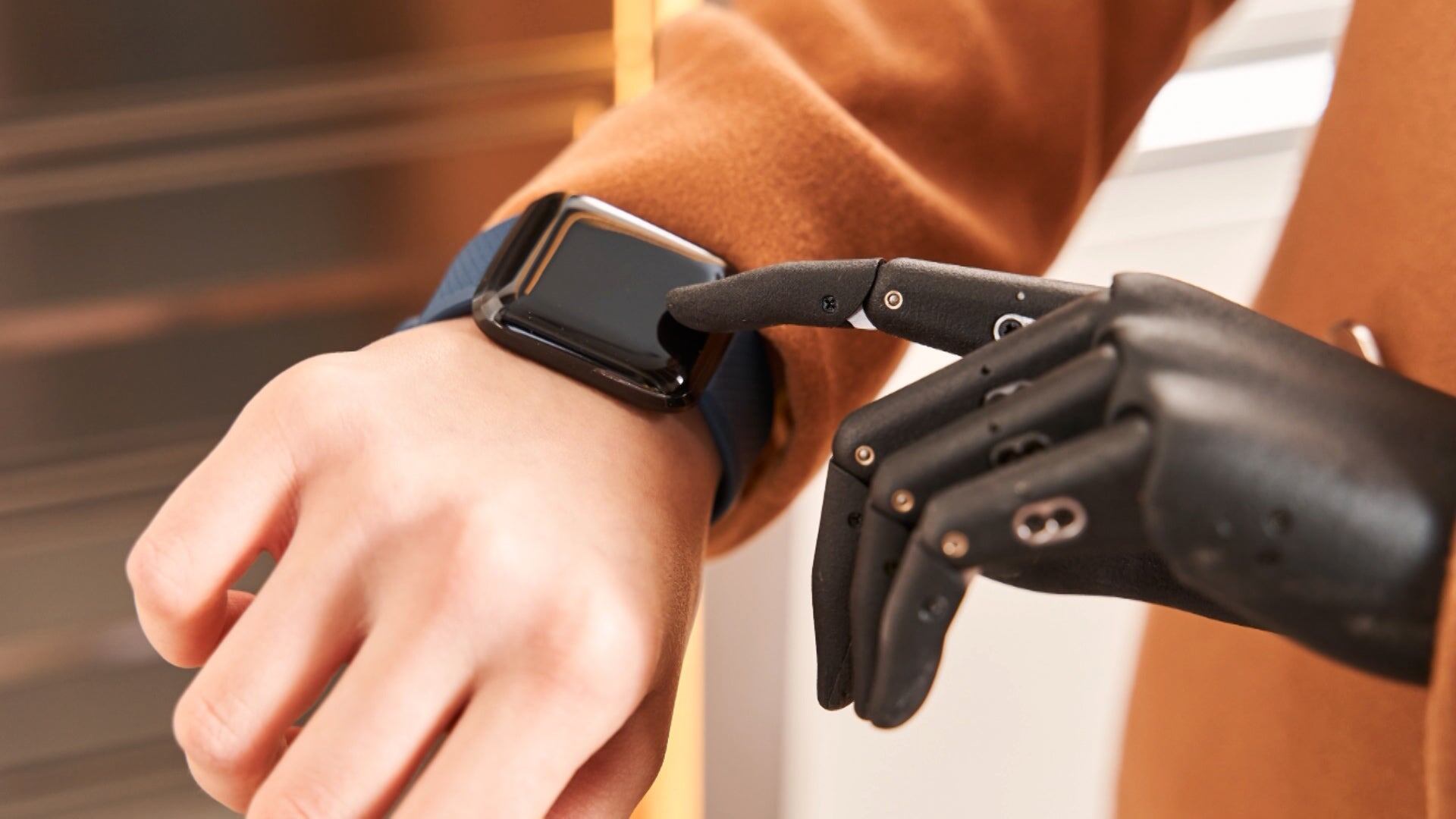
Esper Bionics CEO Dima Gazda breaks down how they're creating a mind-controlled bionic hand that guest smarter the more you use it, and what this innovation means for the future of the prosthetics industry.
On this episode of Cheddar Innovates: Brightseed Co-Founder breaks down what plant bioactives are, and how they're using the latest technology to study human's biological connections with plants; Esper Bionics CEO breaks down how they re creating a mind-controlled bionic hand that guest smarter the more you use it; Cheddar gets a look at Curiosity Stream's 'Capturing A Black Hole In Our Milky Way.'
The crypto industry is still reeling from Terra's recent crash. The company's blockchain was temporarily halted earlier this month after the collapse of its cryptocurrency Luna (LUNA) and its stablecoin TerraUSD (UST), which led to almost $45 billion being wiped from the tokens' market caps within a week. Now, many are left wondering what Terra's struggles mean for the broader crypto market. Reeve Collins, CEO of the NFT platform BLOCKv, joins Cheddar News' Closing Bell from Davos 2022 to discuss.
China's largest ride-hailing company will no longer be listed on the world's largest stock exchange. Didi shareholders voted on Monday to delist from the New York Stock Exchange, less than a year after launching a $4.4 billion IPO with the most significant U.S. share offering by a Chinese company since Alibaba debuted in 2014. Since going public in June of last year, around $70 billion has been wiped from Didi's market value and shares of the company have dropped nearly 90%. Now, Didi is expected to begin preparations to list in Hong Kong. Kevin T. Carter, founder and Chief Investment Officer of EMQQ Global, joins Cheddar News' Closing Bell to discuss.