YouTube Launches Premium Music Service, Challenging Spotify and Apple
*By Alisha Haridasani*
After a series of stops and starts, YouTube will launch a music streaming service later this month to compete directly with Spotify and Apple Music.
The ad-supported YouTube Music will be available to users for free, and an ad-free version, YouTube Music Premium, will cost about $10 a month. There will be a mobile app and a desktop player designed to stream pre-programmed playlists, personalized music suggestions, live performances, and music videos, according to a [statement](https://youtube.googleblog.com/2018/05/youtube-music-new-music-streaming.html) from YouTube.
To consolidate its various video and music products, Google will include access to YouTube Music Premium for Google Play Music subscribers at no additional cost.
In addition to the standalone music product, YouTube is re-branding its music and video YouTube Red service as YouTube Premium. The ad-free subscription service will go from $10 to $12 a month, but it includes the new ad-free premium music service.
YouTubes official entry into the premium music streaming business has been a long time coming: More than 1 billion users a month already use YouTube to “discover new music.” A [study](http://www.ifpi.org/downloads/Music-Consumer-Insight-Report-2017.pdf) published in 2017 estimates that YouTube accounts for 46 percent of time spent online listening to on-demand music.
The leading premium music streaming service, Spotify, has 75 million paid subscribers and is expected to hit 96 million by the end of the year. Rival Apple Music [reportedly](https://www.hollywoodreporter.com/news/apple-music-hits-50-million-subscribers-1112018) has 50 million paid and free users.
Kyte, a company that delivers rental cars to customers on-demand, closed an asset-backed credit financing of up to $200 million from Goldman Sachs and the Ares Global Management Alternative Credit Team to accelerate the company's fleet growth and margin expansion. Kyte and its financing providers will create a more robust trip economy that services a more demanding customer with a shared vision of an electrified, autonomous future. Ludwig Schoenack, co-founder and co-CEO of Kyte, joins Cheddar News' Closing Bell to discuss.
Volatility continues to be the name of the game when it comes to crypto. Bitcoin, the most valuable digital token, saw a small jump today - one of several small rallies throughout the month of March. Caitlin Cook, vice president of crypto education company Onramp Academy, joins Cheddar News' Closing Bell to discuss.
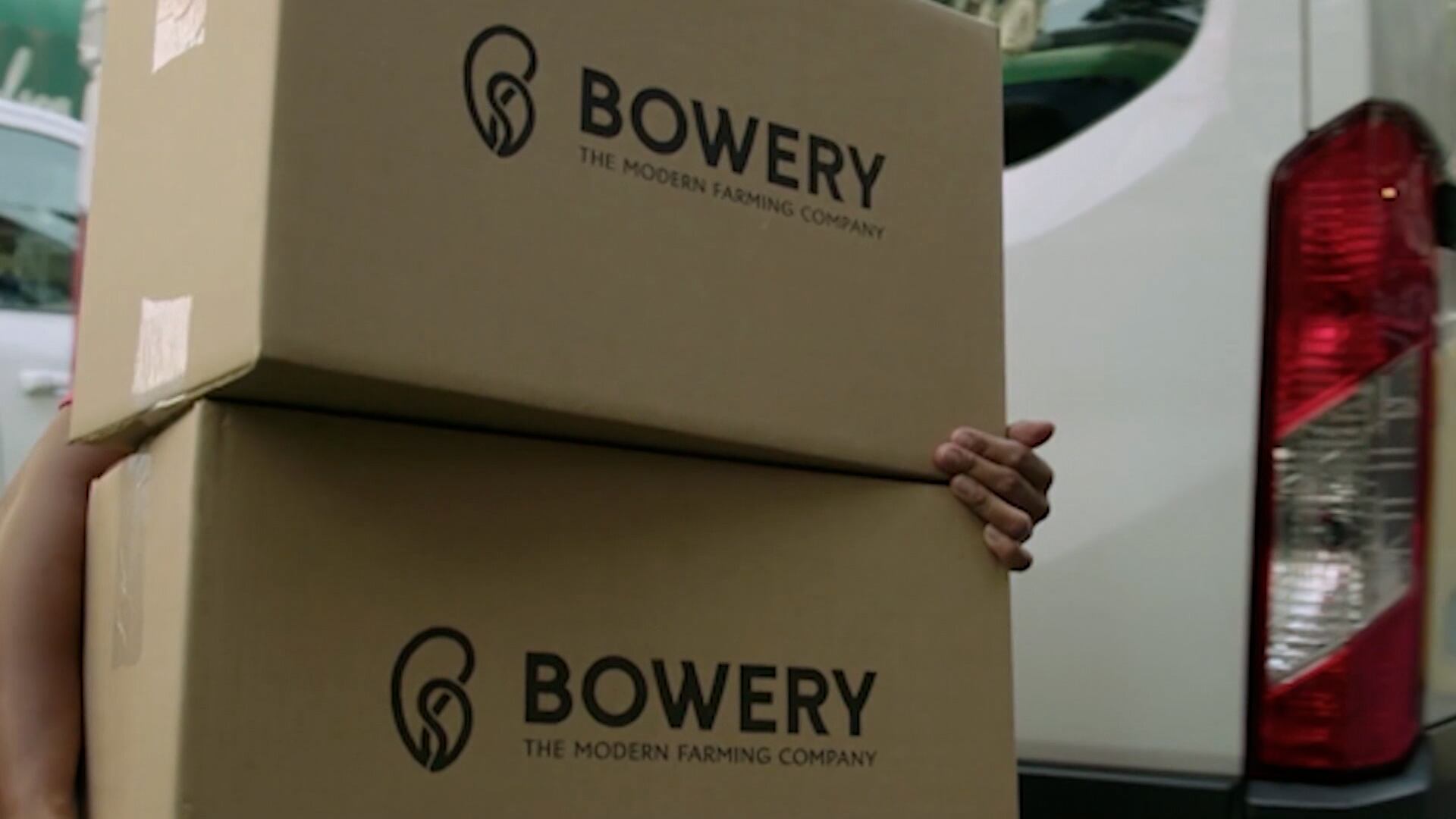
Bowery Farming's vertical growing process allows it to cultivate 13 types of greens — and now, strawberries — in a sustainable way that's also faster than traditional farming. Bowery focuses on sustainability from start to finish, using unique technology to provide plants with what they need at the right time while eliminating waste and cutting down on carbon dioxide emissions. Katie Seawell, Chief Commercial Officer of Bowery Farming, joins Closing Bell to discuss the company's vertical farming process, sustainability focus, fixing the food supply chain, and more.
Nexii, a company based in Canada, is getting some big backing for its sustainable, low-carbon concrete alternative. CEO Stephen Sidwell, joined Cheddar News to talk about the initiatives his company is taking to tackle climate change and scaling up production to meet demand. "Most people don’t realize it, but buildings are the number one contributor to CO2 emissions," he said. "So that's really what we're attacking, the overall CO2 emissions."
President Volodymyr Zelenskyy last week seemed to have put out a video that urged Ukrainians to put down their arms and surrender to Russia. It was later revealed that it was a “deepfake,” a computer-generated video to mimic the Ukrainian leader. Cheddar News speaks with security expert Morgan Wright about how the technology is being used in the war in Ukraine.
After scrutiny over the negative impact on the mental health of children, social media apps have begun adding stricter limitations to parental controls. Jim Steyer, CEO of Common Sense Media, a nonprofit organization focusing on recommendations for entertainment platforms, joined Cheddar News to talk about the changes, why they might not be enough, and what parents can do to help. "It's almost that the companies — whether they're Snapchat, Instagram, YouTube, or whatever — have to start the process from the beginning of designing the product," he said. "They have to be much more clear about age verification so that a 12-year-old and 11-year-old can't get on there." Steyer also pushed for federal legislation to reign in the issue.