YouTube Launches Premium Music Service, Challenging Spotify and Apple
*By Alisha Haridasani*
After a series of stops and starts, YouTube will launch a music streaming service later this month to compete directly with Spotify and Apple Music.
The ad-supported YouTube Music will be available to users for free, and an ad-free version, YouTube Music Premium, will cost about $10 a month. There will be a mobile app and a desktop player designed to stream pre-programmed playlists, personalized music suggestions, live performances, and music videos, according to a [statement](https://youtube.googleblog.com/2018/05/youtube-music-new-music-streaming.html) from YouTube.
To consolidate its various video and music products, Google will include access to YouTube Music Premium for Google Play Music subscribers at no additional cost.
In addition to the standalone music product, YouTube is re-branding its music and video YouTube Red service as YouTube Premium. The ad-free subscription service will go from $10 to $12 a month, but it includes the new ad-free premium music service.
YouTubes official entry into the premium music streaming business has been a long time coming: More than 1 billion users a month already use YouTube to “discover new music.” A [study](http://www.ifpi.org/downloads/Music-Consumer-Insight-Report-2017.pdf) published in 2017 estimates that YouTube accounts for 46 percent of time spent online listening to on-demand music.
The leading premium music streaming service, Spotify, has 75 million paid subscribers and is expected to hit 96 million by the end of the year. Rival Apple Music [reportedly](https://www.hollywoodreporter.com/news/apple-music-hits-50-million-subscribers-1112018) has 50 million paid and free users.
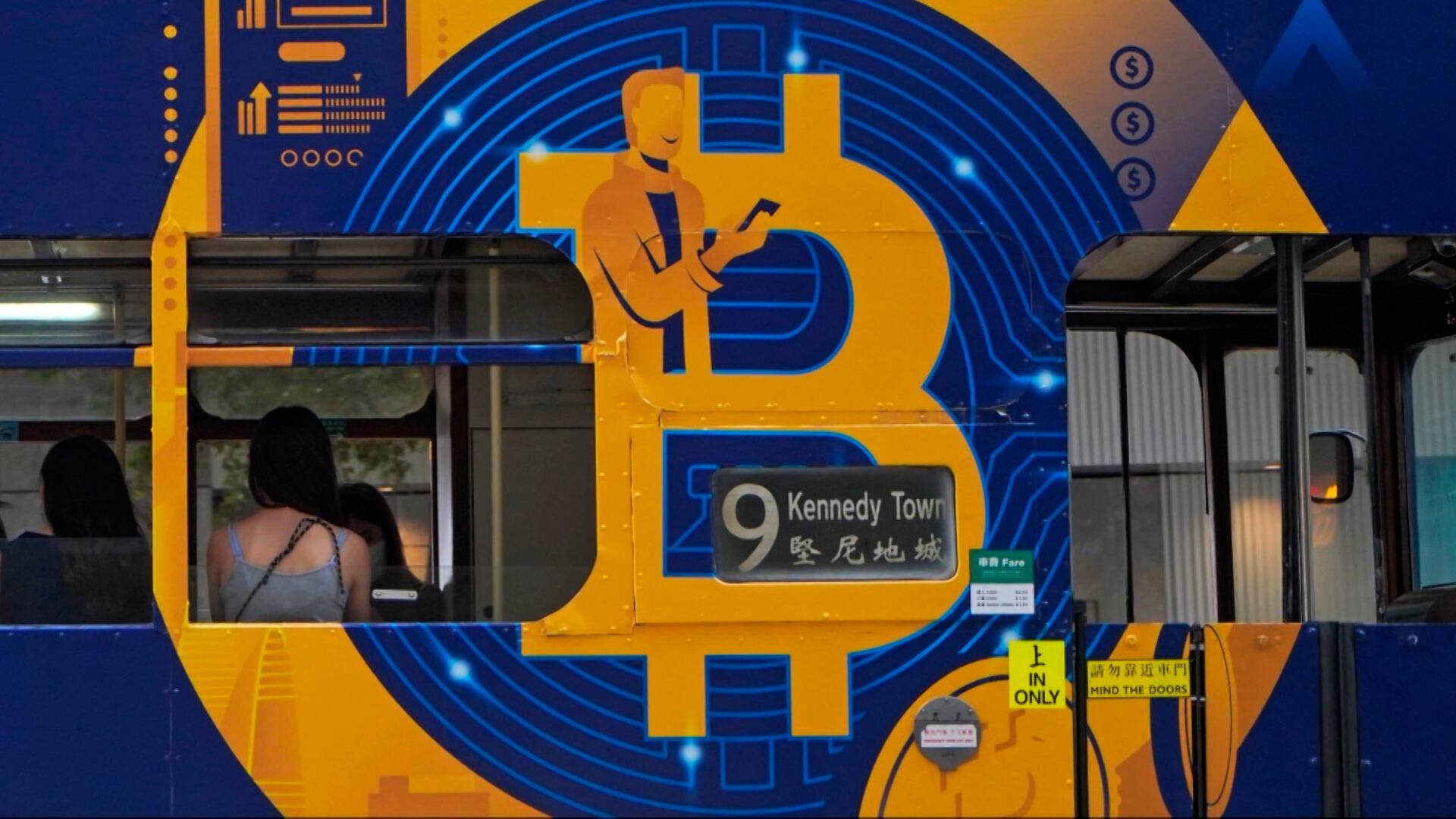
While slumps within the crypto market have typically correlated with major developments, such as China's crypto crackdown or Tesla reversing course on accepting bitcoin, the current slide is coming at a time when the stock market is at or near record levels. Reporter Alex Vuocolo talks about the role of the crypto derivatives market in bitcoin's latest price drop, as well as the future of sustainability in the space.
According to a recent report from T-Mobile, spam call traffic doubled in 2021. The company says so far they have been able to block just 21 billion spam calls for their customers this year. Despite telecom giants blocking these calls, a number of customers continue to receive these spam calls, especially during the holiday season. Founder and President of Vertical Consultants Hugh Odom, joined Cheddar to discuss more.
Venture capitalists and CEOs are clashing over the future of the internet. Web3 is the tech world's name for a decentralized, blockchain-based internet that runs on cryptocurrency. It was recently the topic of a tweet from Block CEO and former Twitter CEO Jack Dorsey who wrote that Web3 will not actually be owned by users, and instead be controlled by rich venture capitalists. Dorsey later shared that he was blocked on Twitter by Marc Andreesen, co-founder of VC firm Andreesen Horowitz, which has invested billions of dollars into Web3 and crypto projects. Correspondent for DealBook from the New York Times, Ephrat Livni, joins Cheddar News' Closing Bell to discuss what this could mean for the future of Web3.
Prices at the pump this year reached a seven-year high, and a new forecast from GasBuddy shared with CNN predicts that gas prices will only continue to rise in 2022 and that the national average could even reach $4.00 a gallon; however, analysts at GasBuddy say anything could happen when it comes to gas prices in the future, as the pandemic has made it difficult to make any predictions about the economy. Consumer Energy Alliance federal policy advisor Michael Zehr joins Cheddar News' Closing Bell to discuss.