YouTube Launches Premium Music Service, Challenging Spotify and Apple
*By Alisha Haridasani*
After a series of stops and starts, YouTube will launch a music streaming service later this month to compete directly with Spotify and Apple Music.
The ad-supported YouTube Music will be available to users for free, and an ad-free version, YouTube Music Premium, will cost about $10 a month. There will be a mobile app and a desktop player designed to stream pre-programmed playlists, personalized music suggestions, live performances, and music videos, according to a [statement](https://youtube.googleblog.com/2018/05/youtube-music-new-music-streaming.html) from YouTube.
To consolidate its various video and music products, Google will include access to YouTube Music Premium for Google Play Music subscribers at no additional cost.
In addition to the standalone music product, YouTube is re-branding its music and video YouTube Red service as YouTube Premium. The ad-free subscription service will go from $10 to $12 a month, but it includes the new ad-free premium music service.
YouTubes official entry into the premium music streaming business has been a long time coming: More than 1 billion users a month already use YouTube to “discover new music.” A [study](http://www.ifpi.org/downloads/Music-Consumer-Insight-Report-2017.pdf) published in 2017 estimates that YouTube accounts for 46 percent of time spent online listening to on-demand music.
The leading premium music streaming service, Spotify, has 75 million paid subscribers and is expected to hit 96 million by the end of the year. Rival Apple Music [reportedly](https://www.hollywoodreporter.com/news/apple-music-hits-50-million-subscribers-1112018) has 50 million paid and free users.
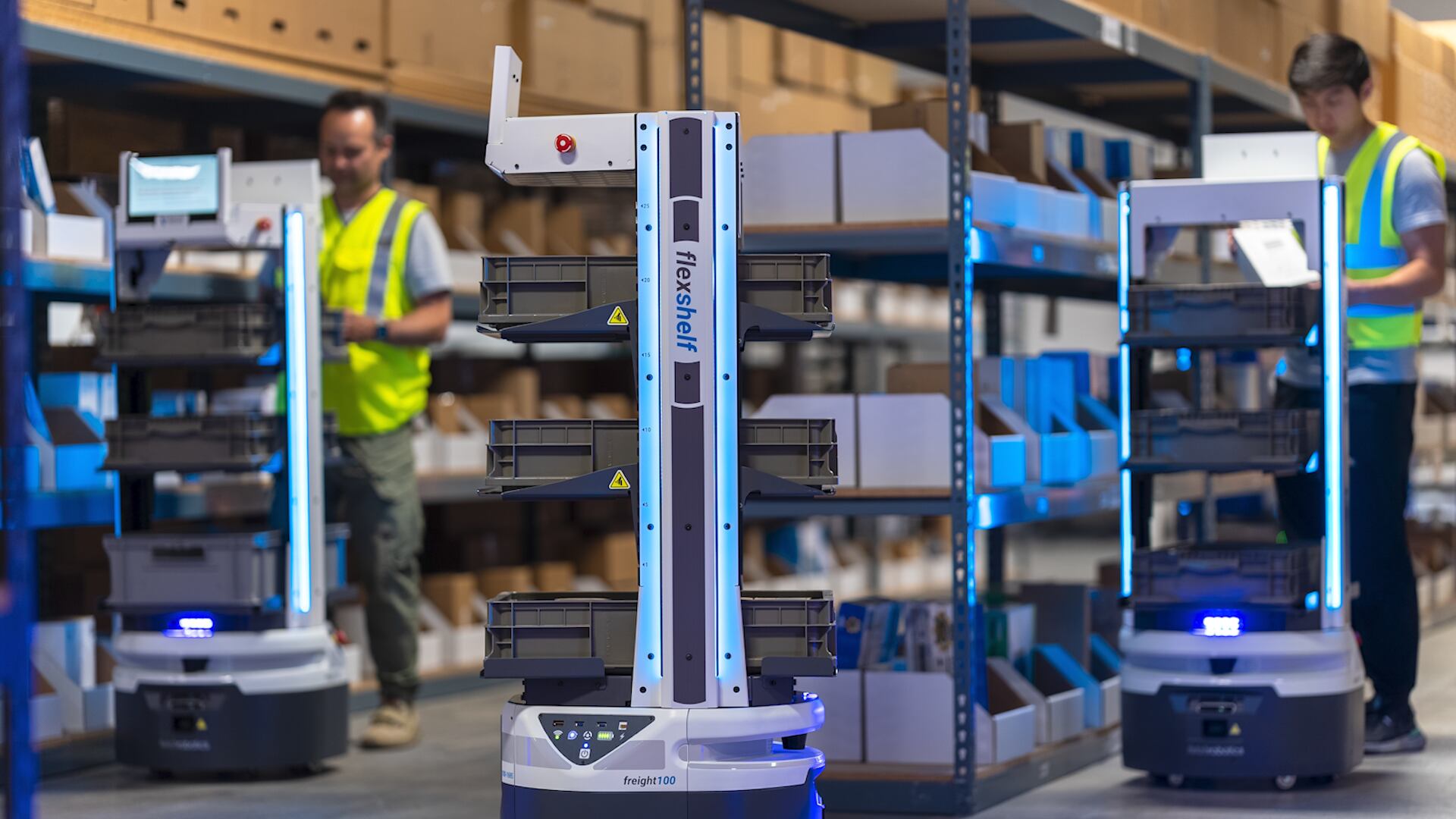
Tom Bianculli, Chief Technology Officer at Zebra Technologies, joins Cheddar Innovates to discuss how they are creating technology to make workers' lives easier, and what the future of collaboration between robots and humans may look like.
Stock closed at record highs on the first day of trading in 2022, kicking the new year off on a strong note. Tommy Mancuso, president and co-founder of the The Bad Investment Company, joined Cheddar to discuss his optimism for the year ahead, as well as the significance of Apple hitting the $3 trillion market cap mark.
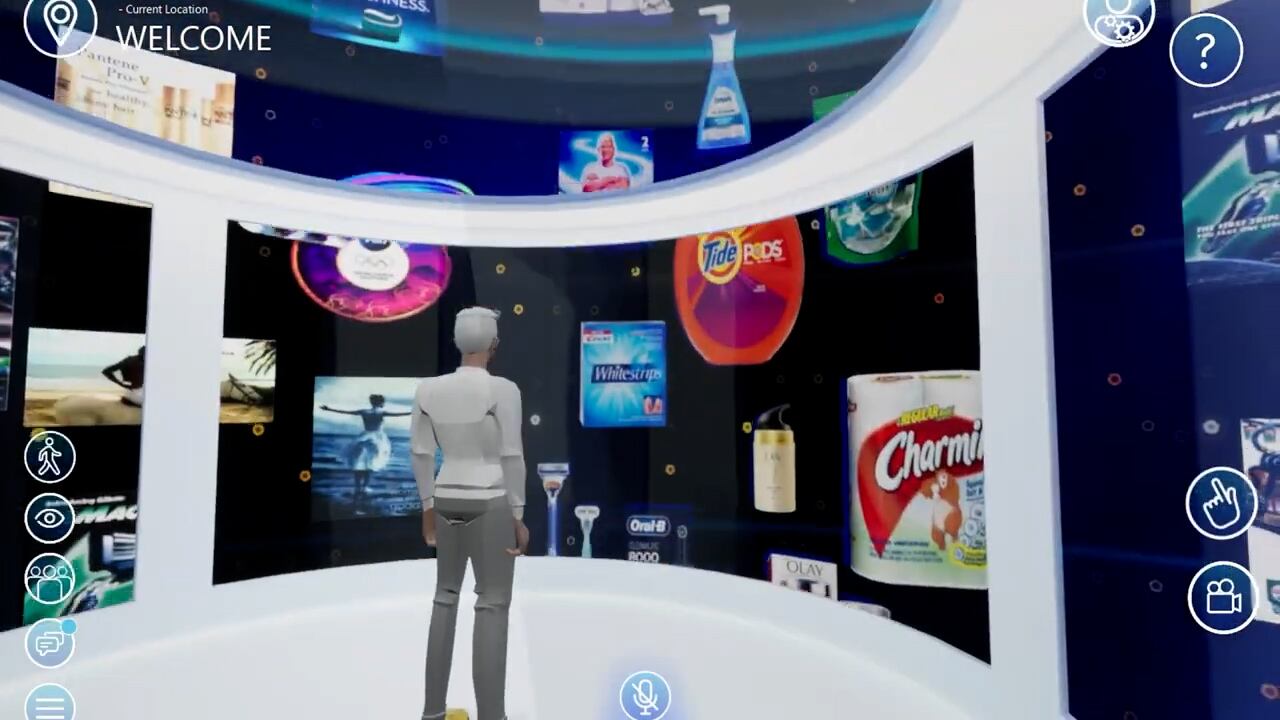
Procter & Gamble says that innovation is what it's always done best, and the company plans to showcase this with its latest products at the 2022 Consumer Electronics Show, the world's most influential technology event. The company continues to grow with the needs, and values of its customer base, which is increasingly spending more on sustainable consumer goods. To share its latest sustainability efforts, P&G is unveiling a new "Life Lab" at CES. For more on this exhibit, Marc Pritchard, Chief Brand Officer at P&G, joins Cheddar News.
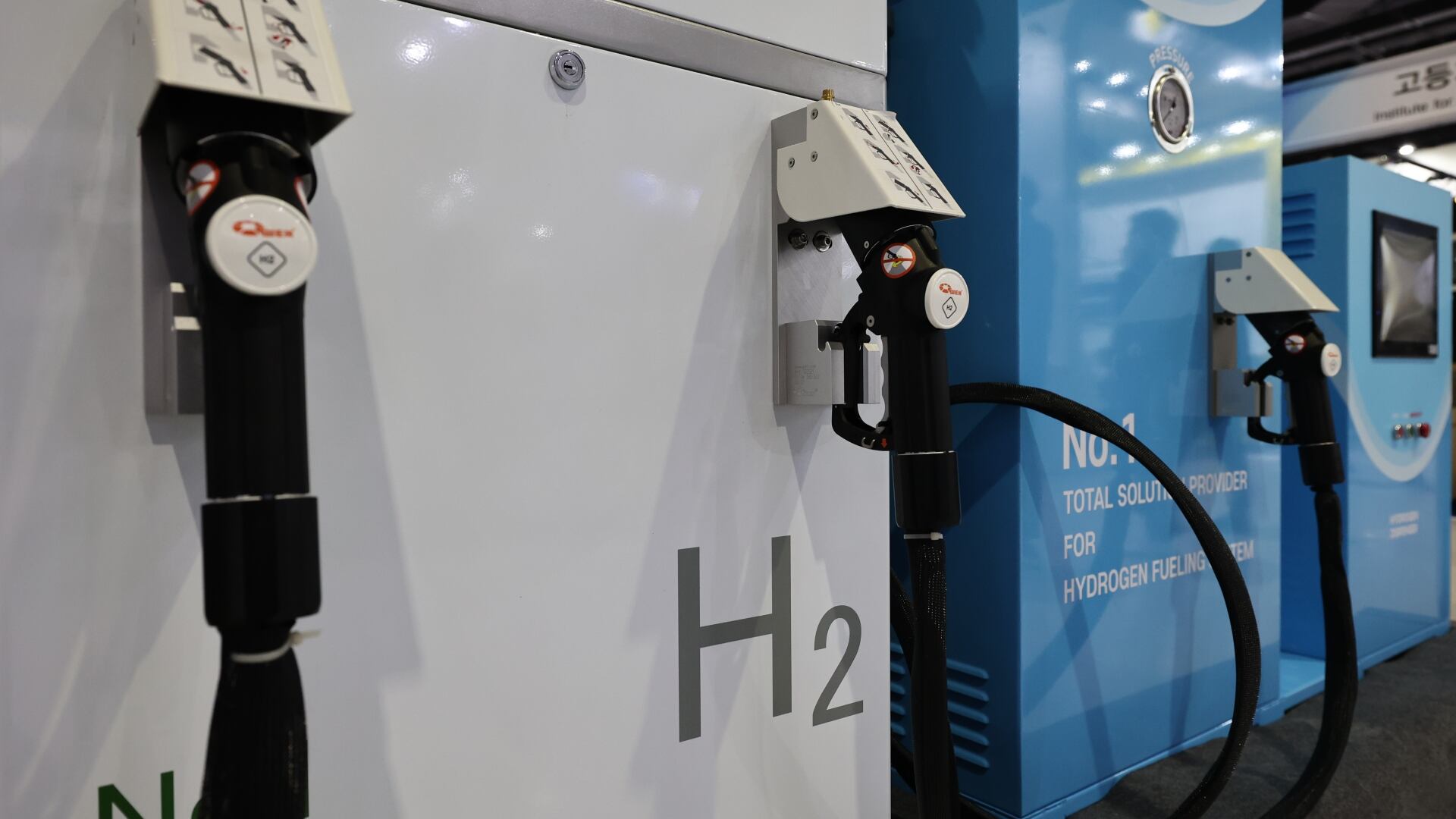
In the fight against climate change, much of the conversation revolves around reducing greenhouse gases like carbon dioxide or methane - and attempting to raise oxygen levels. But there's another gas - hydrogen - that could play a big role in the fight for the climate. Marco Alvera, CEO of Italian energy infrastructure company Snam and author of the book, 'The Hydrogen Revolution,' joined Cheddar Climate to explain the role hydrogen plays in helping achieve a net-zero future.
Vietnam's first global automaker is coming to the United States. VinFast unveiled the company's full EV lineup of five models at CES 2022. A reservation program for its first two electric vehicles, the VF 326 and the VF e35, officially opened on Wednesday, with the company set to announce the vehicle's retail prices in the U.S. and Vietnamese markets. VinFast is also one of the world's first automakers to apply blockchain technologies to the process of certifying reservations, payments, and eventually vehicle ownership. VinFast CEO Le Thi Thu Thuy joined Cheddar News' Closing Bell to discuss.
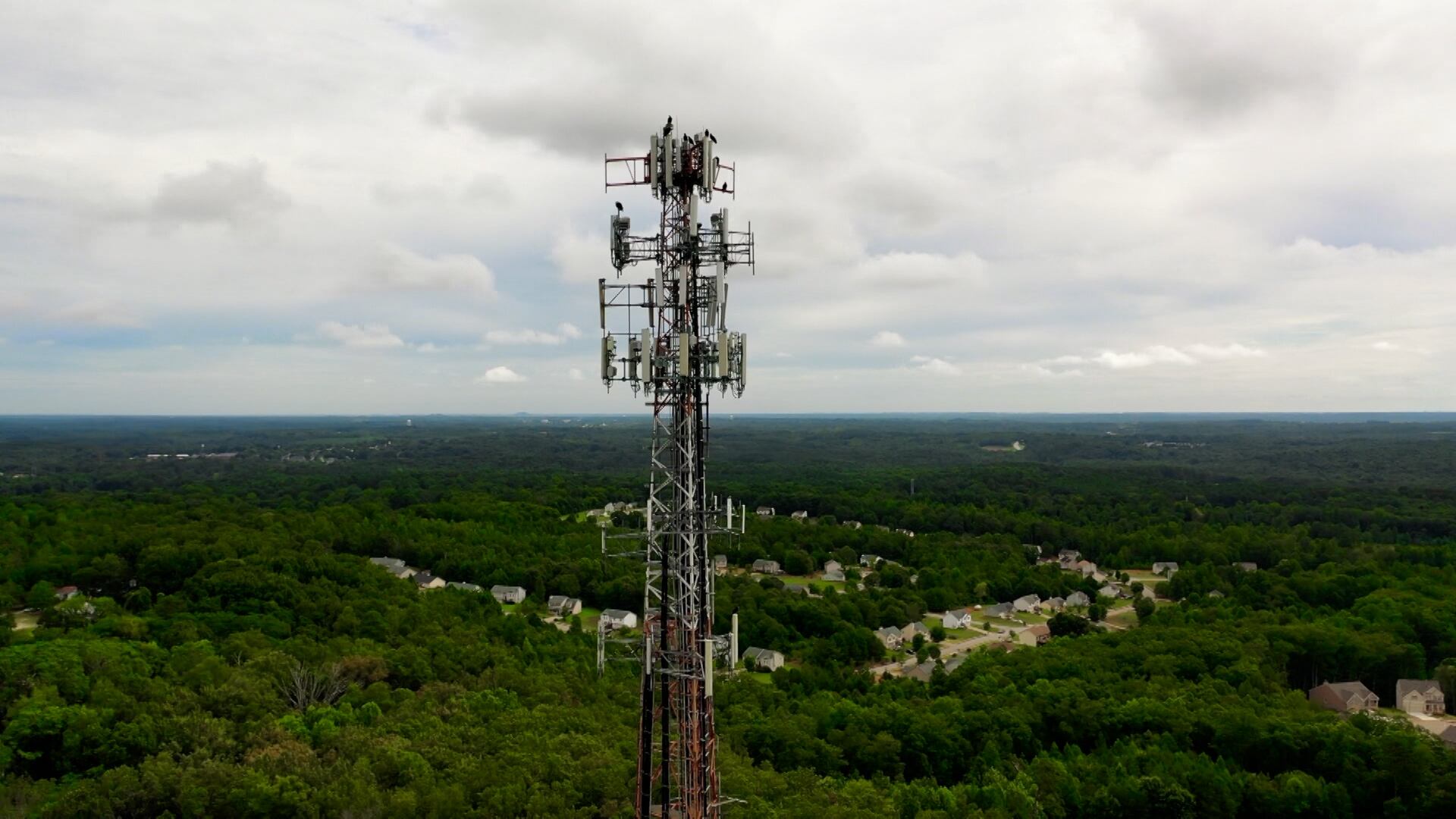
AT&T and Verizon have agreed to delay activating their 5G services for two weeks after Airlines for America, a lobbying group that represents American, Delta, and other airlines, filed a petition last week with the FCC to stop the deployment of 5G in the U.S. over concerns that the network can interfere with certain systems on airplanes. President Biden spoke out about it, saying it would avoid further delays and cancellations of flights. Light Reading 5G and Mobile Strategies Director Mike Dano joined Cheddar News' Closing Bell to discuss.
Liz Mann, EY Americas Cybersecurity Consulting Leader, joins Cheddar News to discuss the state of cybersecurity in 2022, ways to implement preventative cybersecurity practices, and what the next generation of authentication looks like.