YouTube Launches Premium Music Service, Challenging Spotify and Apple
*By Alisha Haridasani*
After a series of stops and starts, YouTube will launch a music streaming service later this month to compete directly with Spotify and Apple Music.
The ad-supported YouTube Music will be available to users for free, and an ad-free version, YouTube Music Premium, will cost about $10 a month. There will be a mobile app and a desktop player designed to stream pre-programmed playlists, personalized music suggestions, live performances, and music videos, according to a [statement](https://youtube.googleblog.com/2018/05/youtube-music-new-music-streaming.html) from YouTube.
To consolidate its various video and music products, Google will include access to YouTube Music Premium for Google Play Music subscribers at no additional cost.
In addition to the standalone music product, YouTube is re-branding its music and video YouTube Red service as YouTube Premium. The ad-free subscription service will go from $10 to $12 a month, but it includes the new ad-free premium music service.
YouTubes official entry into the premium music streaming business has been a long time coming: More than 1 billion users a month already use YouTube to “discover new music.” A [study](http://www.ifpi.org/downloads/Music-Consumer-Insight-Report-2017.pdf) published in 2017 estimates that YouTube accounts for 46 percent of time spent online listening to on-demand music.
The leading premium music streaming service, Spotify, has 75 million paid subscribers and is expected to hit 96 million by the end of the year. Rival Apple Music [reportedly](https://www.hollywoodreporter.com/news/apple-music-hits-50-million-subscribers-1112018) has 50 million paid and free users.
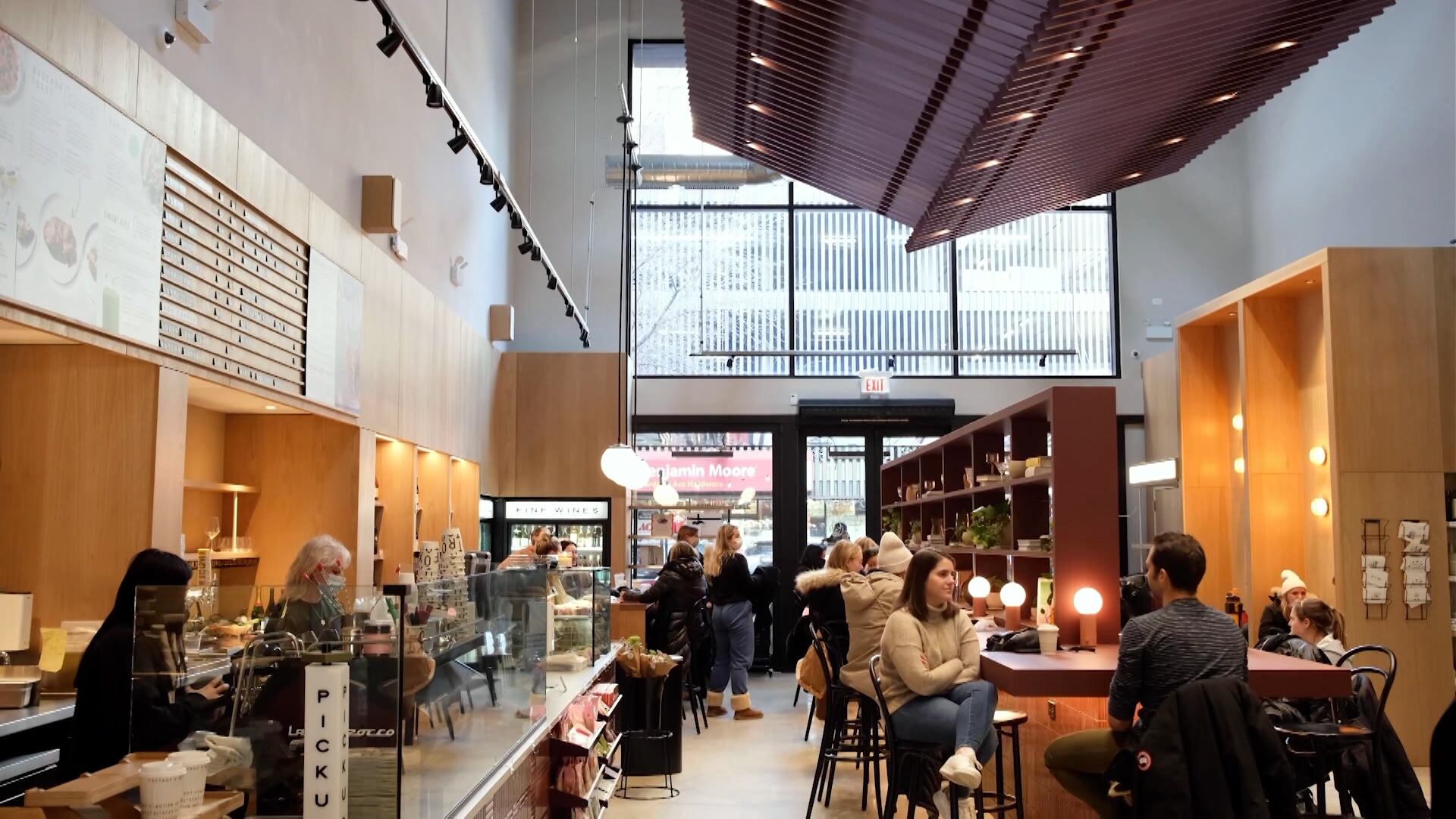
Retail platform operator and delivery company, Foxtrot,
raised $100 million in a Series C round led by D1 Capital Partners. Foxtrot bills itself as the modern convenience store that combines what it calls in-store curated discovery with 30-minute delivery and 5-minute pickup. Since launching first as a digital-only delivery service, the company has since grown into a popular local retailer, opening 16 brick and mortar locations across Chicago, Dallas, and Washington, DC. Foxtrot co-founder and CEO Michael LaVitola joined Cheddar News' Closing Bell to discuss.
The January 6 committee has subpoenaed four tech giants for more information on what they did and didn't do leading up to last year's deadly Capitol insurrection. Google, Facebook, Twitter, and Reddit were asked to assist the investigation in August, but the committee says their responses have been 'inadequate.' Craig Timberg, a national technology reporter at the Washington Post, joins Cheddar News' Closing Bell for more details about the subpoenas, why this is happening now, and how it might impact social media companies moving forward.
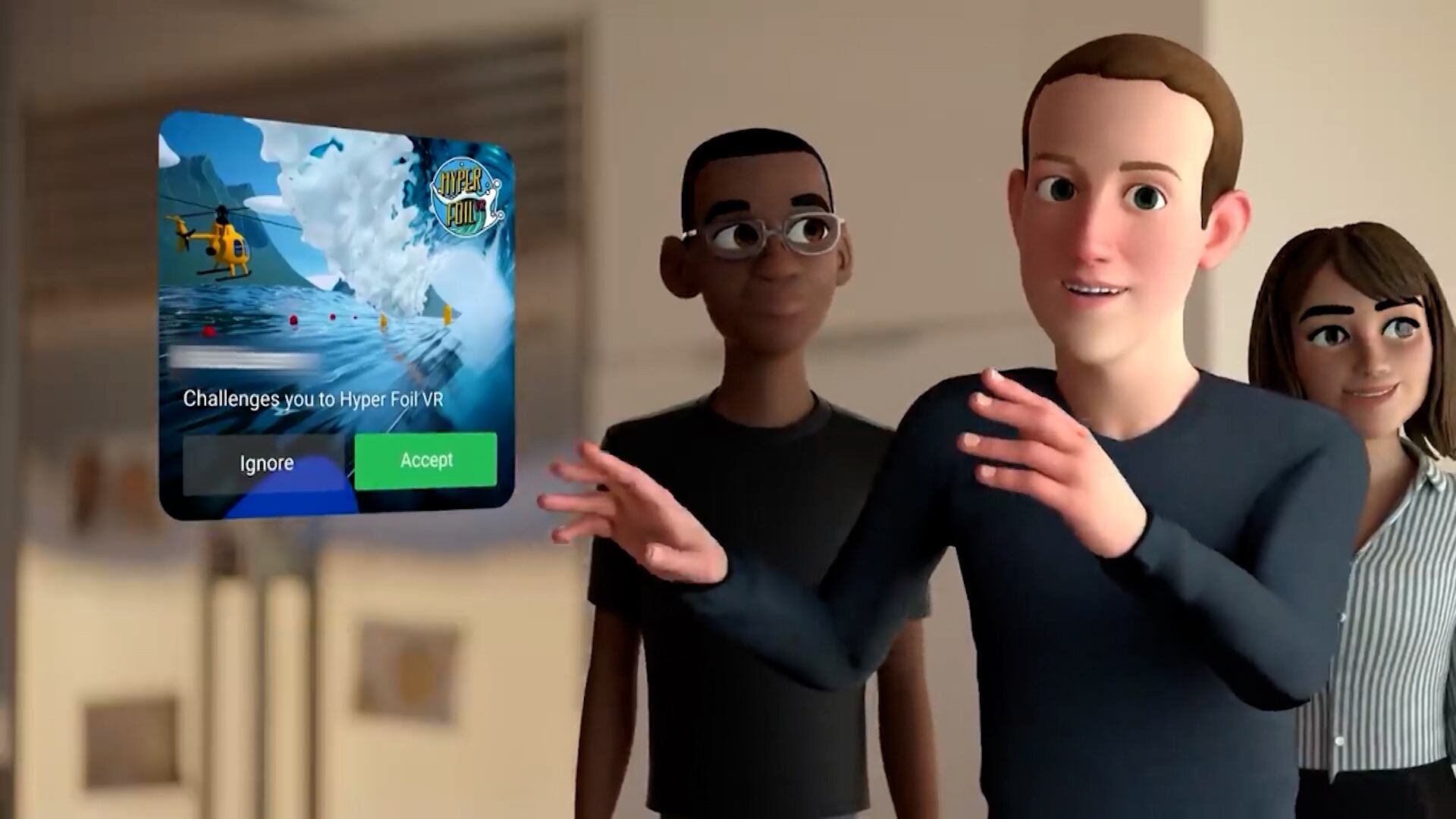
As Meta and Microsoft ramp up their AR and VR tech futures, analysts have been waiting on word from Apple, but the consumer tech giant is reportedly delaying such an announcement. Doug Astrop, a managing partner at Exponential Investment Partners, joined Cheddar to dive into the rumors about the possibilities of a foray into the metaverse by Tim Cook's megacorp sometime in 2022 or 2023. "We can't really predict with a great deal of certainty how it's going to play out, but I'm confident Apple's going to be a big player and do very well in any scenario that unfolds," said Astrop.
Makena Kelly, politics reporter at The Verge, joins Cheddar News to discuss what's next for net neutrality as Biden's other nominee for the FCC, Gigi Sohn, awaits votes from the committee and Senate.
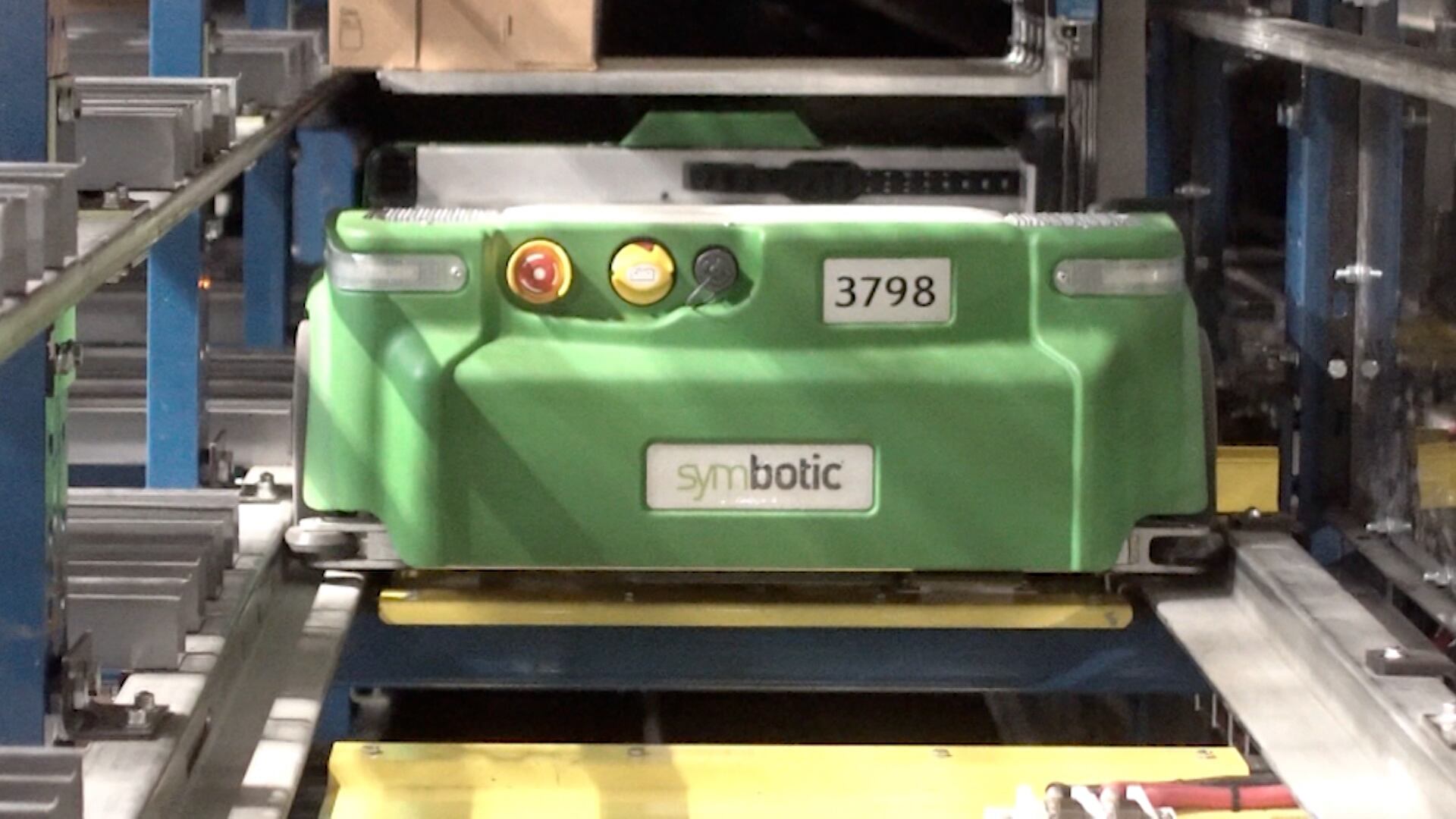
Specializing in AI, robotics, and automation for the global supply chain, Symbotic announced last month it will be tapping the public markets in a SPAC deal with investment giant SoftBank. Symbotic CFO Tom Ernst and Vikas Parekh, a managing partner at SoftBank Investment Advisers spoke with Cheddar about going public and the future of modernizing logistics amid the constrained supply networks. "The supply chain is fundamentally broken," said Ernst. "By employing the best in modern technology for autonomous vehicles and artificial intelligence, we're able to fundamentally rethink the way in which you receive and store and sort goods, making for a dramatically more efficient supply chain."
Michael Hershfield, Founder & CEO of Accrue Savings, joined Wake Up With Cheddar to discuss the company's new round of funding, and its core mission of rewarding consumers for saving rather than taking on more debt with buy now, pay later options.
Markets opened higher on the first trading day of the new year as investors continue to watch inflation and the rapid spread of the omicron variant in the U.S. Frances Newton Stacy, Optimal Capital Dir. of Strategy/Market Analyst joined Cheddar's Opening Bell to discuss.
Markets opened higher as investors react to positive data on the labor front, with weekly jobless claims falling to 198,000 for the week ending December 25. Ross Mayfield, investment strategy analyst at Baird joined Cheddar's Opening Bell to discuss the market open.