YouTube Launches Premium Music Service, Challenging Spotify and Apple
*By Alisha Haridasani*
After a series of stops and starts, YouTube will launch a music streaming service later this month to compete directly with Spotify and Apple Music.
The ad-supported YouTube Music will be available to users for free, and an ad-free version, YouTube Music Premium, will cost about $10 a month. There will be a mobile app and a desktop player designed to stream pre-programmed playlists, personalized music suggestions, live performances, and music videos, according to a [statement](https://youtube.googleblog.com/2018/05/youtube-music-new-music-streaming.html) from YouTube.
To consolidate its various video and music products, Google will include access to YouTube Music Premium for Google Play Music subscribers at no additional cost.
In addition to the standalone music product, YouTube is re-branding its music and video YouTube Red service as YouTube Premium. The ad-free subscription service will go from $10 to $12 a month, but it includes the new ad-free premium music service.
YouTubes official entry into the premium music streaming business has been a long time coming: More than 1 billion users a month already use YouTube to “discover new music.” A [study](http://www.ifpi.org/downloads/Music-Consumer-Insight-Report-2017.pdf) published in 2017 estimates that YouTube accounts for 46 percent of time spent online listening to on-demand music.
The leading premium music streaming service, Spotify, has 75 million paid subscribers and is expected to hit 96 million by the end of the year. Rival Apple Music [reportedly](https://www.hollywoodreporter.com/news/apple-music-hits-50-million-subscribers-1112018) has 50 million paid and free users.
New laws under consideration in Europe, Asia, and the U.S. could put some sharp limitations on Big Tech. Some of the limits would include how these companies can treat smaller competitors and even restrict their use of artificial intelligence, things like facial recognition. Co-founder and Executive Director at Accountable Tech, Nicole Gill, joined Cheddar to discuss more.
A new report out on Linkedin says that Crypto-related job postings in the US surged to 395% between 2020 and 2021. Job titles which included titles containing "Bitcoin", "Ethereum", "Blockchain", and cryptocurrency, all outpaced jobs in the wider tech industry which saw a 98% increase in listings during the same time period. LinkedIn also notes that the most common crypto job postings were blockchain developers and engineers. CEO of Radkl, Ryan Sheftel, joined Cheddar to discuss more.
Garrett Nelson, Senior Analyst and VP of Equity Research at CFRA Research, joins Cheddar News' Closing Bell, where he breaks down where automakers like Ford, Tesla, Rivian, and Lucid currently stand at the start of 2022 and what we should expect to transpire in the upcoming year.
Fintech startup Milo has launched what it says to be the world's first crypto mortgage. As part of the offering, clients will be able to use Bitcoin as collateral to purchase property and qualify for a 30-year loan. Josip Rupena, CEO and Founder of Milo, joins Cheddar News' Closing Bell, where he explains how this offering is a winning solution for crypto investors who want to invest in real estate.
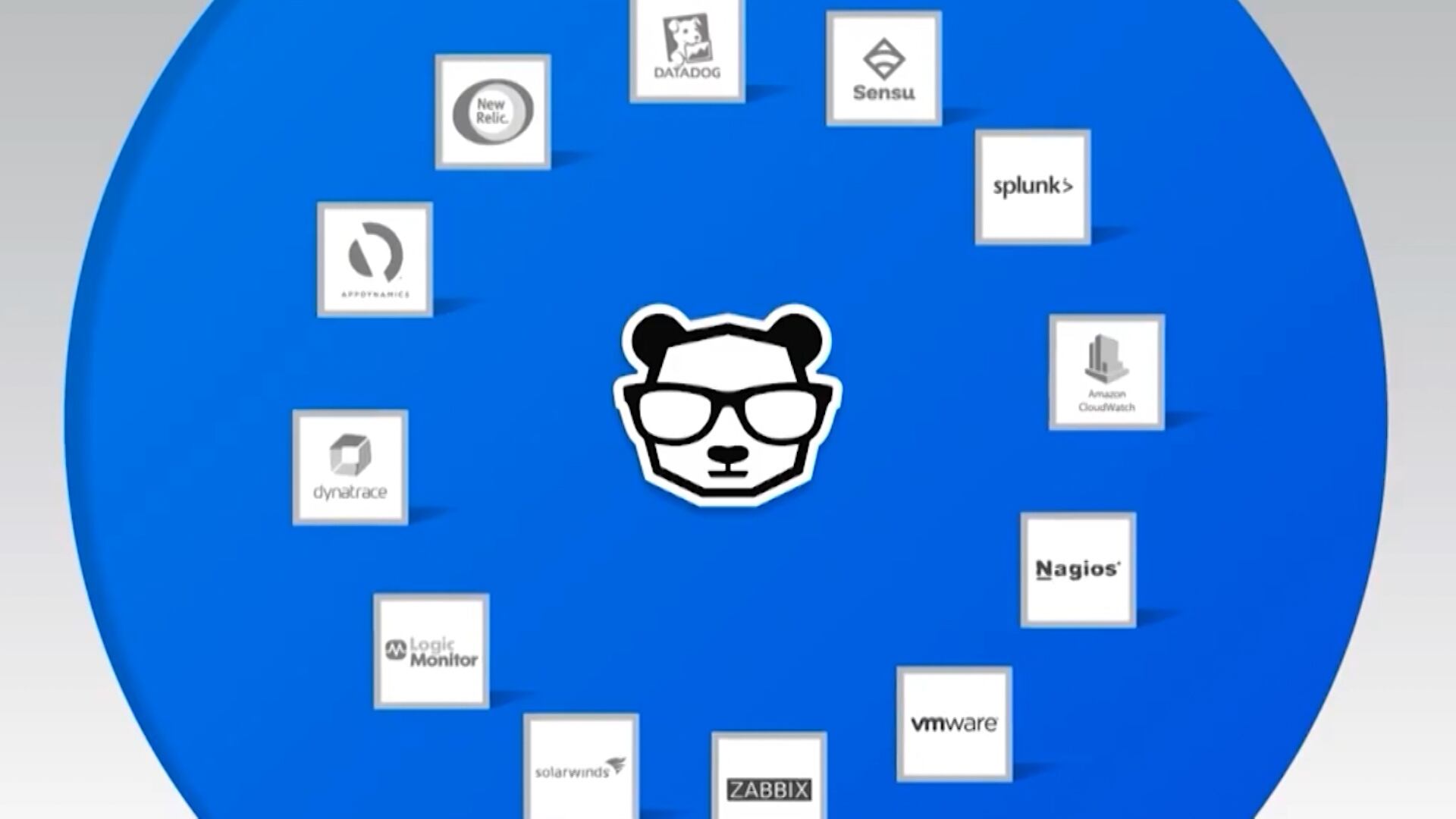
Software company BigPanda recently raised $190 million in Series D funding, led by Advent International and Insight Partners. The funding round gives the company unicorn status with a $1.2 billion valuation. BigPanda develops A.I. software that detects and analyzes problems in I.T. systems. The company says it aims to be the solution for other companies that do not have enough manpower to manage their data, as more and more industries continue to build a broader digital presence. BigPanda co-founder and CEO Assaf Resnick joined Cheddar News' Closing Bell to discuss.