YouTube Launches Premium Music Service, Challenging Spotify and Apple
*By Alisha Haridasani*
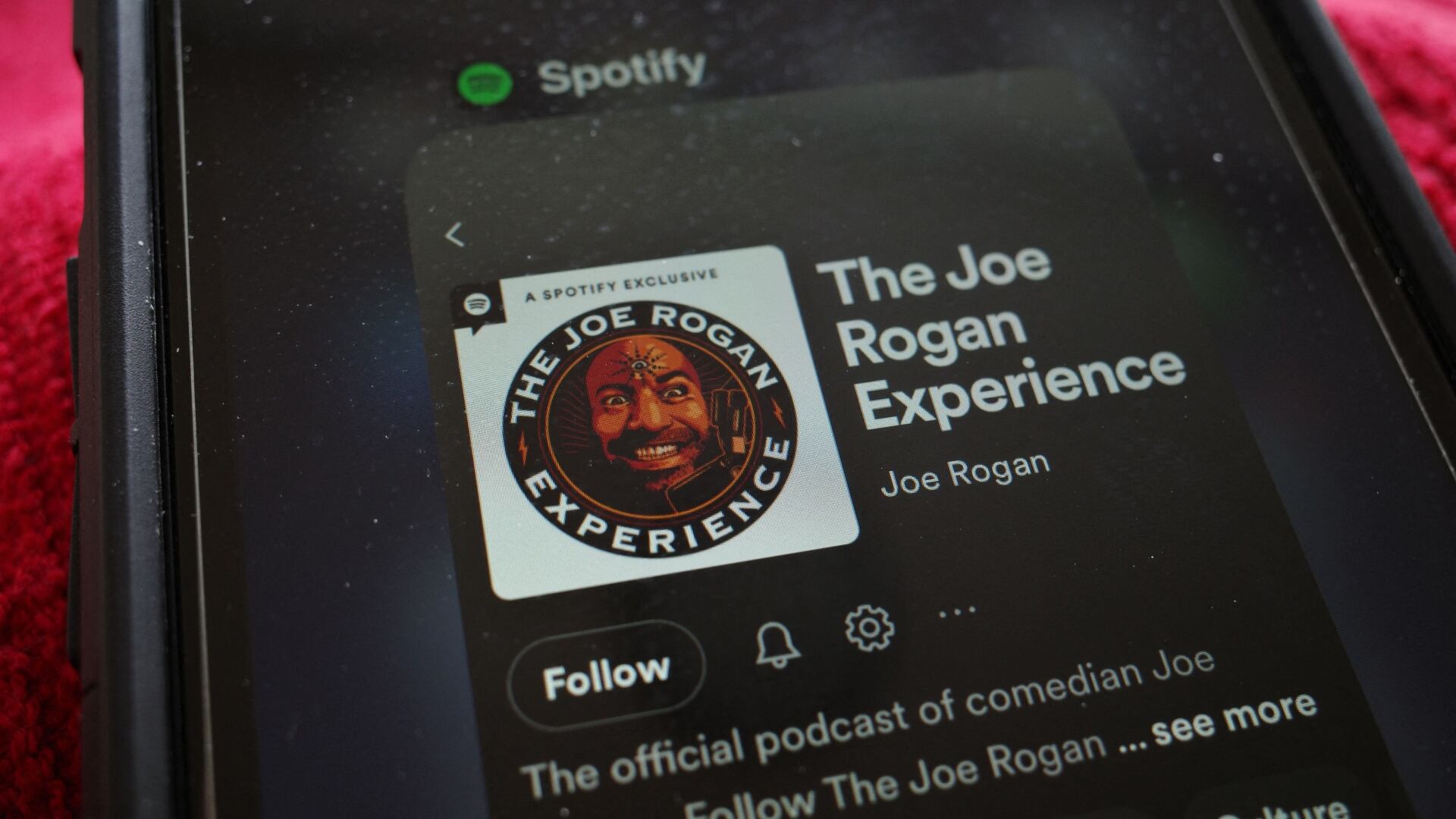
After a series of stops and starts, YouTube will launch a music streaming service later this month to compete directly with Spotify and Apple Music.
The ad-supported YouTube Music will be available to users for free, and an ad-free version, YouTube Music Premium, will cost about $10 a month. There will be a mobile app and a desktop player designed to stream pre-programmed playlists, personalized music suggestions, live performances, and music videos, according to a [statement](https://youtube.googleblog.com/2018/05/youtube-music-new-music-streaming.html) from YouTube.
To consolidate its various video and music products, Google will include access to YouTube Music Premium for Google Play Music subscribers at no additional cost.
In addition to the standalone music product, YouTube is re-branding its music and video YouTube Red service as YouTube Premium. The ad-free subscription service will go from $10 to $12 a month, but it includes the new ad-free premium music service.
YouTubes official entry into the premium music streaming business has been a long time coming: More than 1 billion users a month already use YouTube to “discover new music.” A [study](http://www.ifpi.org/downloads/Music-Consumer-Insight-Report-2017.pdf) published in 2017 estimates that YouTube accounts for 46 percent of time spent online listening to on-demand music.
The leading premium music streaming service, Spotify, has 75 million paid subscribers and is expected to hit 96 million by the end of the year. Rival Apple Music [reportedly](https://www.hollywoodreporter.com/news/apple-music-hits-50-million-subscribers-1112018) has 50 million paid and free users.
Energy Impact Partners is a VC firm committed to helping the world move toward a more sustainable future. The tech-focused fund aims to reach $350 million for its Deep Decarbonization Frontier Fund,' which aims to support early-stage companies working on innovative solutions. Energy Impact Partners' Managing Director Andy Lubershane joined Cheddar Climate to discuss.
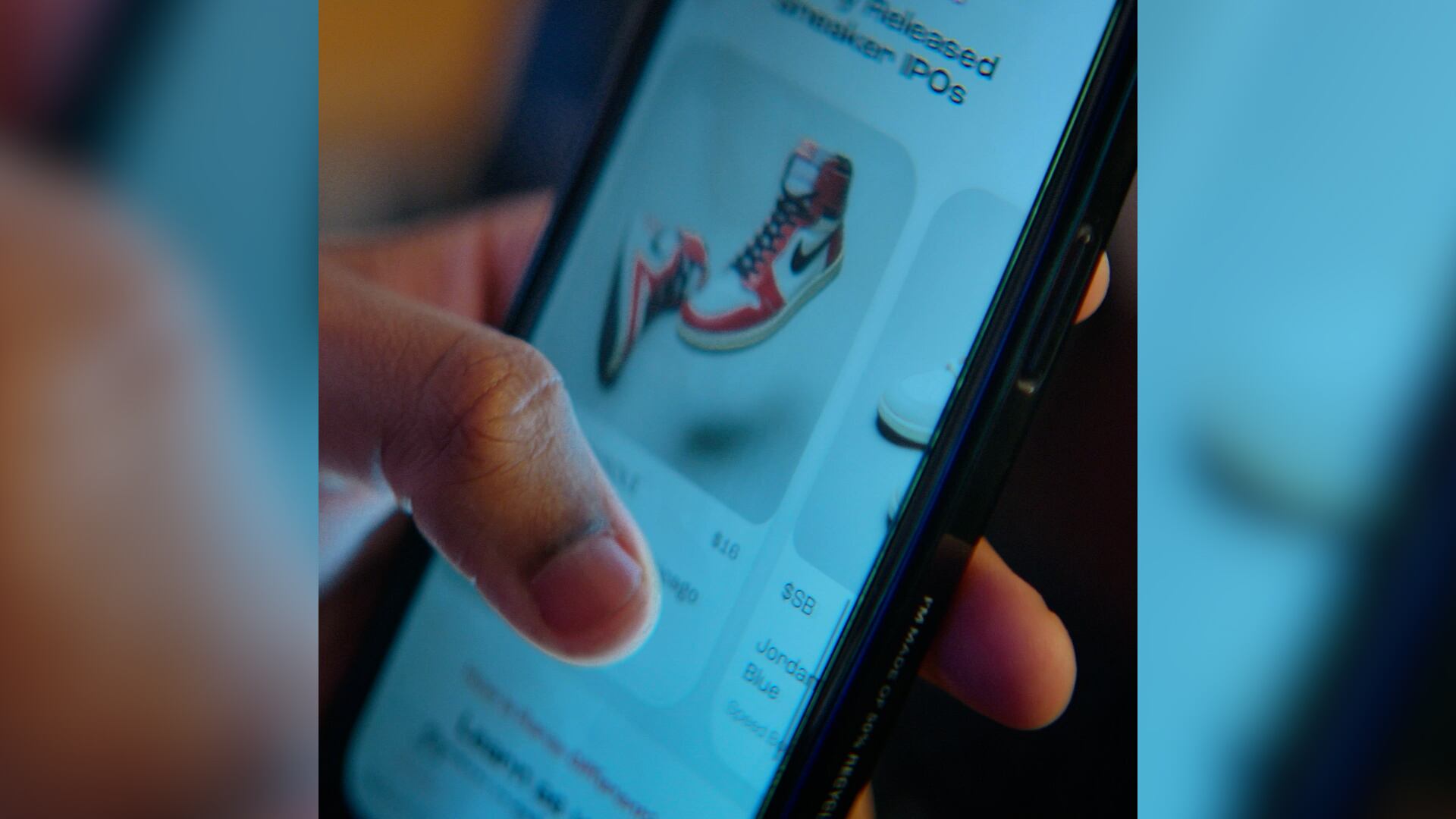
Over the years we have heard a number of ways people can invest. However, have you thought about how you could invest in sneakers? Well, one platform says you can do that and more.RARE is an investment platform for sneakers that allows users to easily invest in the sneaker culture by giving them the opportunity to buy and trade shares of rare shoes and letting users own some of the most sought-after kicks at a fractional level. Rare says the goal is to empower the communities who made sneakers what they are today and give everyone a piece of the pie. CEO of RARES, Gerome Sapp, joined Cheddar to discuss more.
Crypto is increasingly becoming a hotspot for criminals and fraud with cryptocurrency crime reaching a record-breaking high. reports show scammers took $14 billion worth of crypto in 2021 alone. The latest crypto scam is aimed at investors in Binance. Ben Armstrong, the founder of Bitboy Crypto, joins Cheddar News to discuss.
SES Holdings, a leader in production of high-performance hybrid lithium-metal rechargeable batteries for electric vehicles, has arrived on Wall Street. The company went public via SPAC deal and now trades on the New York Stock Exchange under the ticker 'SES.' Qichao Hu, founder & CEO, joined Cheddar Movers to discuss the debut as well as what lies ahead for the company.
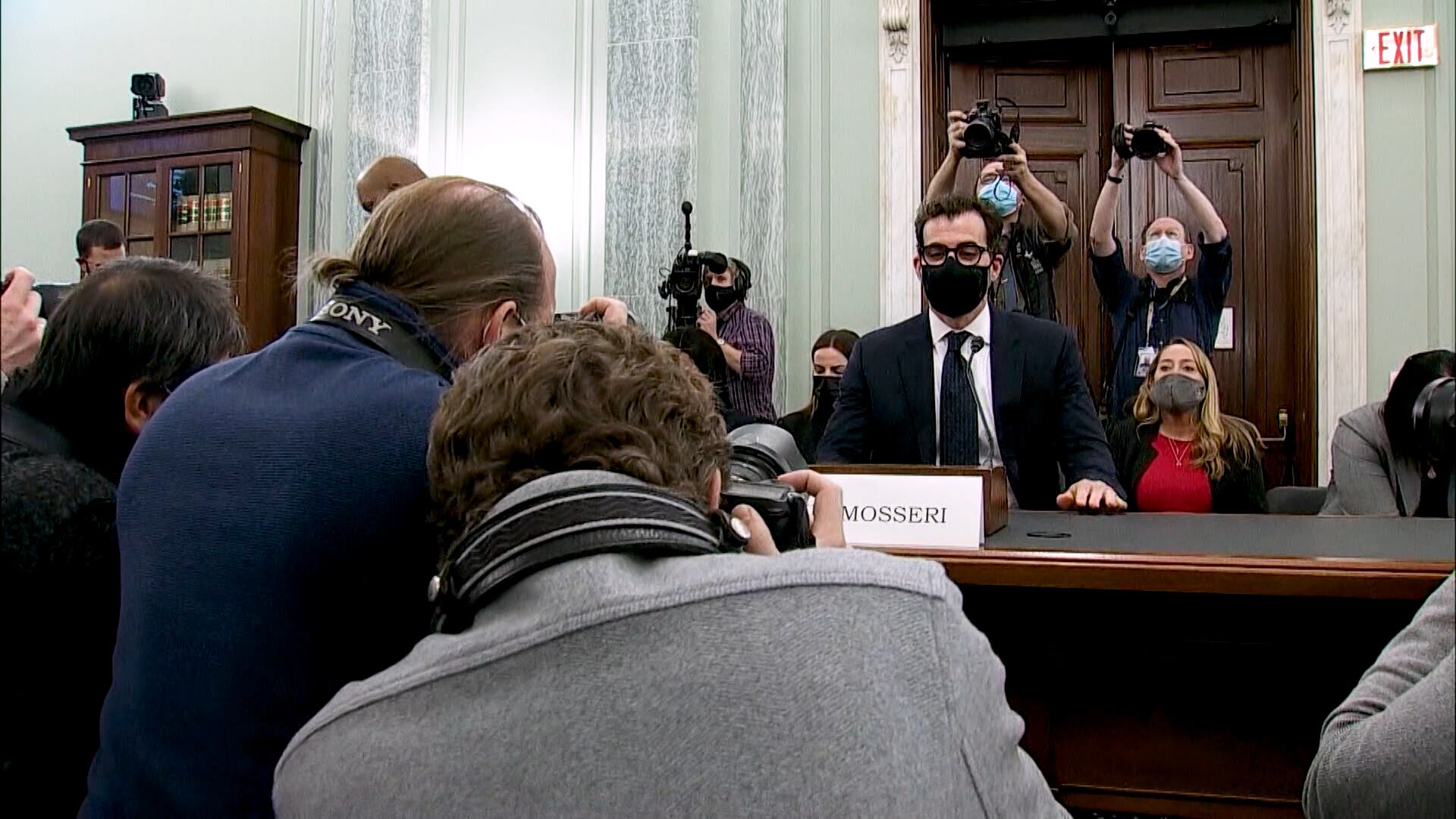
More than 70 religious leaders have come together to sign a letter to urge Mark Zuckerberg and Meta to halt plans for Instagram for Kids. The signers claim that this new platform, currently on pause, could cause spiritual harm to young people. Lucy Kidwell, the screen-free week coordinator for the nonprofit that organized the letter, Fairplay, joined Cheddar News to discuss the issue on Safer Internet Day. "It's not necessarily the content, even, that's on these platforms, but more the structure of the app itself," she said. "It's all focused on comparison, promoting yourself, putting forward this image of perfection and this beautiful life that's really harmful to kids who can't really separate what's real and what's fake and who may not be emotionally mature enough to handle something so complicated."
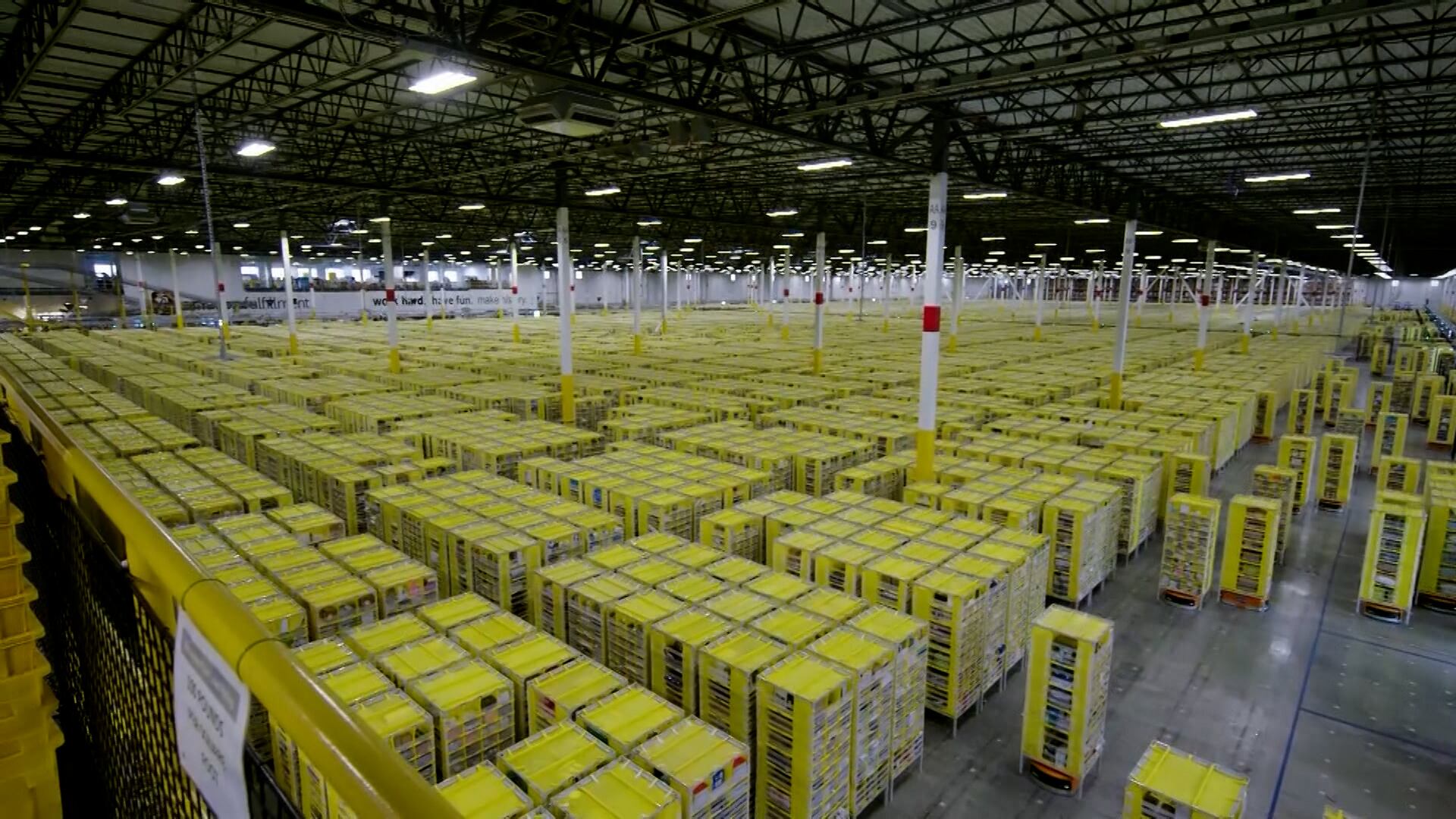
Amazon warehouse workers in Alabama are set to begin voting to unionize for a second time after workers at the facility in the town of Bessemer overwhelmingly voted against forming a union during an election early last year; but in November, the National Labor Relations Board overturned the vote, upholding a union challenge of the results which argued that Amazon undermined the conditions for a fair election. Another round of ballots will now be mailed out to works at the warehouse for a so-called re-run election. Director of Labor and Employment Studies at San Francisco State University John Logan and National Field Director for Our Revolution Mike Oles joined Cheddar News' Closing Bell to discuss.
February 8 is Safer Internet Day, and Google has partnered with online education organization Khan Academy to release a courseload focused on internet safety. The partnership includes a $5 million donation towards content development from Google, with modules to be made available in various languages throughout 2022. Founder of Khan Academy, Sal Khan, joined Cheddar News to discuss the partnership. "We need to get to a world where everyone of all ages has a chance to learn and practice and feel good that they can navigate the internet in a safe way,” said Khan.
Big tech companies such as Amazon and Google are garnering criticism for failing at their proposed climate pledges, most of which rely on carbon offsets — a potential loophole where companies pay others to address their omissions. Gilles Dufrasne, policy officer at Carbon Market Watch, joined Cheddar News to explain the organization's negative evaluation. "The objective here is not to bash companies and say everybody is doing the wrong thing," he said. "The objective is to also provide lessons, and there are some companies that are doing the right thing."