If you want to dine indoors, go to a gym or attend an event at an entertainment venue in New York, you'll need to show proof that you have had at least one dose of a COVID-19 vaccine.
Starting on September 13, New York began enforcing its vaccine mandate for various indoor venues. The rules extend to include workers at these facilities as well.
"The business has gone down at least 35 to 40 percent, and we expect it to go down a little more," said Pedro Zamora, owner of Cantina Rooftop in Manhattan. "But on the other hand, I feel good to do that because it's the way to end the pandemic, and I urge everybody, if you're not vaccinated, try to get vaccinated as soon as possible because that's only for the good of our community and to stop this virus from going on."
If businesses are found not to be compliant, they can be fined $1,000 for a first offense, with increasing penalties if they continue to break the rules.
New York has some of the strictest vaccine mandates in the United States. Mayor Bill de Blasio also requires city workers to be vaccinated or to undergo weekly COVID-19 testing. Students 12 and up who participate in "high-risk" after-school activities, like sports or performing arts, also must be vaccinated.
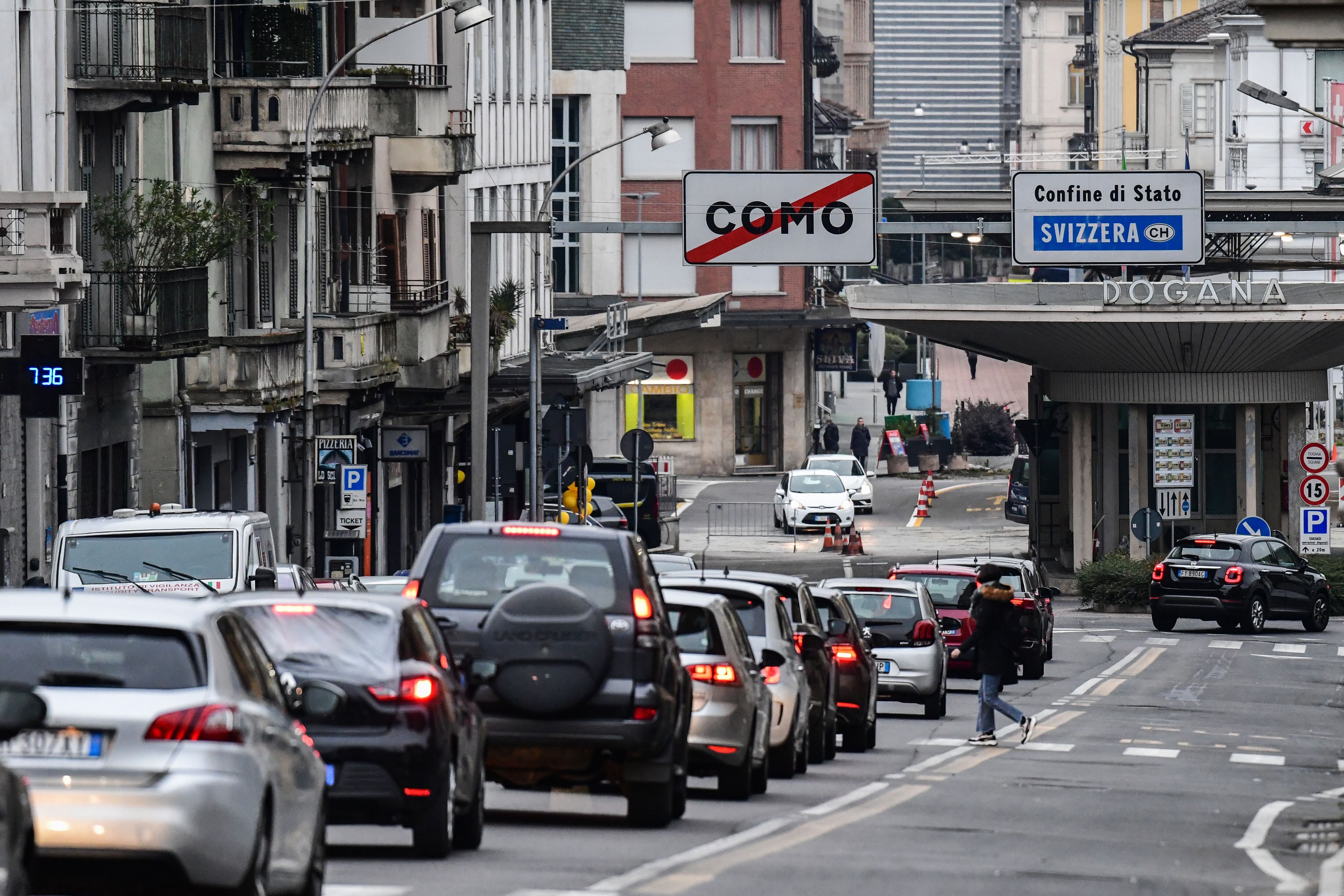
Lenore Hawkins, chief macro strategist at Tematica Research, told Cheddar from Lake Como, Italy, that the local populace seems to be taking the directives to stay indoors seriously.
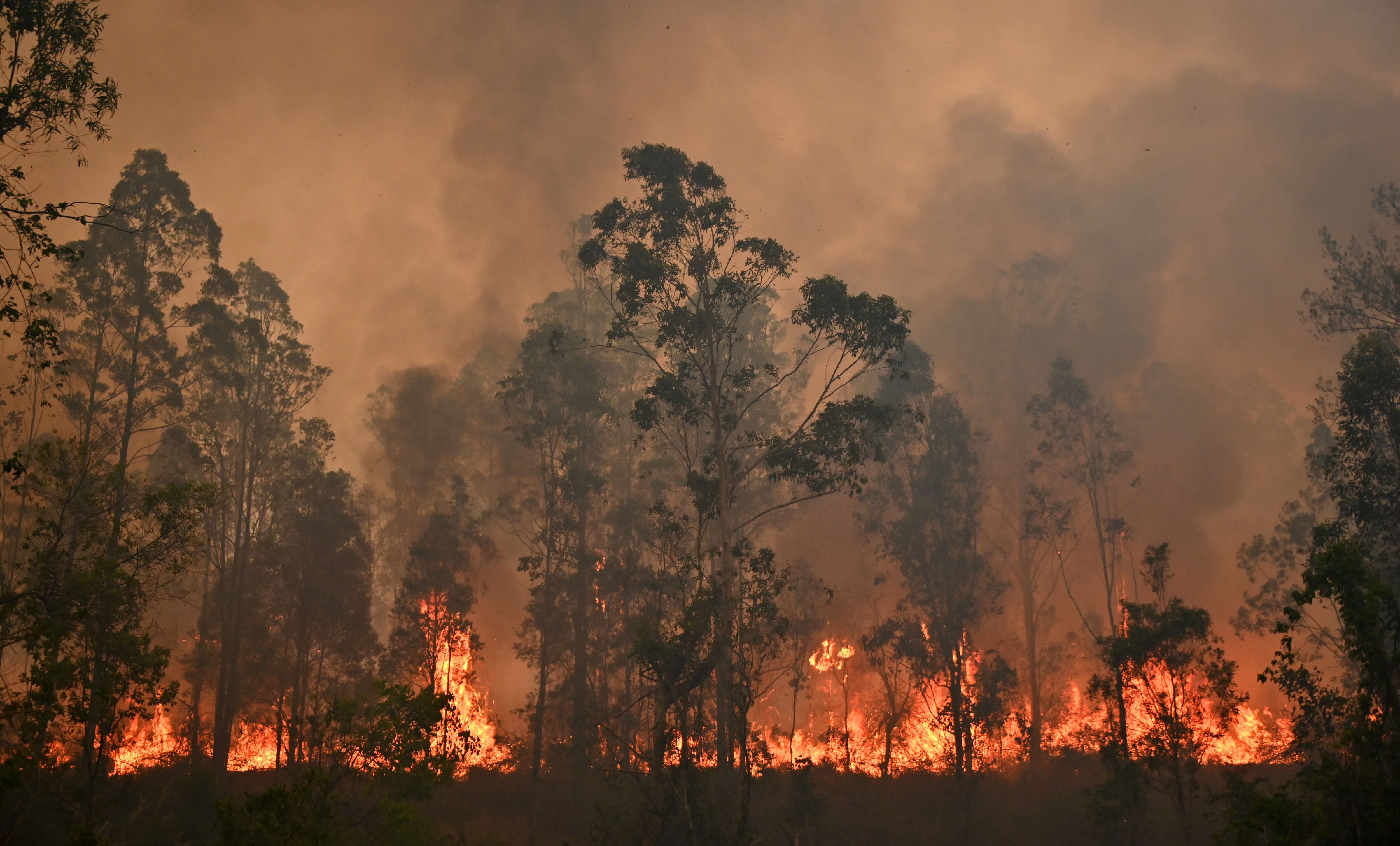
The Earth's average temperature last year was about 1.1 degrees Celsius higher than pre-industrial levels, second only to the record established in 2016.
Swaths of shale producers, many heavily in debt and still recovering from the price crash of 2015, have posted double-digit drops in stock prices in the past 48 hours, with some companies already announcing rounds of layoffs.
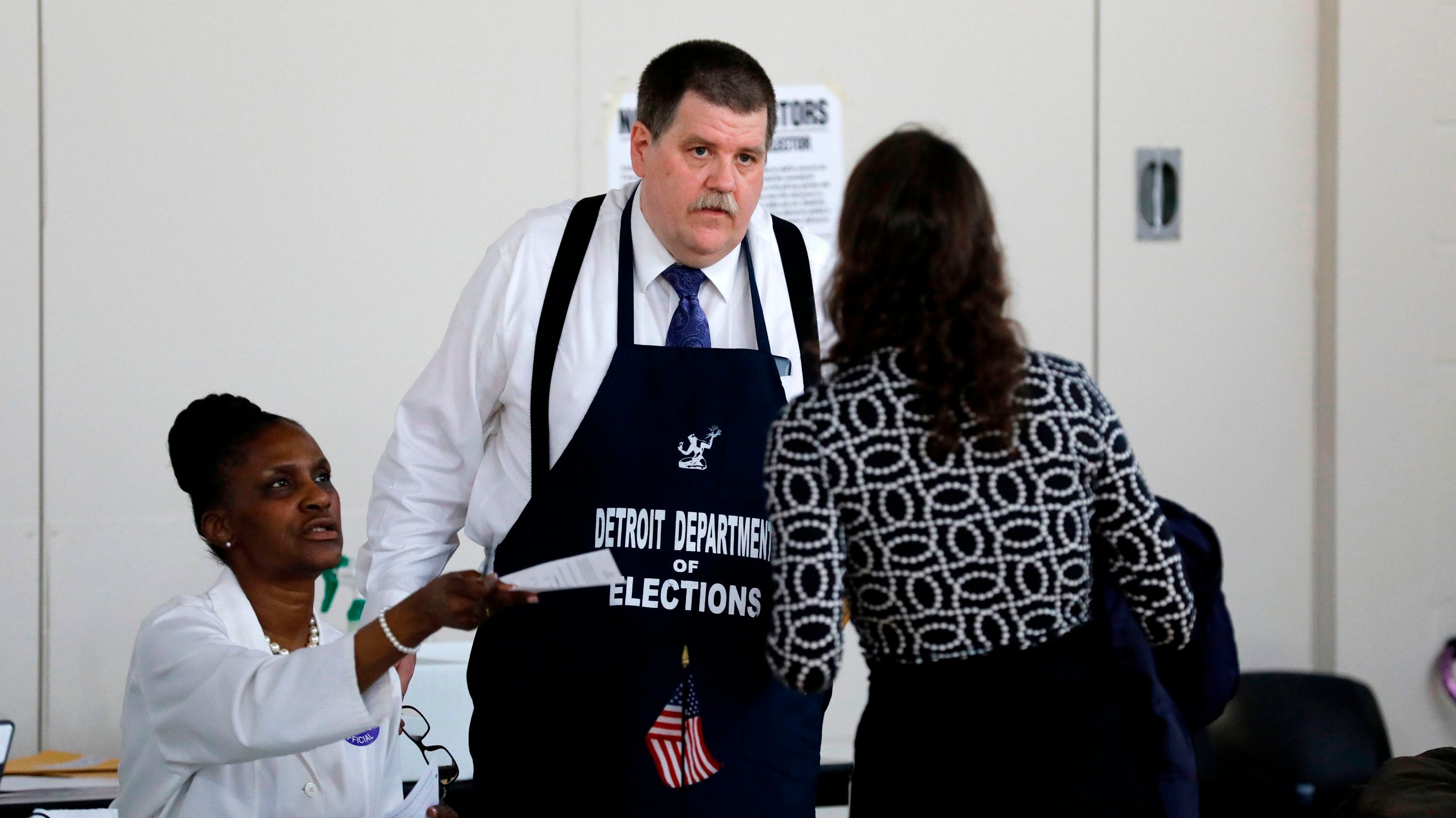
Biden and Vermont Senator Bernie Sanders will go head to head for the 352 delegates promised on what some are calling ‘Super Tuesday 2.0,’ with a focus on the battleground state of Michigan.
These are the headlines you Need 2 Know for Tuesday, March 10, 2020.
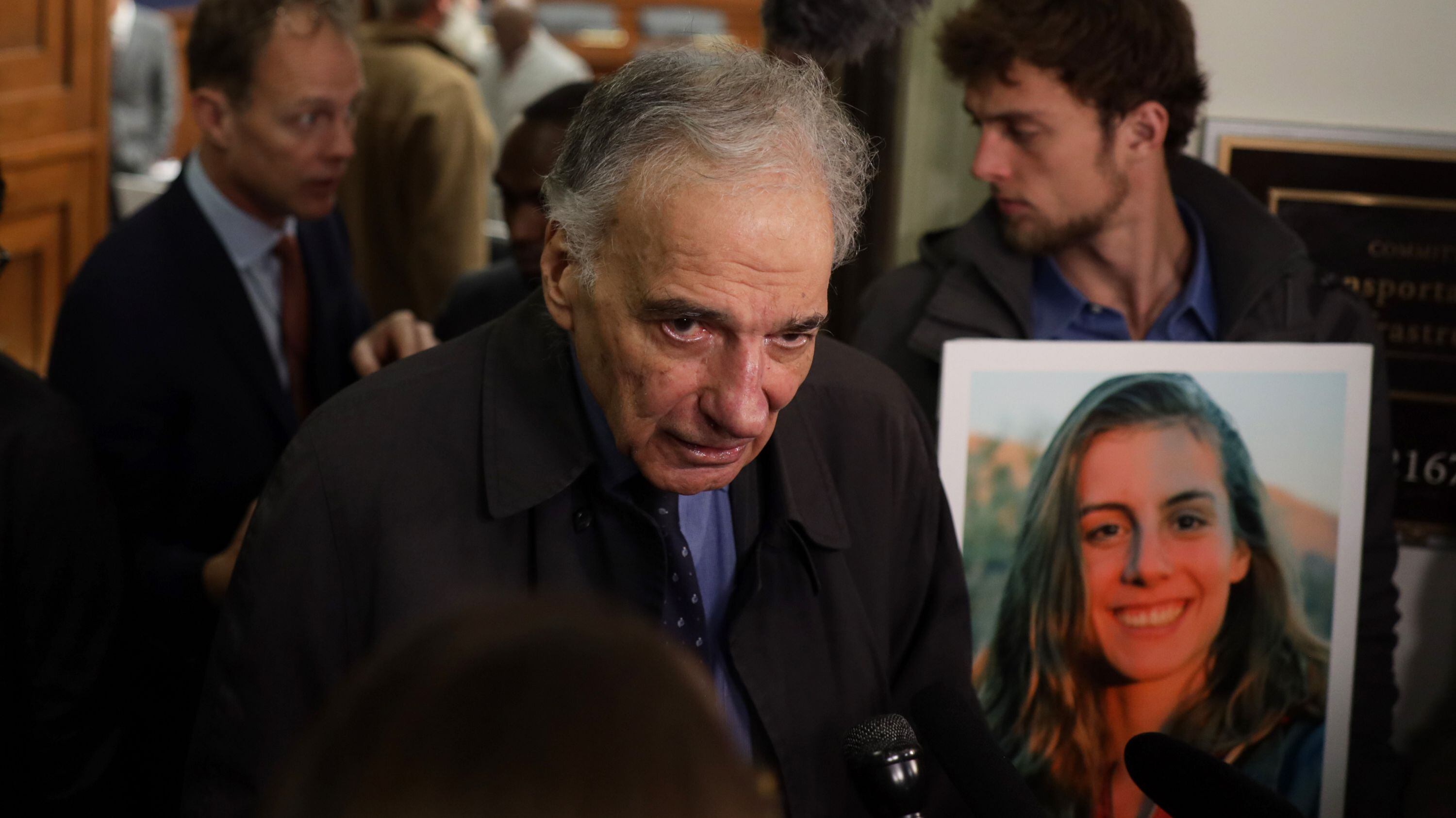
Consumer advocate Ralph Nader, whose grandniece was killed in that disaster, said that even once the plane makes it back to the skies, he won't fly in it.
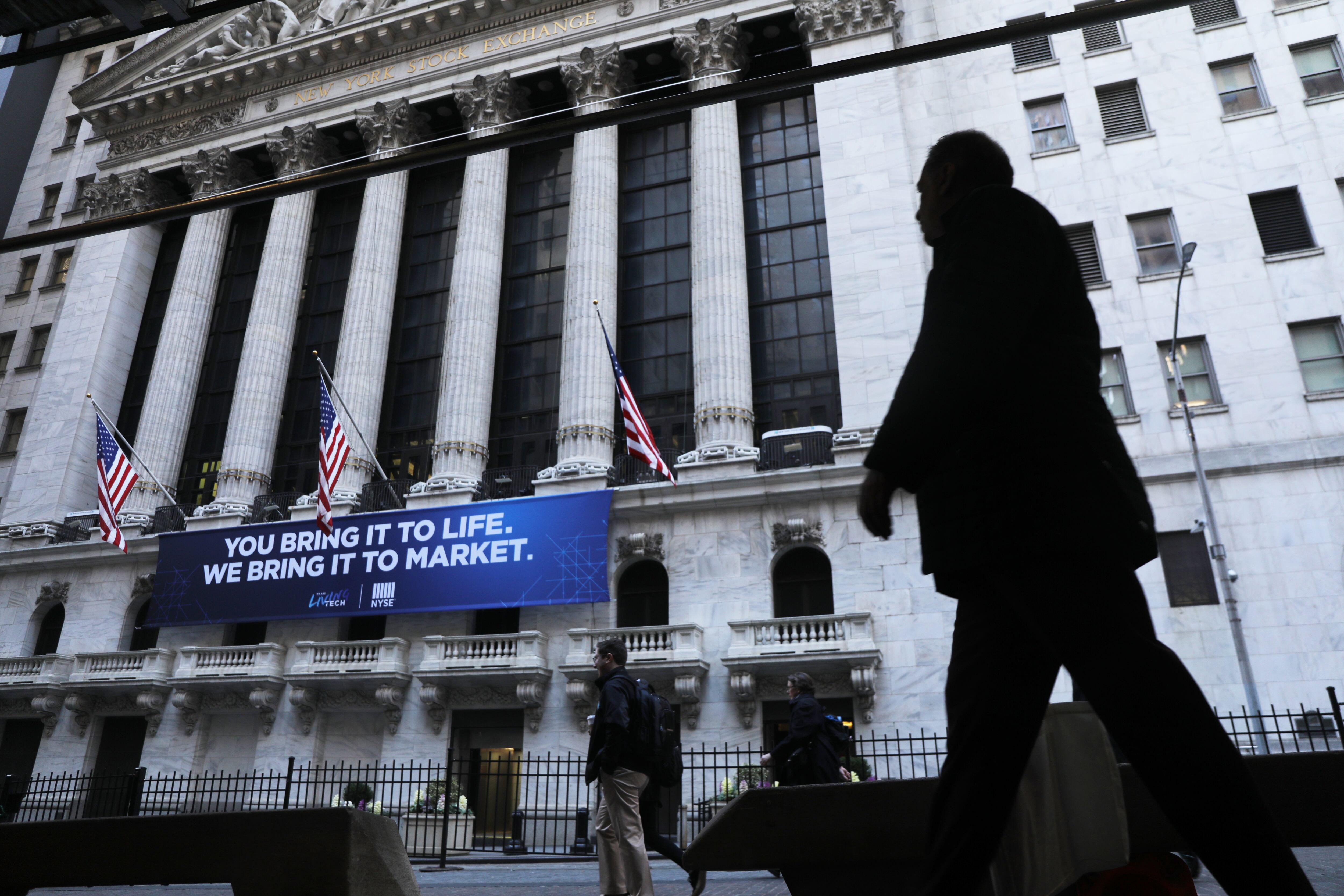
The Dow Jones Industrial Average sank 7.8%, its steepest drop since the financial crisis of 2008, as a free-fall in oil prices and worsening fears of fallout from the spreading coronavirus outbreak seize markets. The sharp drops triggered the first automatic halts in trading in two decades.
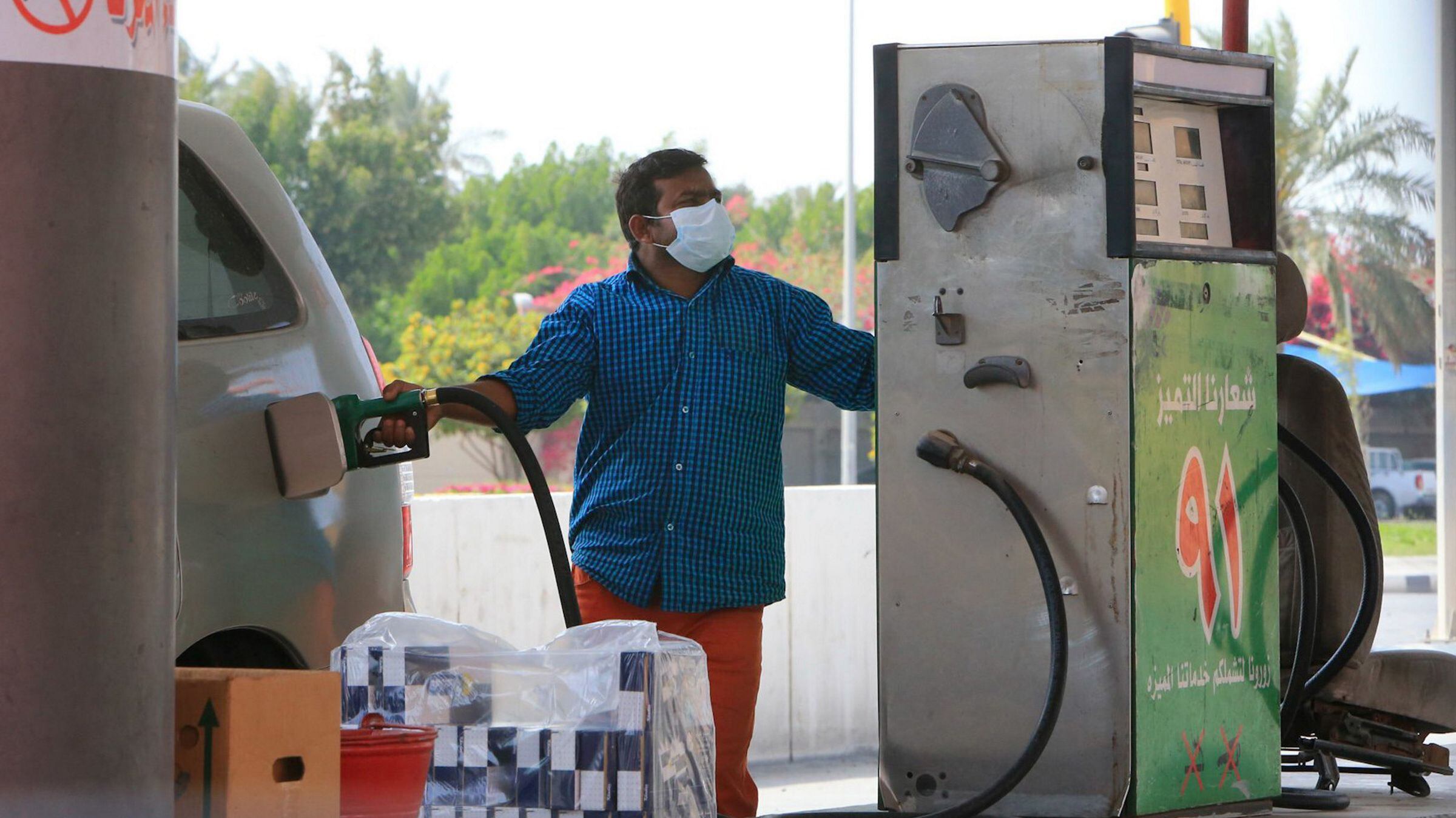
Brent crude, the global benchmark for oil and for U.S. gasoline prices, hovered around $36 a barrel after opening Monday at about $33 -- down from $45 a barrel on Friday and nearly $70 in January.
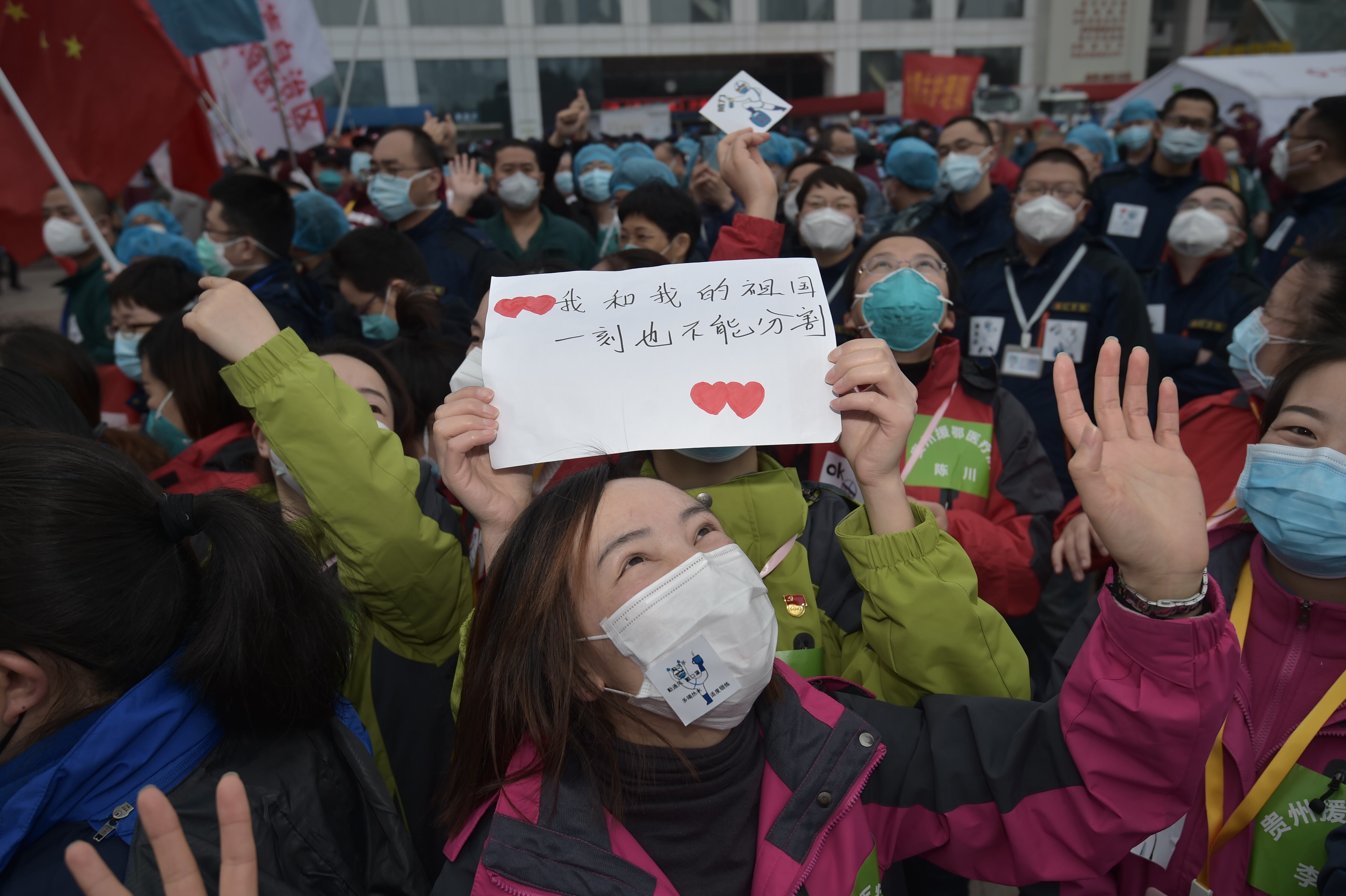
Officials at the World Health Organization said Monday that of about 80,000 people who have been sickened by COVID-19 in China, more than 70 percent have recovered and been discharged from hospitals.
Stocks are falling sharply Monday on Wall Street on a combination of coronavirus fears and plunging oil prices, triggering a brief, automatic halt in trading to let investors catch their breath.