If you want to dine indoors, go to a gym or attend an event at an entertainment venue in New York, you'll need to show proof that you have had at least one dose of a COVID-19 vaccine.
Starting on September 13, New York began enforcing its vaccine mandate for various indoor venues. The rules extend to include workers at these facilities as well.
"The business has gone down at least 35 to 40 percent, and we expect it to go down a little more," said Pedro Zamora, owner of Cantina Rooftop in Manhattan. "But on the other hand, I feel good to do that because it's the way to end the pandemic, and I urge everybody, if you're not vaccinated, try to get vaccinated as soon as possible because that's only for the good of our community and to stop this virus from going on."
If businesses are found not to be compliant, they can be fined $1,000 for a first offense, with increasing penalties if they continue to break the rules.
New York has some of the strictest vaccine mandates in the United States. Mayor Bill de Blasio also requires city workers to be vaccinated or to undergo weekly COVID-19 testing. Students 12 and up who participate in "high-risk" after-school activities, like sports or performing arts, also must be vaccinated.
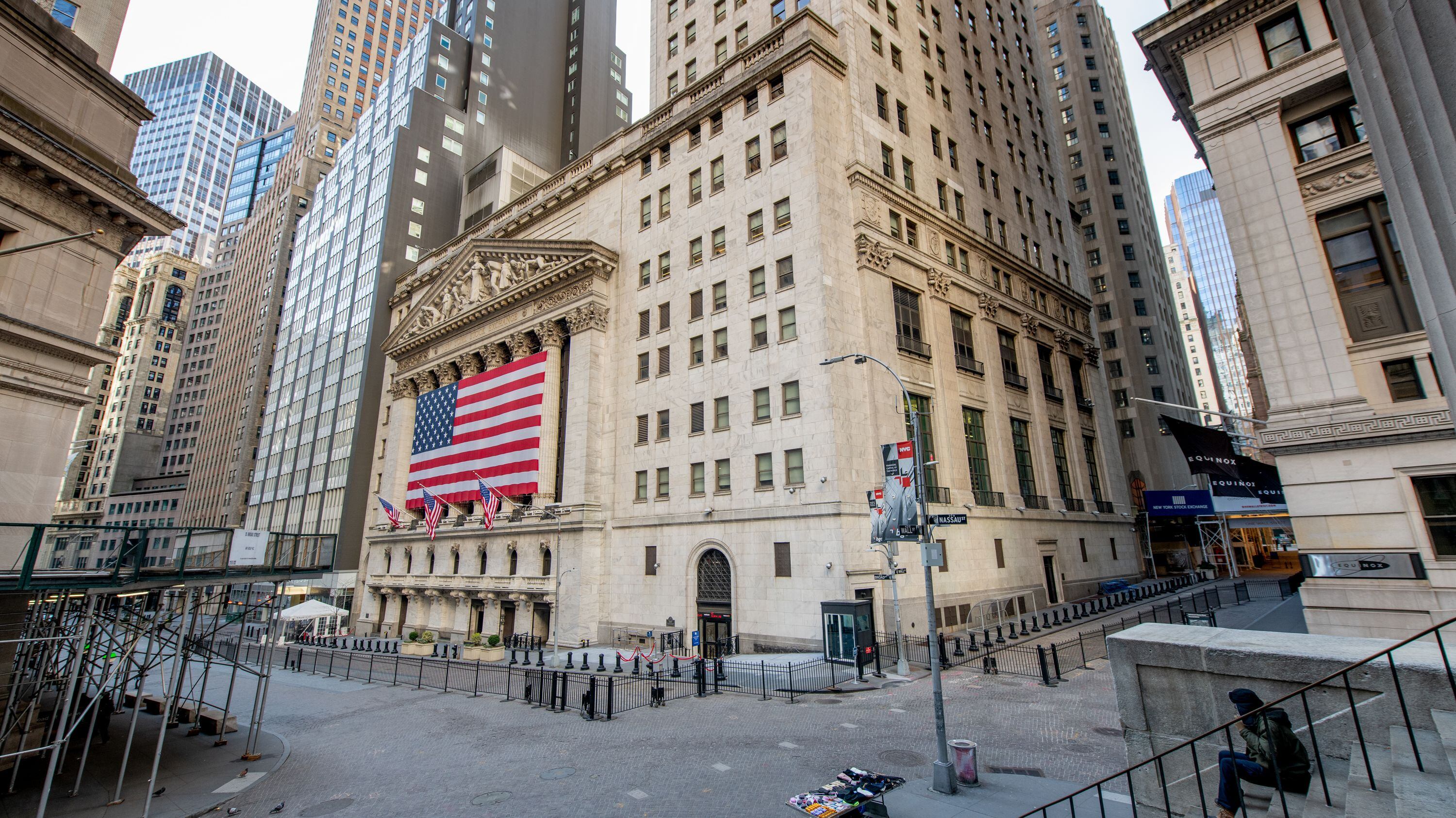
Stocks are opening lower on Wall Street as the market gives back some of the gains it piled up over the past three days. Major indexes are down more than 3% in early trading Friday.
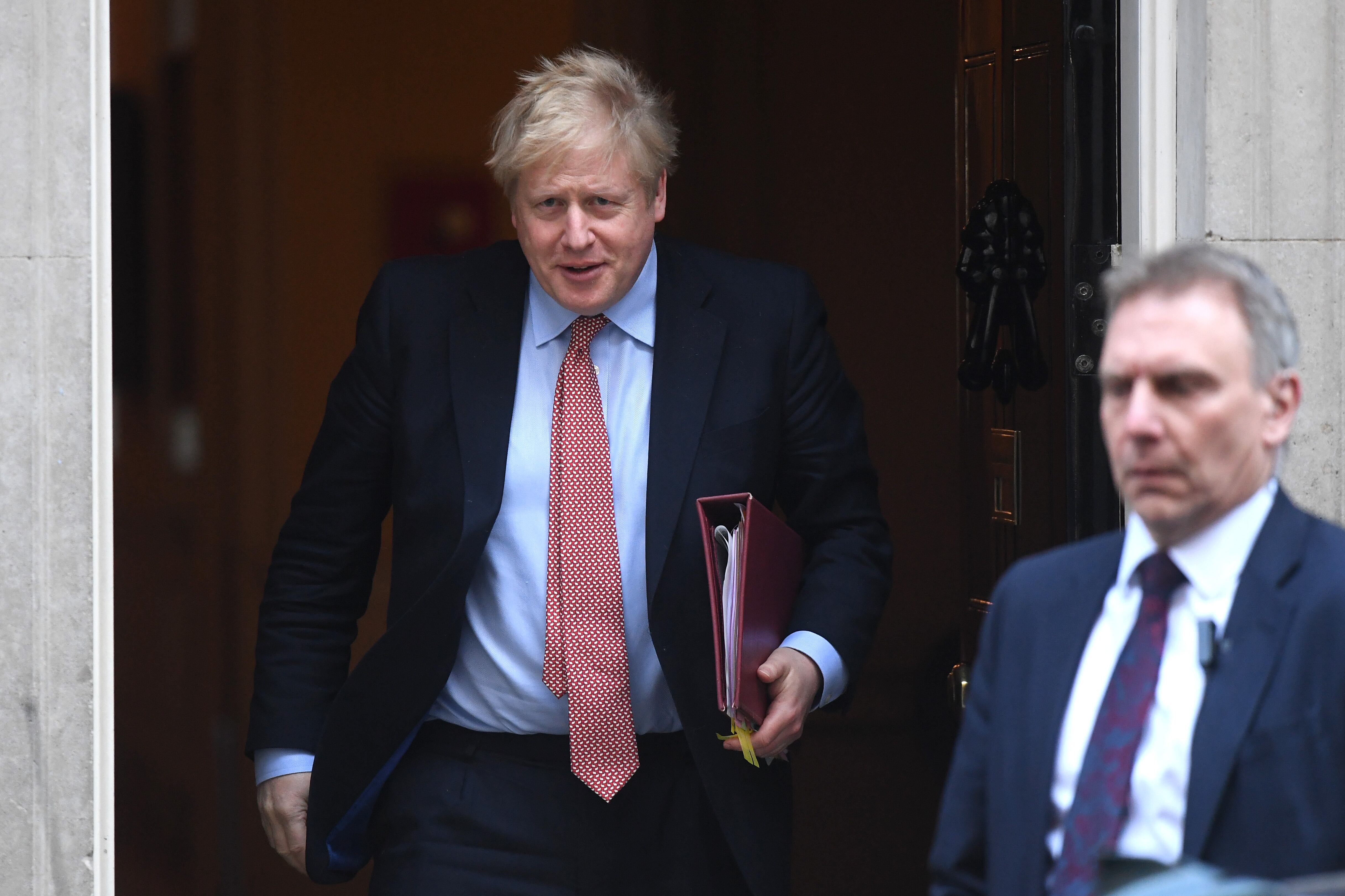
British Prime Minister Boris Johnson has tested positive for the new coronavirus, but remains in charge of the U.K.’s response to the outbreak.
Stocks are surging again on Wall Street as a massive coronavirus relief bill gets closer to passing Congress. Major indexes jumped more than 6%, bringing the S&P 500 up 17% since Monday.
Stocks are rising more than 3% early Thursday, putting the market on track for its first three-day rally in six weeks, even as the astonishing scale of the downturn slamming the economy because of the coronavirus becomes more apparent.
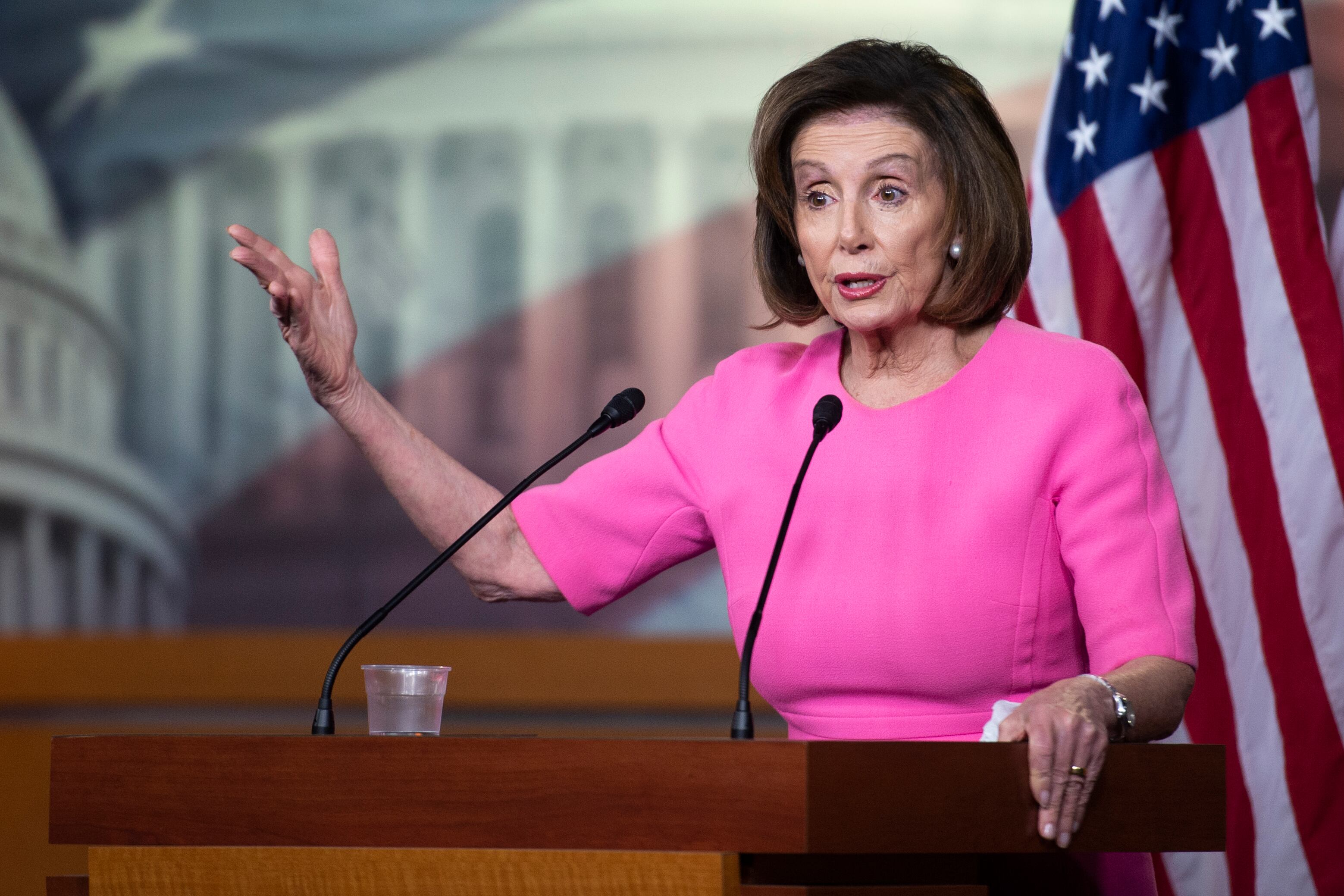
House Speaker Nancy Pelosi said she is 'very proud' of the $2.2 trillion coronavirus aid package and confirmed the House will take up the package Friday.
On Tuesday the chairman of the FDIC put out a public service announcement urging people to keep their cash in the bank, as customers of U.S. banks and credit unions have been making big withdrawals in the midst of the coronavirus pandemic and recession.
After a day of uncertainty, the Senate unanimously passed a $2.2 trillion coronavirus relief bill late Wednesday. 4
The Senate passed an unparalleled $2.2 trillion economic rescue package steering aid to businesses, workers and health care systems engulfed by the coronavirus pandemic.
resident Donald Trump is imploring Congress to move on critical coronavirus aid without further delay. Senate leaders are trying to overcome late objections to a $2 trillion economic rescue package to ease the financial pain of the pandemic.
Stocks scored their first back-to-back gains since a brutal sell-off began five weeks ago, but much of an early rally faded late in the day as a last-minute dispute threatened to hold up a $2 trillion economic rescue package in Congress.