If you want to dine indoors, go to a gym or attend an event at an entertainment venue in New York, you'll need to show proof that you have had at least one dose of a COVID-19 vaccine.
Starting on September 13, New York began enforcing its vaccine mandate for various indoor venues. The rules extend to include workers at these facilities as well.
"The business has gone down at least 35 to 40 percent, and we expect it to go down a little more," said Pedro Zamora, owner of Cantina Rooftop in Manhattan. "But on the other hand, I feel good to do that because it's the way to end the pandemic, and I urge everybody, if you're not vaccinated, try to get vaccinated as soon as possible because that's only for the good of our community and to stop this virus from going on."
If businesses are found not to be compliant, they can be fined $1,000 for a first offense, with increasing penalties if they continue to break the rules.
New York has some of the strictest vaccine mandates in the United States. Mayor Bill de Blasio also requires city workers to be vaccinated or to undergo weekly COVID-19 testing. Students 12 and up who participate in "high-risk" after-school activities, like sports or performing arts, also must be vaccinated.
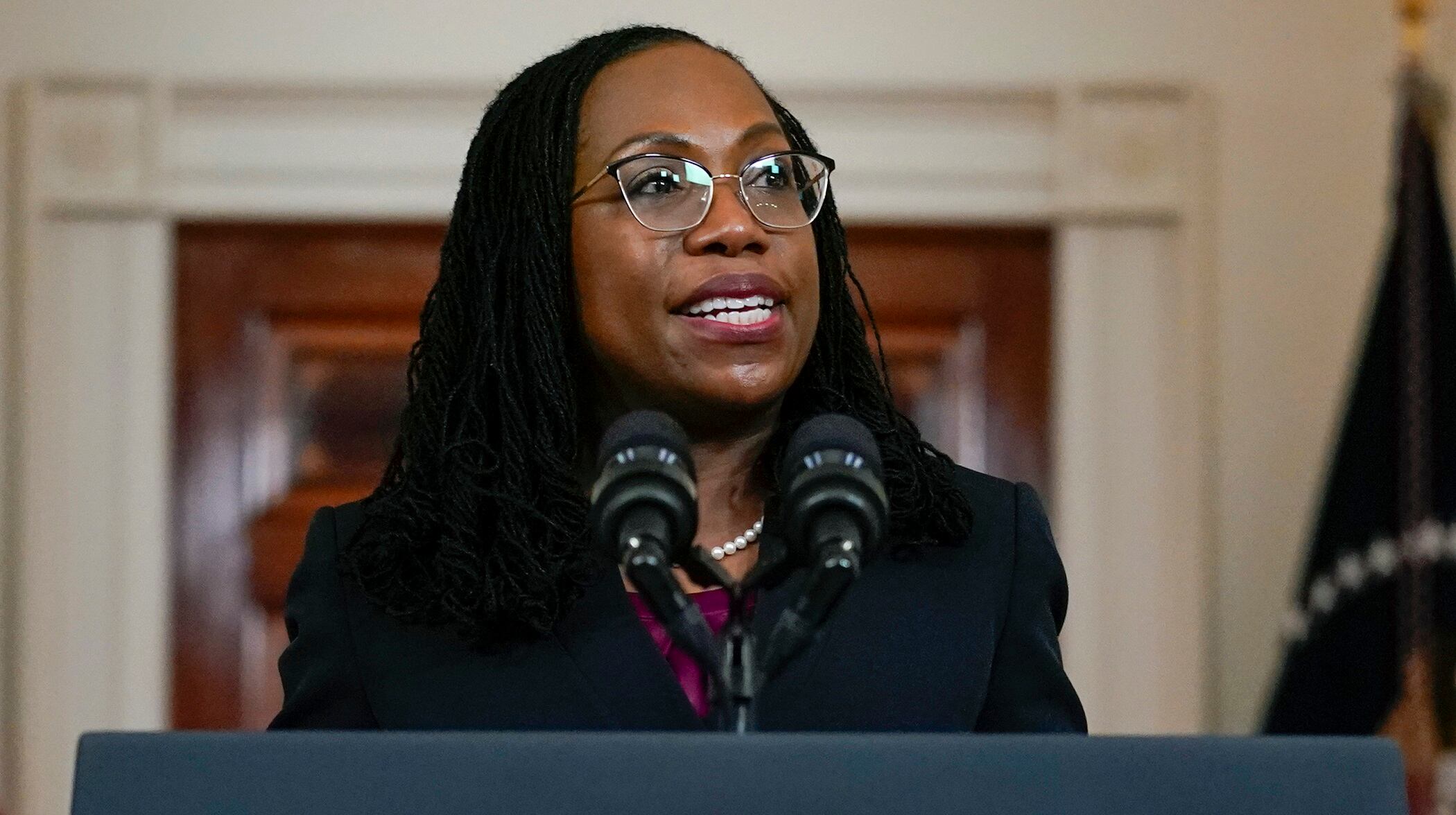
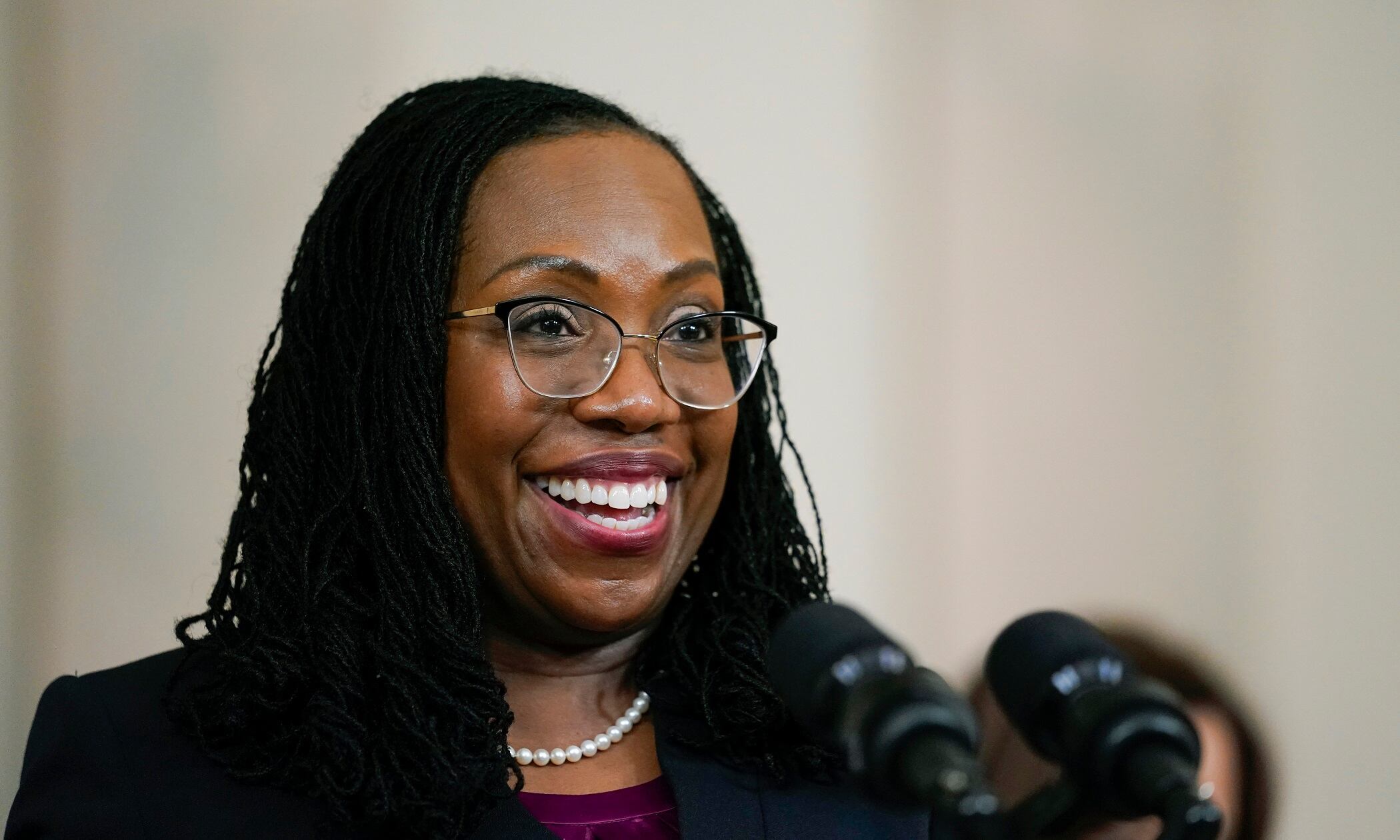
As we celebrate Black History Month, Cheddar is highlighting prominent Black Americans who are carving their own historic paths and trailblazing in their fields. Today we feature Ketanji Brown Jackson, the first Black woman SCOTUS nominee.
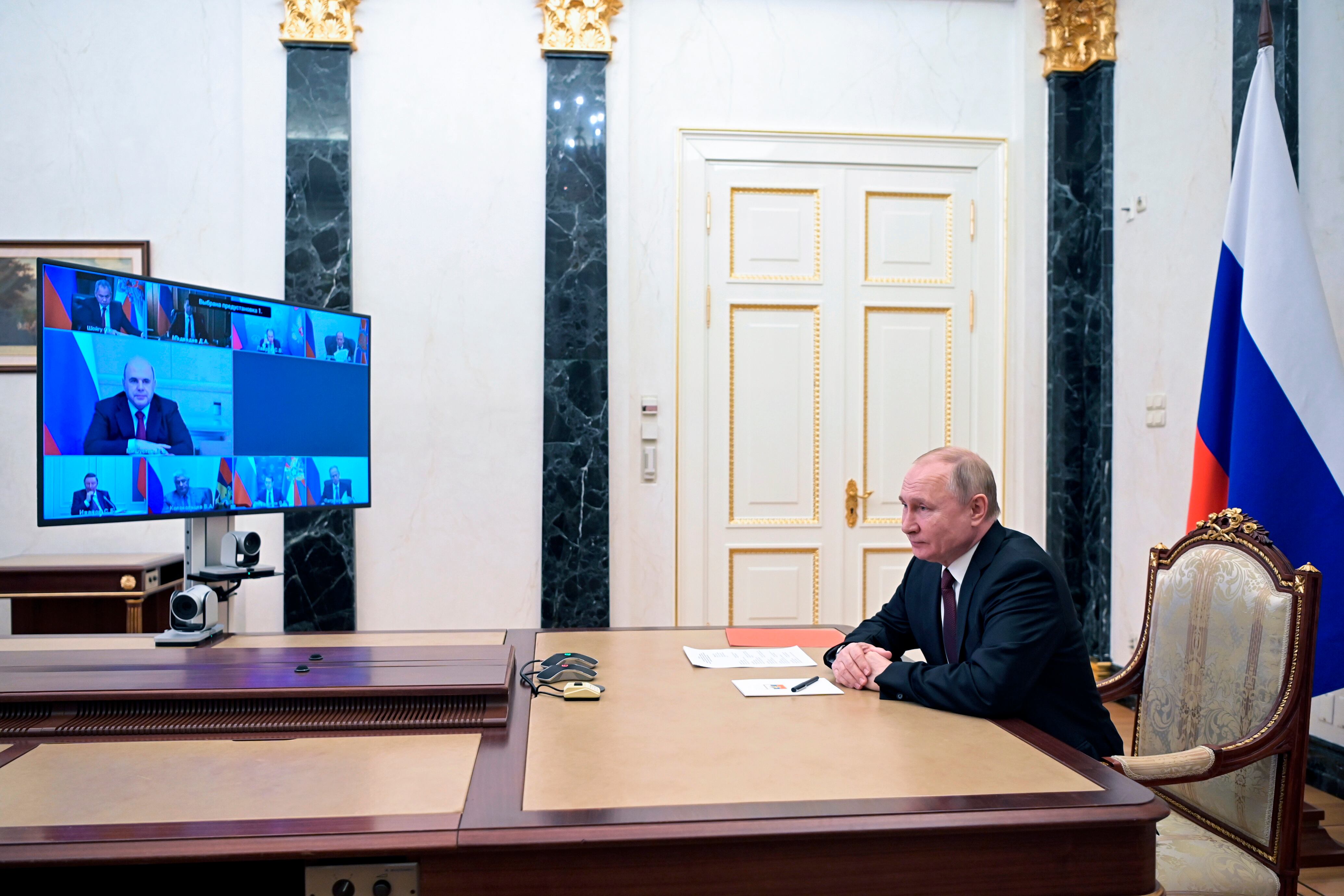
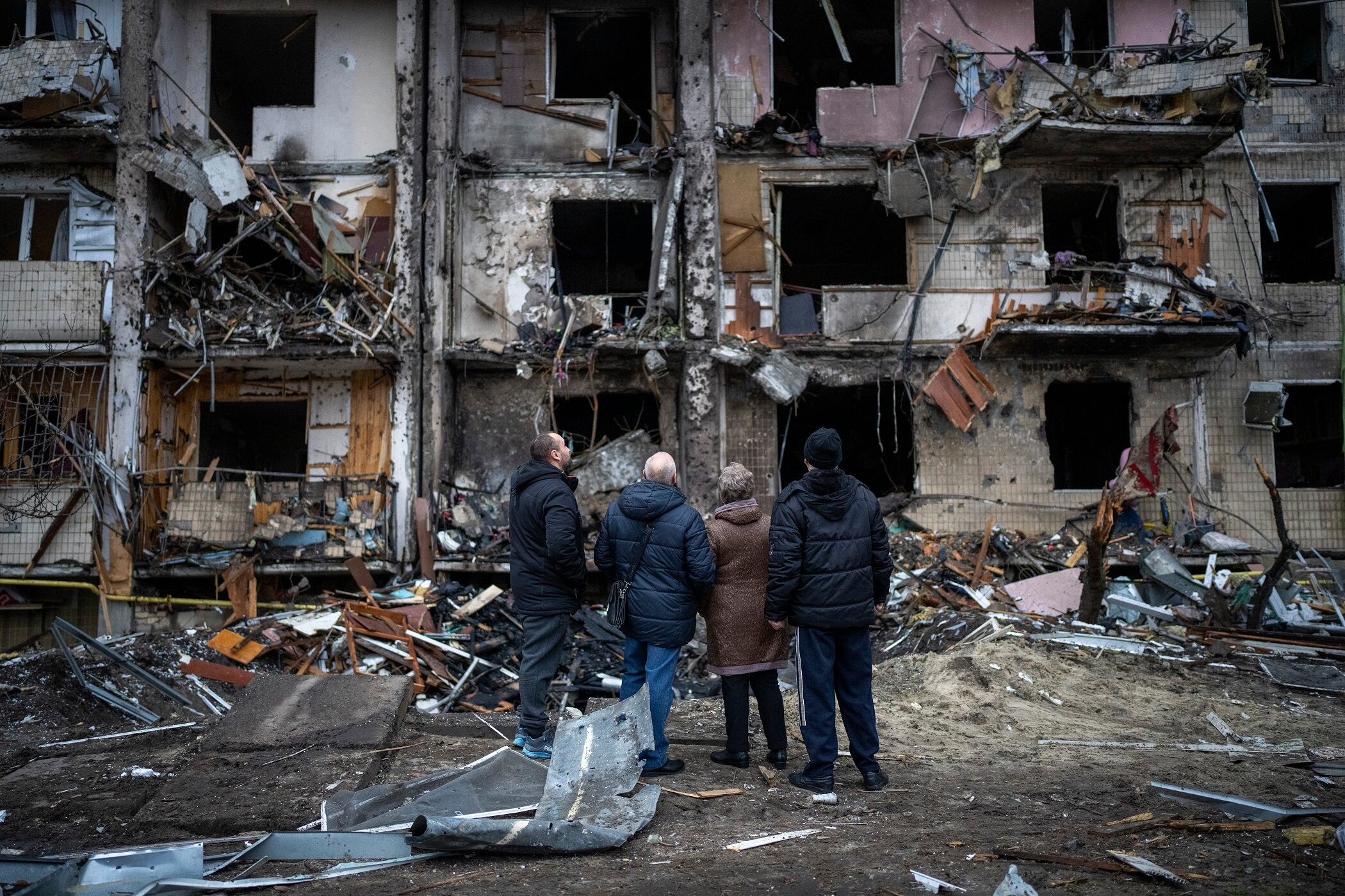
Russia's invasion of Ukraine went hand in hand with cyberattacks against Ukrainian government websites and financial institutions. Cheddar News speaks with cybersecurity expert Karim Hijazi, CEO of Prevaillon, on why the Russian cyberwarfare is concerning to other nations.
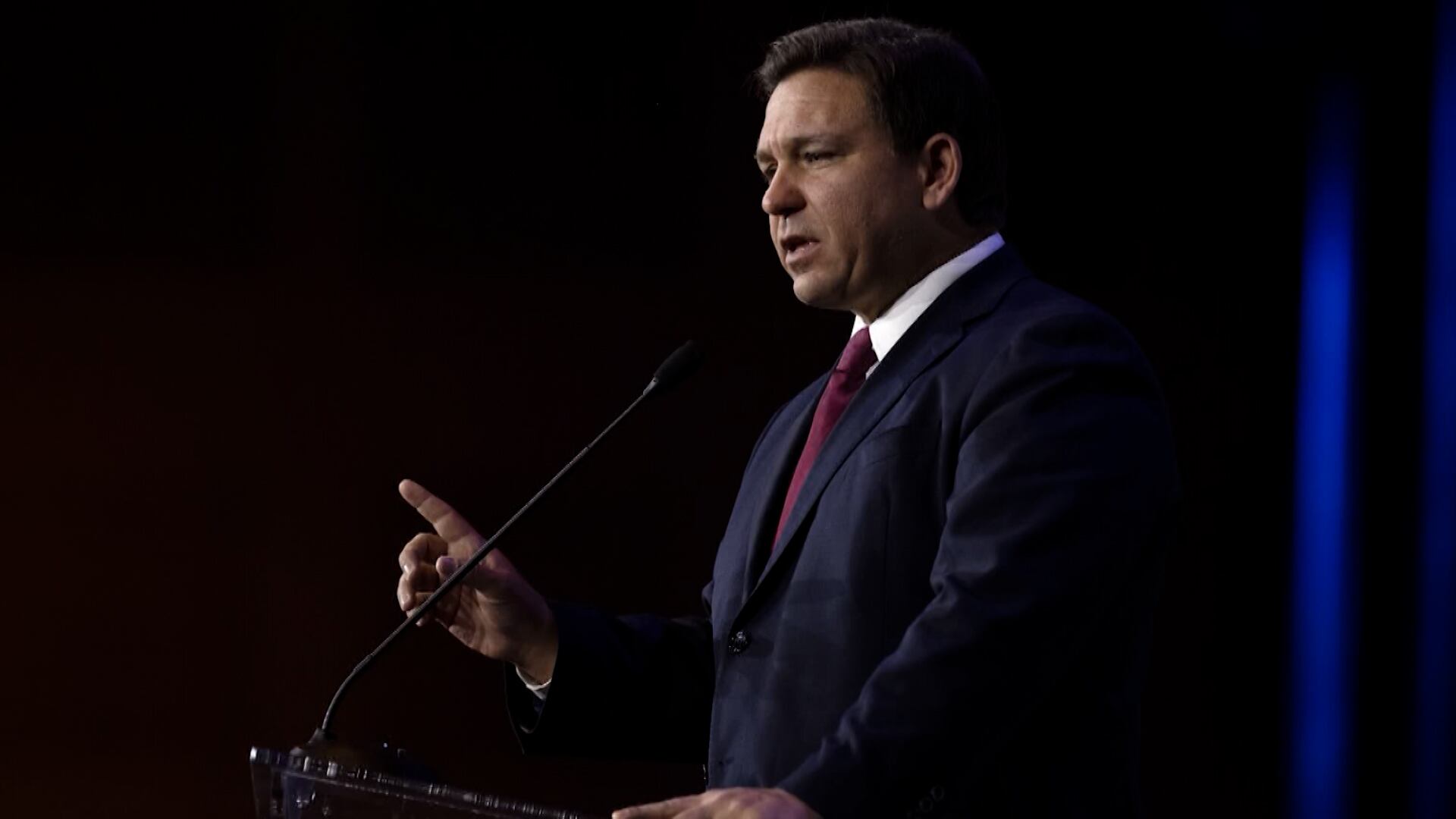
Florida legislation being called the 'Don't Say Gay' bill would restrict some discussion of sexual orientation and gender identity in classrooms with young students. Jon Harris Maurer, public policy director at Equality Florida, joins Cheddar News to discuss.
President Joe Biden promised during his campaign to focus on stable and ally-focused foreign policy, and the Russia-Ukraine crisis seems like an opportunity for him to focus on that tactic after last year's chaotic Afghanistan withdrawal. So far, Biden and western allies have banned together to sanction Russian banks, billionaires, and even President Vladimir Putin himself. Meanwhile, Biden has not deployed U.S. troops to intervene directly in Ukraine. Jack Detsch, national security reporter at Foreign Policy, joins Closing Bell to discuss why Biden is focusing on a sanctions-based, ally-focused strategy, what impact sanctions could have on Russia's economy, and more.
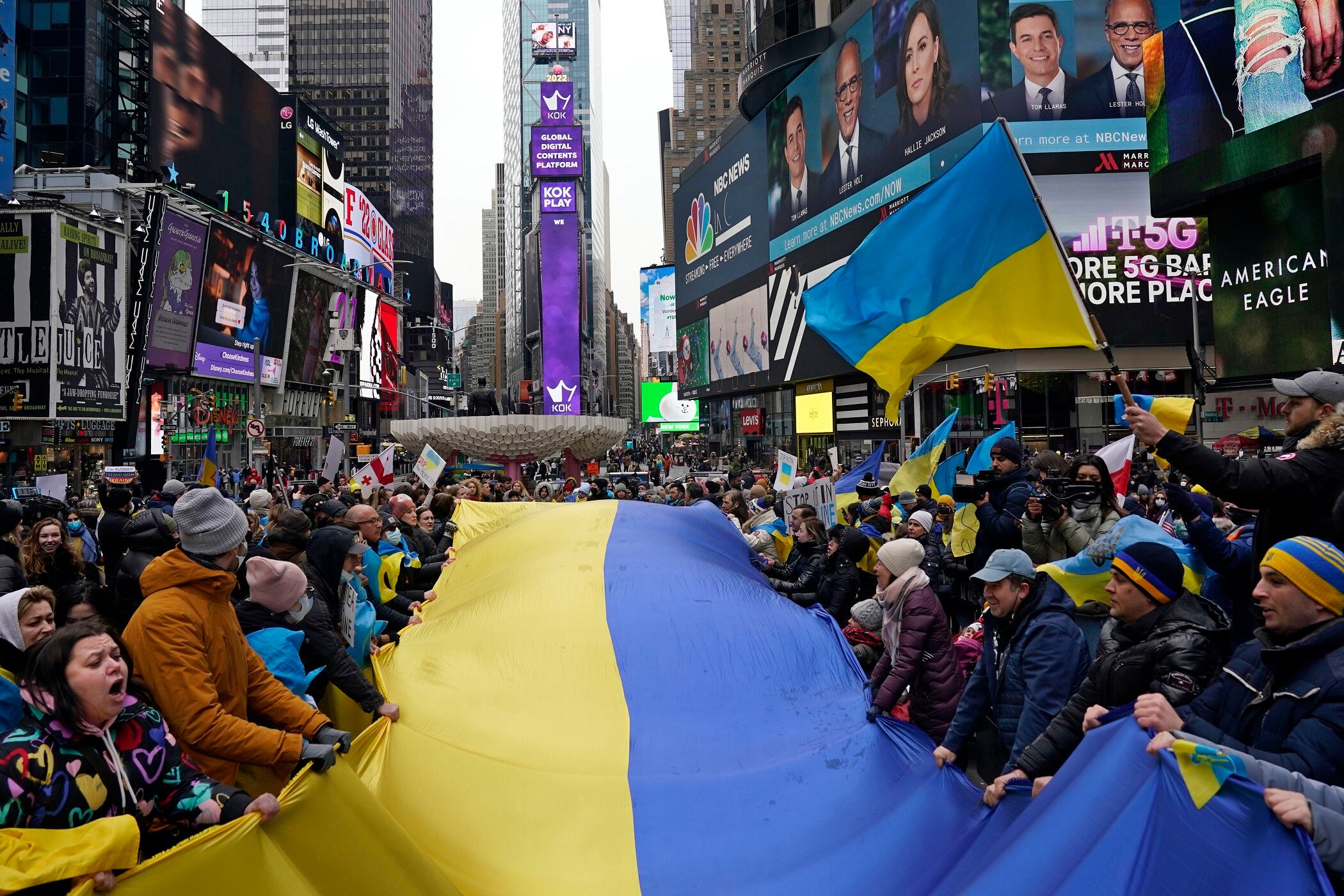
As Russia continues its attack on Ukraine, protests are popping up in major cities across the U.S., including across the street from the United Nations in New York City.. Chloe Aiello reports.