If you want to dine indoors, go to a gym or attend an event at an entertainment venue in New York, you'll need to show proof that you have had at least one dose of a COVID-19 vaccine.
Starting on September 13, New York began enforcing its vaccine mandate for various indoor venues. The rules extend to include workers at these facilities as well.
"The business has gone down at least 35 to 40 percent, and we expect it to go down a little more," said Pedro Zamora, owner of Cantina Rooftop in Manhattan. "But on the other hand, I feel good to do that because it's the way to end the pandemic, and I urge everybody, if you're not vaccinated, try to get vaccinated as soon as possible because that's only for the good of our community and to stop this virus from going on."
If businesses are found not to be compliant, they can be fined $1,000 for a first offense, with increasing penalties if they continue to break the rules.
New York has some of the strictest vaccine mandates in the United States. Mayor Bill de Blasio also requires city workers to be vaccinated or to undergo weekly COVID-19 testing. Students 12 and up who participate in "high-risk" after-school activities, like sports or performing arts, also must be vaccinated.
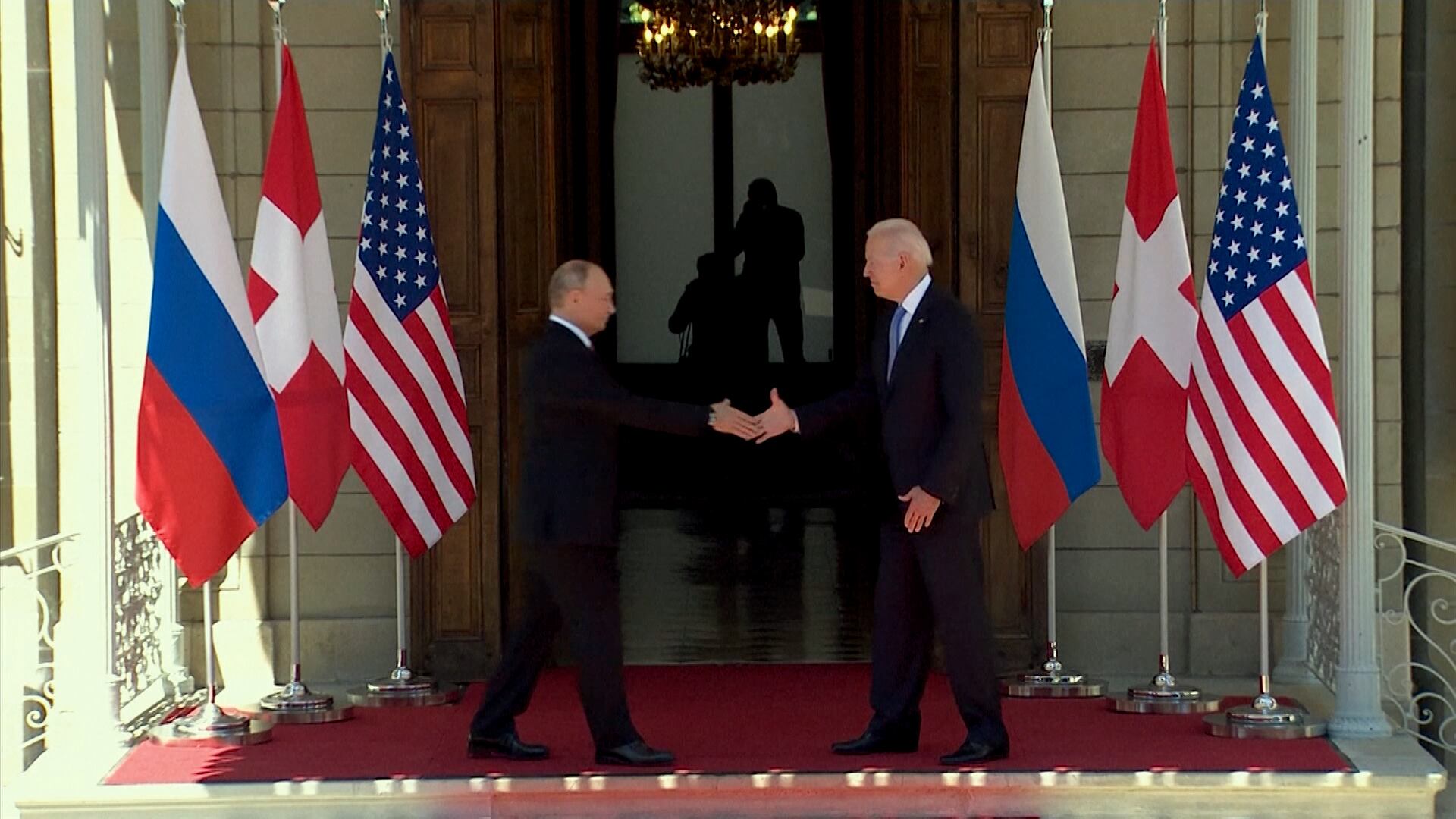
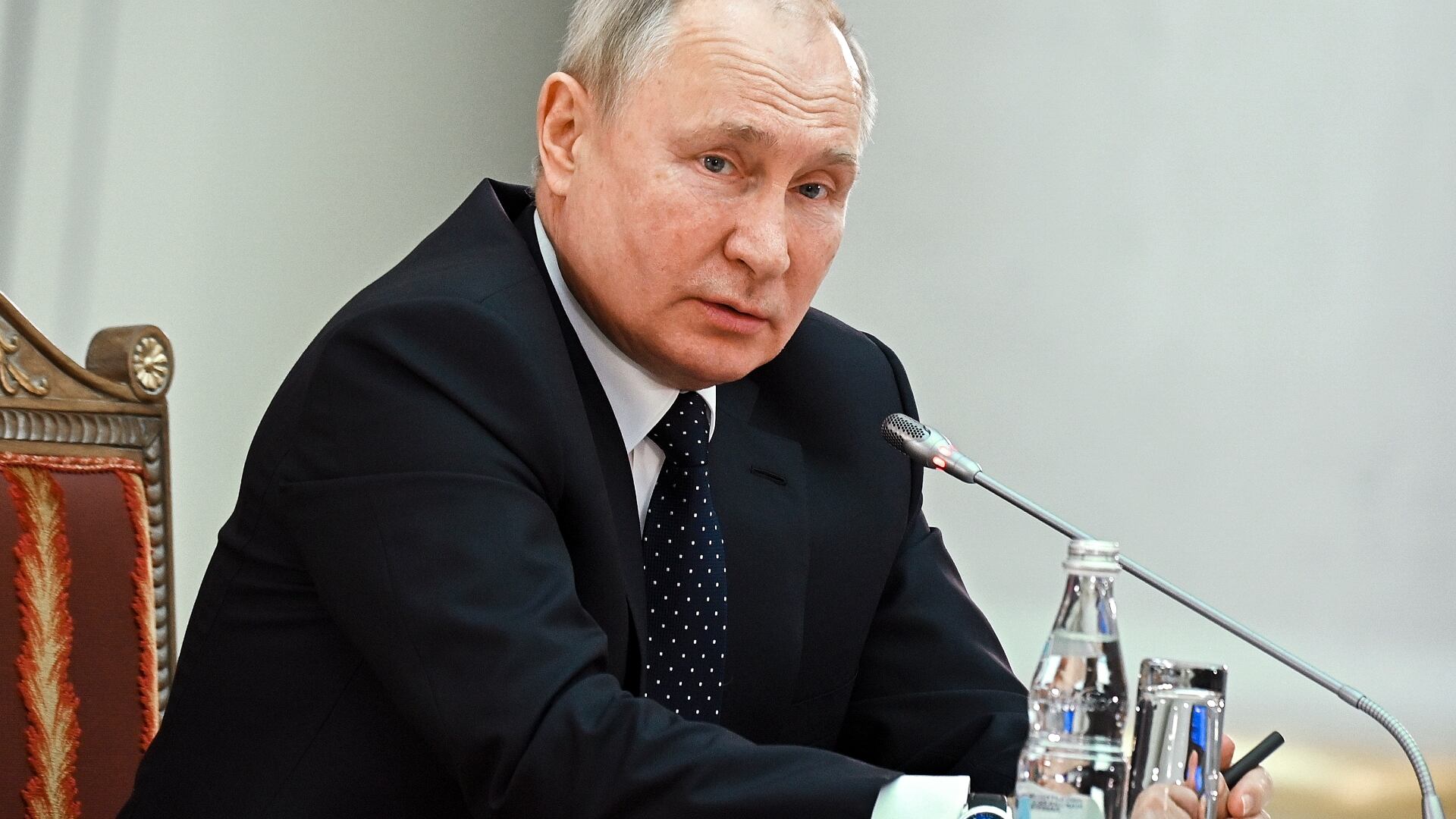
Matt Hayden, vice president of govtech solutions at Exiger and a former assistant secretary of cyber at Department of Homeland Security, joined Cheddar to discuss the surprise phone call initiated by Russian President Vladimir Putin to President Joe Biden, ahead of January security talks about the rising tensions over Ukraine. "We're hoping to hear that we're able to talk about the aggression and the leadup of the Ukrainian militarization," Hayden said. "But we're also looking to hear is how the Kremlin leveraged their talking points to try to test their negotiation stance with the United States leading into this January 10th meeting."
The No Surprises Act begins implementation on January 1, 2022. The legislation is meant to curb the practice of unexpected billing for care from providers the patient was unaware were out-of-network from their insurance. Patricia Kelmar, director of health care campaigns for U.S. PIRG joined Cheddar to describe the hundreds, sometimes thousands, of dollars charged to unsuspecting patients and how things will change under the new law. "If we are picking an in-network doctor and an in-network hospital, we should not see those added costs from anesthesiologists, radiologists, scrub-in surgeons," she said. "The other area it protects you is in air ambulances — not ground ambulances, unfortunately — but the helicopters or the airplanes you might need to transport you in an emergency situation."
President Joe Biden and Russian President Vladmir Putin are expected to have another conversation surrounding escalating tensions between Russia and Ukraine. Ariel Cohen, senior fellow at the Atlantic Council, joined Cheddar's Ken Buffa to discuss the ongoing tensions and why Putin's request for a conversation with Biden comes now. "This is very serious. This is the worst security crisis we had since the collapse of the Soviet Union," Cohen told Cheddar.
Stocks closed mixed on Wednesday, but two indexes - the Dow and the S&P 500 - ended the session with a new record. Akshata Bailkeri, Equity Analyst at Bruderman Asset Management, joins Cheddar News' Closing Bell, where she says there is a consensus for robust consumer spreading in 2022, especially as the Omicron variant is proving to be milder than other COVID-19 strains.
John Quelch, Dean of Miami Herbert Business School, joins Cheddar News' Closing Bell, where he says the retail giant is acting in accordance to President Biden's new law banning goods from China's Xinjiang region. Quelch also elaborates on the importance of China in Walmart's overall strategy.