If you want to dine indoors, go to a gym or attend an event at an entertainment venue in New York, you'll need to show proof that you have had at least one dose of a COVID-19 vaccine.
Starting on September 13, New York began enforcing its vaccine mandate for various indoor venues. The rules extend to include workers at these facilities as well.
"The business has gone down at least 35 to 40 percent, and we expect it to go down a little more," said Pedro Zamora, owner of Cantina Rooftop in Manhattan. "But on the other hand, I feel good to do that because it's the way to end the pandemic, and I urge everybody, if you're not vaccinated, try to get vaccinated as soon as possible because that's only for the good of our community and to stop this virus from going on."
If businesses are found not to be compliant, they can be fined $1,000 for a first offense, with increasing penalties if they continue to break the rules.
New York has some of the strictest vaccine mandates in the United States. Mayor Bill de Blasio also requires city workers to be vaccinated or to undergo weekly COVID-19 testing. Students 12 and up who participate in "high-risk" after-school activities, like sports or performing arts, also must be vaccinated.
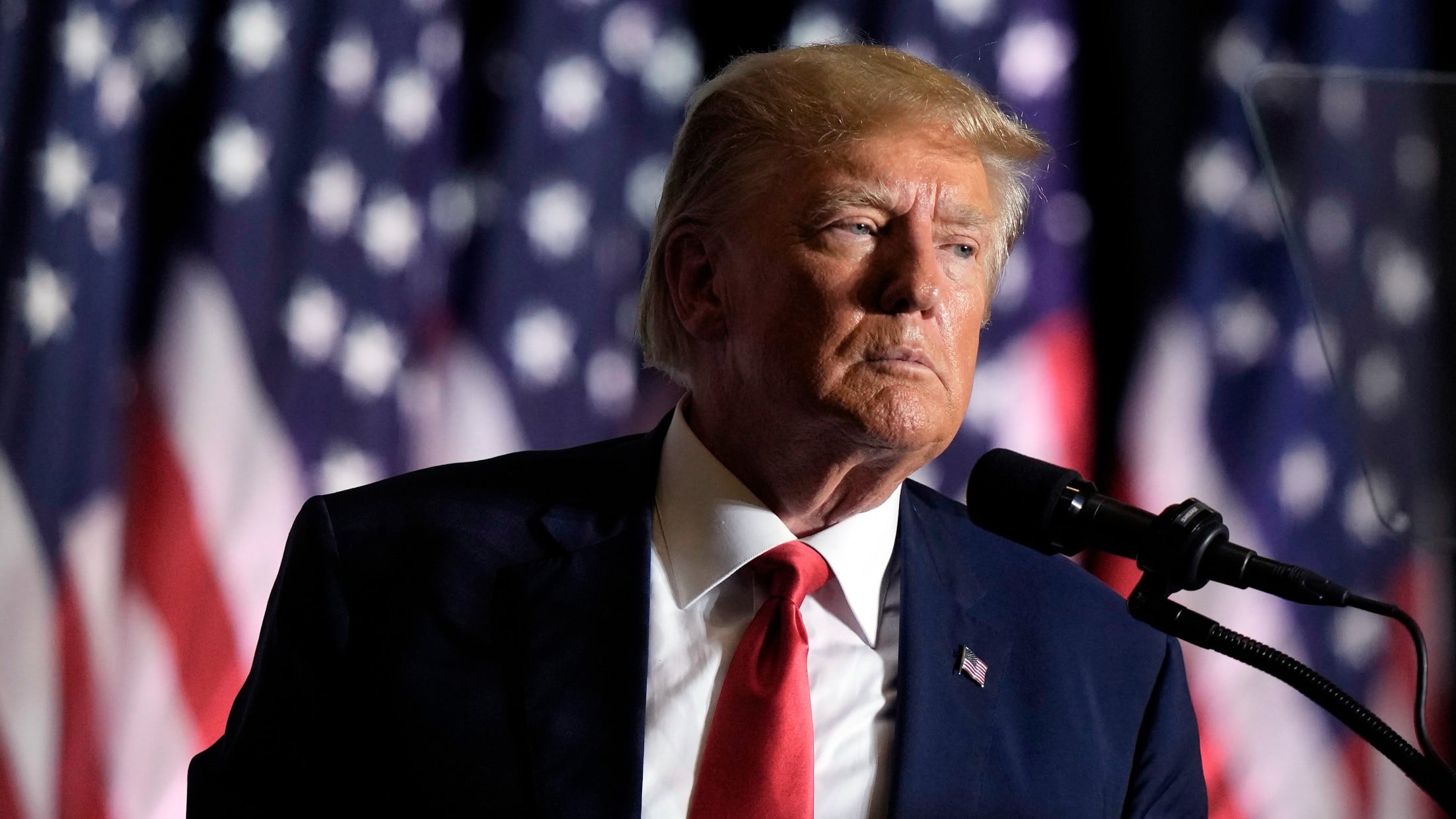
Former President Donald Trump said Tuesday that he has received a letter informing him that he is a target of the Justice Department's investigation into efforts to undo the results of the 2020 presidential election, an indication that he could soon be indicted by federal prosecutors.
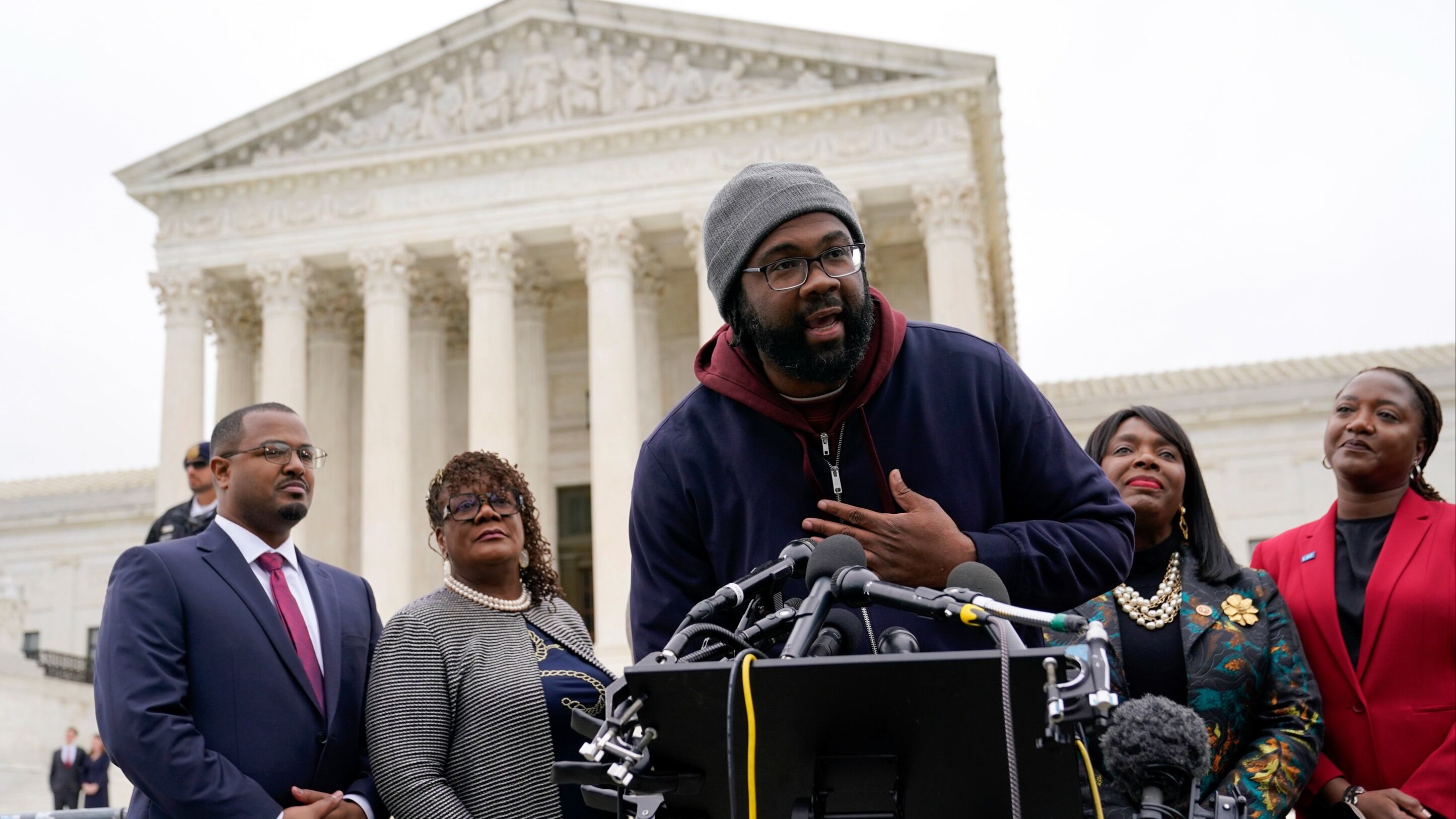
The court’s ruling applies to higher education institutions and other entities that receive federal funding and doesn’t directly change private employer obligations, but business leaders might pull back diversity, equity and inclusion programs to avoid lawsuits.
The IRS is showcasing its new capability to aggressively audit high-income tax dodgers as it makes the case for sustained funding and tries to avert budget cuts sought by Republicans who want to gut the agency.