Adidas is bracing for a $1.3 billion loss in revenue and $535 million drop in profit in 2023 if efforts to sell off its inventory of Yeezy-branded sneakers fail.
Ye, formerly known as Kanye West, was once synonymous with Adidas. Now the German sneaker giant is dealing with the fallout of ending its partnership with the rapper and fashion designer last year after he made a series of anti-semitic remarks.
The biggest question facing the company is whether it can repurpose its Yeezy products or if it will be forced to write them off, putting a massive dent in revenue and profits. Regardless of the outcome, Adidas is expecting a challenging year ahead.
“The numbers speak for themselves. We are currently not performing the way we should”, said CEO Bjørn Gulden in a news release. “2023 will be a year of transition to set the base to again be a growing and profitable company."
He added that the company will focus on creating "brand heat" and improving its "product engine." "We need to put the pieces back together again, but I am convinced that over time we will make Adidas shine again. But we need some time," he said.
Shares were down around 9 percent in pre-trading on Friday after the announcement.
David Brooks, financial advisor and CEO of Retire Smart, joined Cheddar News to discuss some of the mutual funds in your 401k whose portfolios include companies that can contribute to climate change. Investment vehicles to combat climate change or fight for social justice are available to choose from and are becoming popular inside the retirement workplace plans.
The Senate Judiciary Committee on Tuesday held a hearing looking into entertainment giant Live Nation's role in the botched pre-sales process for Taylor Swift's Eras tour.
Wall Street's major stock indexes closed mixed Tuesday, as more big companies delivered their financial results for the last three months of 2022 amid lingering concerns about a potential recession.
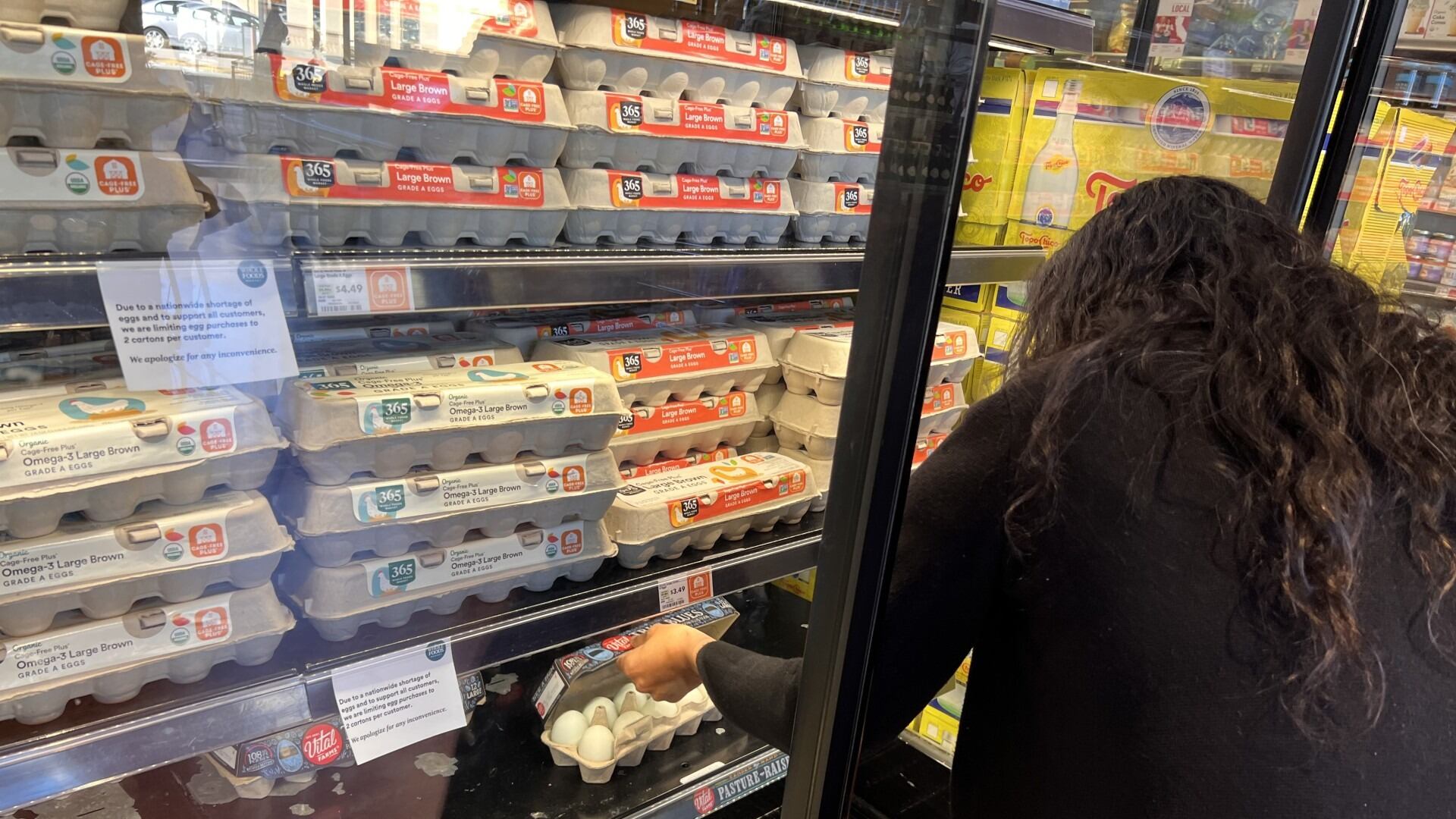
Inflation hit a 40-year high last year, and while inflation has slowed and even declined in recent months, consumers are still shelling out more than usual for their groceries.