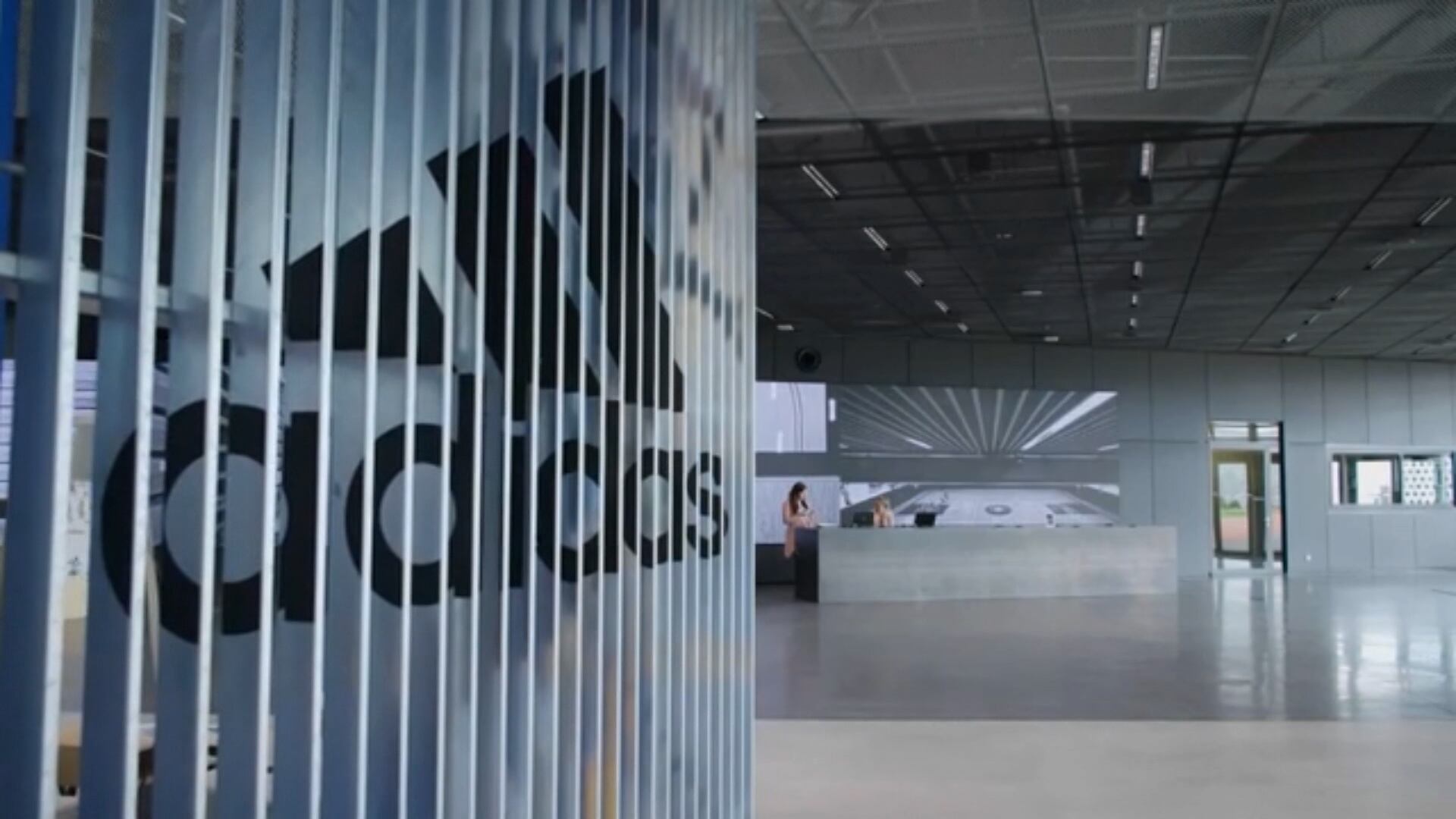
Adidas is bracing for a $1.3 billion loss in revenue and $535 million drop in profit in 2023 if efforts to sell off its inventory of Yeezy-branded sneakers fail.
Ye, formerly known as Kanye West, was once synonymous with Adidas. Now the German sneaker giant is dealing with the fallout of ending its partnership with the rapper and fashion designer last year after he made a series of anti-semitic remarks.
The biggest question facing the company is whether it can repurpose its Yeezy products or if it will be forced to write them off, putting a massive dent in revenue and profits. Regardless of the outcome, Adidas is expecting a challenging year ahead.
“The numbers speak for themselves. We are currently not performing the way we should”, said CEO Bjørn Gulden in a news release. “2023 will be a year of transition to set the base to again be a growing and profitable company."
He added that the company will focus on creating "brand heat" and improving its "product engine." "We need to put the pieces back together again, but I am convinced that over time we will make Adidas shine again. But we need some time," he said.
Shares were down around 9 percent in pre-trading on Friday after the announcement.
Ed Egilinsky, managing director and head of sales and distribution and alternative with Direxion, joined Cheddar News to discuss how short-term traders are preparing for any forward-looking guidance from the Federal Reserve about any potential rate hikes. Egilinsky also discussed how traders are looking at the overall banking sector for the short-term.
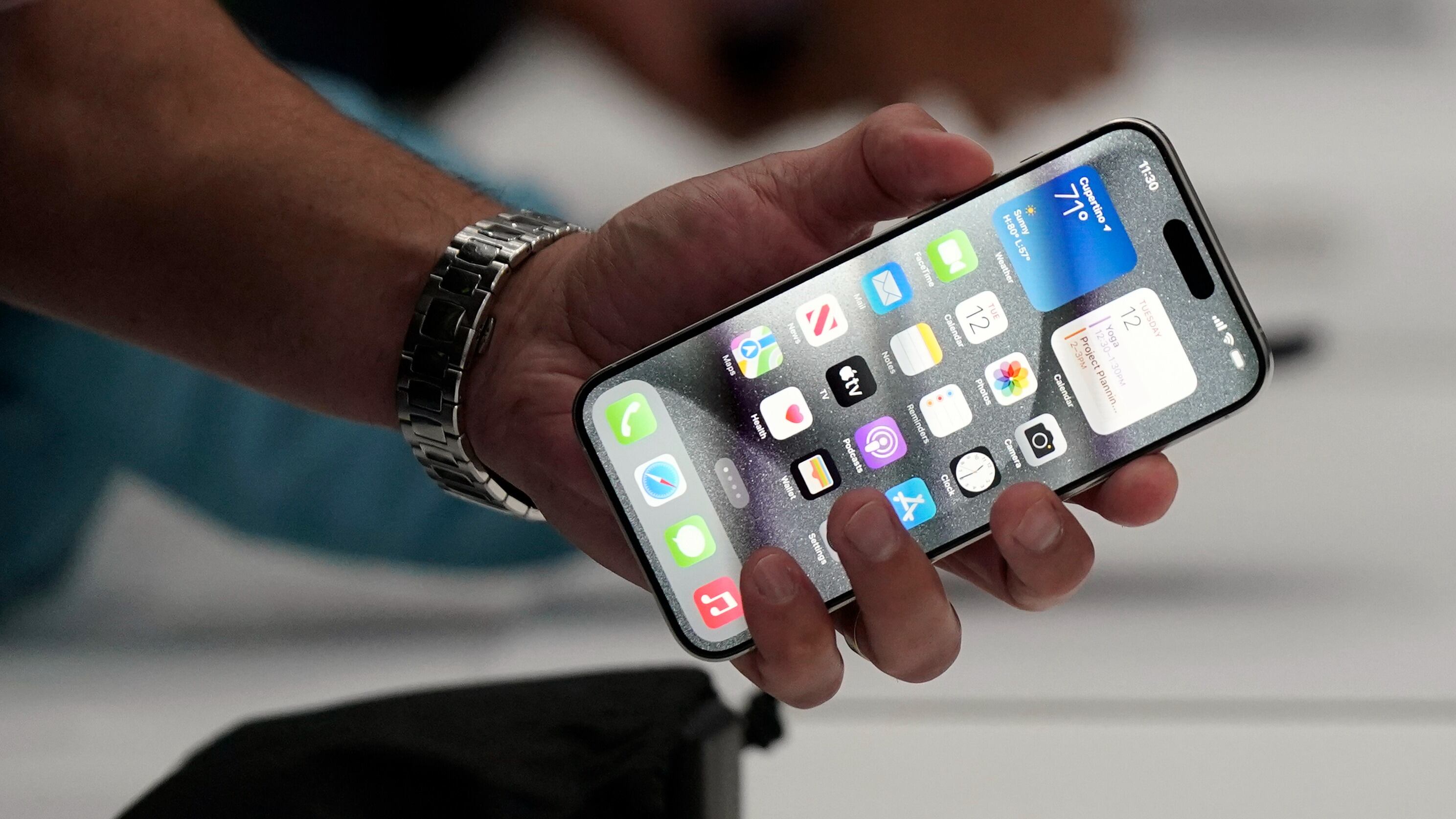
Mark Spoonauer, global editor-in-chief with Tom's Guide, joined Cheddar News to get a sneak peek at some of Apple's new products that are set to be released to the general public, including the iPhone 15 and Apple Watch.
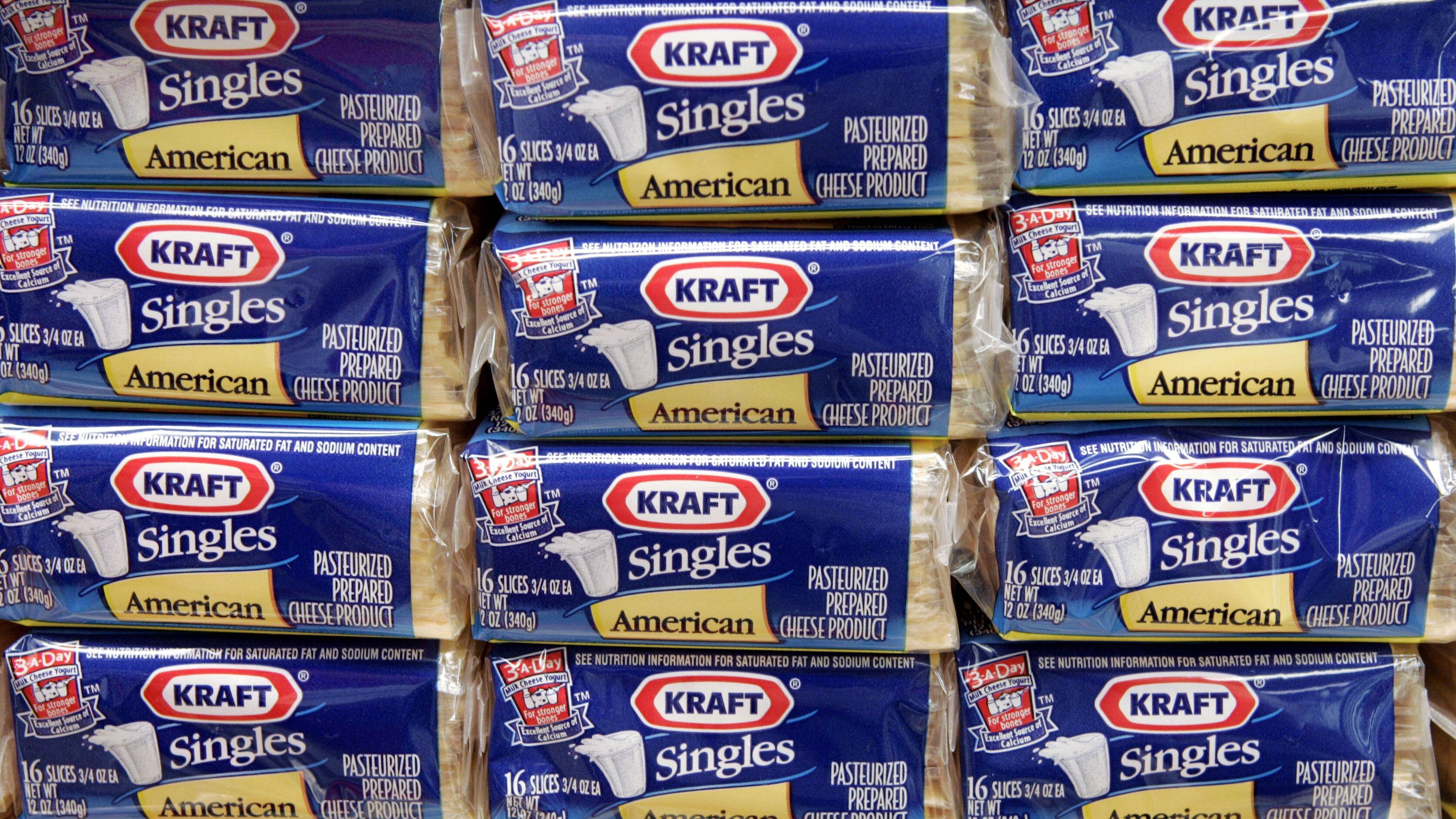
Kraft Heinz said Tuesday it's recalling more than 83,000 cases of individually-wrapped Kraft Singles American processed cheese slices because part of the wrapper could stick to the slice and become a choking hazard.
California regulators on Tuesday ordered one of the country’s oldest bottled water brands to stop using some of the natural springs it has relied on for more than 100 years to market its products throughout the western U.S.