*By Carlo Versano*
Exactly one year after the worst mass shooting in modern American history, one survivor has reason for optimism.
Robert Gaafar, who attended the Route 91 Harvest music festival in Las Vegas last year, told Cheddar that despite the unresponsive pace of gun legislation on the federal level, he is heartened by progress in statehouses around the country.
Last October, Stephen Paddock opened fire from the window of his Mandalay Bay suite, killing 58 in a 10-minute reign of terror before turning his gun on himself.
Since then, 18 states, with governors who span the political spectrum, have passed gun regulations, while 11 have passed bans on bump stocks ー the lethal devices that turn rifles into ad hoc machine guns. Paddock had 14 bump stocks as part of his arsenal, allowing him to fire more than 1,100 rounds into the crowd below him.
"We can do something about this," Gaafar said. As part of the Everytown Survivor Network, he is helping promote the gun-control group's new $5 million ad campaign ahead of the midterm elections.
The campaign, "Not One More," targets voters in 15 competitive House districts with messaging about gun safety and promotes "gun sense candidates," as Gaafar called them.
Gaafar, an entrepreneur who founded BeerBox, an internet-connected beer vending machine, never planned to become a gun safety activist. Then again, he never planned to be part of a moving target of 20,000 people running for cover "in between reloads," he said.
On the one year anniversary of the Vegas shooting, Gaafar and Everytown have focused on supporting state and local politicians who back "straightforward and common sense" gun laws ー like universal background checks, a policy that has near-universal support. Like many others, Gaafar said he's disheartened when he hears politicians say that nothing can be done to stop the American epidemic of gun violence.
"Laws do something," he said. "The basic role of government is to protect its citizens."
For full interview [click here](https://cheddar.com/videos/how-one-las-vegas-shooting-survivor-is-working-to-change-americas-gun-laws).
From Wall Street to Silicon Valley, these are the top stories that moved markets and had investors, business leaders, and entrepreneurs talking this week on Cheddar.
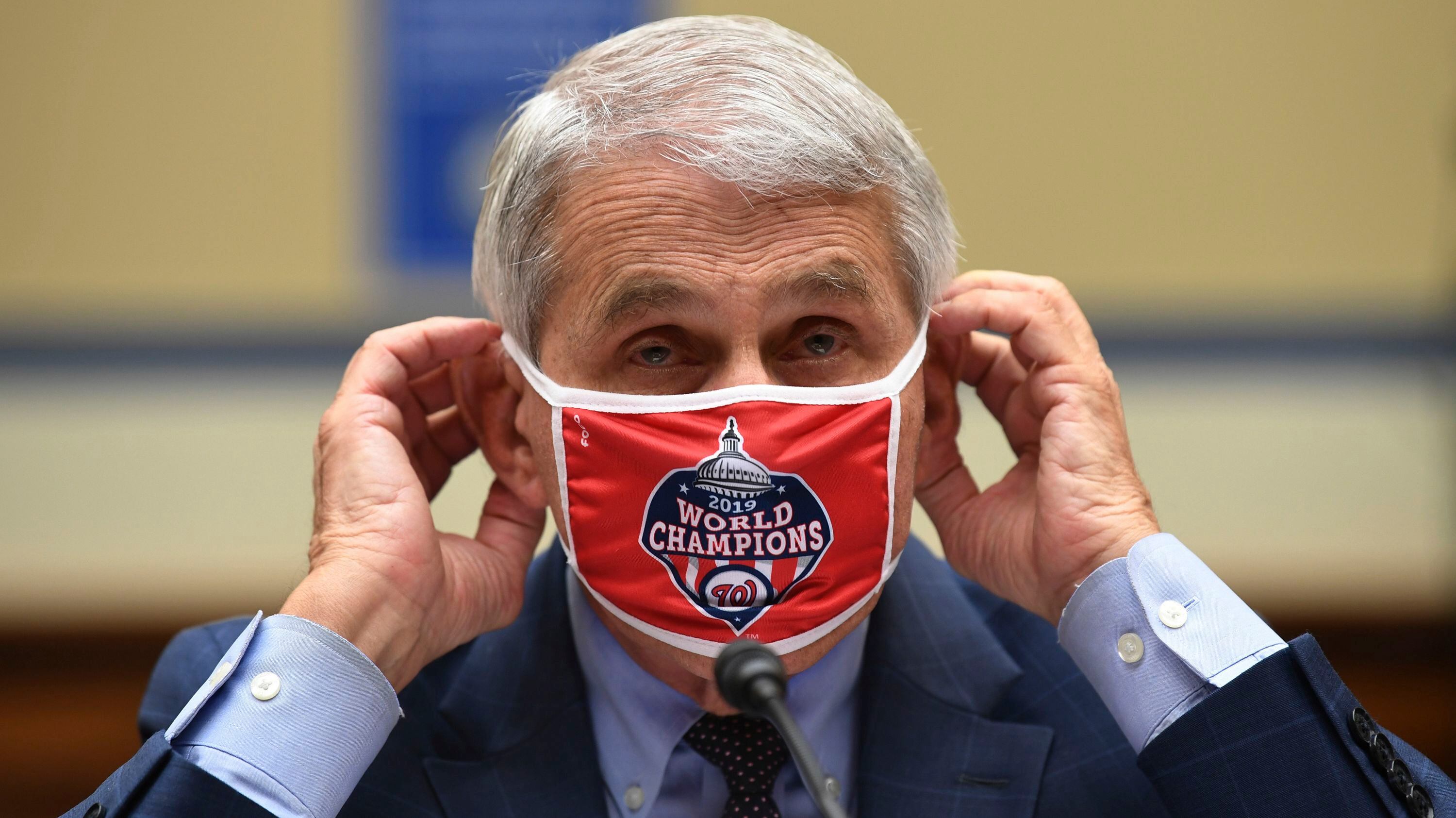
Dr. Anthony Fauci has told lawmakers that once a coronavirus vaccine is approved as safe and effective, Americans should have widespread access within a reasonable time.
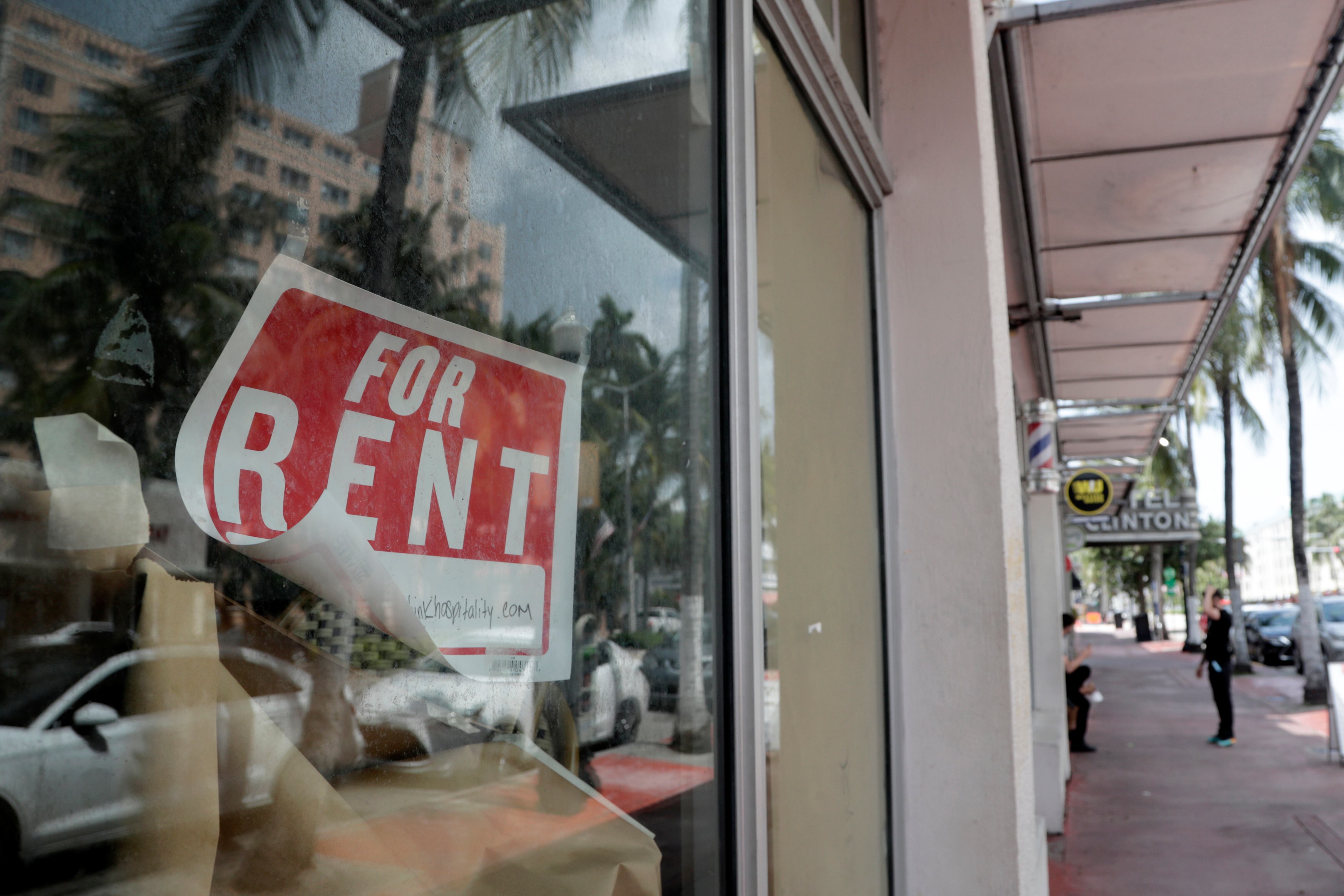
President Trump has rolled back and an Obama-era fair housing policy, allowing developers to bypass building affordable housing in suburban neighborhoods. David Sanchez, director of research & development at National Community Stabilization Trust, assesses the move as a rallying call to Trump's base ahead of the November election.
John Lewis was celebrated as an American hero during his funeral as former President Barack Obama and others called on people to follow Lewis’ example and take action in the face of injustice.
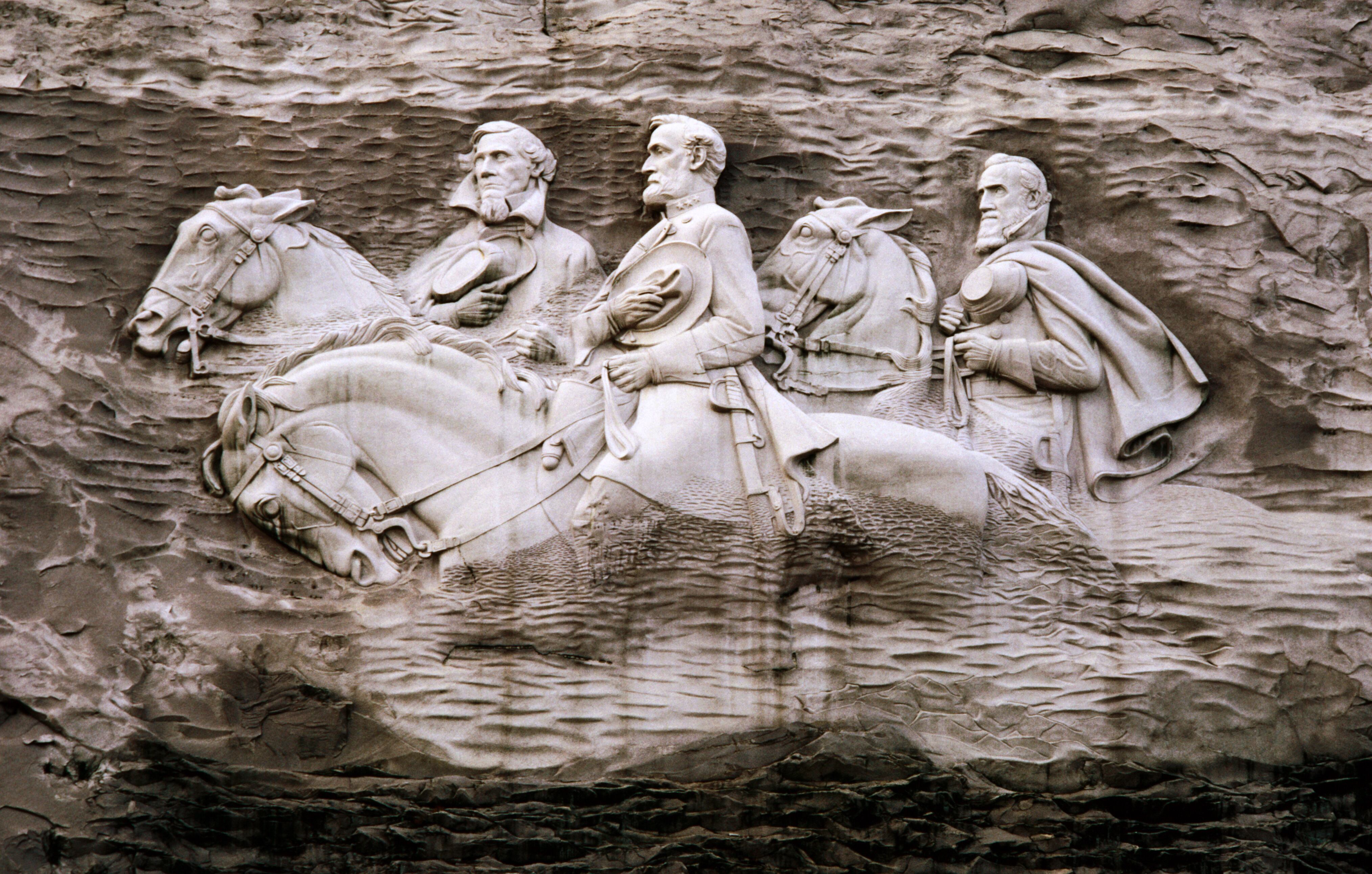
Statues commemorating the Confederacy are being torn down across America as a result of racial unrest following the murder of George Floyd in Minneapolis. But the largest monument in the country has been left out of the conversation: Stone Mountain monument in Georgia. The 42-foot-deep, 76-by-158 foot carving of Confederate President Jefferson Davis, and Generals Robert E. Lee and Stonewall Jackson sits on the face of the world’s largest piece of exposed granite. Removing it could require bitter political debate and a year-long demolition. But for most, the racist history it represents is too hard to ignore.
Unemployment claims rise for the second week as states reverse course on reopenings amid spikes in coronavirus cases. Tyler Goodspeed, acting chairmain of White House council of economic advisers, talks current standing of the economy.
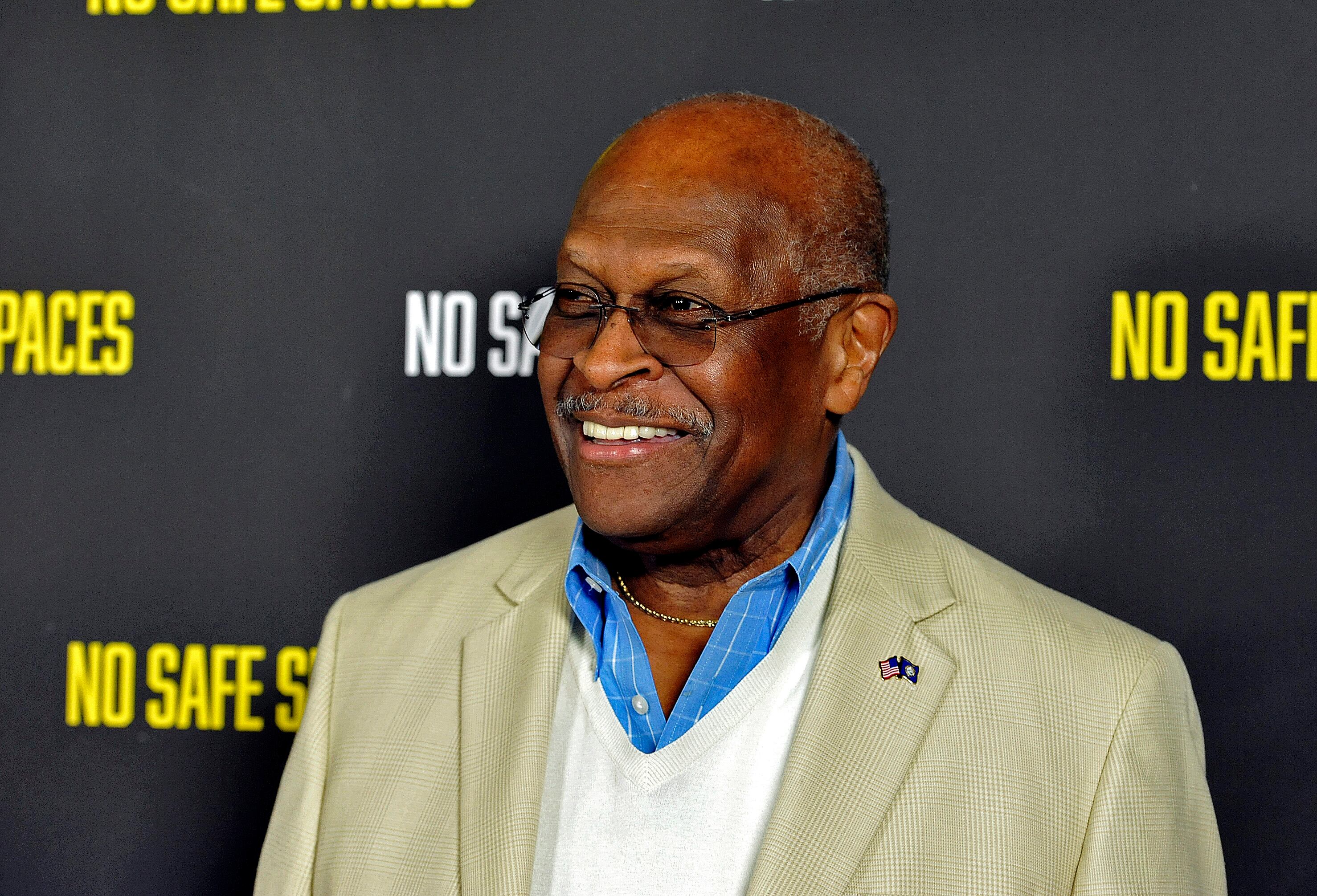
Former GOP presidential candidate Herman Cain has died after battling the coronavirus. He was 74.
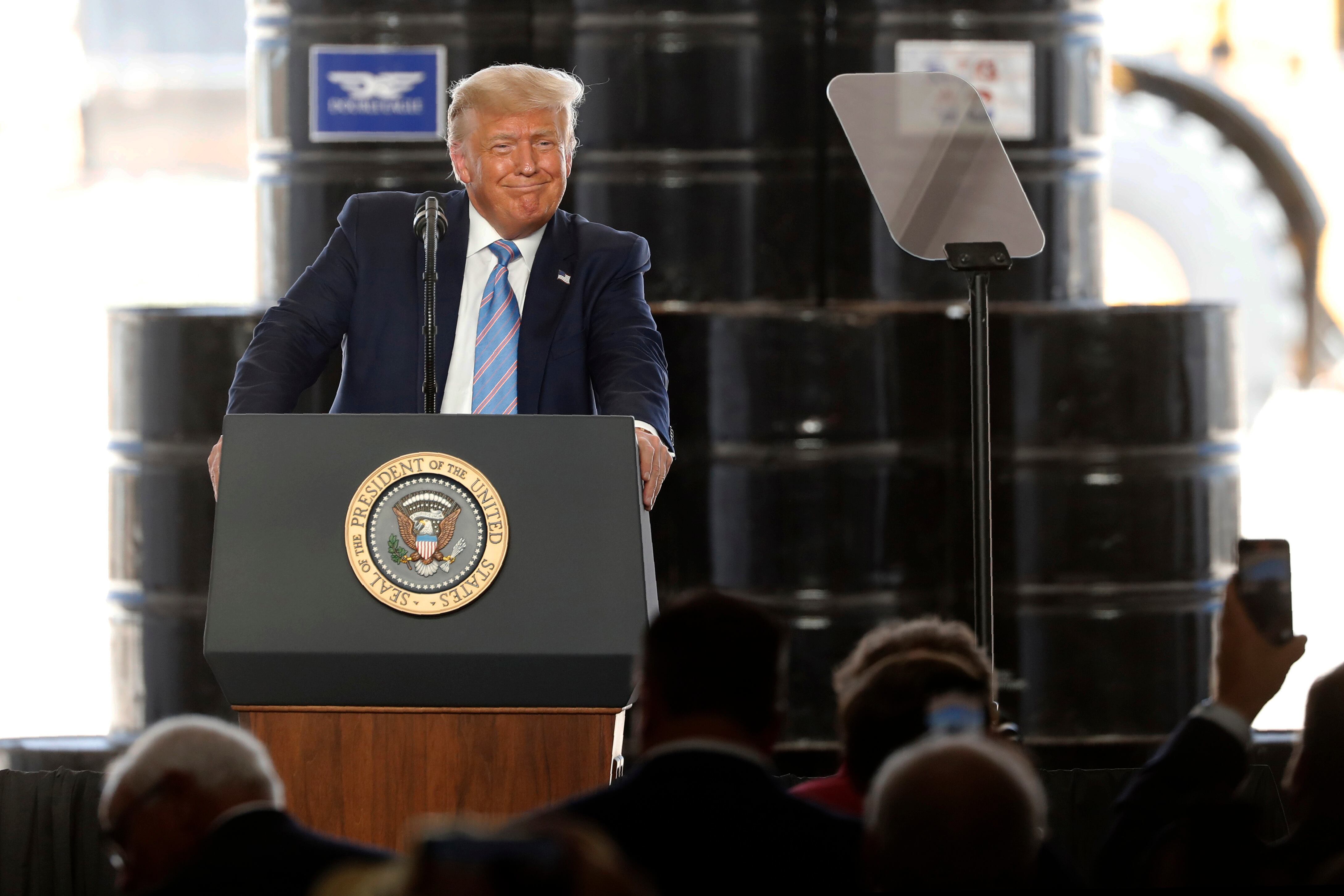
President Donald Trump is for the first time floating a “delay” to the Nov. 3 presidential election, as he makes unsubstantiated allegations that increased mail-in voting will result in fraud.
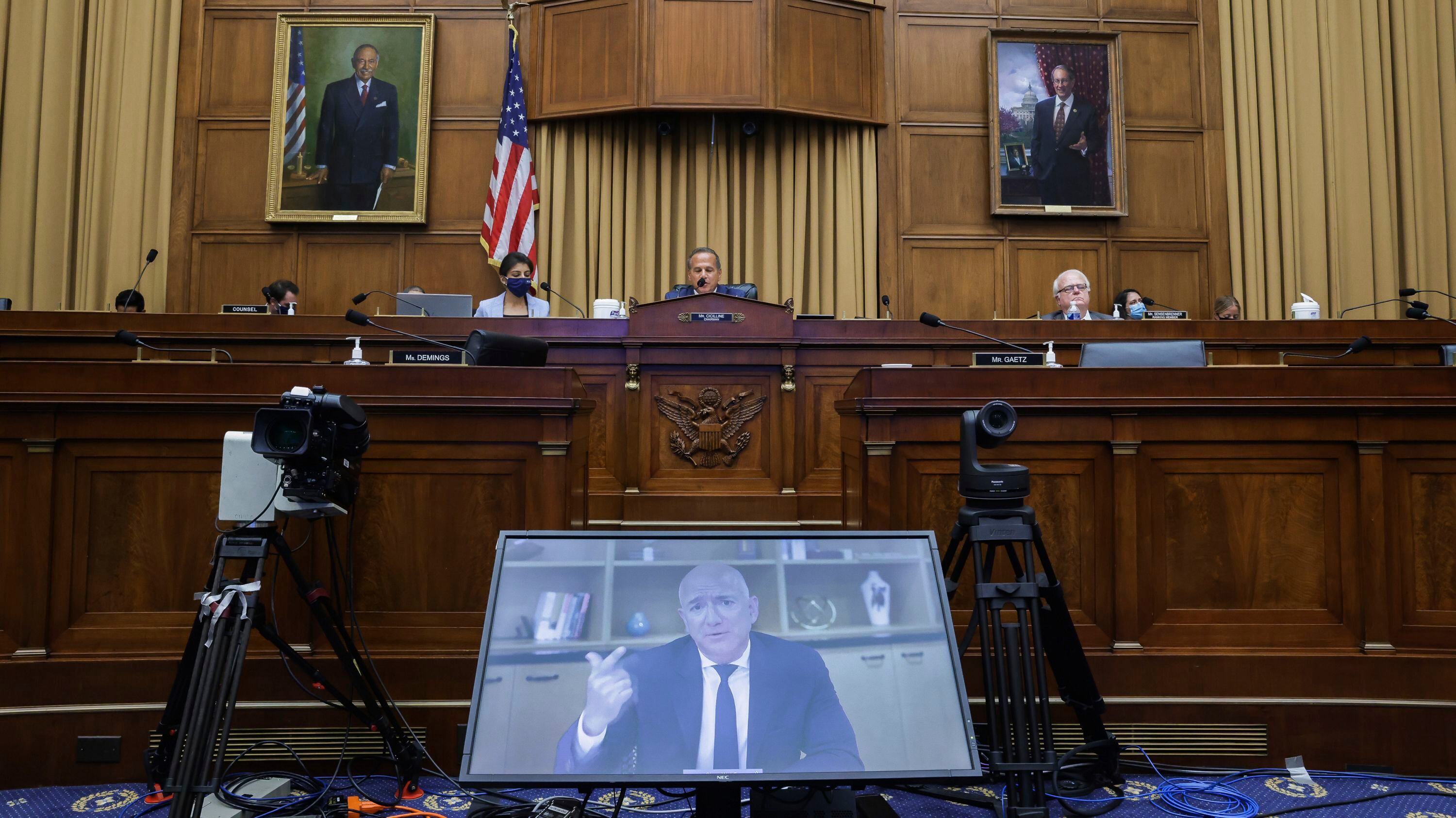
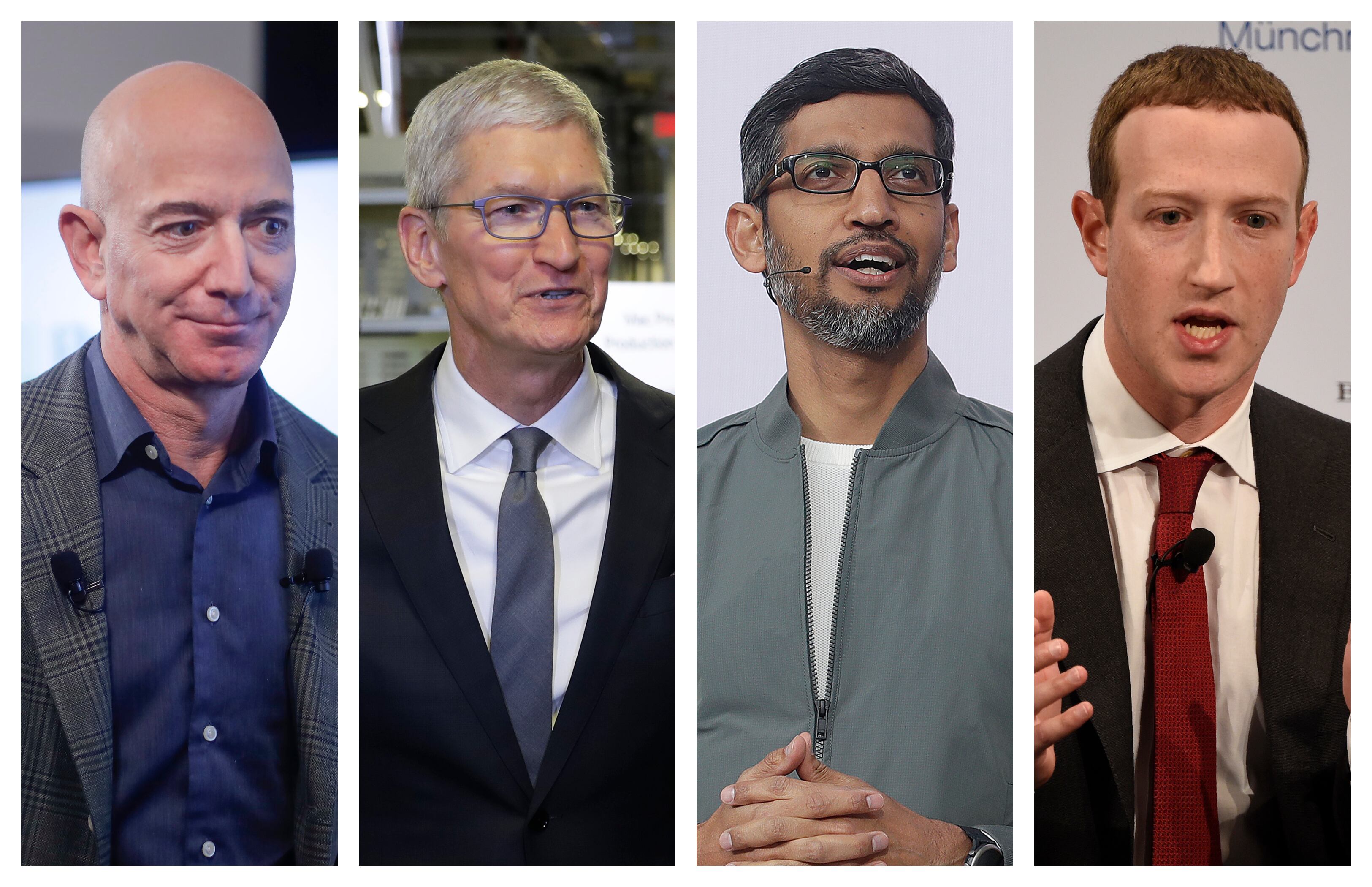
Four Big Tech CEOs are fending off accusations of stifling competition in front of a congressional panel that is investigating market dominance in the industry.
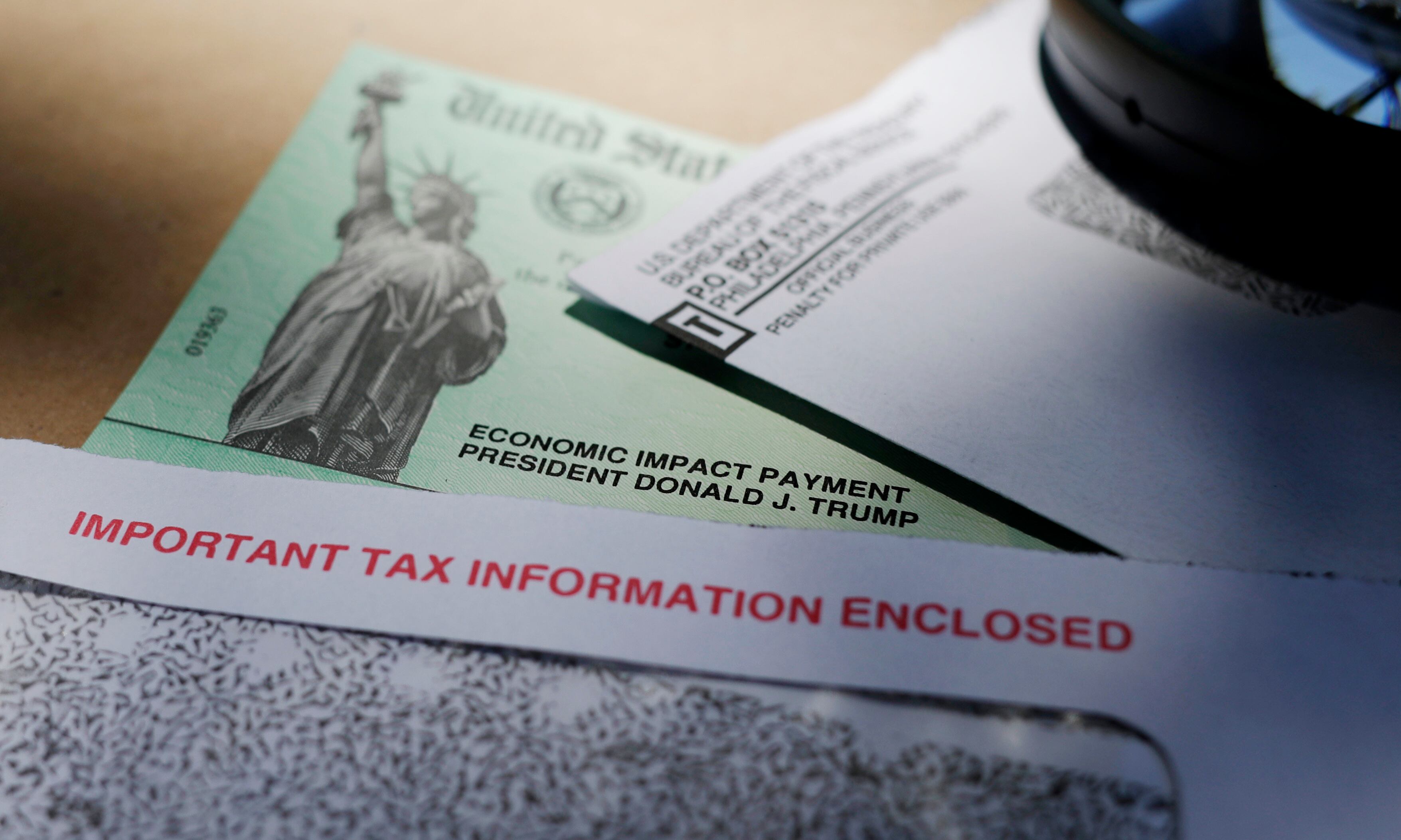
Cheddar takes a look at some key differences between proposals by Republicans and Democrats on the next phase of economic stimulus amid the pandemic crisis.