One Year Later, Vegas Shooting Survivor Sees Progress on Guns
*By Carlo Versano*
Exactly one year after the worst mass shooting in modern American history, one survivor has reason for optimism.
Robert Gaafar, who attended the Route 91 Harvest music festival in Las Vegas last year, told Cheddar that despite the unresponsive pace of gun legislation on the federal level, he is heartened by progress in statehouses around the country.
Last October, Stephen Paddock opened fire from the window of his Mandalay Bay suite, killing 58 in a 10-minute reign of terror before turning his gun on himself.
Since then, 18 states, with governors who span the political spectrum, have passed gun regulations, while 11 have passed bans on bump stocks ー the lethal devices that turn rifles into ad hoc machine guns. Paddock had 14 bump stocks as part of his arsenal, allowing him to fire more than 1,100 rounds into the crowd below him.
"We can do something about this," Gaafar said. As part of the Everytown Survivor Network, he is helping promote the gun-control group's new $5 million ad campaign ahead of the midterm elections.
The campaign, "Not One More," targets voters in 15 competitive House districts with messaging about gun safety and promotes "gun sense candidates," as Gaafar called them.
Gaafar, an entrepreneur who founded BeerBox, an internet-connected beer vending machine, never planned to become a gun safety activist. Then again, he never planned to be part of a moving target of 20,000 people running for cover "in between reloads," he said.
On the one year anniversary of the Vegas shooting, Gaafar and Everytown have focused on supporting state and local politicians who back "straightforward and common sense" gun laws ー like universal background checks, a policy that has near-universal support. Like many others, Gaafar said he's disheartened when he hears politicians say that nothing can be done to stop the American epidemic of gun violence.
"Laws do something," he said. "The basic role of government is to protect its citizens."
For full interview [click here](https://cheddar.com/videos/how-one-las-vegas-shooting-survivor-is-working-to-change-americas-gun-laws).
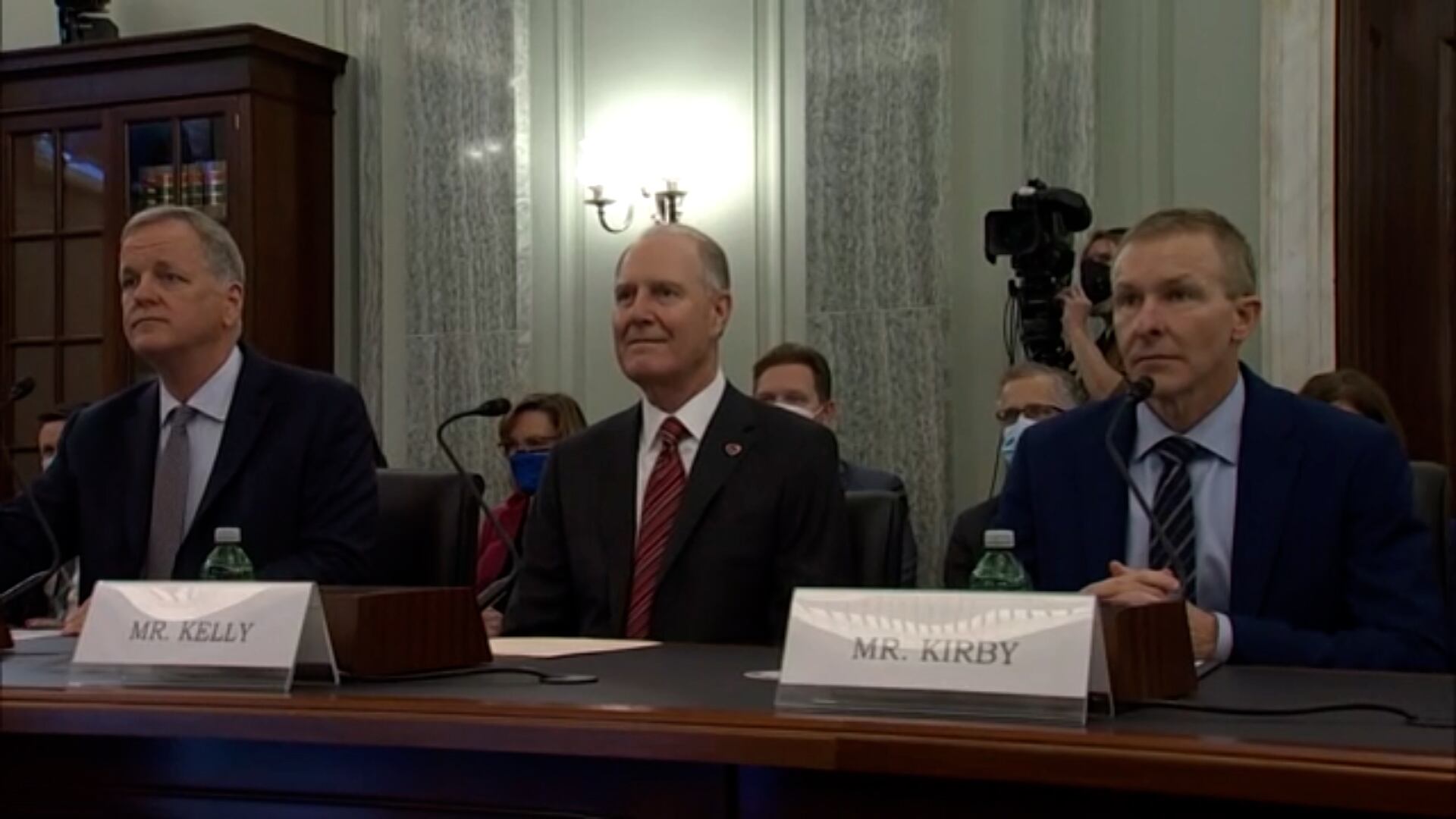
Airline executives faced tough questions from Congress on Wednesday, with the Senate panel grilling top CEOs on how they used that $54 billion Covid-19 government lifeline.
This hearing comes as airlines continue to face staffing shortages and widespread delays. Jason Ader, Leisure Analyst and CEO of SpringOwl Asset Management joined Cheddar's Opening Bell to discuss.
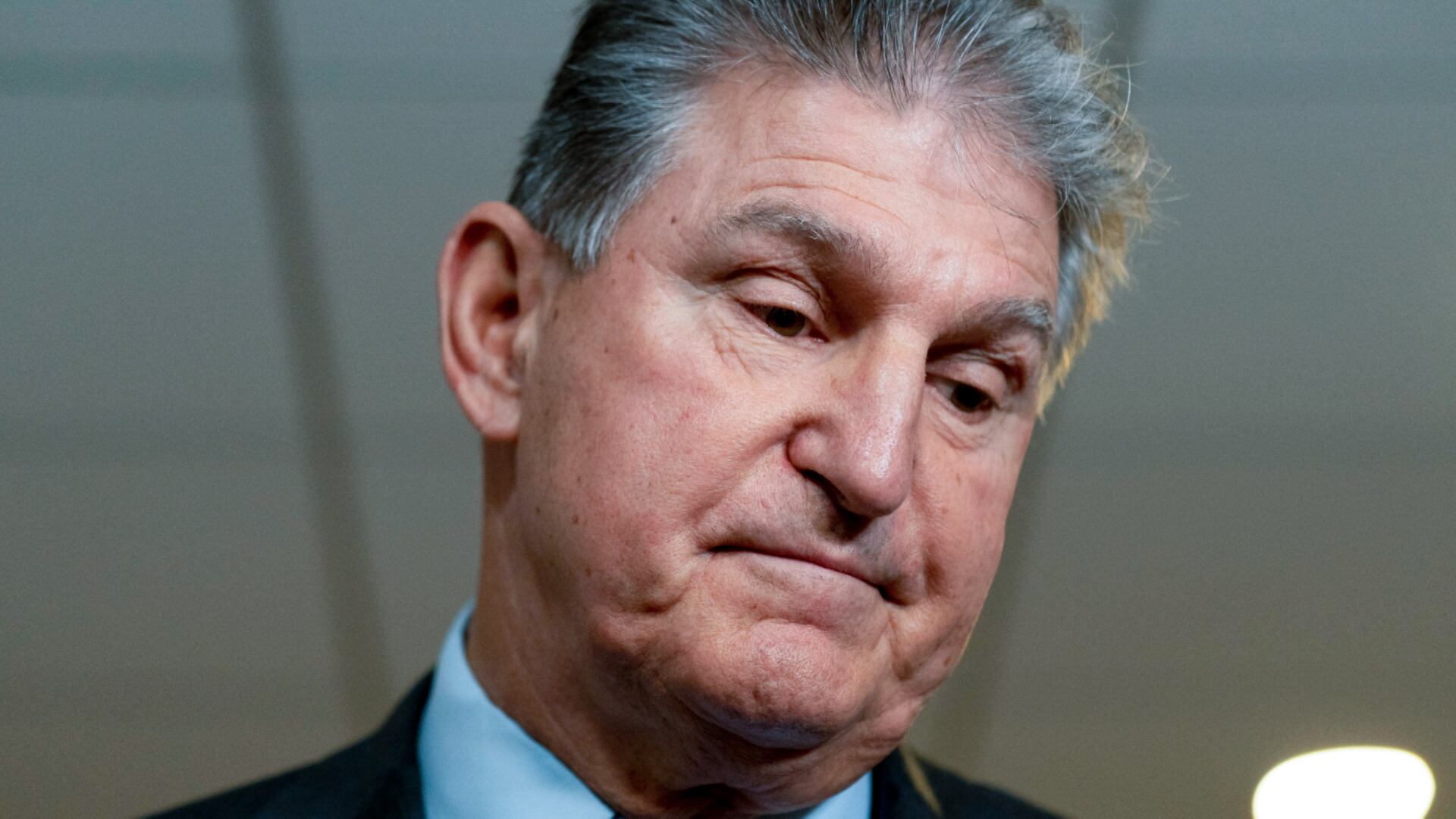
The Hill's White House Correspondent Alex Gangitano joined Wake Up With Cheddar to break down the deterioration of Senator Manchin and President Biden's relationship, as the White House calls out the West Virginia lawmaker for "breaching his commitments to the President."
Airline executives faced tough questions from a Senate panel on Wednesday after receiving a $54 billion dollar Covid-19 government lifeline. Congress approved the fund in three rounds covering much of US airlines’ payroll costs for 18 months. During the hearing lawmakers asked CEO’s how they used the federal bailout funds, about staffing issues, flight cancellations, and delays. U.S. airlines reported a record $35 billion dollar loss last year when travel came to an abrupt halt because of the pandemic. Michael Boyd, CEO at the Boyd Group International explains why customers may not be returning to the skies quite so soon.
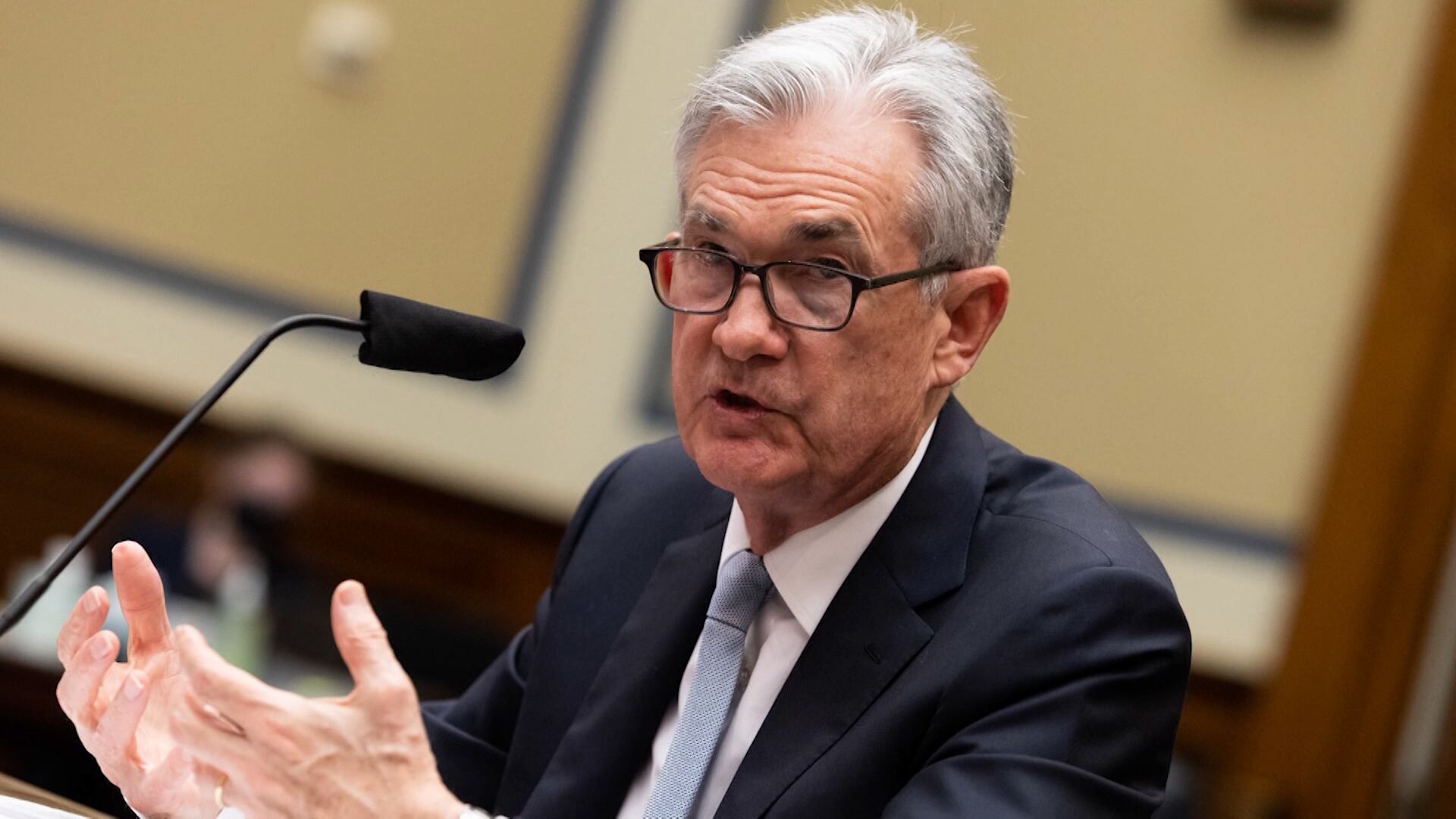
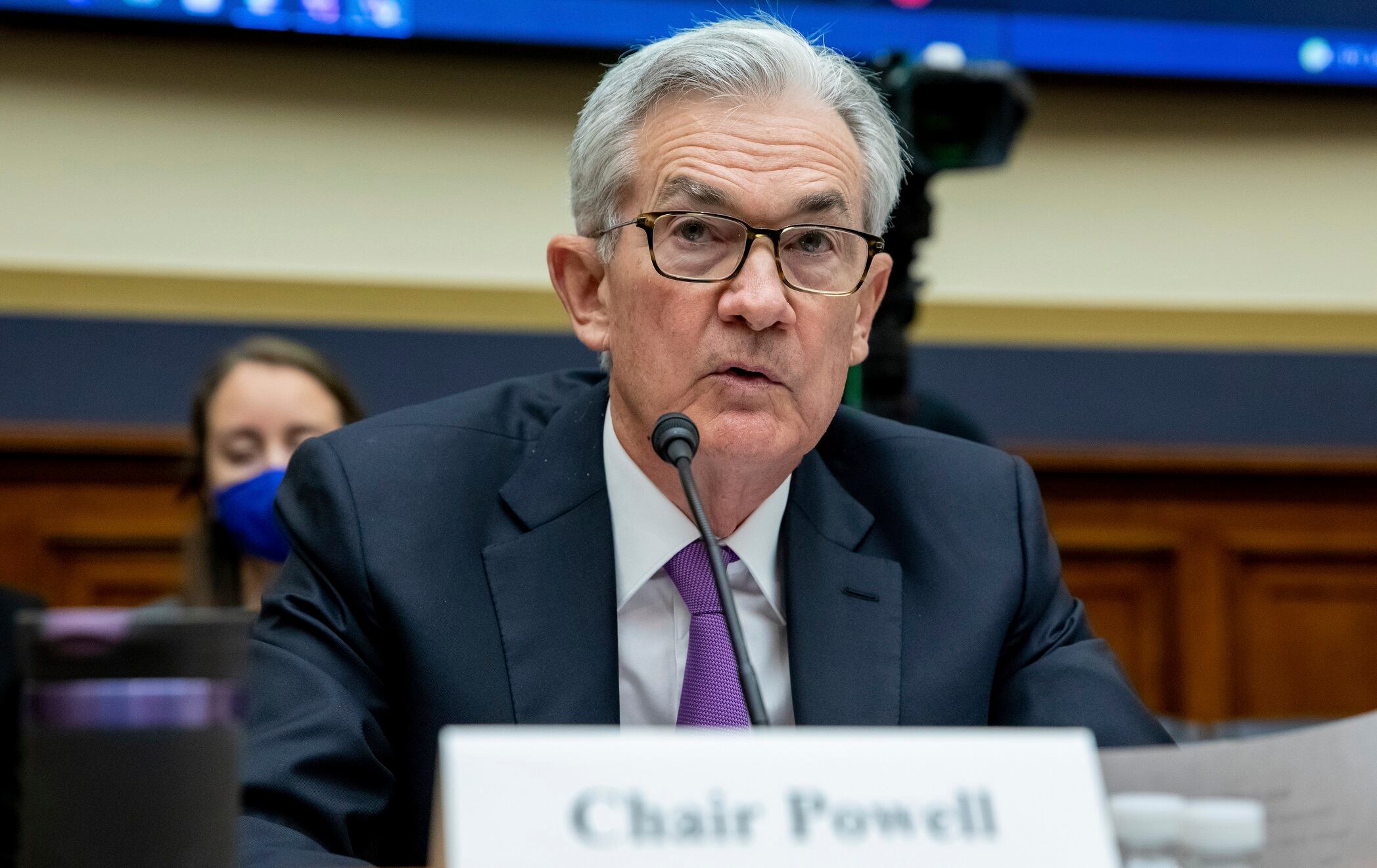
Senior Global Market Strategist at Wells Fargo Investment Institute Scott Wren joined Wake Up With Cheddar to recap the central bank's policy change, and how it may impact the economy moving forward.
Carlo's joined by a quarantining Baker to discuss the headlines from the weekend as Omicron spreads like wildfire, Manchin kills Biden's signature bill and Spider-Man throws a lifeline to the box office.
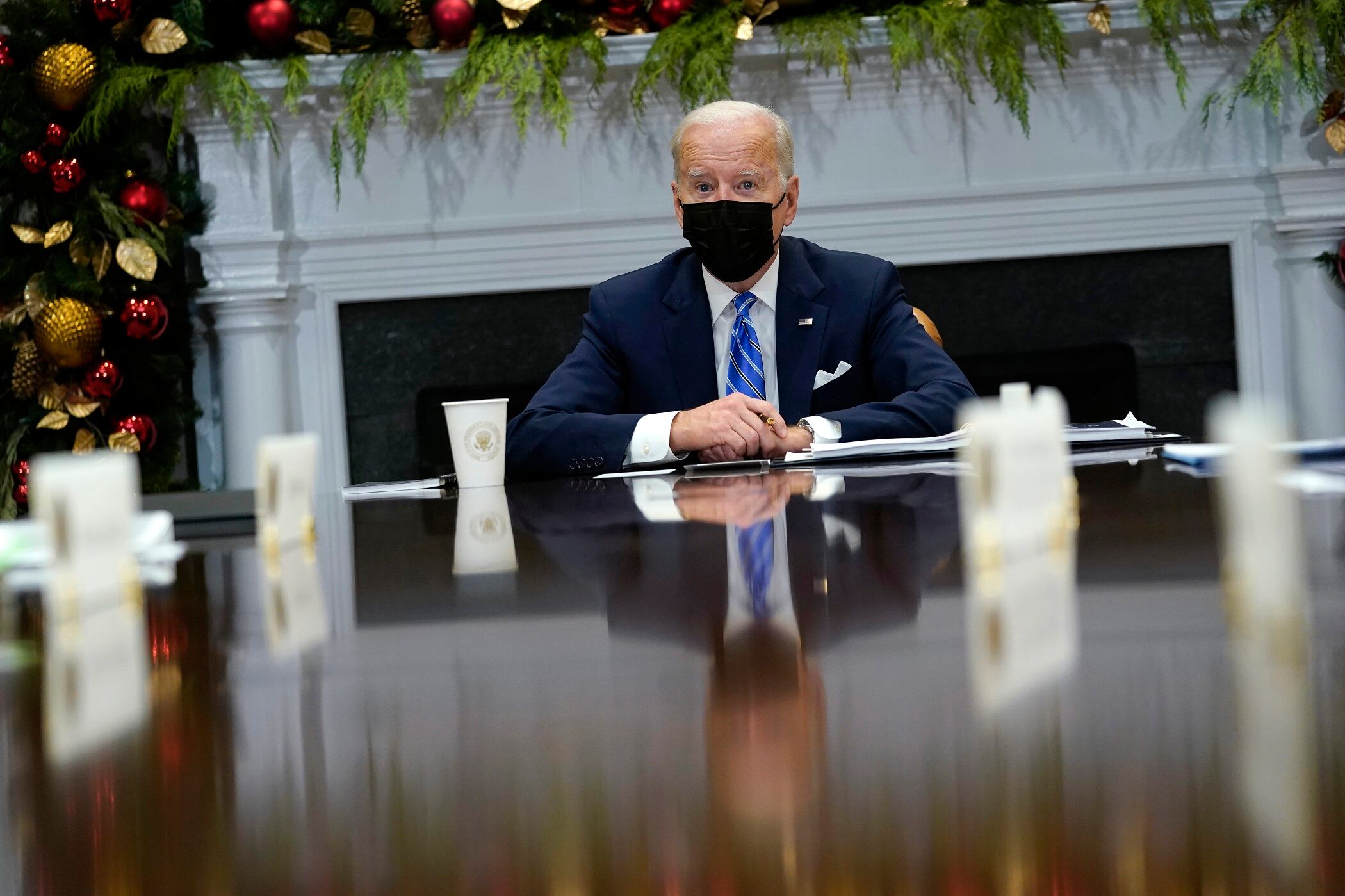
President Joe Biden is pledging to do “whatever it takes, as long as it takes” to help Kentucky and other states recover and rebuild after a series of deadly tornadoes that he says left a trail of unimaginable devastation.
The Federal Reserve has nixed the controversial word "transitory" to describe inflation in its latest policy statement. The change in language comes as the Fed plans to speed up its tapering of monthly asset purchases.