One Year Later, Vegas Shooting Survivor Sees Progress on Guns
*By Carlo Versano*
Exactly one year after the worst mass shooting in modern American history, one survivor has reason for optimism.
Robert Gaafar, who attended the Route 91 Harvest music festival in Las Vegas last year, told Cheddar that despite the unresponsive pace of gun legislation on the federal level, he is heartened by progress in statehouses around the country.
Last October, Stephen Paddock opened fire from the window of his Mandalay Bay suite, killing 58 in a 10-minute reign of terror before turning his gun on himself.
Since then, 18 states, with governors who span the political spectrum, have passed gun regulations, while 11 have passed bans on bump stocks ー the lethal devices that turn rifles into ad hoc machine guns. Paddock had 14 bump stocks as part of his arsenal, allowing him to fire more than 1,100 rounds into the crowd below him.
"We can do something about this," Gaafar said. As part of the Everytown Survivor Network, he is helping promote the gun-control group's new $5 million ad campaign ahead of the midterm elections.
The campaign, "Not One More," targets voters in 15 competitive House districts with messaging about gun safety and promotes "gun sense candidates," as Gaafar called them.
Gaafar, an entrepreneur who founded BeerBox, an internet-connected beer vending machine, never planned to become a gun safety activist. Then again, he never planned to be part of a moving target of 20,000 people running for cover "in between reloads," he said.
On the one year anniversary of the Vegas shooting, Gaafar and Everytown have focused on supporting state and local politicians who back "straightforward and common sense" gun laws ー like universal background checks, a policy that has near-universal support. Like many others, Gaafar said he's disheartened when he hears politicians say that nothing can be done to stop the American epidemic of gun violence.
"Laws do something," he said. "The basic role of government is to protect its citizens."
For full interview [click here](https://cheddar.com/videos/how-one-las-vegas-shooting-survivor-is-working-to-change-americas-gun-laws).
Jill and Carlo discuss what appears to be the beginning of the end of Roe v. Wade, another victim dies following the school shooting in Michigan, Omicron in the U.S., Trump's Covid chronology and more.
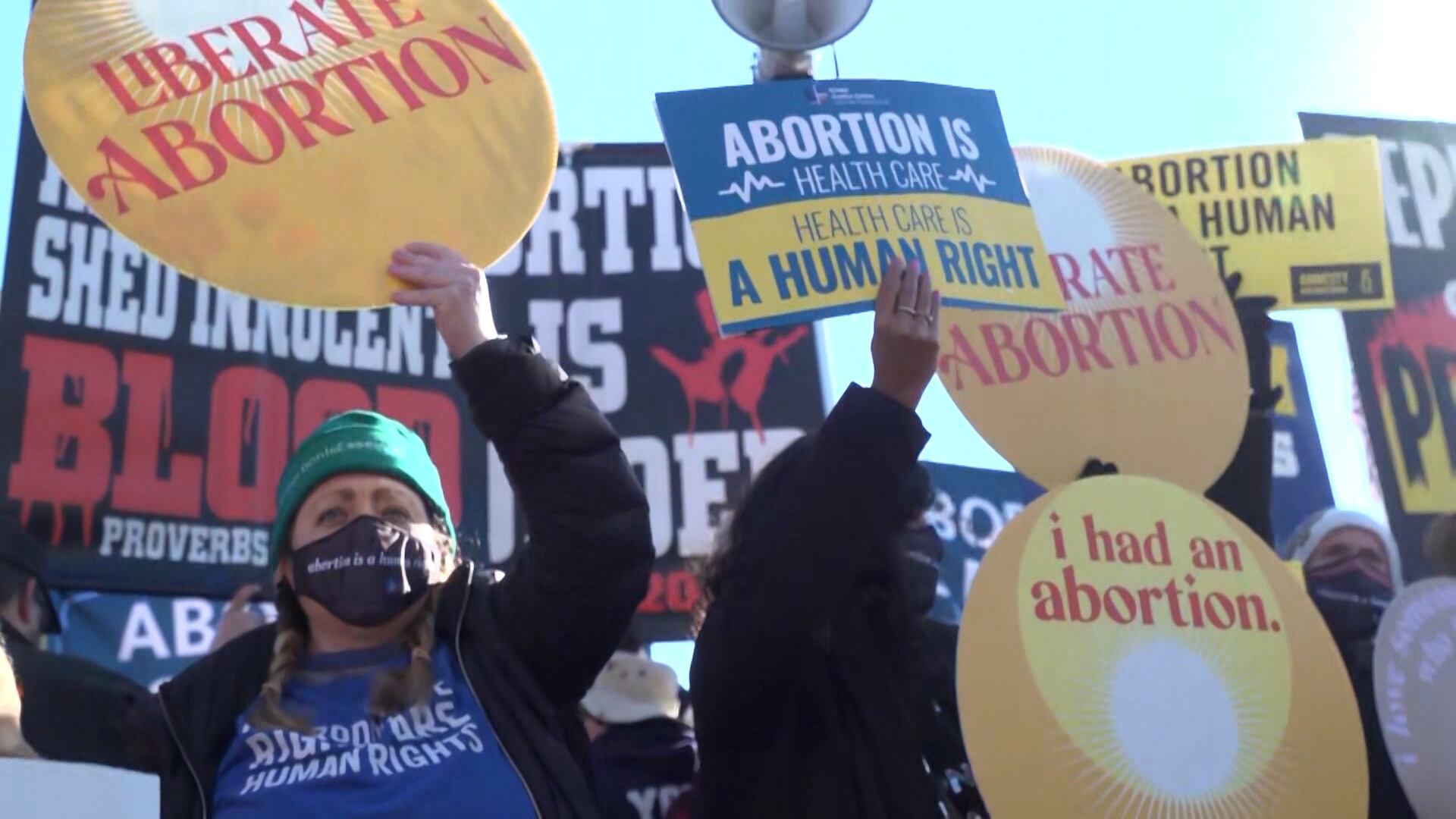
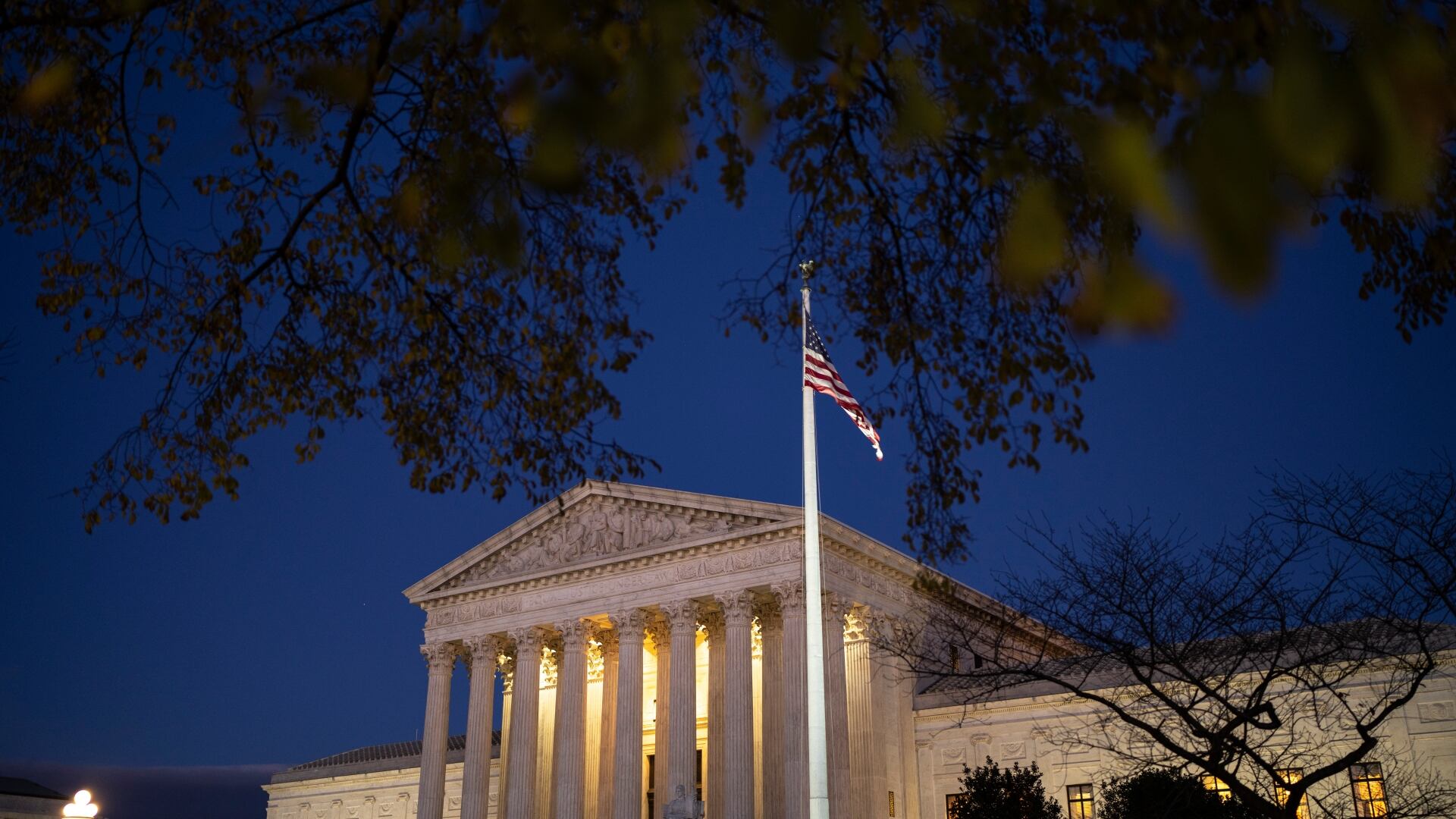
The Supreme Court appeared prepared Wednesday to uphold a Mississippi law that would ban almost all abortions after 15 weeks of pregnancy. The ruling is far from over, with Roe V. Wade at risk. Susan Rinkunas, senior reporter at Jezebel, joins Cheddar News to share the developments of the hearing.
The nine justices heard arguments Wednesday, around a Mississippi abortion law that bans the procedure after 15 weeks and appeared to lean toward upholding the law, while leaving uncertainty about the landmark precedent, Roe v. Wade. Kristin Ford, vice president of communications and research at NARAL Pro-Choice America joins Cheddar News to discuss.
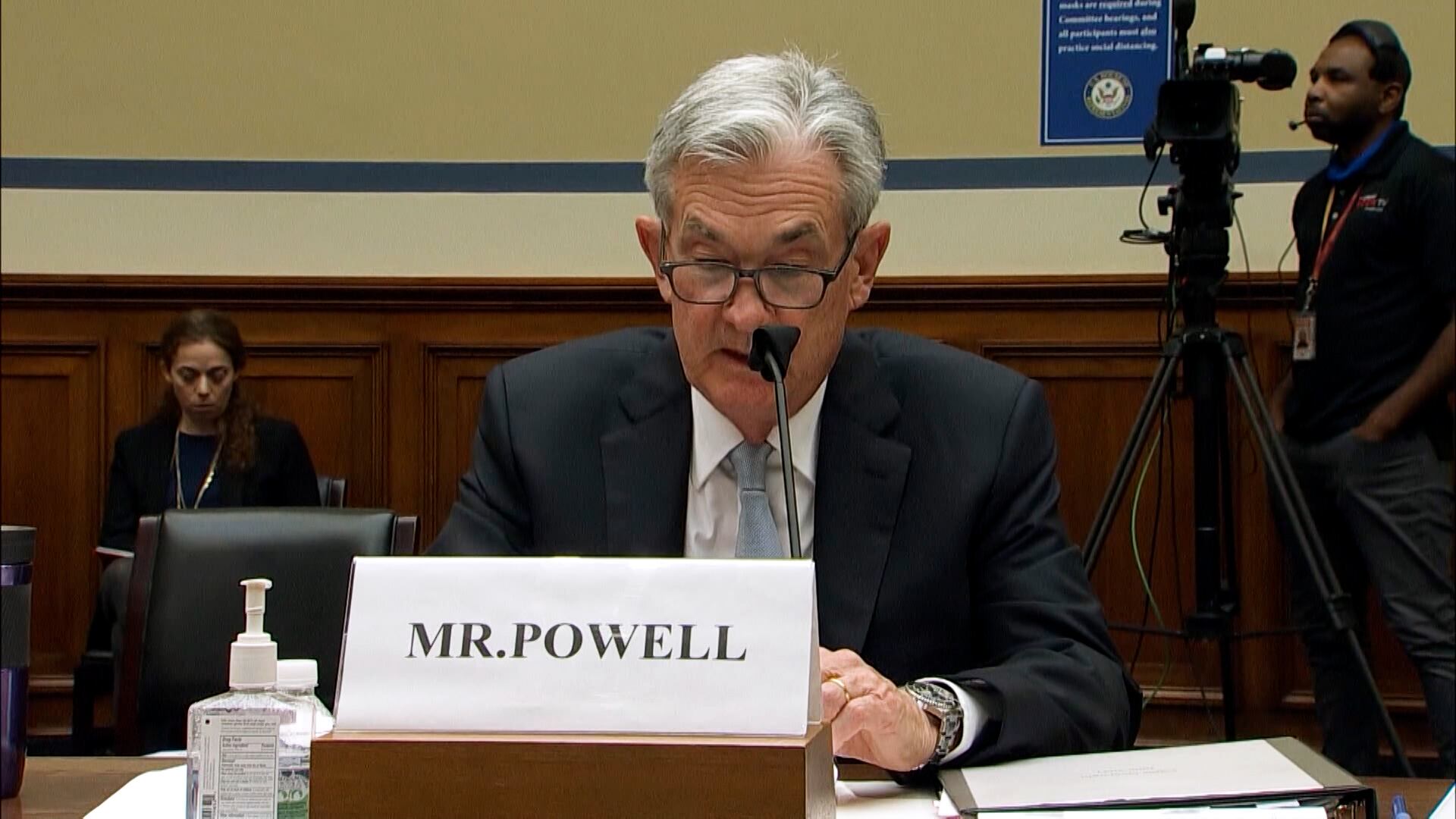
Just about a week after being re-nominated, Federal Reserve Chair Jermone Powell is changing his tune. After nearly a year of referring to inflation as 'transitory,' Powell said he will retire the 'T' word as inflation remains elevated. Christopher Russo, Post-Graduate Research Fellow, Mercatus Center joined Cheddar's Opening Bell to discuss.
Airbnb has come under fire after an Axios report found that the rental company has properties available in China's Xinjiang region where the nation has been accused of committing genocide against Uyghur Muslims, demolishing their homes, and replacing them with tourist attractions.
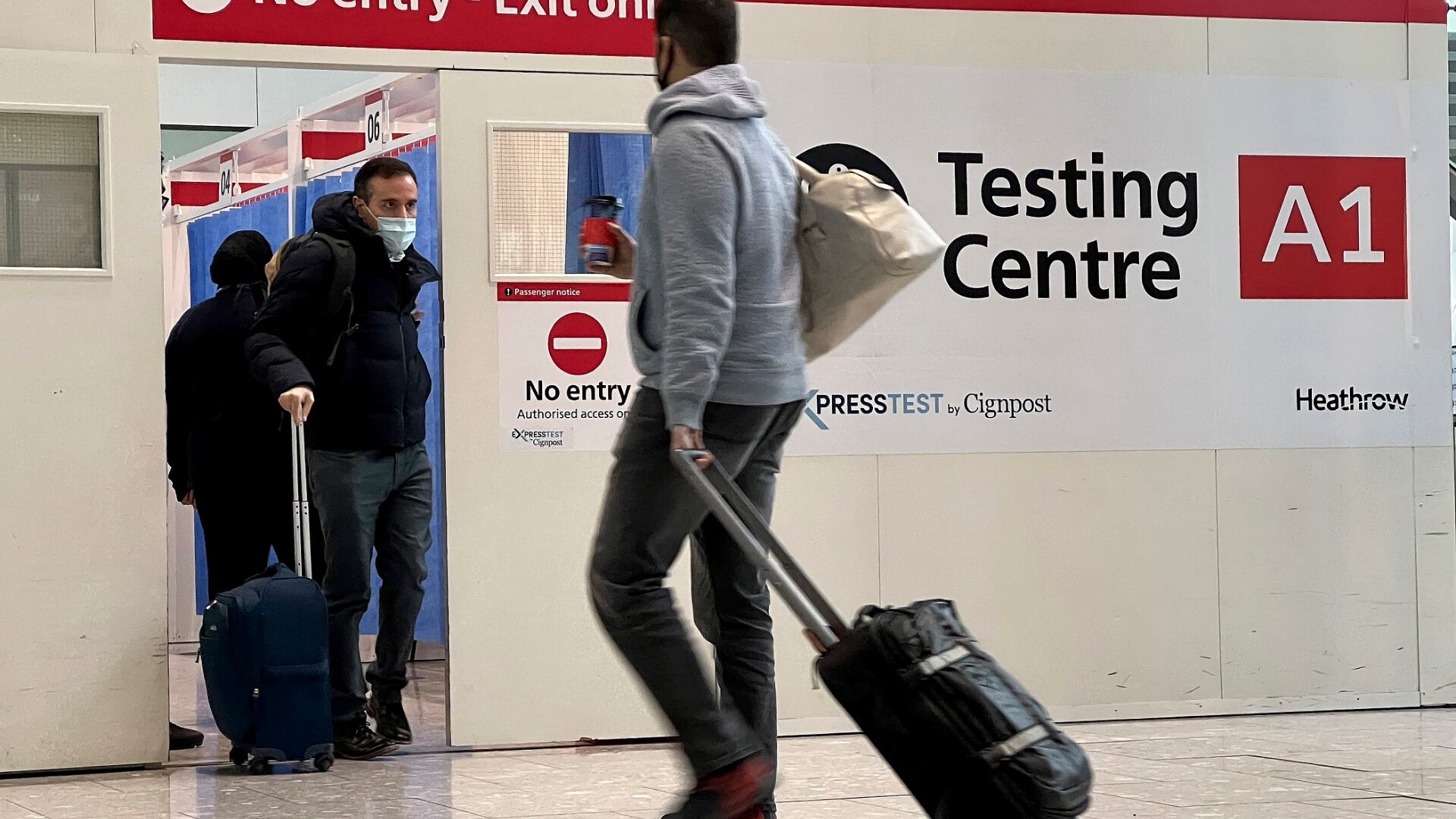
With the emergence of the omicron variant, the U.S. is considering tightening international travel guidelines. The CDC said it might reduce the window for foreign travelers to submit a negative COVID-19 test from three days prior to one day before allowing entry.
Jill and Carlo cover the latest on Omicron, another school shooting in America and more. Plus, bidding farewell to 'transitory' inflation, and the controversy surrounding 'Lovely Bones' author Alice Sebold.