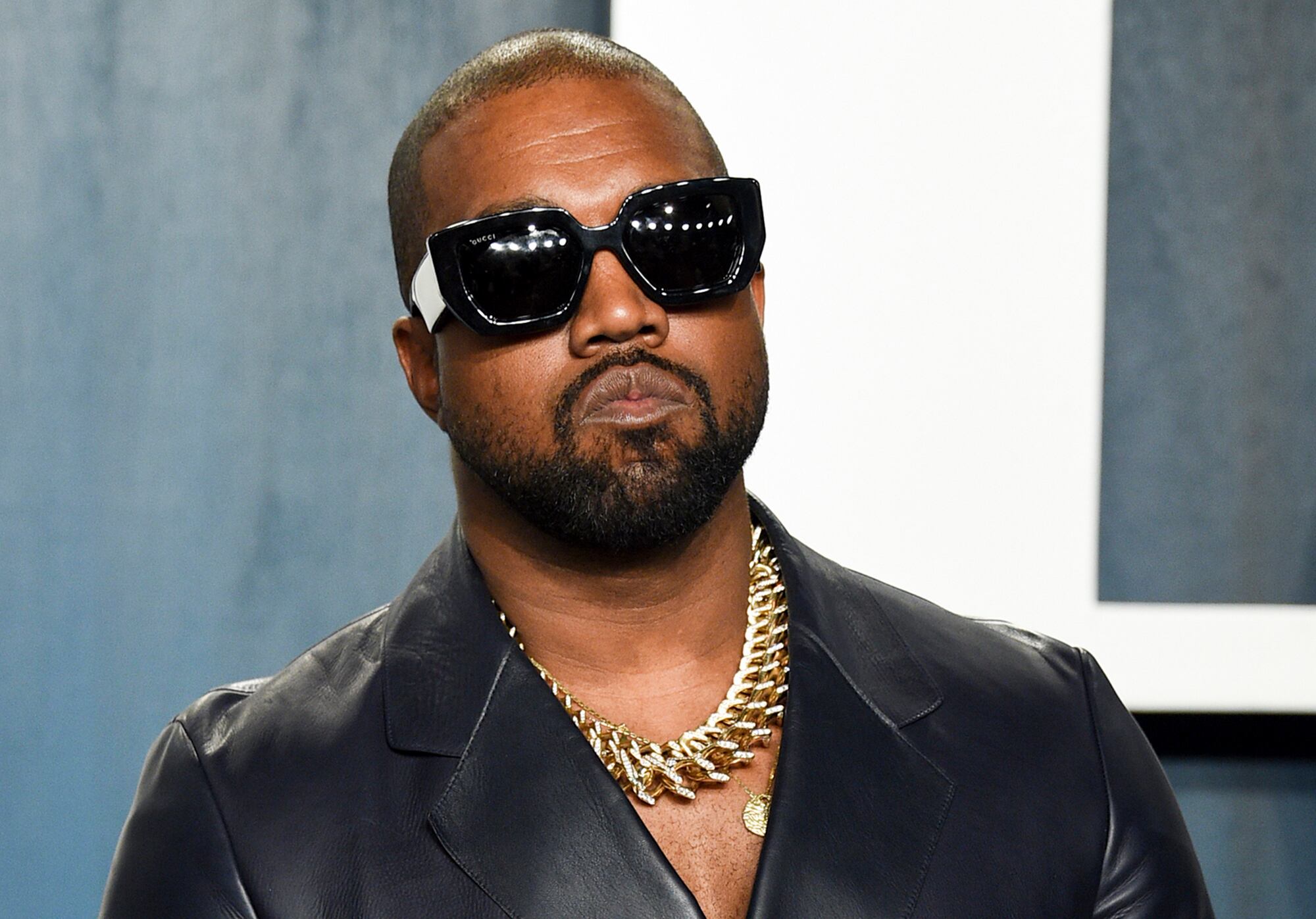
In this Feb. 9, 2020, file photo, Kanye West arrives at the Vanity Fair Oscar Party in Beverly Hills, Calif. Rapper and fashion mogul Ye’s high-end clothing company Yeezy has agreed to pay $950,000 to settle a lawsuit over slow shipping to customers. (Photo by Evan Agostini/Invision/AP, File)
Rapper and fashion mogul Ye's high-end clothing company Yeezy agreed Monday to pay $950,000 to settle a lawsuit brought by four California district attorneys over slow shipping to customers.
The suit brought last month by the district attorneys of Los Angeles, Sonoma, Napa and Alameda counties alleged that Yeezy had engaged in false advertising about its shipping and had violated state law by failing to send online orders within 30 days.
He designs and sells sneakers under the Yeezy brand in collaboration with Adidas. The company also makes and sells clothes. Adidas was not named as a defendant in the lawsuit.
An email sent seeking comment from Yeezy was not immediately returned.
The settlement includes $800,000 in civil penalties to the district attorneys offices, $50,000 in restitution to a state consumer protection fund, and $100,000 in investigative costs.
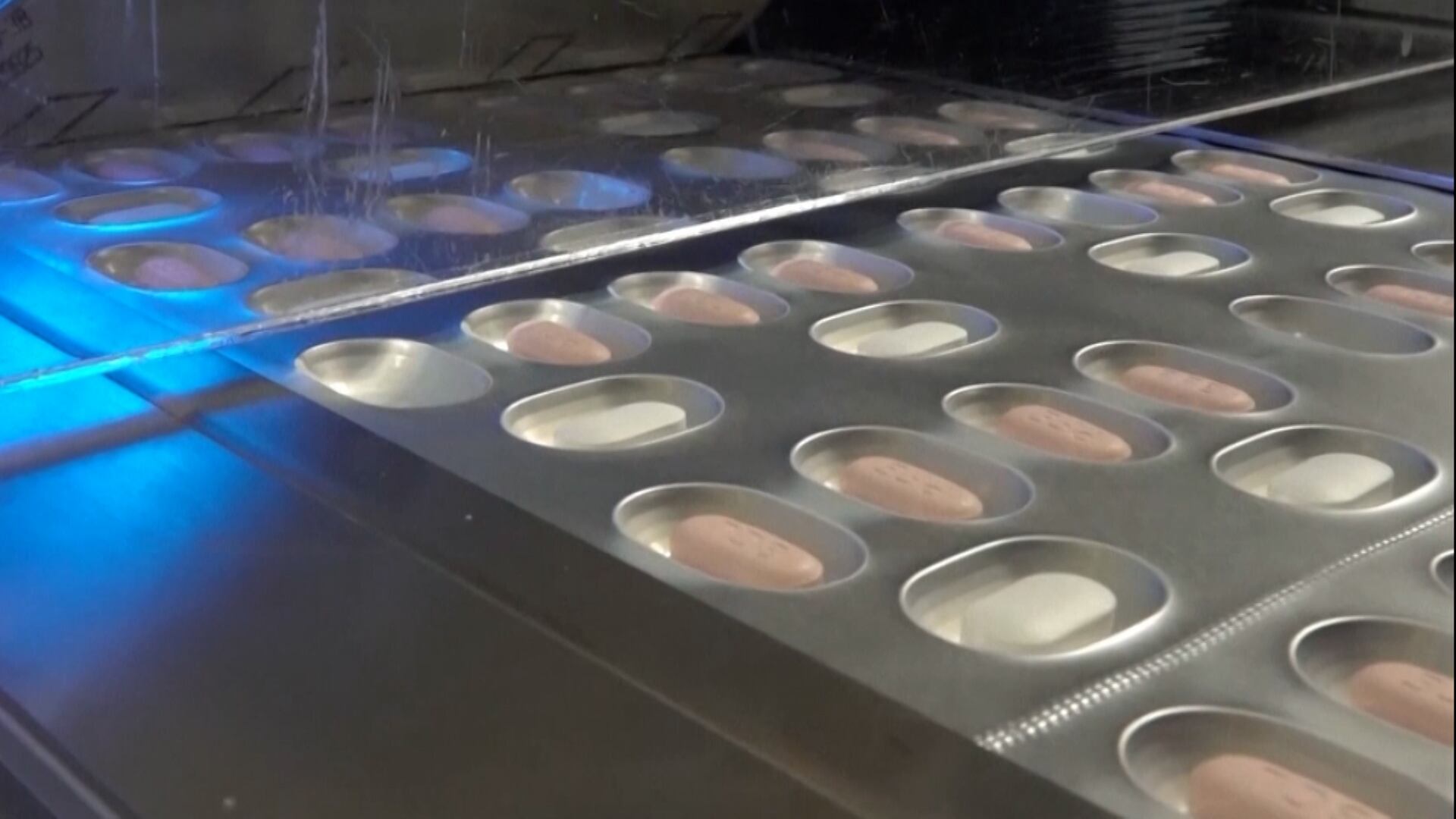
The FDA has granted emergency use authorization to Pfizer's pill to treat covid-19. The treatment, called Paxlovid, is the first antiviral covid-19 pill that people can take at home.
Pfizer says the pill can reduce the risk of severe illness by 90 percent and is intended for people at high risk for severe disease, including those over 65, people with obesity, diabetes, or a weakened immune system. Professor Peter Pitts, Founder, Center for Medicine in the Public Interest & Former FDA Associate joined Wake Up with Cheddar to discuss.
On December 20th, the TSA reported that for the fourth day in a row, it had screened more than 2 million people through its airports as the Omicron variant continues to rage and spread rapidly throughout the country. The CDC now reporting that roughly 73% of all covid cases are caused by the Omicron variant ahead of President Biden’s remarks aimed towards curbing the virus and helping hospitals battle rises in hospitalizations. Dr. Nasia Safdar breaks down the latest on traveling during the pandemic.
Ahead of a four day week for the markets due to the upcoming Christmas holiday, investors hoping for a quiet end to the year, or even a Santa Claus rally, may not be in luck. Investors are still digesting the latest from the Fed regarding a quicker than expected taper, as well as ever increasing blow back as the Omicron variant spreads. Octavio Marenzi, CEO of Opimas LLC, explains why the markets have been so volatile ever since the emergence of the latest variant and what to expect going forward into 2022.
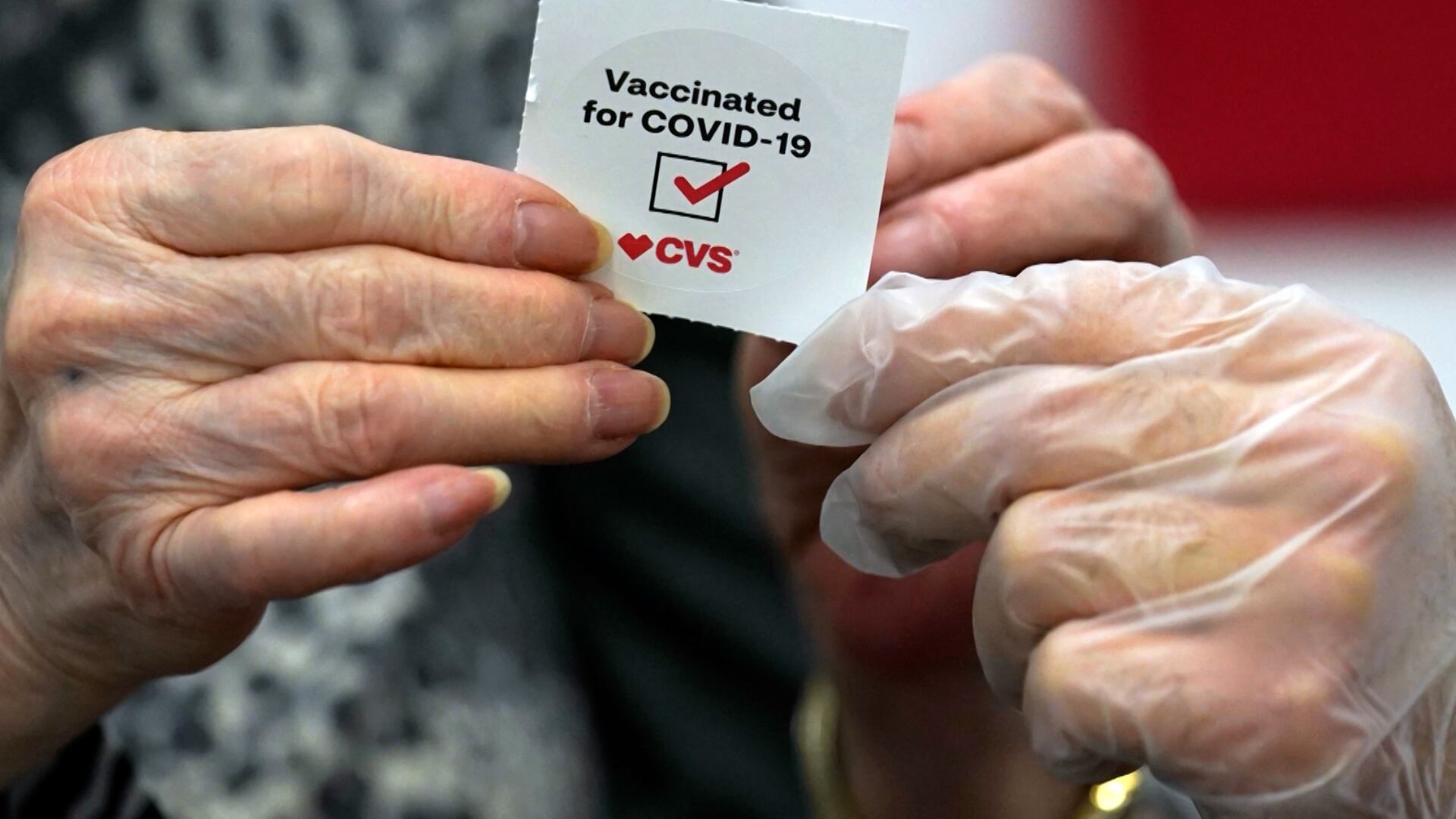
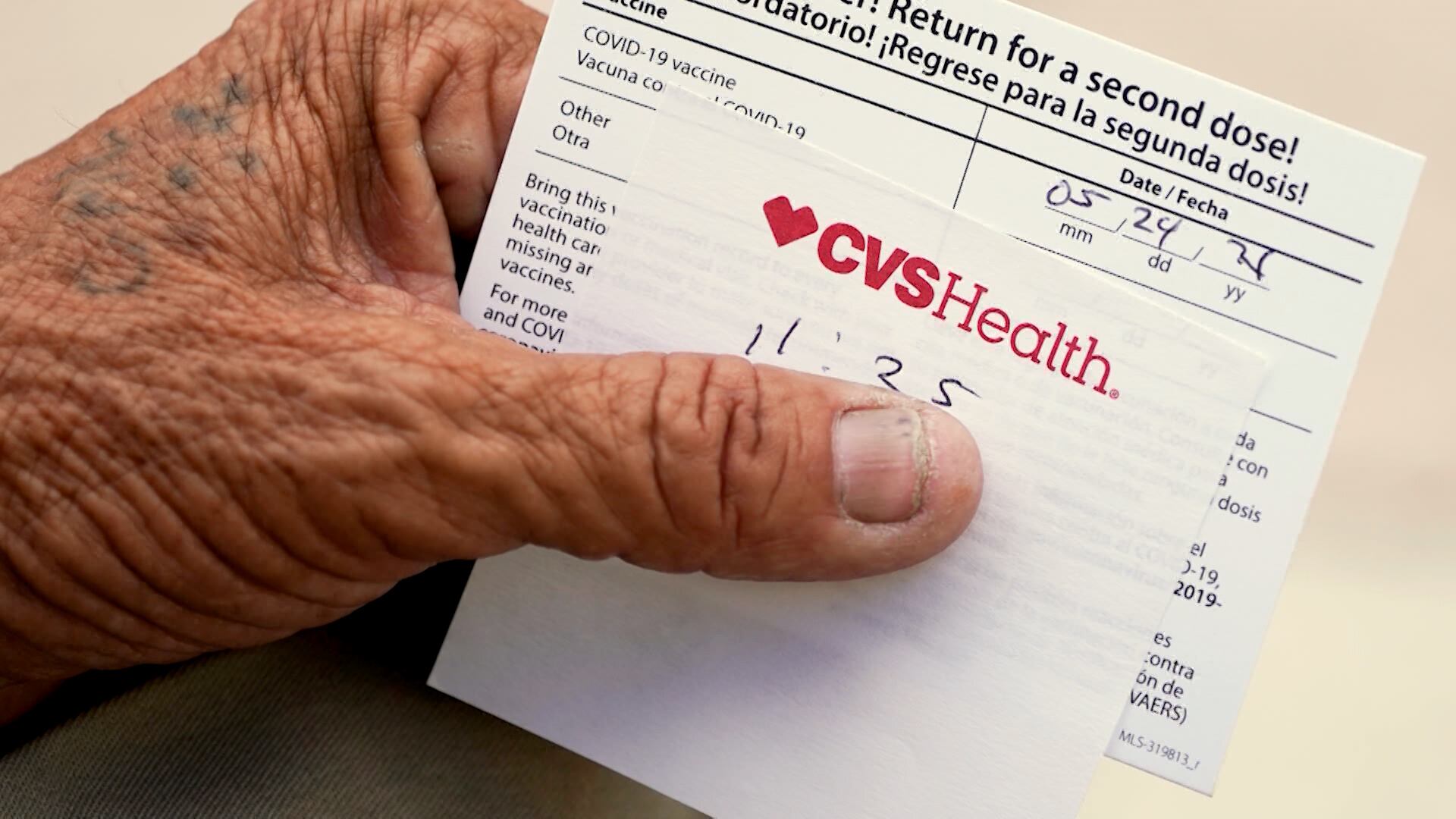
Carlo and Baker cover the heartening news on the Covid front ahead of the holiday, plus President Biden punting student loan repayments again, a new space telescope and Love, Hate, Ate: Christmas Eve Eve Edition!
Stocks closed lower Monday as investors continued to price in COVID-19 omicron variant fears. Reopening stocks like airlines, financial companies, restaurants and hotels, and more, dragged on the major indexes as businesses and events took a pause over the weekend amid rising case numbers in metropolitan areas. This comes a week after the Federal Reserve announced it plans to speed up its asset tapering timeline in January and institute three rate hikes next year. Is that plan aging well? Robert Conzo, CEO of The Wealth Alliance, joins Cheddar News' Closing Bell to discuss market movement, how stocks could close out the year, what the Fed could do in 2022, and more.
After a vote in one Buffalo, New York-area Starbucks created the first workers union in the coffee chain's history, the company has announced that it is ready to negotiate in good faith with the new bargaining unit. But a tense process where labor organizers leveled accusations of anti-union activity at the coffee giant may make that difficult. Cortlin Harrison, a barista at the unionized store, spoke to Cheddar about making a deal. "We can move past all the dirty tricks, the union-busting, the captive audience meetings," he said. "I'm ready to go to the table, and my fellow baristas are ready to go to the table, and just move forward."
This year's worldwide semiconductor shortage limited the supply of everything from new cars to smartphones; and now, many in the chip industry expect the shortage to continue deep into 2022, and maybe even 2023. Semiconductor senior research analyst for Robert W. Baird & Co., Tristan Gerra, joins Cheddar News' Closing Bell to discuss.