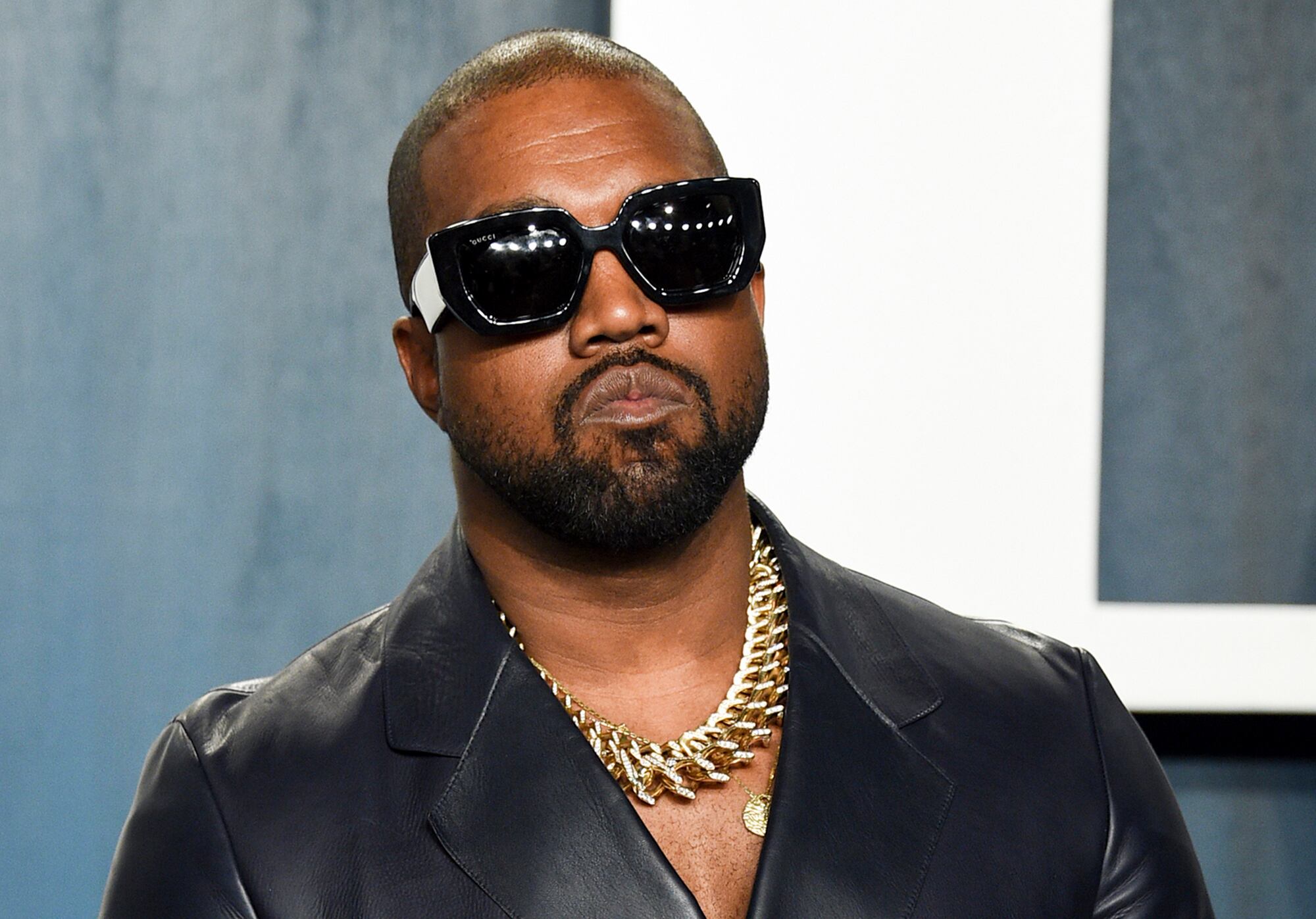
In this Feb. 9, 2020, file photo, Kanye West arrives at the Vanity Fair Oscar Party in Beverly Hills, Calif. Rapper and fashion mogul Ye’s high-end clothing company Yeezy has agreed to pay $950,000 to settle a lawsuit over slow shipping to customers. (Photo by Evan Agostini/Invision/AP, File)
Rapper and fashion mogul Ye's high-end clothing company Yeezy agreed Monday to pay $950,000 to settle a lawsuit brought by four California district attorneys over slow shipping to customers.
The suit brought last month by the district attorneys of Los Angeles, Sonoma, Napa and Alameda counties alleged that Yeezy had engaged in false advertising about its shipping and had violated state law by failing to send online orders within 30 days.
He designs and sells sneakers under the Yeezy brand in collaboration with Adidas. The company also makes and sells clothes. Adidas was not named as a defendant in the lawsuit.
An email sent seeking comment from Yeezy was not immediately returned.
The settlement includes $800,000 in civil penalties to the district attorneys offices, $50,000 in restitution to a state consumer protection fund, and $100,000 in investigative costs.
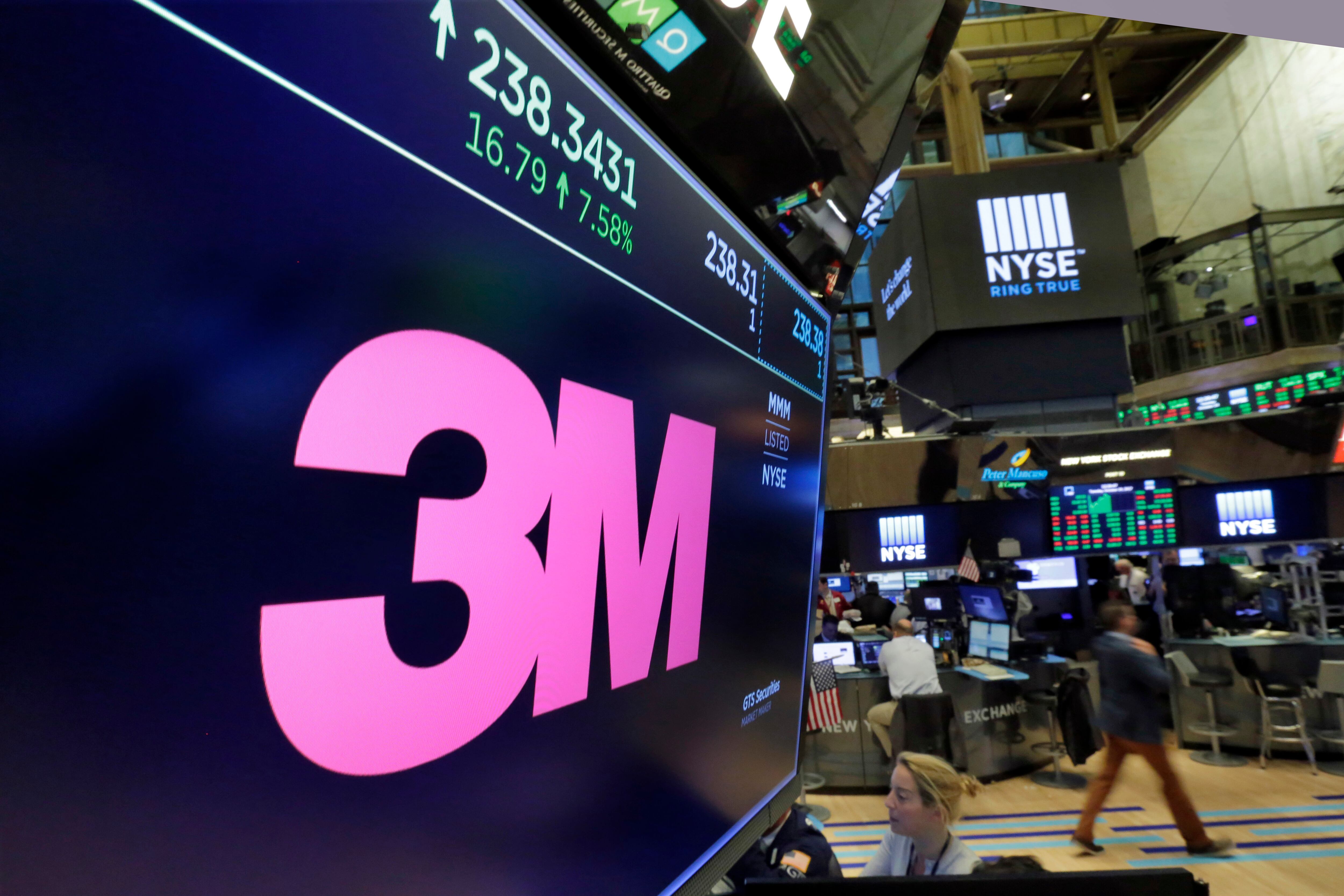
3M has fired prominent company executive Michael Vale due to “inappropriate personal conduct and violation of company policy,” the maker of Post-it notes, industrial coatings and ceramics announced on Monday.
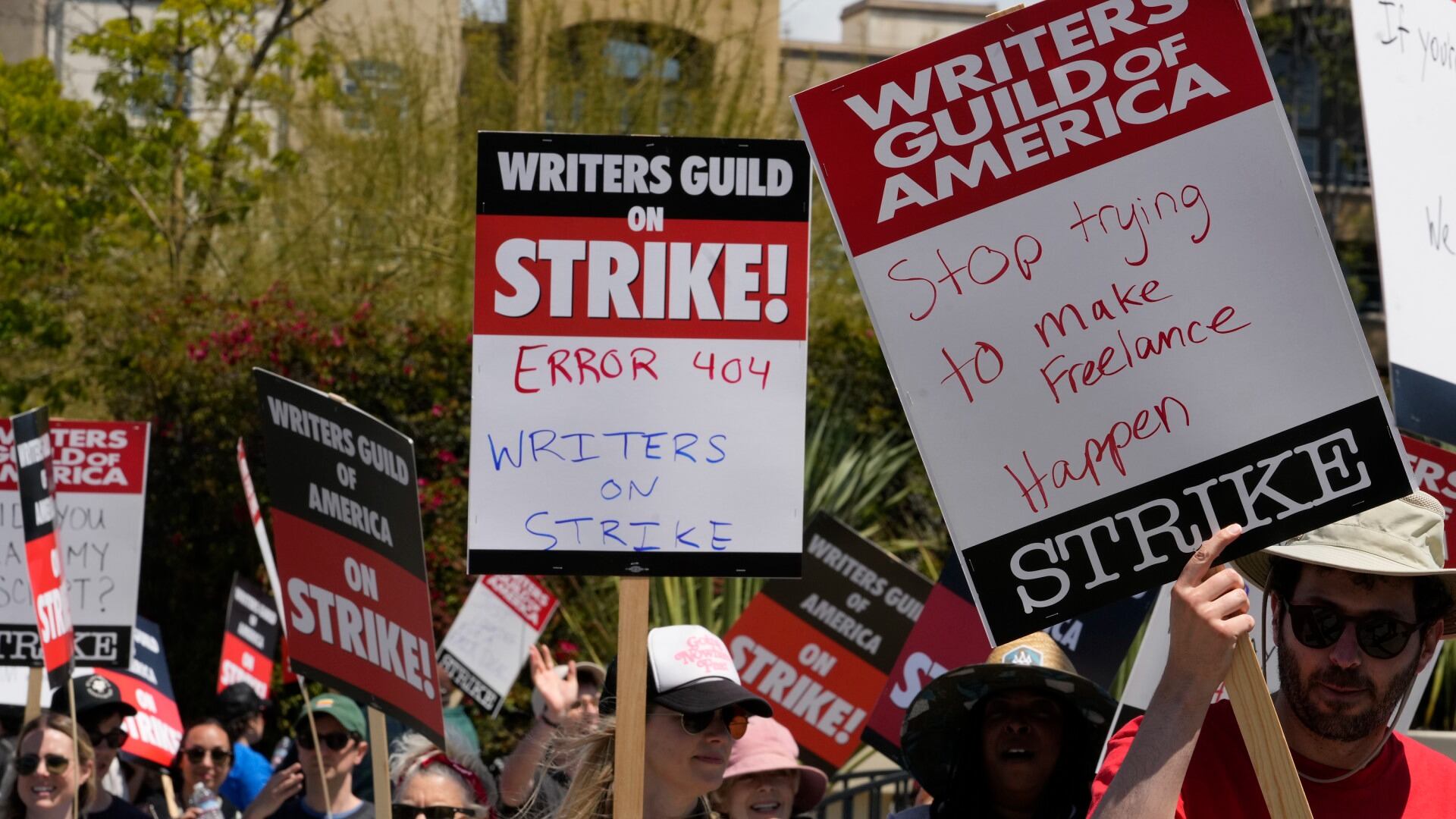
Cheddar News attended the upfront presentation by NBC Universal and broke down how this year's event was different from previous years due to the ongoing writers' strike.
Steve Sosnick, chief strategist with Interactive Brokers, joined Cheddar News to discuss Monday's light trading session ahead of debt ceiling discussions on Tuesday. Sosnick also weighed in on what the Federal Reserve could have in its sight.
General Motors (GM) has submitted a safety recall notification to the National Highway Traffic Safety Administration for 994,763 sports utility vehicles with defective airbag inflators.
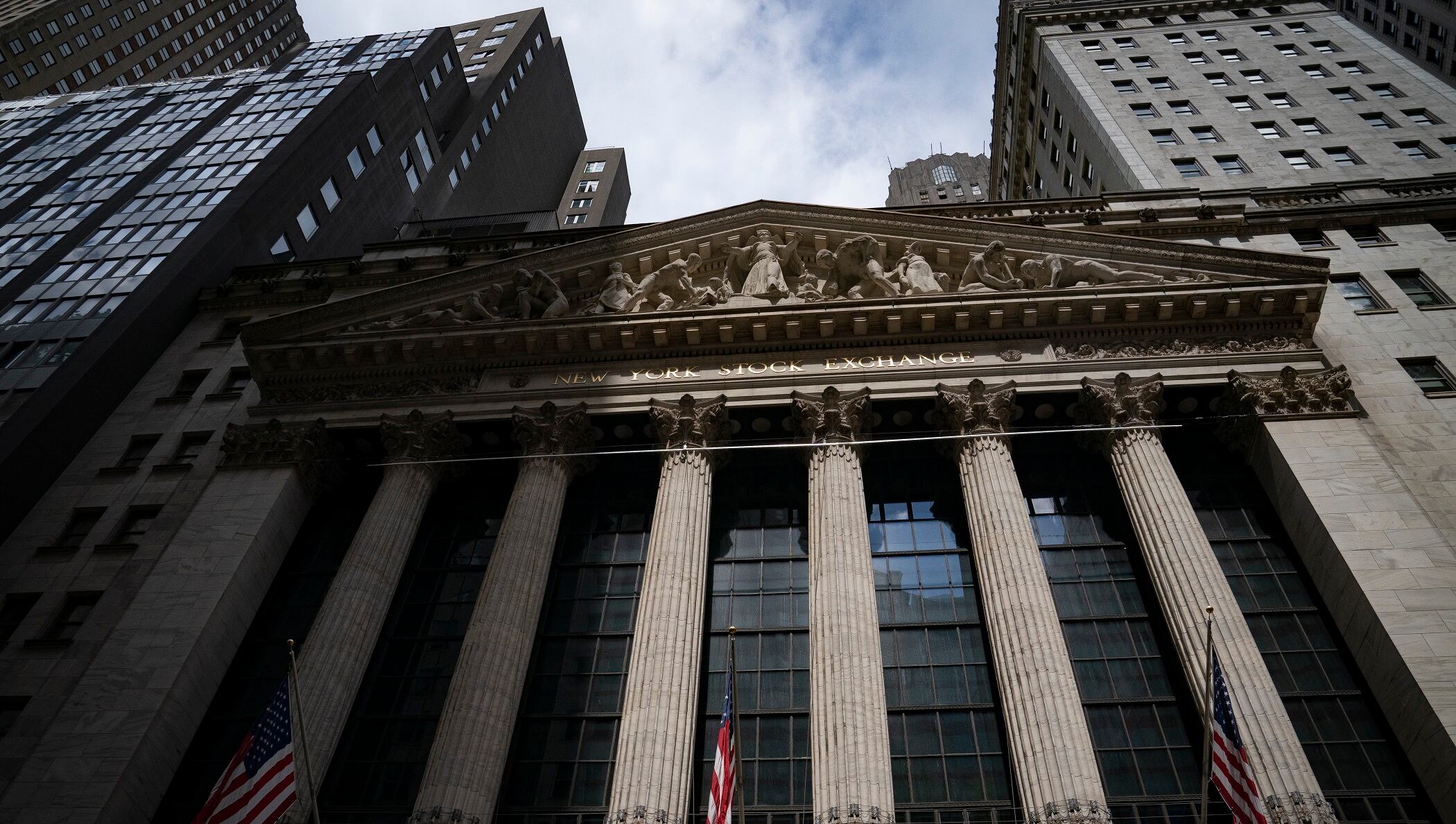
Wall Street drifted higher ahead of reports that will show how much a slowing economy is hurting what’s prevented a recession so far: solid spending by U.S. households.