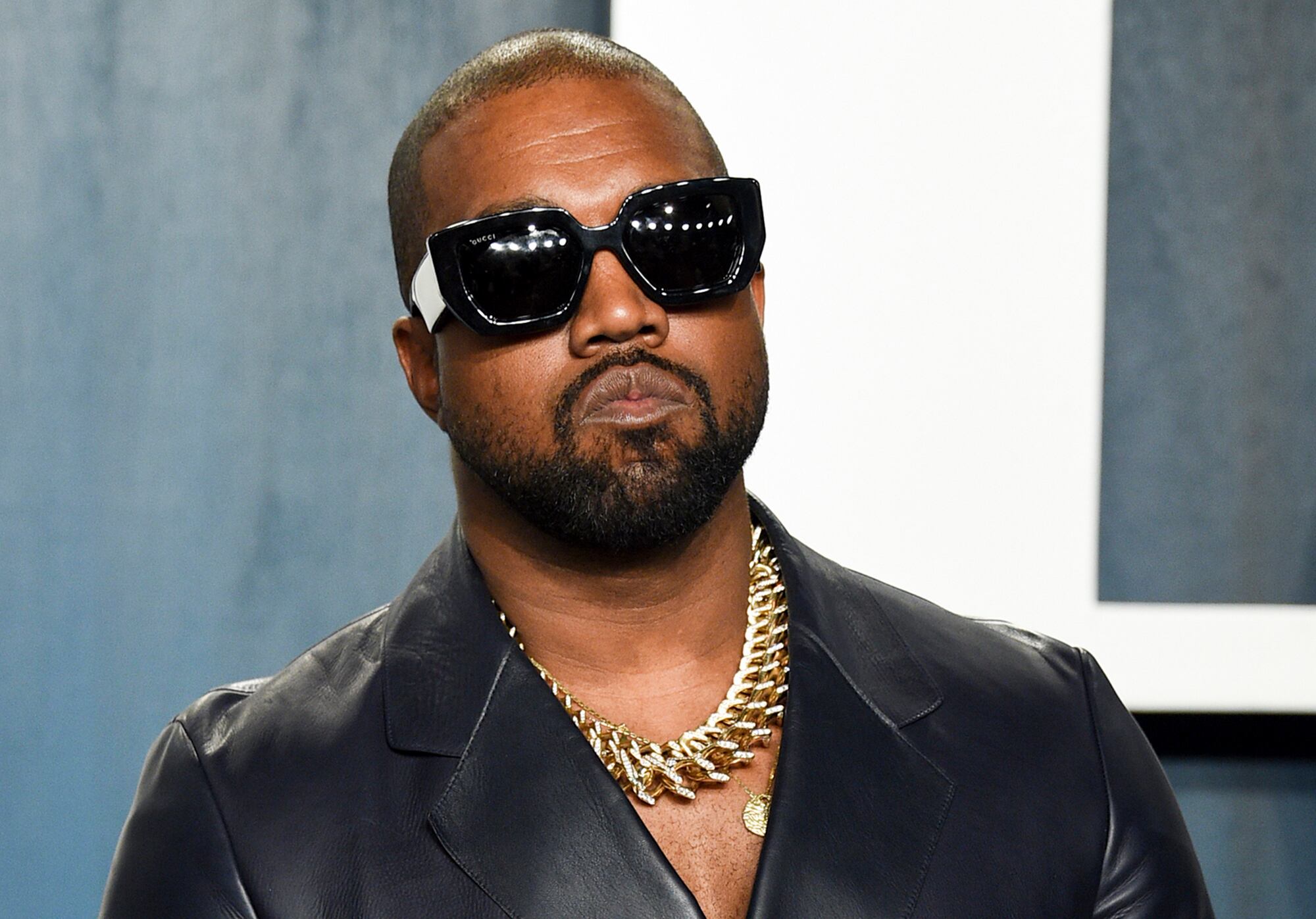
In this Feb. 9, 2020, file photo, Kanye West arrives at the Vanity Fair Oscar Party in Beverly Hills, Calif. Rapper and fashion mogul Ye’s high-end clothing company Yeezy has agreed to pay $950,000 to settle a lawsuit over slow shipping to customers. (Photo by Evan Agostini/Invision/AP, File)
Rapper and fashion mogul Ye's high-end clothing company Yeezy agreed Monday to pay $950,000 to settle a lawsuit brought by four California district attorneys over slow shipping to customers.
The suit brought last month by the district attorneys of Los Angeles, Sonoma, Napa and Alameda counties alleged that Yeezy had engaged in false advertising about its shipping and had violated state law by failing to send online orders within 30 days.
He designs and sells sneakers under the Yeezy brand in collaboration with Adidas. The company also makes and sells clothes. Adidas was not named as a defendant in the lawsuit.
An email sent seeking comment from Yeezy was not immediately returned.
The settlement includes $800,000 in civil penalties to the district attorneys offices, $50,000 in restitution to a state consumer protection fund, and $100,000 in investigative costs.
Eric Lynch, managing director of Scharf Investments, joined Cheddar News to discuss market trends and what lies ahead as the Federal Reserve paused interest rate hikes.
On this edition of Stretching Your Dollar, AJ Ayers, certified financial planner and co-founder of Brooklyn Fi, provided some tips on how to boost your credit score.
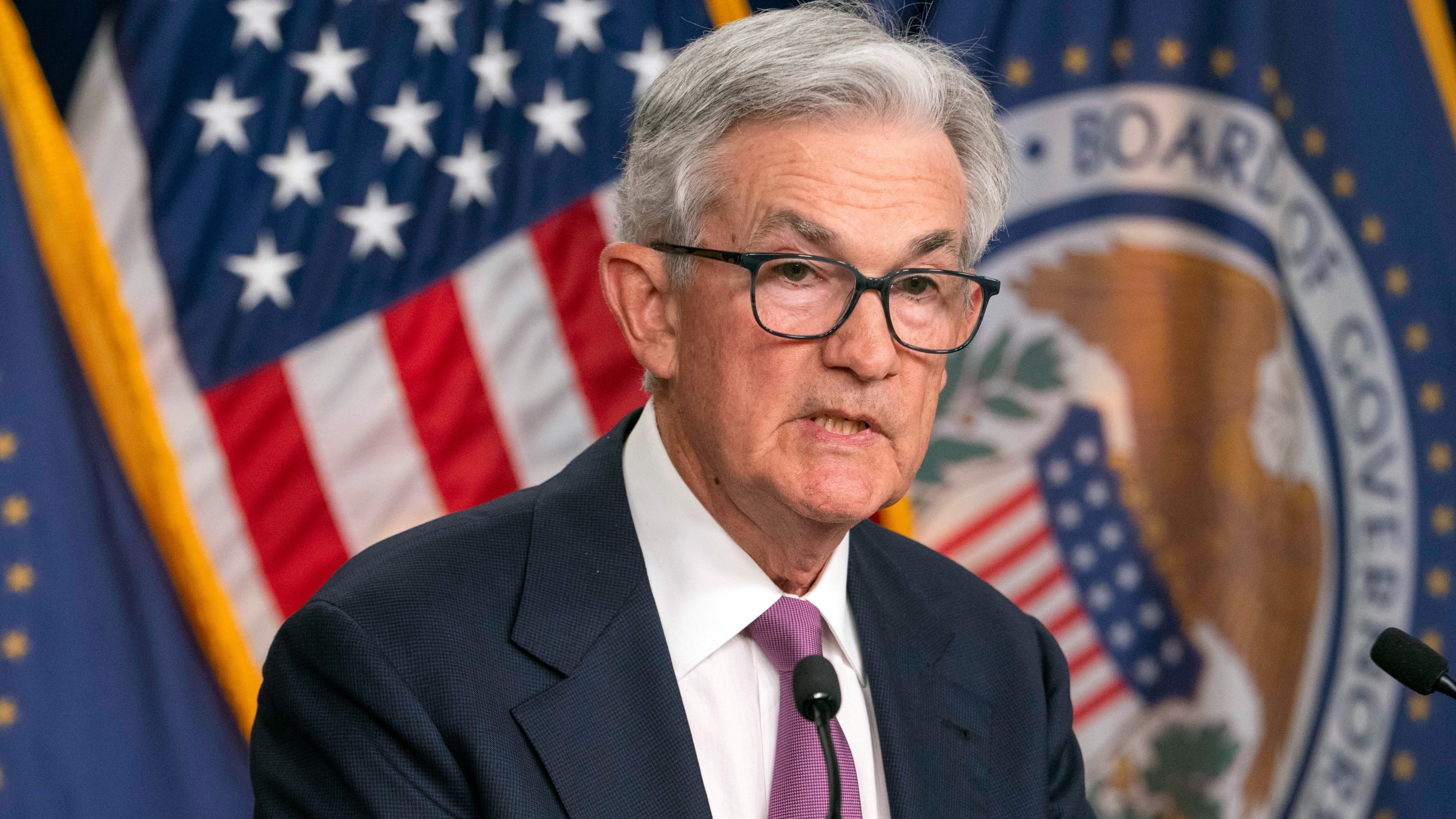
The Federal Reserve, having raised interest rates at the fastest pace in four decades, is poised Wednesday to leave rates alone for the first time in 15 months to allow time to gauge the impact of its aggressive drive to tame inflation.
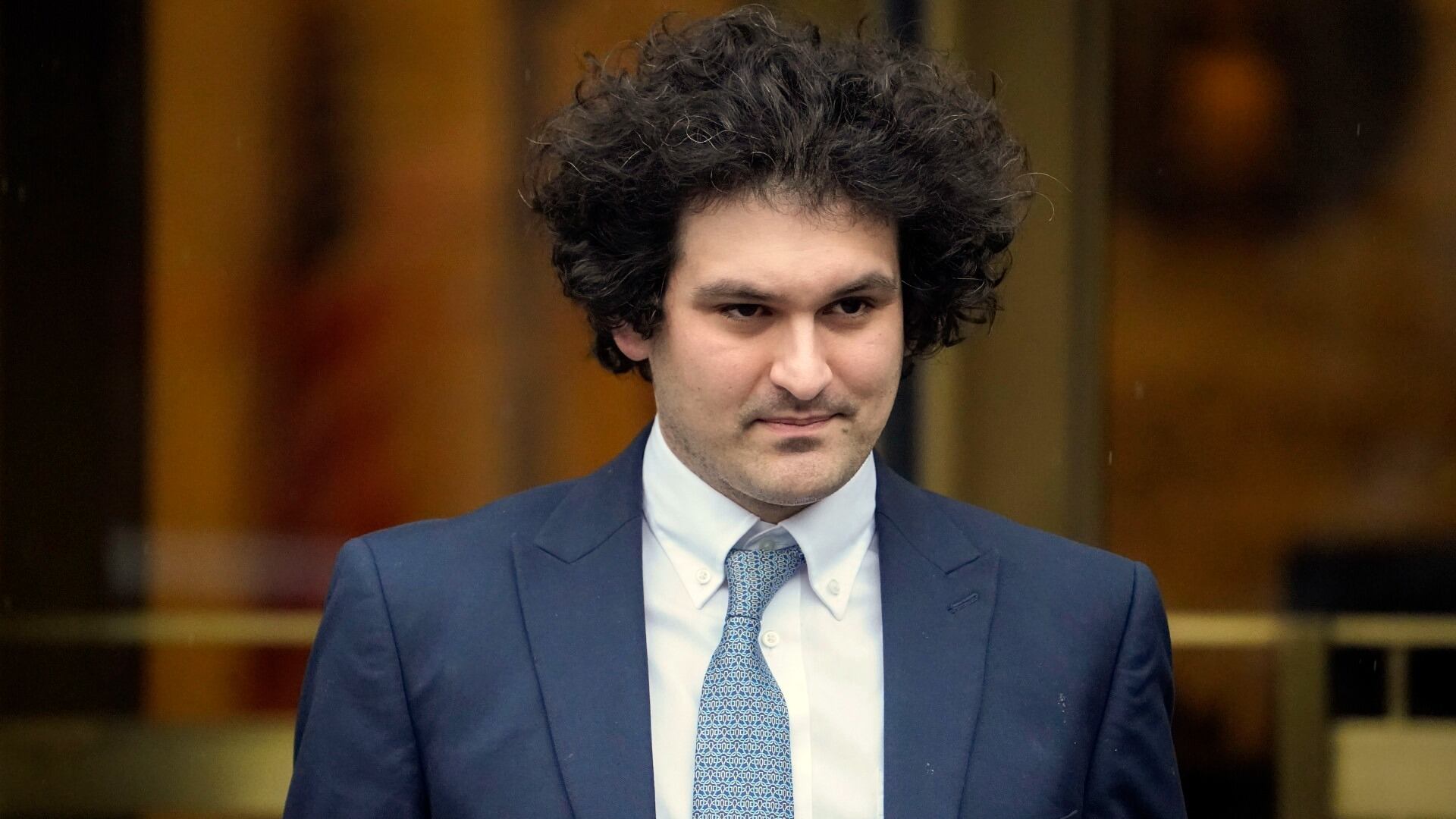
On Tuesday, the Bahamas Supreme Court allowed FTX founder Sam Bankman-Fried to review the terms of his extradition and temporarily delayed the country from agreeing to let U.S. prosecutors pursue criminal charges against him.
Microsoft's planned $69 billion purchase of video game company Activision Blizzard was blocked by a federal judge Tuesday, giving more time for an antitrust review of the deal.