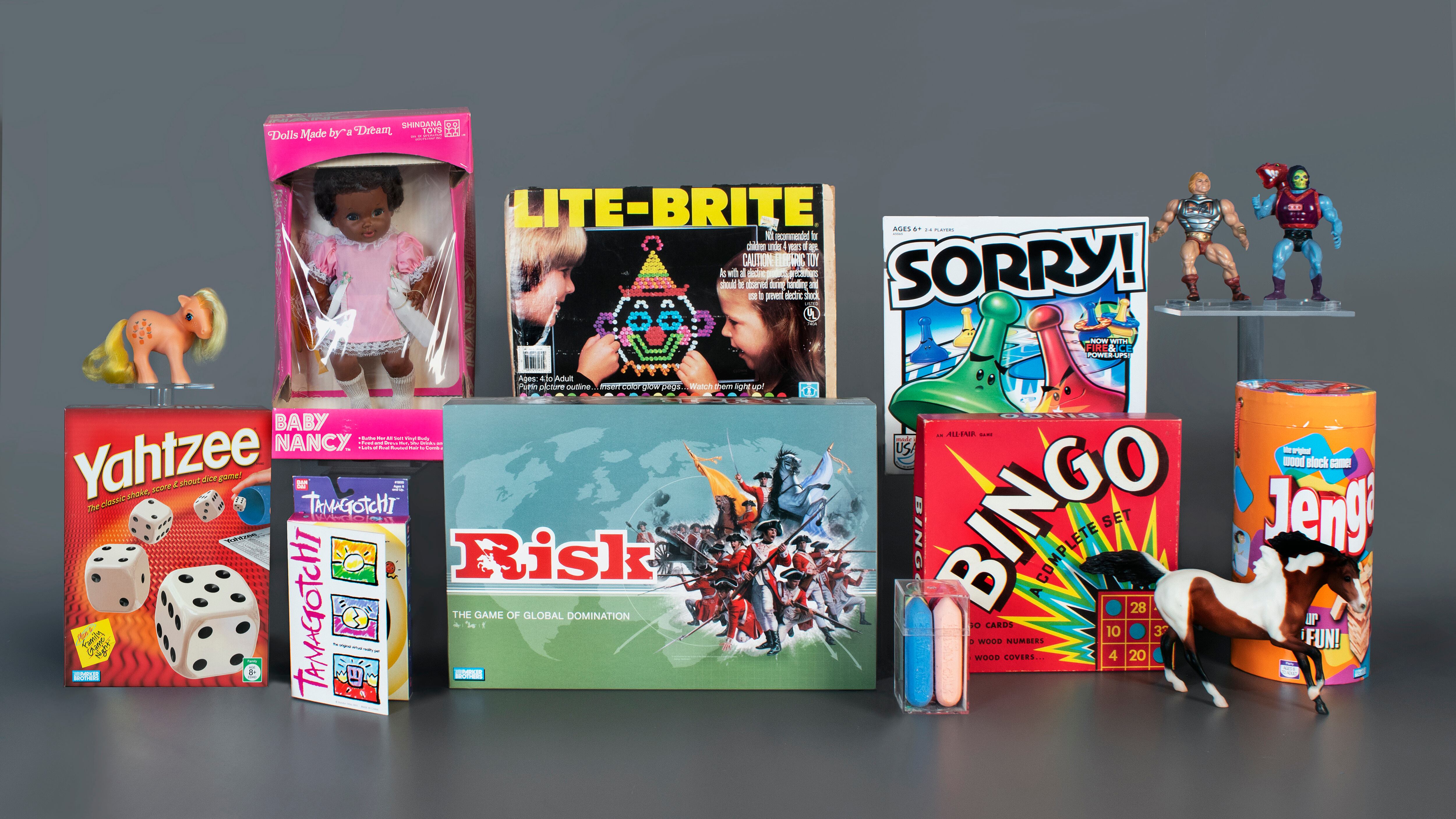
This Aug. 25, 2020 photo provided by the The Strong museum in Rochester, N.Y., shows the 12 toys that are up for induction to the the National Toy Hall of Fame later this year. From top left are My Little Pony, Baby Nancy, Lite-Brite, Sorry and Masters of the Universe. From bottom left are Yhatzee, Tamagotchi, Risk, sidewalk chalk, Bingo, Jenga and Breyer Horses. (Victoria Gray/The Strong museum via AP)
Breyer Horses and My Little Pony are neck-and-neck in the race to the National Toy Hall of Fame, making the list of 12 finalists for the Class of 2020, announced Wednesday.
Baby Nancy, an ethnically correct Black doll unlike those produced before her debut in 1968, is also up for the honor. The games Risk, Sorry, Yahtzee, bingo and Jenga also made the list, which is rounded out by Lite-Brite, Masters of the Universe, sidewalk chalk and the 1990s virtual pet, Tamagotchi.
Three of the finalists will be inducted into the hall Nov. 5.
“These 12 toys represent the wide scope of playthings — from simple sidewalk chalk that has its roots in ancient times, to Baby Nancy, which proved a turning point in the representation of race in dolls, to the more recent, highly innovative Tamagotchi,” Christopher Bensch, vice president for collections, said in a news release.
Bensch said all the nominees have influenced how people play, one of the key criteria for earning a spot in the hall of fame alongside icons from the jack-in-the-box to the cardboard box, both inducted in 2005.
Honorees also must have lasted through generations, have reached icon-status, and foster learning, creativity, or discovery through play.
A national selection committee casts ballots for the winners. Members of the public, who submit nominations all year, can also weigh in on the final selection through an online “Player’s Choice” ballot from Sept. 9-16.
This will be the 23rd class to be inducted into the museum, which is located inside the Strong museum in Rochester, New York.
More about the nominees, according to the Strong:
— Baby Nancy: Introduced by Shindana Toys, a company dedicated to making toys that reflect Black pride.
— Bingo: a staple of fundraisers for churches and charities that descended from a lottery game first played in Italy around 1530.
— Breyer Horses: collectibles produced by the Breyer Molding Co. for the past 70 years.
— Jenga: the stacking game created by Englishwoman Leslie Scott based on wooden blocks from her childhood in Africa. The name has Swahili roots.
— Lite-Brite: colorful plastic pegs are backlit when placed in a black background.
— Masters of the Universe: a Mattel-produced line of action figures led by He-Man and She-Ra.
— My Little Pony: pastel mini-horses introduced in the 1980s and reintroduced in 2003.
— Risk: the war and strategy board game first published in the United States in 1959.
— Sidewalk chalk: the medium of masterpieces, as well as generations of driveway hopscotch games.
— Sorry: the board game that relies on cards, rather than dice, to move players’ pawns from start to home.
— Tamagotchi: the palm-size digital pets considered a fad by some but credited with helping to shape the electronics toy market in the 1990s and early 2000s.
— Yahtzee: the dice game that maker Hasbro estimates is played by 100 million people on a regular basis.
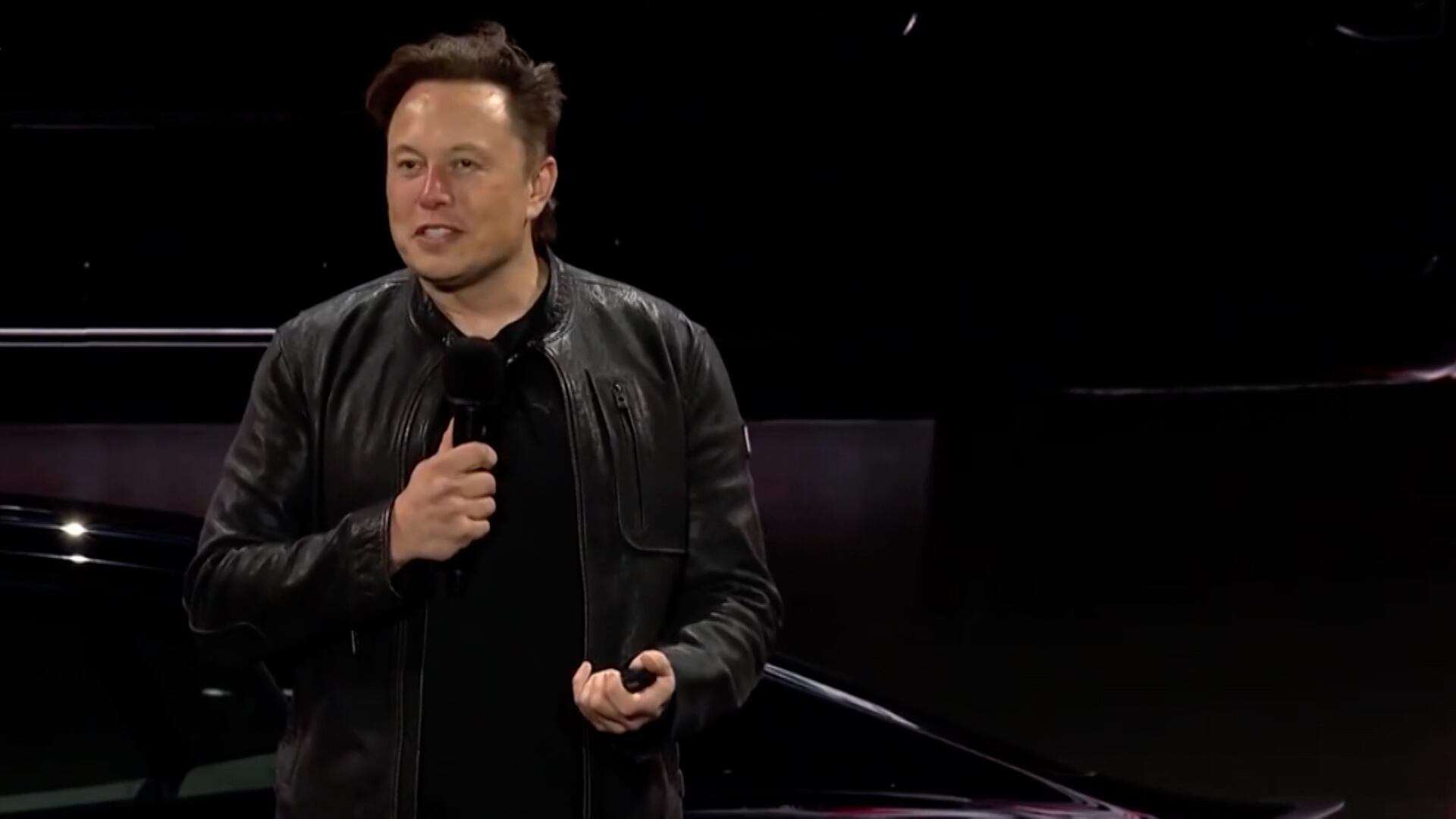
Although still early in development, blockchain technology, Web3, also known as Web 3.0 has been getting a lot of attention from some top tech names lately. Web3 is based on blockchain technology, which powers NFT’s and cryptocurrencies such as bitcoin. With Web3, users would ideally control their own data, rather than have it be controlled by a few large companies. But, Tesla CEO Elon musk isn't buying into Web3 just yet, tweeting over the weekend that the decentralized iteration of the internet seems more like a marketing "buzzword" right now than reality. Twitter co-founder Jack Dorsey also chiming in to the conversation, expressing doubt over whether or not Web3 would actually be decentralized if ownership still belonged to venture capital firms. Parker McCurley, co-founder & CEO of Decent Labs explains the significance of Web3 catching the eye of the tech giants, and what Web3 could mean for the future of the internet.
Carlo and Baker cover the heartening news on the Covid front ahead of the holiday, plus President Biden punting student loan repayments again, a new space telescope and Love, Hate, Ate: Christmas Eve Eve Edition!
This year's worldwide semiconductor shortage limited the supply of everything from new cars to smartphones; and now, many in the chip industry expect the shortage to continue deep into 2022, and maybe even 2023. Semiconductor senior research analyst for Robert W. Baird & Co., Tristan Gerra, joins Cheddar News' Closing Bell to discuss.
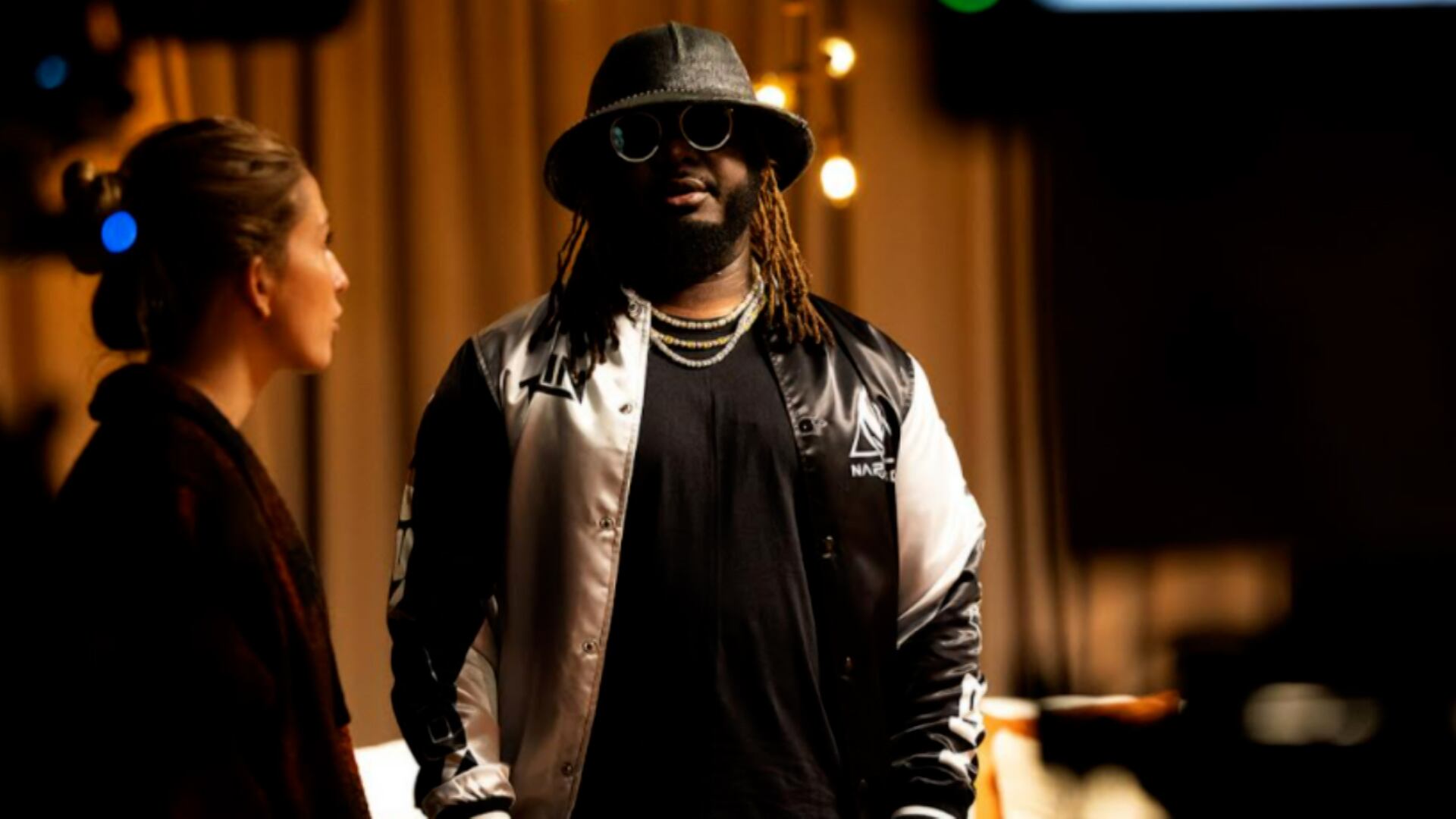
Pavel Bains, the Executive Producer of MixMob and CEO of Bluzelle, joins Cheddar News' Closing Bell to elaborate on an opinion piece he wrote for CoinDesk in which he compares the cultural significance of crypto to hip hop in the 1990s.
Direct health care company Nomi Health recently raised $110 million in a Series A round. Nomi Health lets public and private organizations directly purchase healthcare at reduced costs, and pay providers in real-time. It also delivers healthcare directly to under-served communities via its fleet of mobile care units, which the company says is the largest in the country. Nomi Health says its mission is to improve the health care experience for all Americans. Nomi Health CEO Mark Newman joined Cheddar News' Closing Bell to discuss.
Darby Fox, child and adolescent family therapist, joins Cheddar News to discuss how parents can navigate their child's mental wellness during the holidays.
A new series is looking to advance Black founders who have disruptive ideas and companies. 'Bet on Black' is a new series that allows black entrepreneurs to pitch their businesses in the hopes of securing $200,000 in funding. Revolt TV and Target teamed up to create the show. Detavio Samuels, CEO of Revolt, joins Cheddar News to discuss.
Bitcoin's rise to the mainstream has been a wild ride this year. The cryptocurrency is trading a little under $49,000 Wednesday morning and is set to finish the year sharply higher than where it began earlier this year. Ether prices also soared this year, rising from $730 per coin to nearly $4,000. Ben Armstrong, founder of Bitboy Crypto, joins us to discuss what's in store for crypto in 2022.