While some regulatory agencies and governments are looking to crack down on the cryptocurrency industry, Wyoming is trying to attract it.
State Rep. Tyler Lindholm, a Republican representing the state’s first district, told Cheddar that the state has more than enough energy to support crypto mining.
“We actually only use about 10 percent of the power that we have,” he said during the Thursday interview. “Our wholesale [price for] kilowatt hours is one of the cheapest in the nation. On top of that, It’s diversified. We’ve got wind, we’ve got solar, we’ve got coal, we’ve got gas, and we’ve also got hydro.”
State legislators from both sides of the aisle have put five cryptocurrency-related bills in the pipeline. House Bill 70 is currently awaiting Republican Governor Matt Mead’s signature. If passed into law, it would exempt some crypto assets from securities laws.
State Senator Tara Nethercott (R-District 4) told Cheddar during the interview that Wyoming looks forward to building a partnership with the crypto space.
“I think Wyoming is uniquely situated with the appropriate infrastructure, with the appropriate regulatory environment, the appropriate culture and excitement to be a strong partnership with this particular industry,” she said. “So I have great hope for its future in Wyoming.”
For the full interview, [click here](https://cheddar.com/videos/how-wyoming-is-luring-blockchain-businesses).
Blue Bear Capital, a venture and growth equity firm focusing on AI-powered solutions for the world’s energy, infrastructure, and climate challenges, recently announced it has raised $150 million dollars in new funding. Ernst Sack, Partner at Blue Bear Capital, joins Cheddar Climate the vision his company has when it comes to combating climate change.
Tinder is working to keep users on the platform for longer periods by introducing its own in-app currency. Users can collect coins by staying active on the dating app or purchasing them. The currency can then be used on features like Super Likes or Boosts.
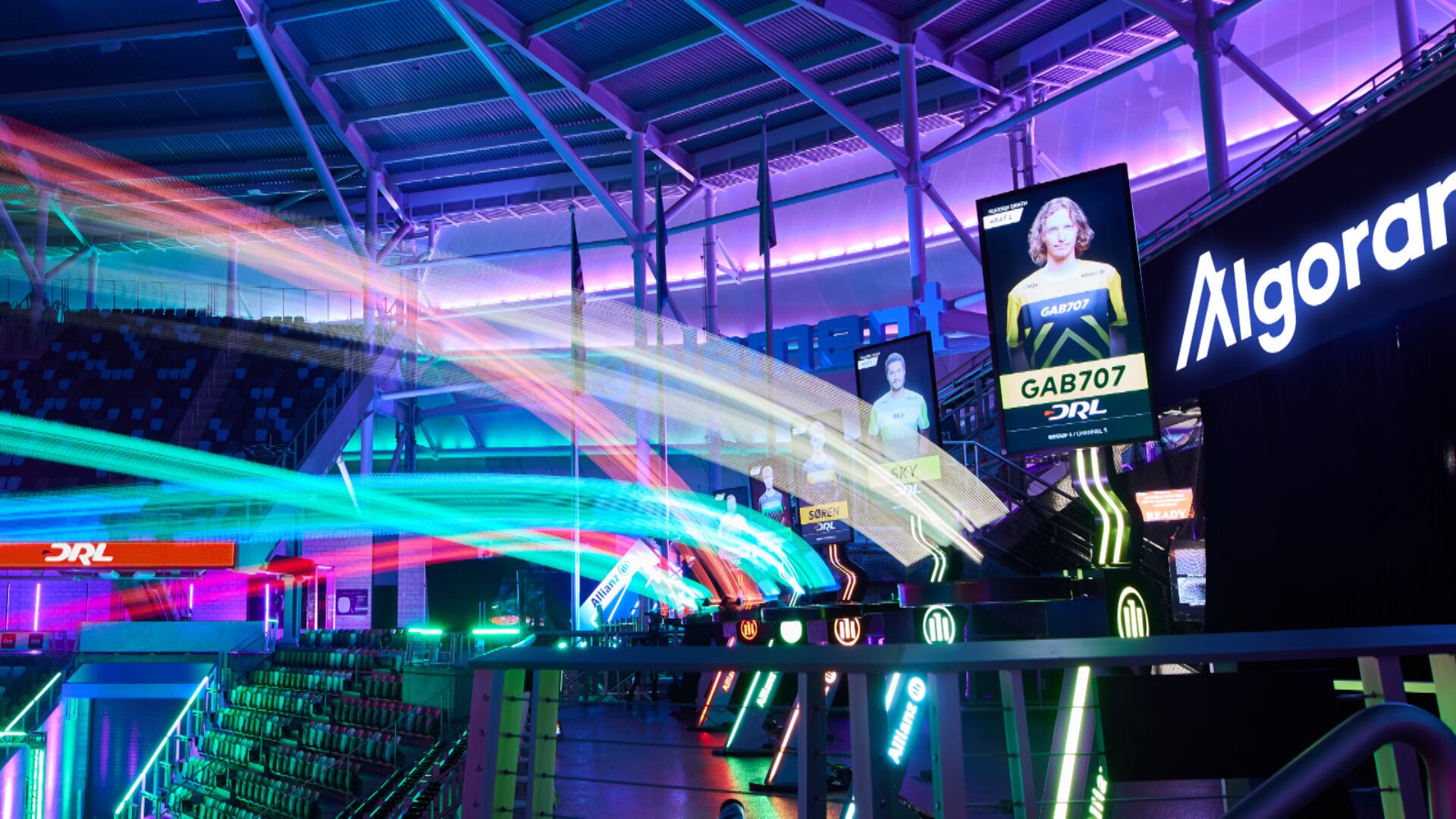
The Drone Racing League kicked off its 2021-2022 world championship season this week. Spanning across 14 different locations over the course of the year, 12 of the world's best drone pilots will be racing against each other to bring home the title. Drone racing has grown in popularity over the past year, with the Drone Racing League seeing an uptick of nearly 200 percent average viewership, 90 percent in virtual drone racing participation and 60 percent fanbase growth over social media. Rachel Jacobson, President of the Drone Racing League, discusses the future of the sport and why she thinks drone racing will soon be on par with traditional sports.