While some regulatory agencies and governments are looking to crack down on the cryptocurrency industry, Wyoming is trying to attract it.
State Rep. Tyler Lindholm, a Republican representing the state’s first district, told Cheddar that the state has more than enough energy to support crypto mining.
“We actually only use about 10 percent of the power that we have,” he said during the Thursday interview. “Our wholesale [price for] kilowatt hours is one of the cheapest in the nation. On top of that, It’s diversified. We’ve got wind, we’ve got solar, we’ve got coal, we’ve got gas, and we’ve also got hydro.”
State legislators from both sides of the aisle have put five cryptocurrency-related bills in the pipeline. House Bill 70 is currently awaiting Republican Governor Matt Mead’s signature. If passed into law, it would exempt some crypto assets from securities laws.
State Senator Tara Nethercott (R-District 4) told Cheddar during the interview that Wyoming looks forward to building a partnership with the crypto space.
“I think Wyoming is uniquely situated with the appropriate infrastructure, with the appropriate regulatory environment, the appropriate culture and excitement to be a strong partnership with this particular industry,” she said. “So I have great hope for its future in Wyoming.”
For the full interview, [click here](https://cheddar.com/videos/how-wyoming-is-luring-blockchain-businesses).
In what could be the biggest deal in video games history, Microsoft's purchase of Activision Blizzard underlines the company's aggressive push in gaming and beyond into its long-term vision of being top dog in the metaverse. Adam Hollander, former director of gamification at Microsoft and founder of Hungry Wolves NFT, joined Cheddar's Opening Bell to discuss. “Microsoft always plays chess, not checkers," he said, describing the price tag as an opportunity cost. "It's about integrating Activision Blizzard in with Azure and Windows and Xbox and Hololens and Minecraft and everything else that they're doing for the inevitable goal of being the major player in the next phase of the internet."
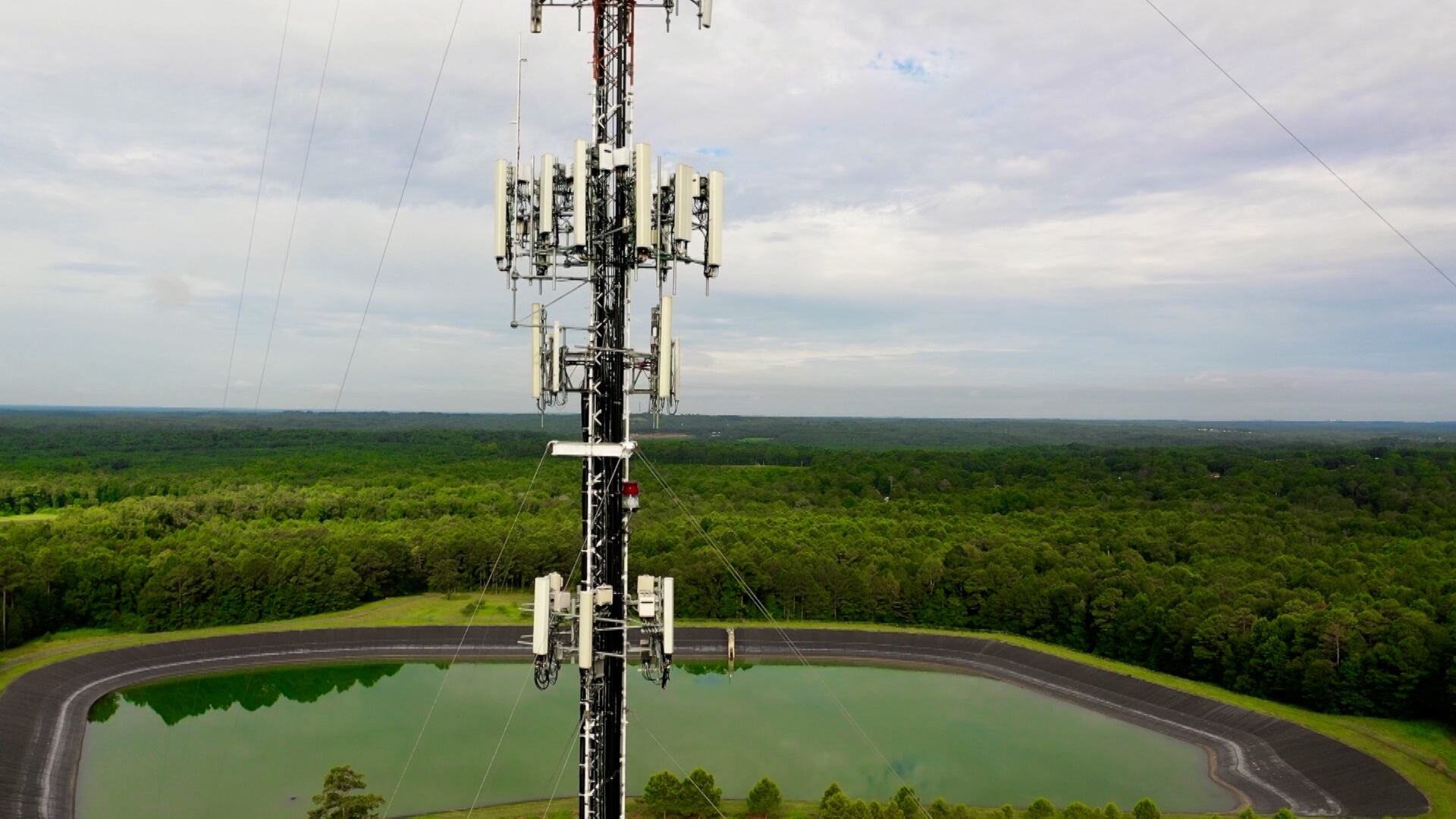
Telecom giants AT&T and Verizon have agreed to delay activating their 5G services around airports and runways once again. This comes after major U.S. airlines voiced their concern over the rollout of 5G technology, warning of an impending "catastrophic" aviation crisis. Peter Andersen, Chief Investment Officer, Anderson Capital Management joined Cheddar's Opening Bell to discuss.
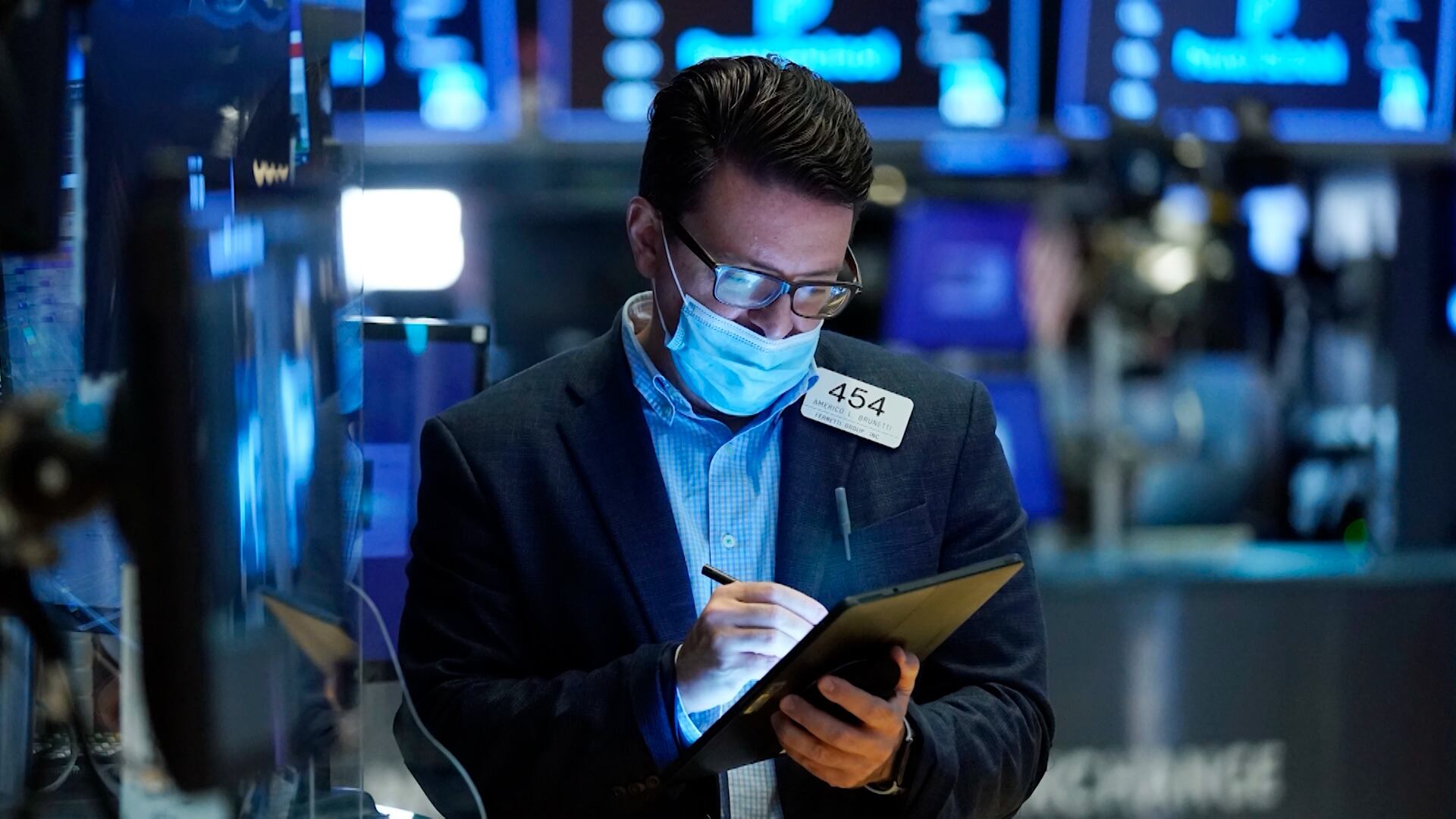
Earnings season kicks into high gear this week as big players are on tap to report their Q4 numbers. Goldman Sachs, Procter & Gamble, United Airlines, and Netflix are just a few of the companies we're keeping a close eye on to give us a better idea of how they're dealing with the Omicron variant, inflation and interest rates. David Nelson, chief strategist at Belpointe, gives a preview of what to expect.
Thomas Hayes, Chairman at Great Hill Capital, joined Wake Up With Cheddar to break down what to look for on the economic front in the coming months amid an Omicron surge and planned interest rate hikes.
Mike McGlone, Senior Commodity Strategist at Bloomberg Intelligence, joins Cheddar News' Closing Bell, where he says he believes we'll eventually see Bitcoin reach the $100,000 mark despite its recent struggles, and explains why Bitcoin will be less volatile than the Nasdaq.
Food waste is a major contributor to greenhouse gas emissions in the United States. Strella Biotechnology is trying to solve the problem by introducing new technology to a business that's been around for generations -- farming. The 24-year-old CEO created hi-tech sensors that interpret the shelf life of produce and alert farmers when fruits and vegetables are ready to be sent to supermarkets. The company says the process can help farmers make money, reduce food waste and increase the quality of produce. Strella Biotechnology's co-founder and CEO Katherine Sizov and co-founder and COO Jay Jordan joined Cheddar Climate to discuss.