While some regulatory agencies and governments are looking to crack down on the cryptocurrency industry, Wyoming is trying to attract it.
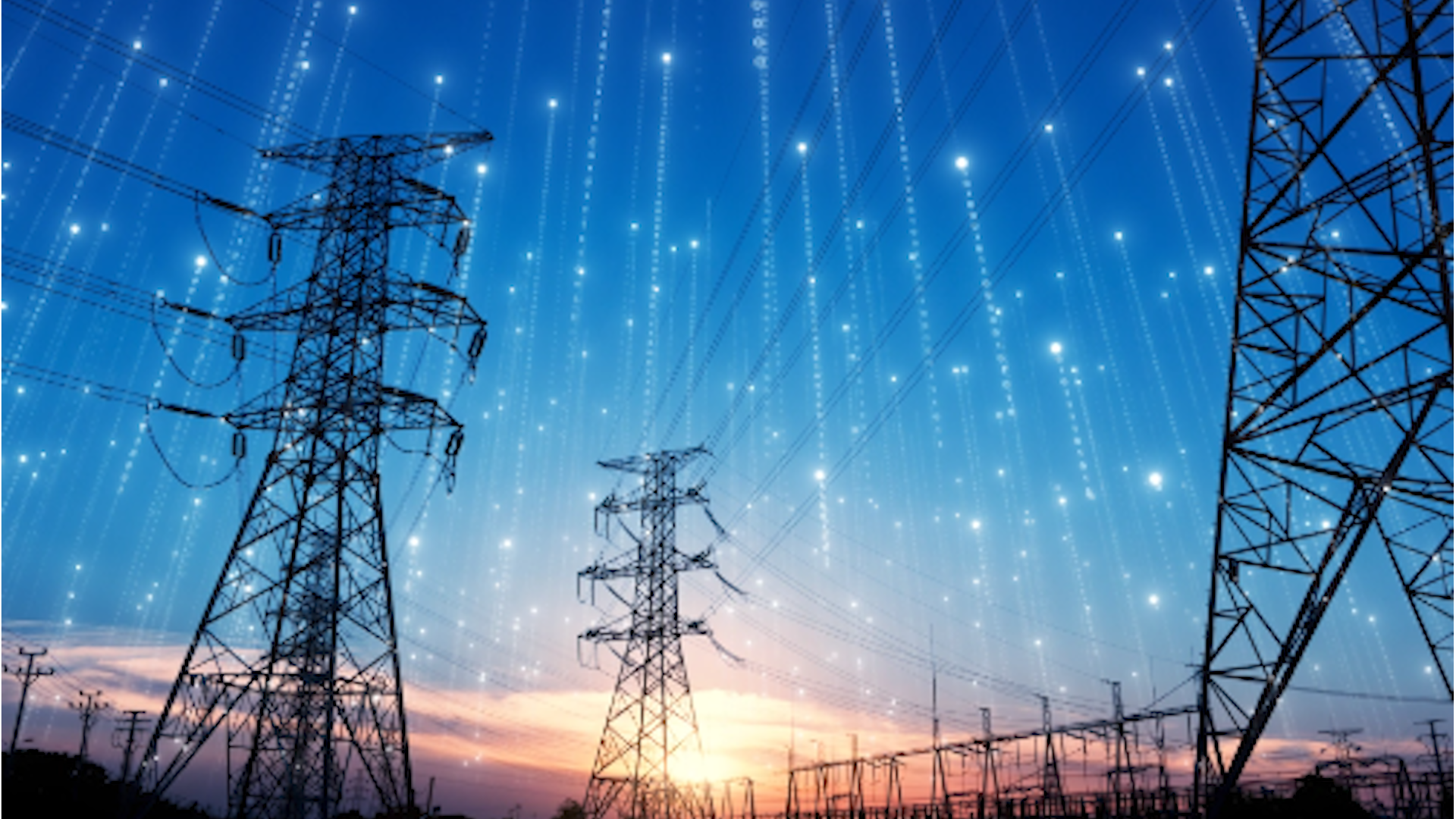
State Rep. Tyler Lindholm, a Republican representing the state’s first district, told Cheddar that the state has more than enough energy to support crypto mining.
“We actually only use about 10 percent of the power that we have,” he said during the Thursday interview. “Our wholesale [price for] kilowatt hours is one of the cheapest in the nation. On top of that, It’s diversified. We’ve got wind, we’ve got solar, we’ve got coal, we’ve got gas, and we’ve also got hydro.”
State legislators from both sides of the aisle have put five cryptocurrency-related bills in the pipeline. House Bill 70 is currently awaiting Republican Governor Matt Mead’s signature. If passed into law, it would exempt some crypto assets from securities laws.
State Senator Tara Nethercott (R-District 4) told Cheddar during the interview that Wyoming looks forward to building a partnership with the crypto space.
“I think Wyoming is uniquely situated with the appropriate infrastructure, with the appropriate regulatory environment, the appropriate culture and excitement to be a strong partnership with this particular industry,” she said. “So I have great hope for its future in Wyoming.”
For the full interview, [click here](https://cheddar.com/videos/how-wyoming-is-luring-blockchain-businesses).
The crypto industry is still reeling from Terra's recent crash. The company's blockchain was temporarily halted earlier this month after the collapse of its cryptocurrency Luna (LUNA) and its stablecoin TerraUSD (UST), which led to almost $45 billion being wiped from the tokens' market caps within a week. Now, many are left wondering what Terra's struggles mean for the broader crypto market. Reeve Collins, CEO of the NFT platform BLOCKv, joins Cheddar News' Closing Bell from Davos 2022 to discuss.
China's largest ride-hailing company will no longer be listed on the world's largest stock exchange. Didi shareholders voted on Monday to delist from the New York Stock Exchange, less than a year after launching a $4.4 billion IPO with the most significant U.S. share offering by a Chinese company since Alibaba debuted in 2014. Since going public in June of last year, around $70 billion has been wiped from Didi's market value and shares of the company have dropped nearly 90%. Now, Didi is expected to begin preparations to list in Hong Kong. Kevin T. Carter, founder and Chief Investment Officer of EMQQ Global, joins Cheddar News' Closing Bell to discuss.
Ahead of the Meta shareholder meeting, more than five hundred doctors have jointly sent a letter to investors to hold the Facebook parent accountable for the risks its platforms have posed to the public and mental health. Dr. Rob Davidson, a West Michigan ER physician and executive director of the Committee to Protect Health Care, joined Cheddar News to discuss how medical professionals are coming together to highlight the social media giant's spread of misinformation, especially during the pandemic. "We've seen the direct impacts of misinformation and disinformation that spreads like wildfire on the social media platforms," he said. "Our goal with this letter is to try to get the shareholders of Meta to convince leadership that they need to do a better job."
Snap downgraded its earnings and revenue expectations for the second quarter, saying the "macroeconomic environment" has deteriorated faster than the company anticipated. The warning sent shockwaves through the digital ad industry, dragging down a handful of other tech stocks, including Pinterest, Meta, and Twitter. Daniel Cobb, CEO and Chief Strategy Officer of Daniel Brian Advertising, joined Cheddar to discuss the reason behind this warning, and why it's bringing so many social media stocks down.