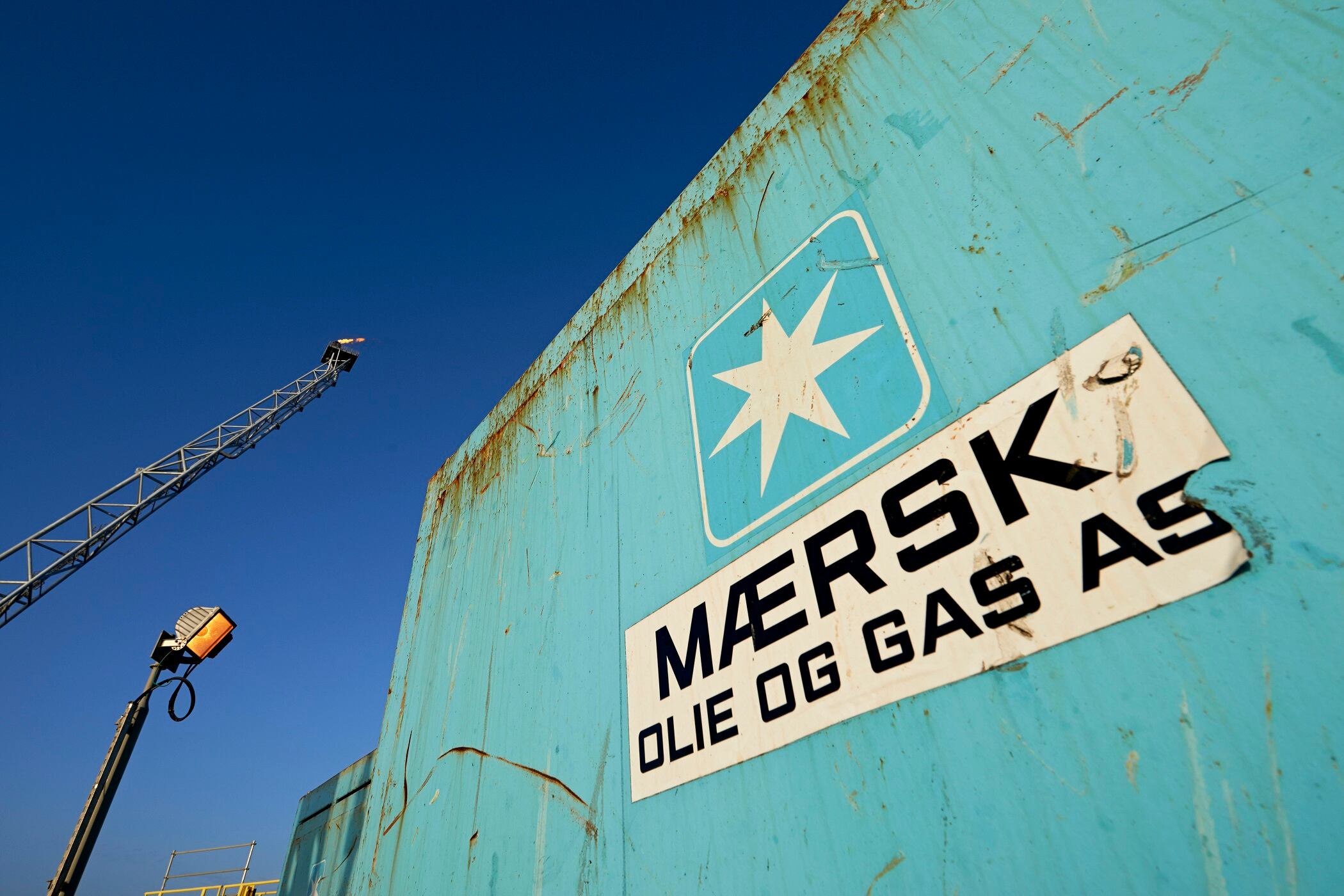
An A.P. Moller-Maersk's oil rig in the North Sea named Halfdan, on Oct. 23, 2013. The world’s biggest shipping company, Denmark’s A.P. Moller-Maersk, has reported a sharp rise in earnings amid strong worldwide demand for shipments of goods. (Claus Bonnerup/Polfoto File via AP)
The world’s biggest shipping company, Denmark’s A.P. Moeller-Maersk, reported Tuesday a sharp rise in earnings amid strong worldwide demand for shipments of goods as the economy bounces back from the coronavirus pandemic.
The Copenhagen-based company said revenue grew nearly 68% in the third quarter, to a record-high $16.6 billion, up from $9.9 billion in the same three-month period last year. It reported profits of $5.5 billion, up from $947 million in the same period last year.
“In the ongoing exceptional market situation, with high demand in the U.S. and global disruptions to the supply chains, we continued to increase capacity and expand our offerings to keep cargo moving for our customers,” CEO Soren Skou said.
The urgent need for more shipping capacity comes amid soaring consumer demand for everything from cars to furniture and labor shortages in the rebounding economy, leading to major backups at ports and higher prices. The supply chain issues have caused a shortage of key equipment: shipping containers.
In a statement, Maersk said its key ocean business is now “expected to grow below the global container demand" amid uncertainty around the supply chain logjams.
The company also announced its intention to acquire Senator International, a global freight forwarding company with strong air freight offerings. And to expand its own air network, Maersk is adding aircraft to its operations: three leased cargo planes to be operational from 2022 and two Boeing aircraft to be deployed by 2024.
April's release of the monthly Housing Starts and Building Permits reports by the Census Bureau provides crucial insights into the construction activity in the housing market. These reports are an economic indicator, shedding light on the current state of the housing market and its broader economic impact.
Caitlin Clark is heading to the Indiana Fever, the number one draft pick and the highest-scoring college basketball player of all time. And while she may not be getting millions from the WNBA, there's a few ways she'll net compensation for her generational talents.
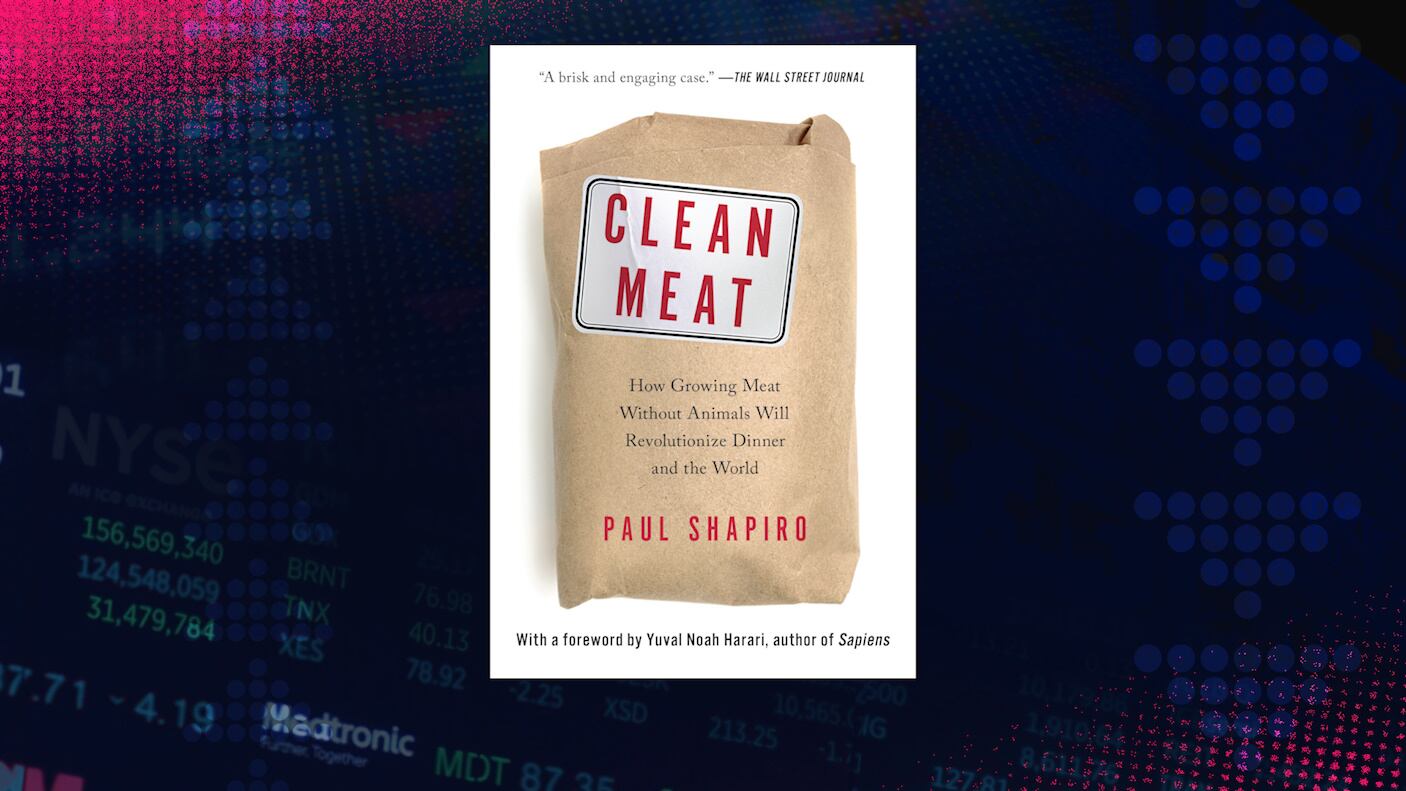
Author of 'Clean Meat,' Paul Shapiro joins Cheddar to discuss how the cellular agricultural revolution helps lower rates of foodborne illness and greatly improves environmental sustainability. Plus, how his company The Better Meat Co. is bringing healthier food options to the table.
Recent headlines might make it sound like World War III is imminent, but when it comes to your finances, it's not the time to panic. The market is coming off its longest winning streak since 2011.
You may have noticed fewer new venture capital-backed startups (like Airbnb or Uber) lately. The market slowed to a crawl after 2021, but things are expected to take off again in 2025.
Corporate earnings season is underway, that time when companies share their billions in sales or double-digit profits. But the data shows even companies are struggling with high inflation and interest rates.
Boeing continues their terrifying trend of having their planes fall apart mid-flight, inflation — checks notes — is still up and the future of AI looks terrifying. Cheery!
Food waste – uneaten scraps or leftovers sent to landfills – is responsible for 10% of global emissions. Mill, a new product from the co-founder of Nest, thinks technology can play a role in eliminating it.
By the time the 2024 election is over, be prepared to see some form of a recession – but this shouldn’t be as bad as what we experienced in 2020 or 2008.