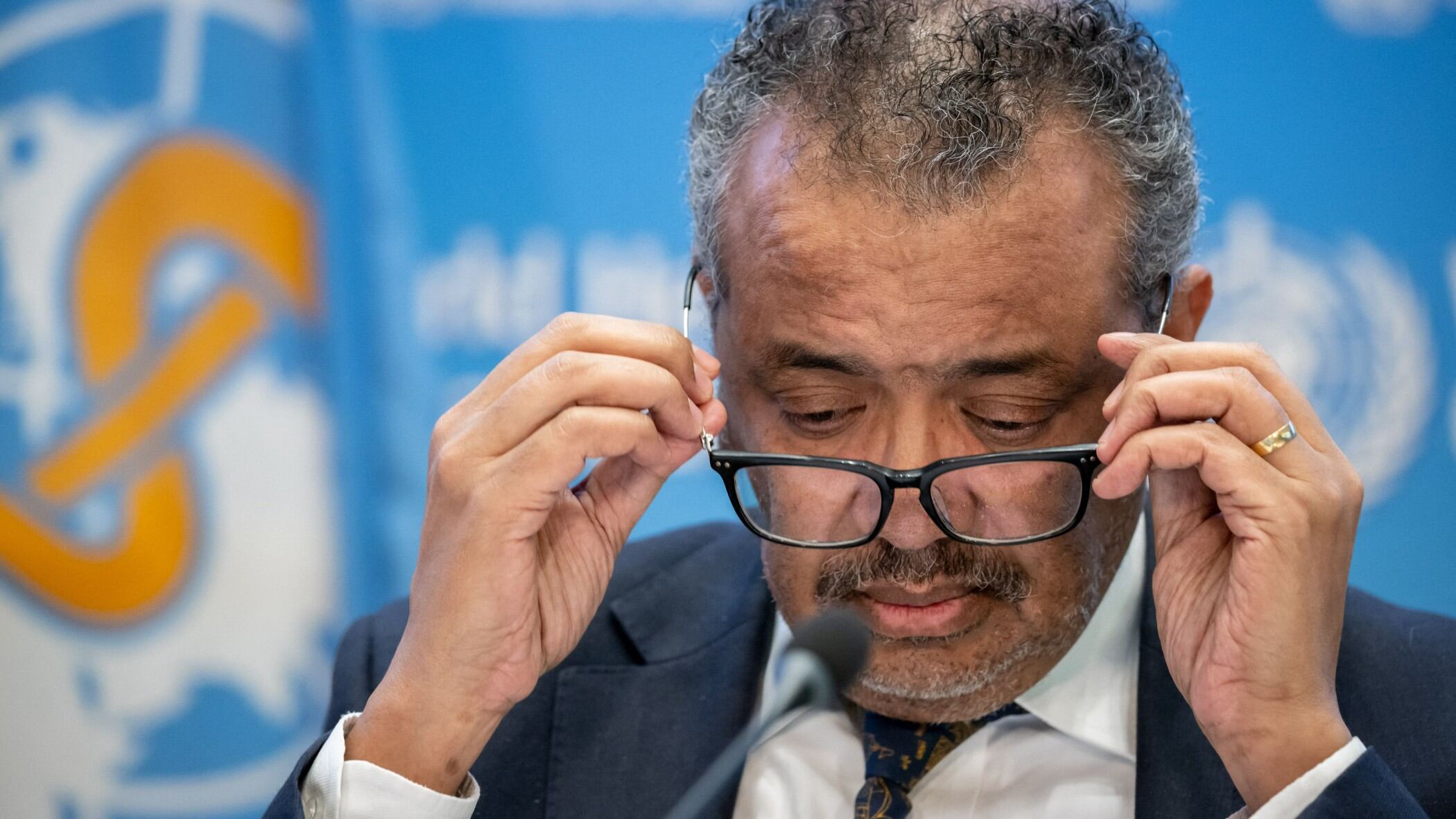
Three years ago, the Associated Press reported on the World Health Organization's declaration of "the outbreak sparked by a new virus in China that has spread to more than a dozen countries as a global emergency Thursday after the number of cases spiked more than tenfold in a week."
"The U.N. health agency defines an international emergency as an 'extraordinary event' that constitutes a risk to other countries and requires a coordinated international response," the report continued.
The same day, U.S. health officials reported the first known case in which the new coronavirus was spread from one person to another in the United States. President Donald Trump described the handful of U.S. cases of the virus as a “very little problem” and said people infected were “recuperating successfully.” The State Department advised U.S. citizens against traveling to China, and Russia ordered the closure of its 2,600-mile-long land border with China in an effort to limit the spread of the virus.
In his speech declaring a global public health emergency, WHO Director-General Tedros Adhanom Ghebreyesus said "Our greatest concern is the potential for this virus to spread to countries with weaker health systems which are ill-prepared to deal with it.”
"The only way we will defeat this outbreak," said Dr. Tedros, "is for all countries to work together in a spirit of solidarity and cooperation. We are all in this together, and we can only stop it together."
As of Jan. 27, 2023, more than 6.8 million people have died of Covid-19, according to WHO data.
The Mario Party continued as it faced little new competition at the box office.
Regulators seized troubled First Republic Bank early Monday, making it the second-largest bank failure in U.S. history, and promptly sold all of its deposits and most of its assets to JPMorgan Chase.
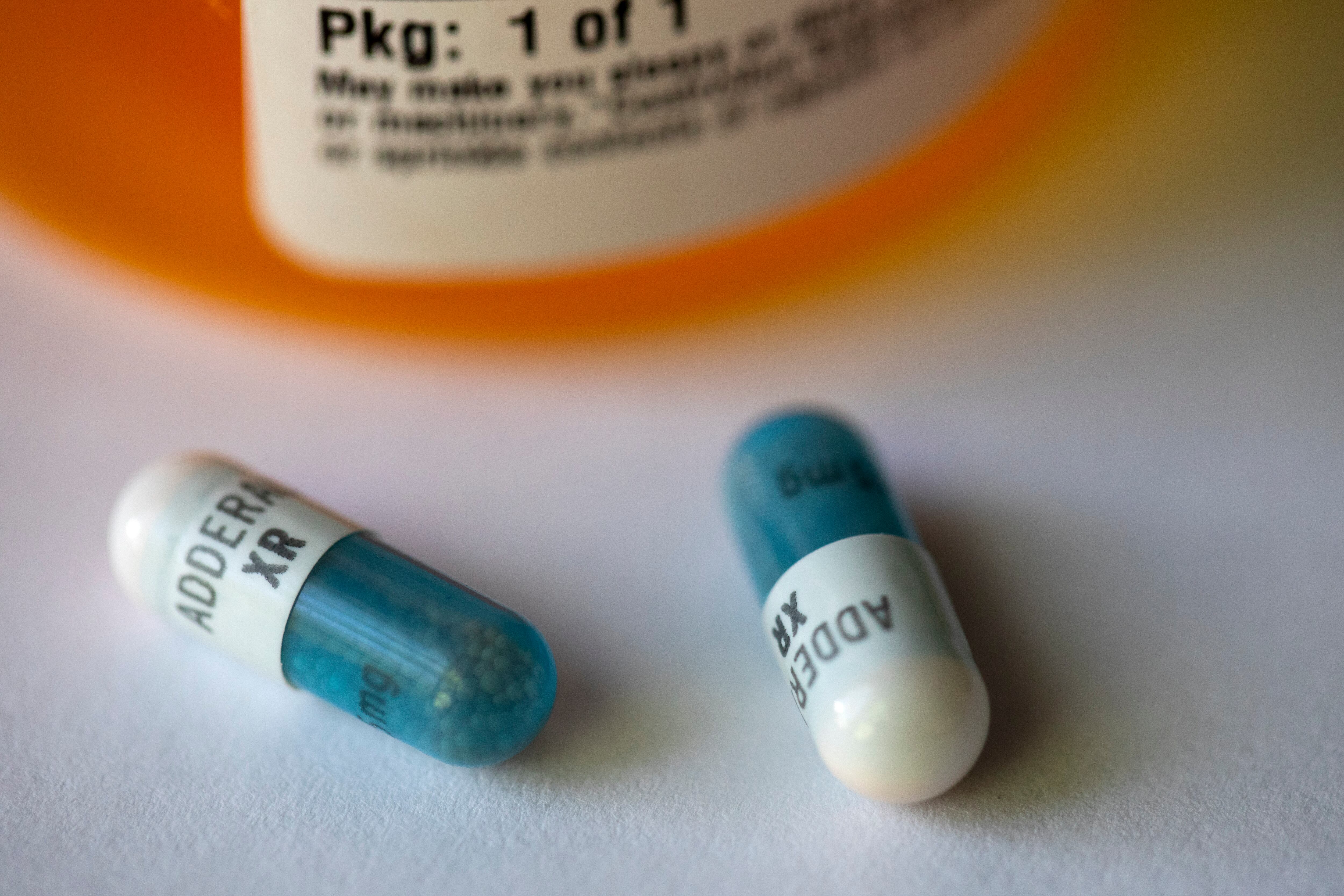
There were 301 active national drug shortages through March, according to the University of Utah Drug Information Service.
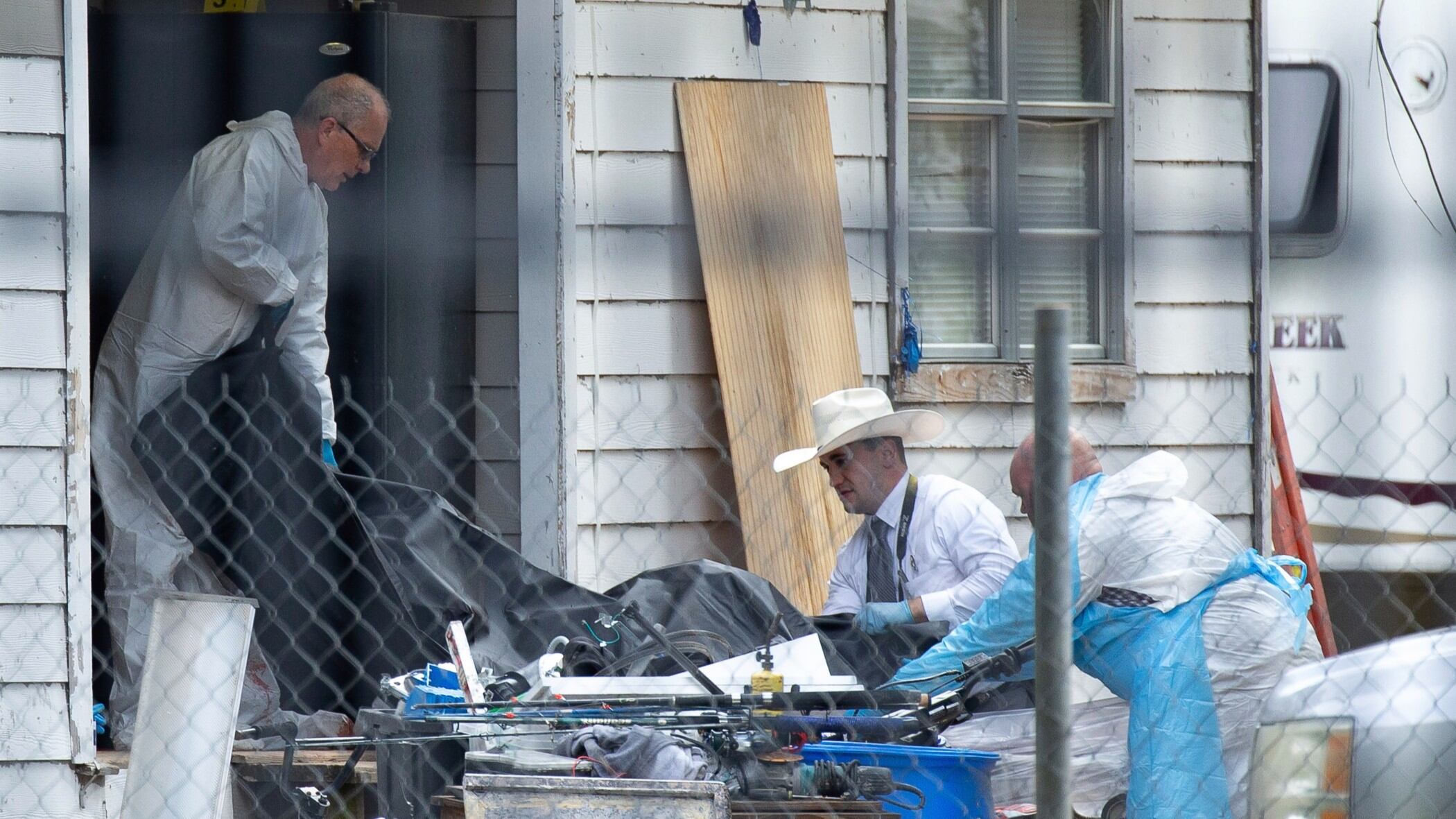
Francisco Oropeza, who they suspect of killing five of his neighbors near Houston, could be as far as 20 miles from the murder scene by now, according to San Jacinto County Sheriff Greg Capers.
A peacock that escaped the Bronx Zoo was back in his enclosure on Thursday after strutting his stuff down a Bronx sidewalk earlier this week. The peacock escaped Wednesday and spent the night in a tree nearby before flying back to zoo grounds.
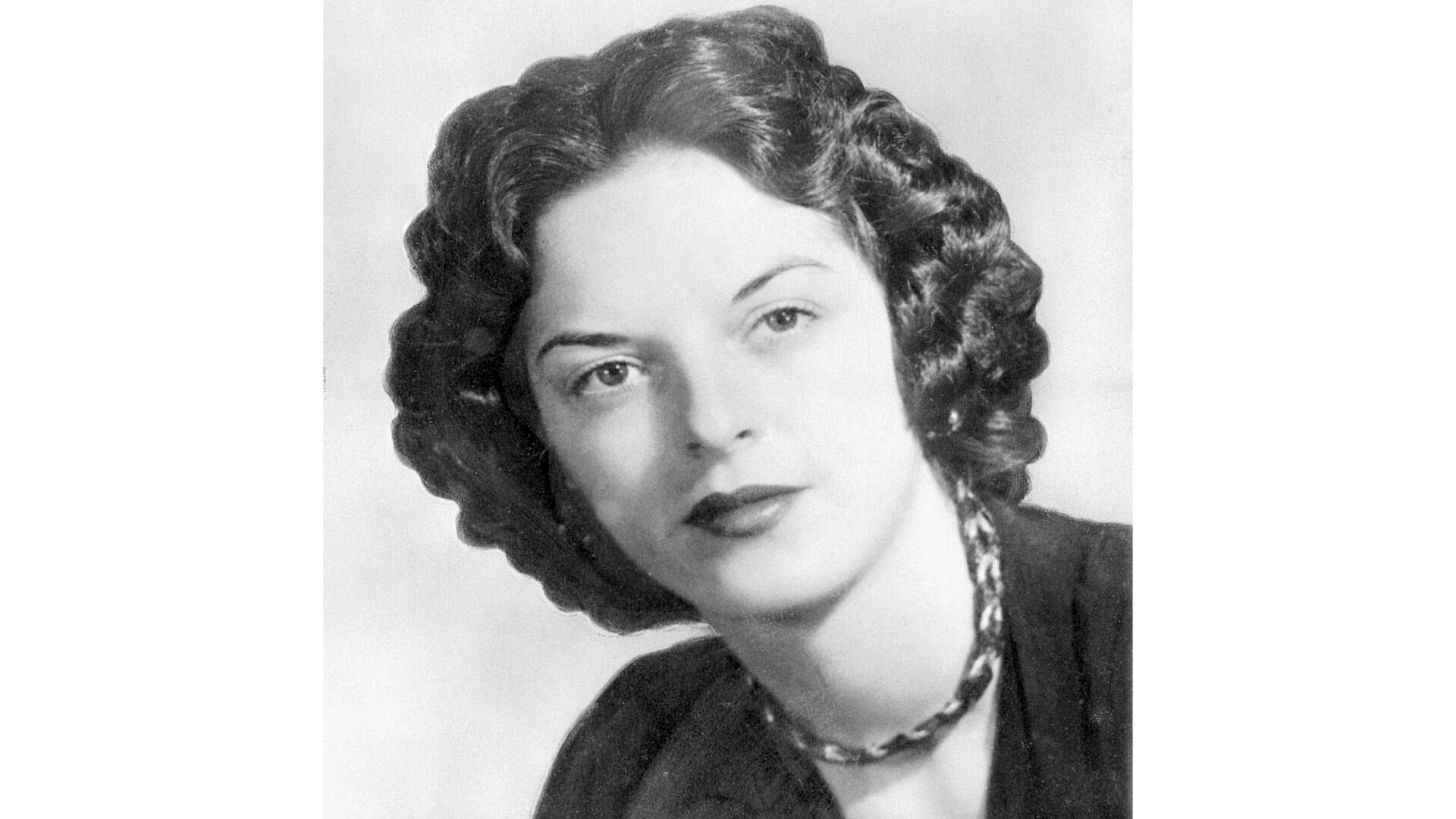
The white woman who accused Black teenager Emmett Till of whistling at and accosting her in Mississippi in 1955 — causing his lynching, which galvanized a generation of activists to rise up in the Civil Rights Movement — has died at 88.
Two U.S. Army helicopters collided and crashed Thursday in Alaska while returning from a training flight, killing three soldiers and injuring a fourth.
We'd like to take a moment to share One Good Thing happening in the world today. This special moment is from a Toronto Blue Jays game on Tuesday, when one of the players made a young fan's day with a special surprise.
Cheddar News' weeklong series on personal fitness, Shannon Shapes Up, continues with Shannon LaNier busting a move at 305 Fitness in New York City. The gym offers full-body dance cardio workouts everyday with a live DJ.
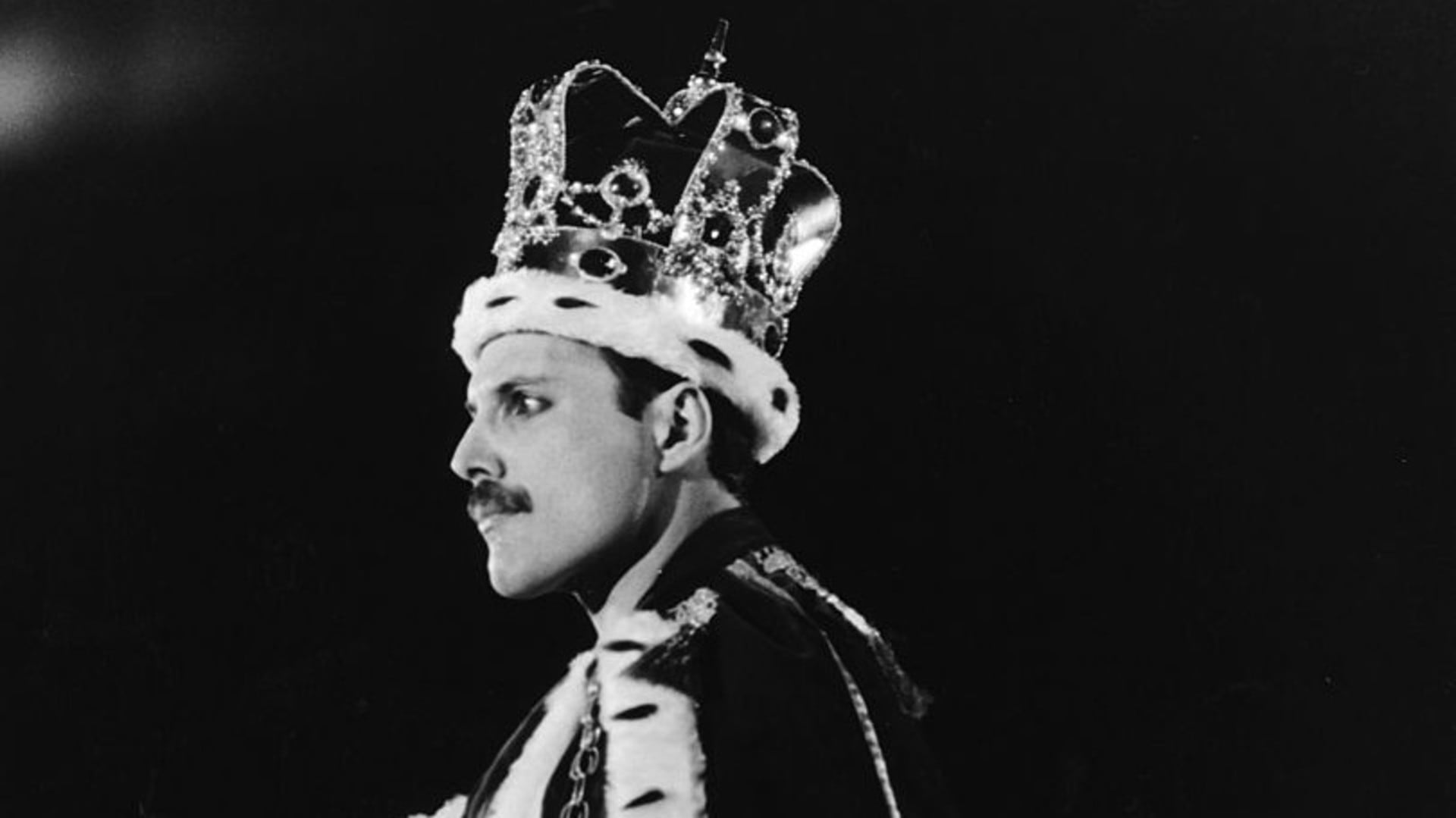
A bejeweled crown once belonging to Queen front man Freddie Mercury could be yours for the right price. The 'Bohemian Rhapsody' singer's vast collection of costumes, including this replica of St. Edward's crown was worn by Mercury during his last concert in 1986.