Three years ago, the Associated Press reported on the World Health Organization's declaration of "the outbreak sparked by a new virus in China that has spread to more than a dozen countries as a global emergency Thursday after the number of cases spiked more than tenfold in a week."
"The U.N. health agency defines an international emergency as an 'extraordinary event' that constitutes a risk to other countries and requires a coordinated international response," the report continued.
The same day, U.S. health officials reported the first known case in which the new coronavirus was spread from one person to another in the United States. President Donald Trump described the handful of U.S. cases of the virus as a “very little problem” and said people infected were “recuperating successfully.” The State Department advised U.S. citizens against traveling to China, and Russia ordered the closure of its 2,600-mile-long land border with China in an effort to limit the spread of the virus.
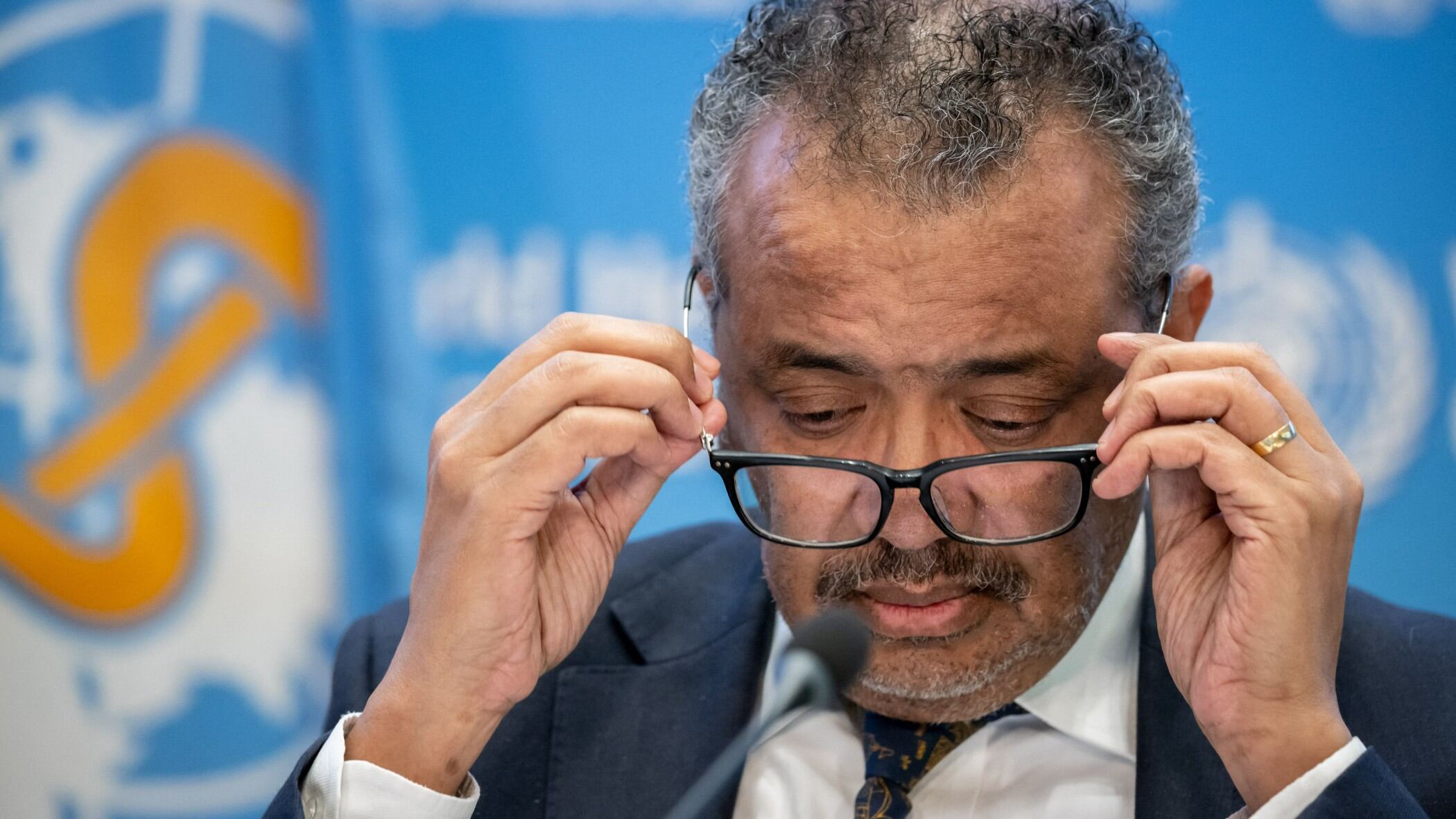
In his speech declaring a global public health emergency, WHO Director-General Tedros Adhanom Ghebreyesus said "Our greatest concern is the potential for this virus to spread to countries with weaker health systems which are ill-prepared to deal with it.”
"The only way we will defeat this outbreak," said Dr. Tedros, "is for all countries to work together in a spirit of solidarity and cooperation. We are all in this together, and we can only stop it together."
As of Jan. 27, 2023, more than 6.8 million people have died of Covid-19, according to WHO data.