Even for the world's economic elite, the future is looking pretty bleak.
The World Economic Forum on Wednesday released its annual Global Risks Report, which found that global leaders are more concerned about issues such as inflation and food security than climate change.
Based on a survey of 1,200 risk experts and industry leaders, the report found that respondents identified climate change is the biggest challenge facing the globe in the longer-run, but that the cost of living is the more immediate concern for most countries. "Cost of living dominates global risks in the next two years while climate action failure dominates the next decade," read the report.
The two challenges are related. Failure to address more immediate concerns related to food security and inflation, the group wrote, could distract governments from seriously addressing climate change.
Indeed, four out of the report's top-10 long-term challenges were climate-related:
“A failure to mitigate climate change is ranked as one of the most severe threats in the short term, but is the global risk we are seen to be the least prepared for,” the report said.
The report stressed that countries might not be able to handle all of these challenges at once, forcing them to prioritize some and neglect others: “The coming years will present tough trade-offs for governments facing competing concerns for society, the environment and security."
None of this bodes well for the already high levels of economic inequality in the world.
“The resulting new economic era may be one of growing divergence between rich and poor countries,” the report said, “and the first rollback in human development in decades.”
The group released the report ahead of its annual gathering at the Swiss Alpine resort of Davos next week.
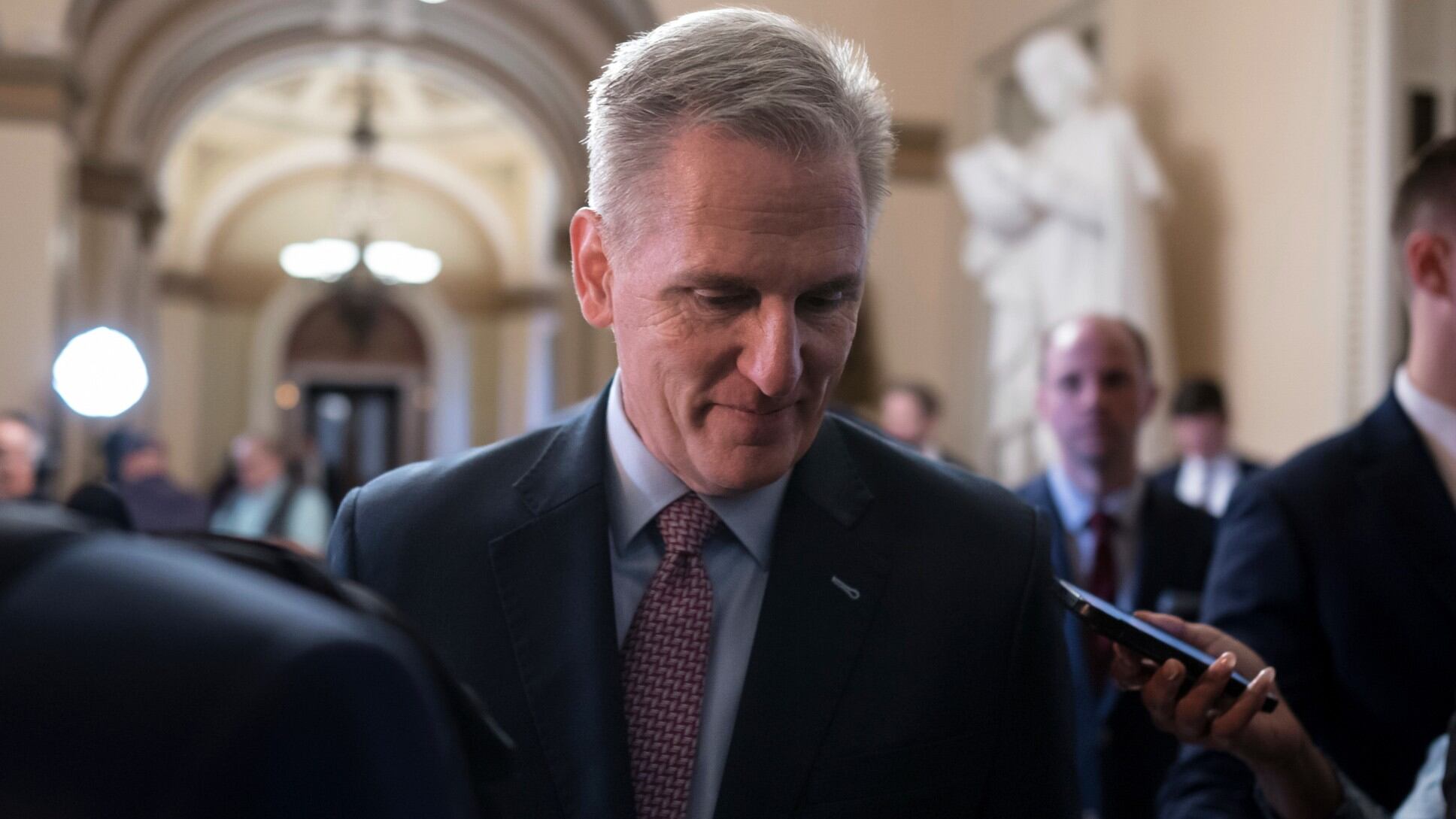
With House Speaker Kevin McCarthy's latest funding plan in ruins and lawmakers leaving town for the weekend, there's no endgame in sight as hard-right Republicans push dangerously closer to a disruptive federal shutdown.
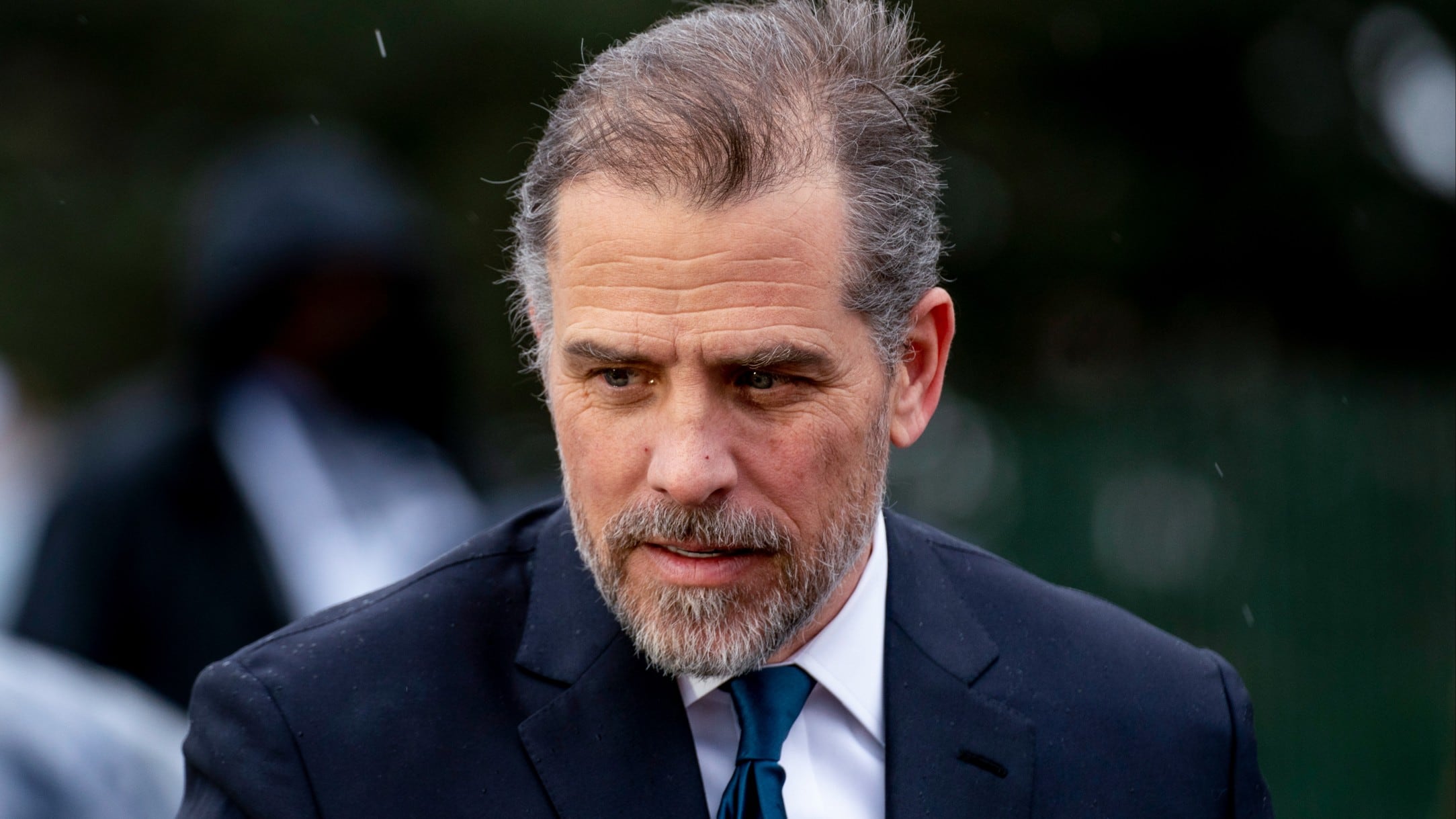
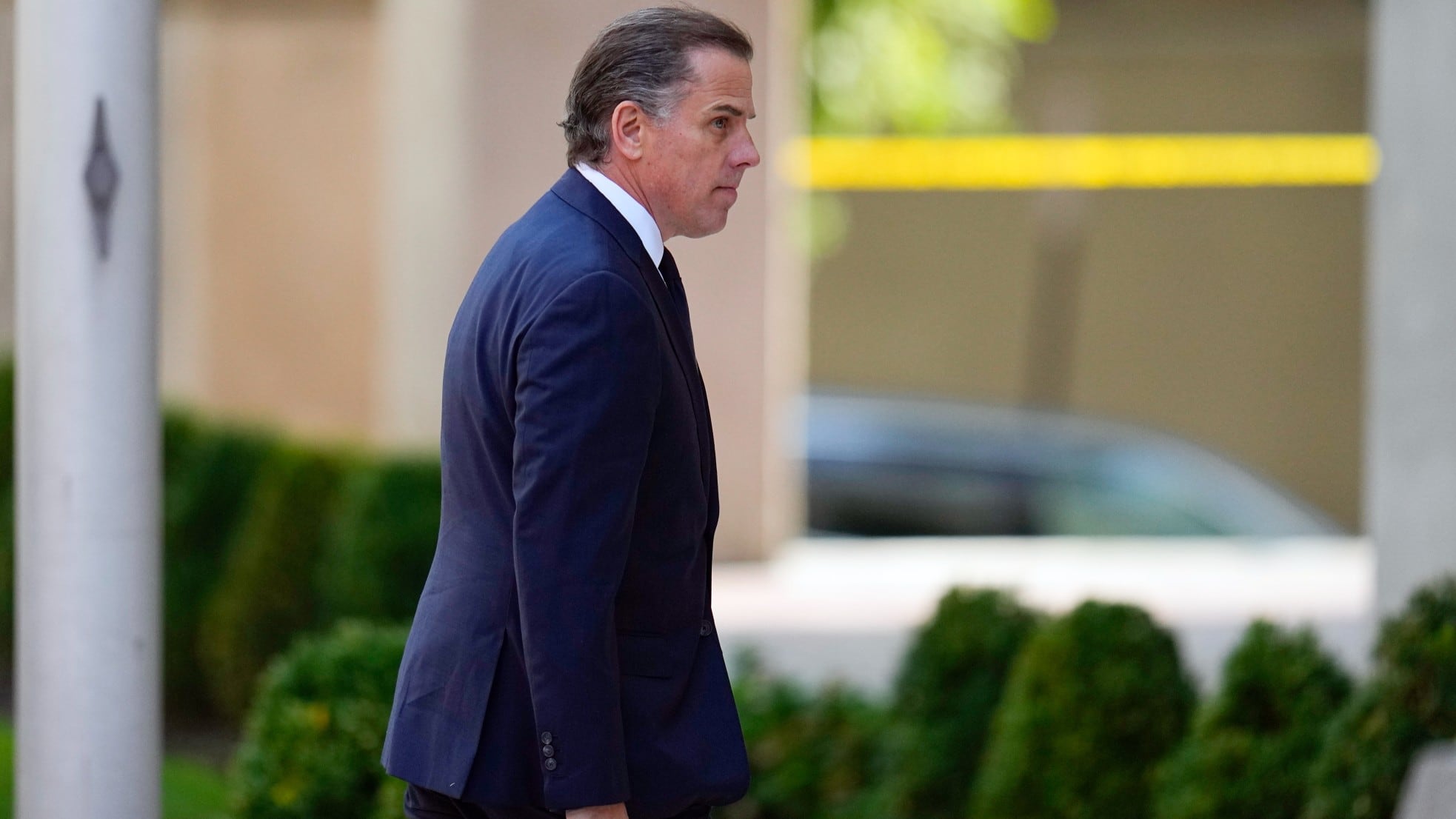
A judge rejected Hunter Biden's request to attend his next court hearing virtually.
Free Covid tests are making a return thanks to the federal government.
The Biden administration said it's allowing about 100,000 Venezuelan migrants already in the U.S. to work and live legally in the country.
The U.S. sent two prototype drone ships to Japan to start testing surveillance and possible attacks against China.
A judge rejected Hunter Biden's request to appear virtually at his next court hearing.
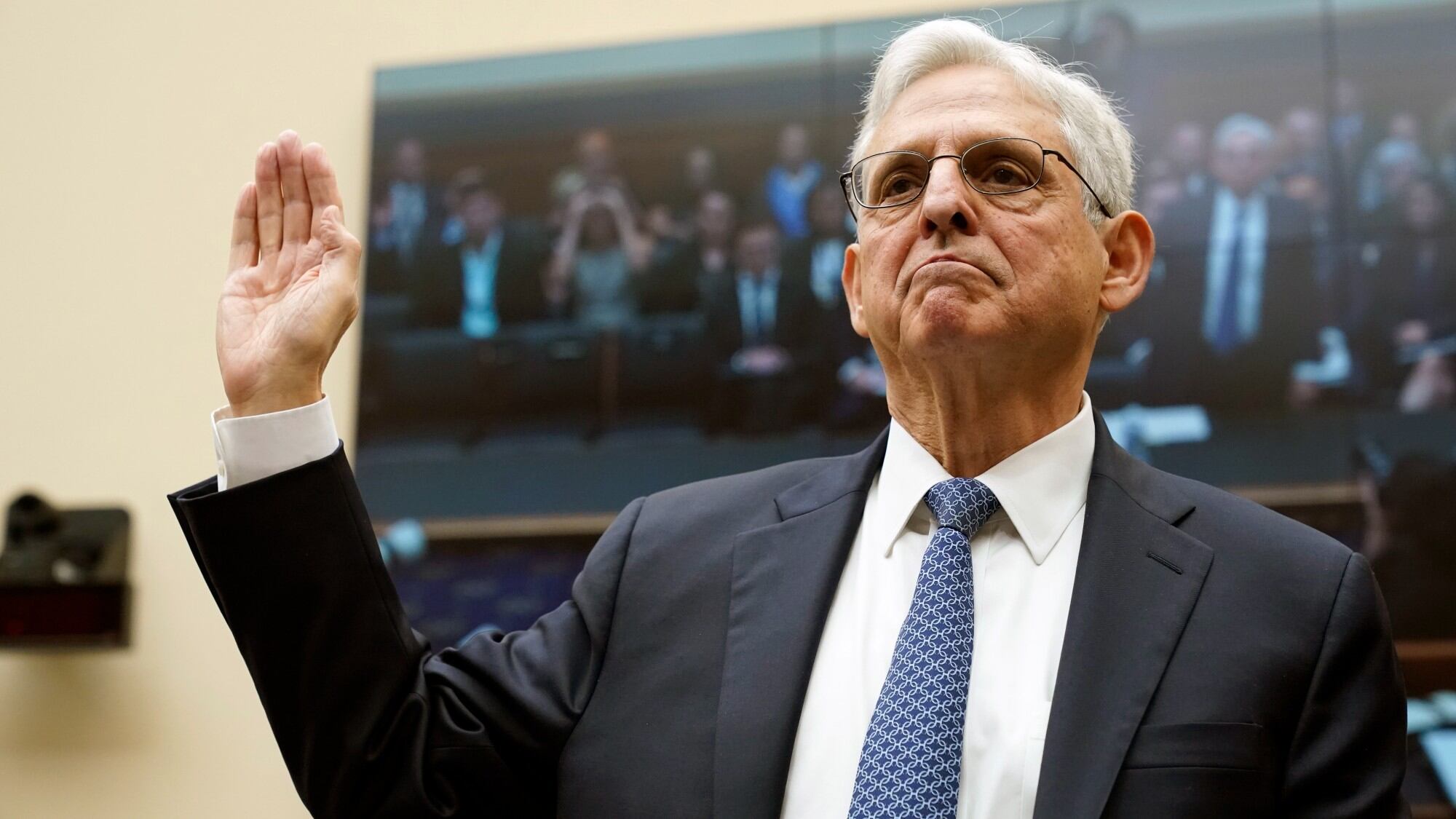
House Republicans clashed with Attorney General Merrick Garland on Wednesday, accusing him and the Justice Department of the “weaponization” of the department's work in favor of President Joe Biden 's son Hunter.
The Federal Reserve left its key interest rate unchanged Wednesday for the second time in its past three meetings, a sign that it’s moderating its fight against inflation as price pressures have eased. But Fed officials also signaled that they expect to raise rates once more this year.
The Biden administration announced Wednesday that it is providing $600 million in funding to produce new at-home COVID-19 tests and is restarting a website allowing Americans to again order up to four free tests per household — aiming to prevent possible shortages during a rise in coronavirus cases that has typically come during colder months.
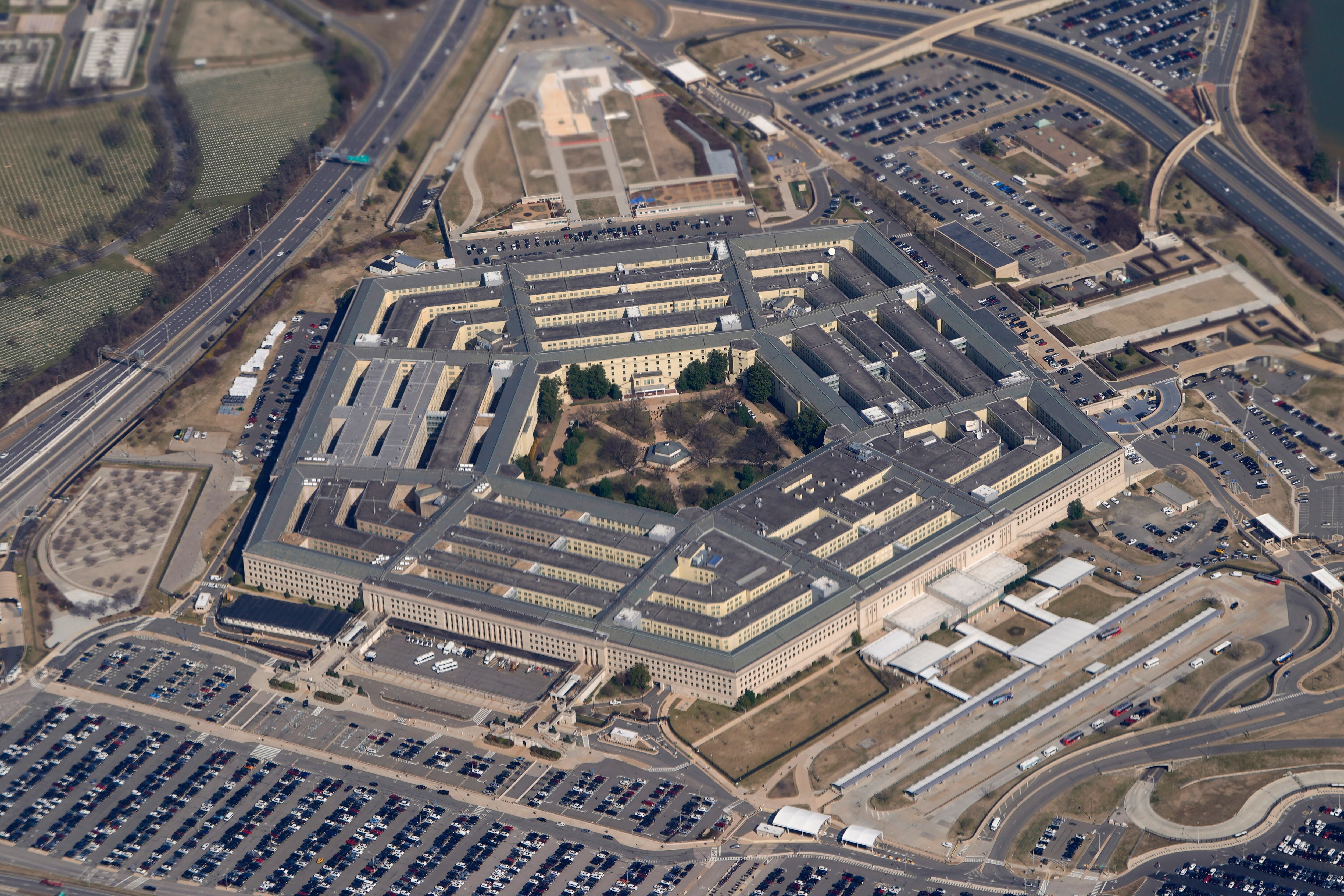
The Pentagon began a new effort Wednesday to contact former service members who may have been forced out of the military and deprived of years of benefits due to policies targeting their sexual orientation, starting with those who served under “Don't Ask, Don't Tell."