This slate of candidates for this year’s midterm elections is more diverse than we’ve seen before.
At least that’s how it appears to an executive from one political action organization that advocates for getting women into office.
“What has been really interesting has been to be in this room and see the energy and see the commitment of women that we’re seeing,” said Vanessa Cardenas, Strategic Communications Director of Emily’s List. “We want to be at the table when these decisions are being made about our bodies, about our children, about our schools.”
Emily’s List, which focuses on pro-choice, Democratic women, teaches its members the steps to running for office and holds events where community members can support said candidates.
Cardenas says 26,000 women signed up for its programs after the 2016 presidential election, and there’s already been an impact. She points to victories by female candidates in Virginia last November and the voter turnout in Alabama that swayed last month’s special election for the U.S. Senate as examples. And there’s more diversity on the ballot for the midterms.
“In Chicago, for example, we have Sol Flores, who is a community activist that built-up a non profit from the ground up, advocating for the homeless community there. She’s a first-time candidate,” Cardenas said. “In El Paso, Texas we had the opportunity to elect the first Latina elected for Congress and she’s a judge, and she has an amazing background.”
Cardenas’ comments come before this weekend’s second annual Women’s March. Last year’s event, held in cities across the globe, drew 6 million people and became the largest organized march in U.S. history.
But while the movement was criticized by some for ignoring issues affecting women of color and trans women, Cardenas says that “younger, more diverse women” are now committed to march to a different beat.
For full interview [click here](https://cheddar.com/videos/what-to-expect-from-the-second-annual-womens-march).
Guerdy Abraira, Global Event Planner and 'The Real Housewives of Miami' cast member joins Cheddar News to discuss the latest season as well as making the most out of your NYE celebrations.
David Ewalt, Editor-in-Chief at Gizmodo joins Cheddar News to discuss a TikTok moderator suing the platform over mental trauma caused by graphic videos
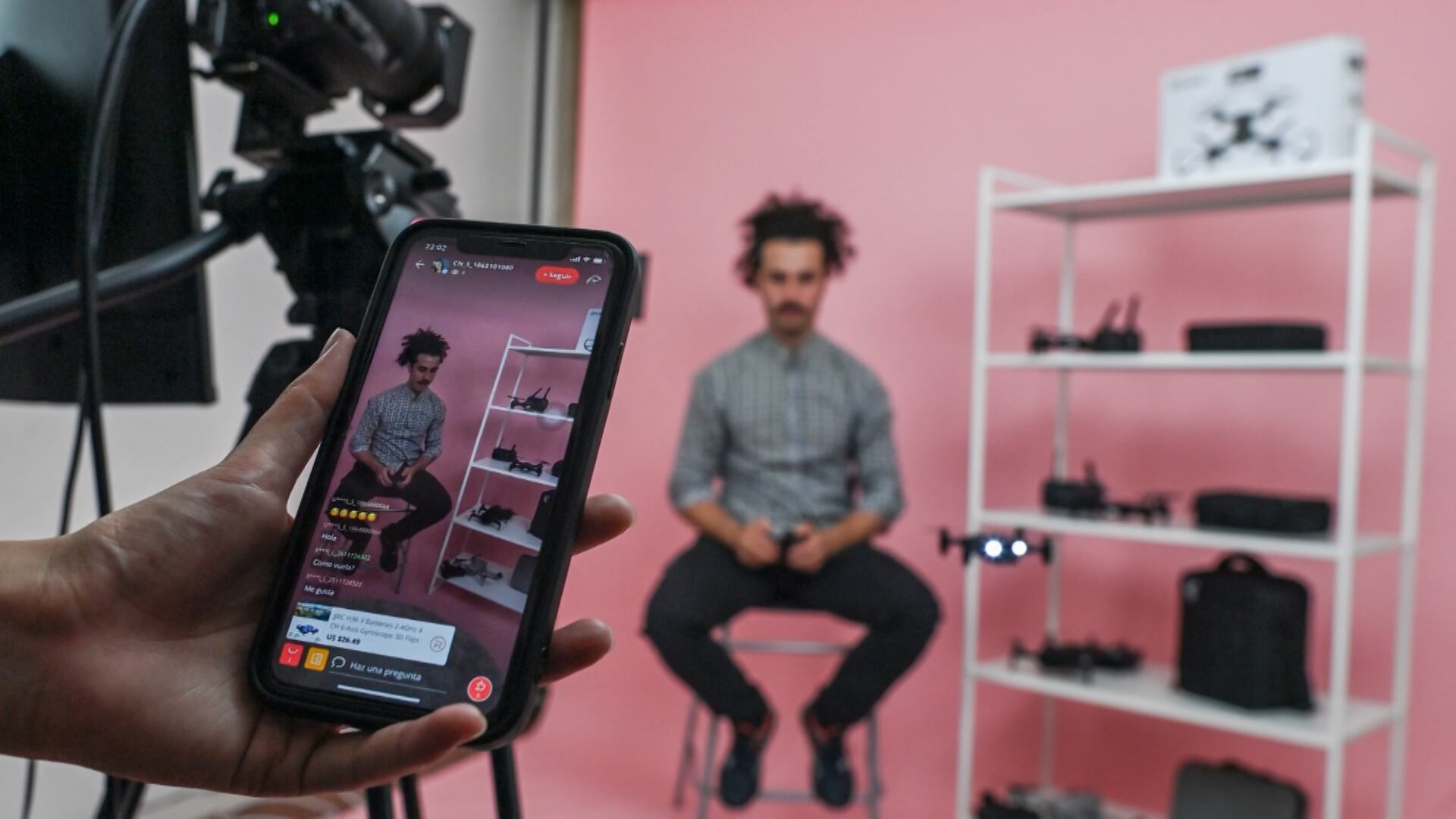
The pandemic has supercharged the creator economy, and there are no signs of it slowing down no matter when the pandemic officially ends. Creators prove to be a key factor in driving purchasing decisions and retail sales, and an increasing amount of platforms are taking advantage of the social influence. Karissa Bell, senior editor at Engadget, joins cheddar news to discuss the creator economy boom.
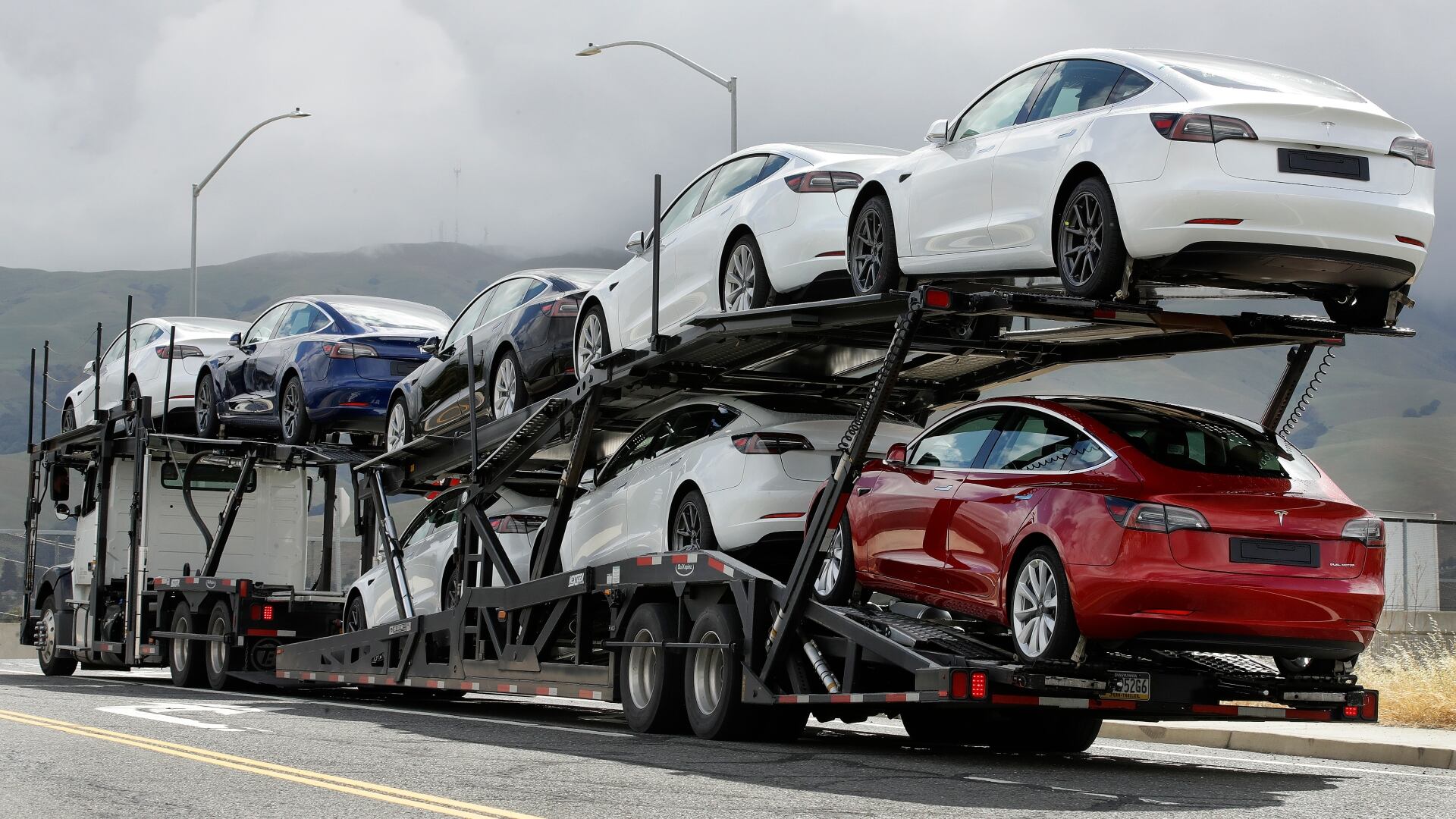
The E-V maker Tesla has had a wild year. The company managed to continue to dominate the U.S. electric vehicle space despite growing competition and production delays. As the end comes to an end, Tesla finds itself growing richer and richer. Author of Risk Ritual Newsletter Richard Smith, joined Cheddar to discuss more.
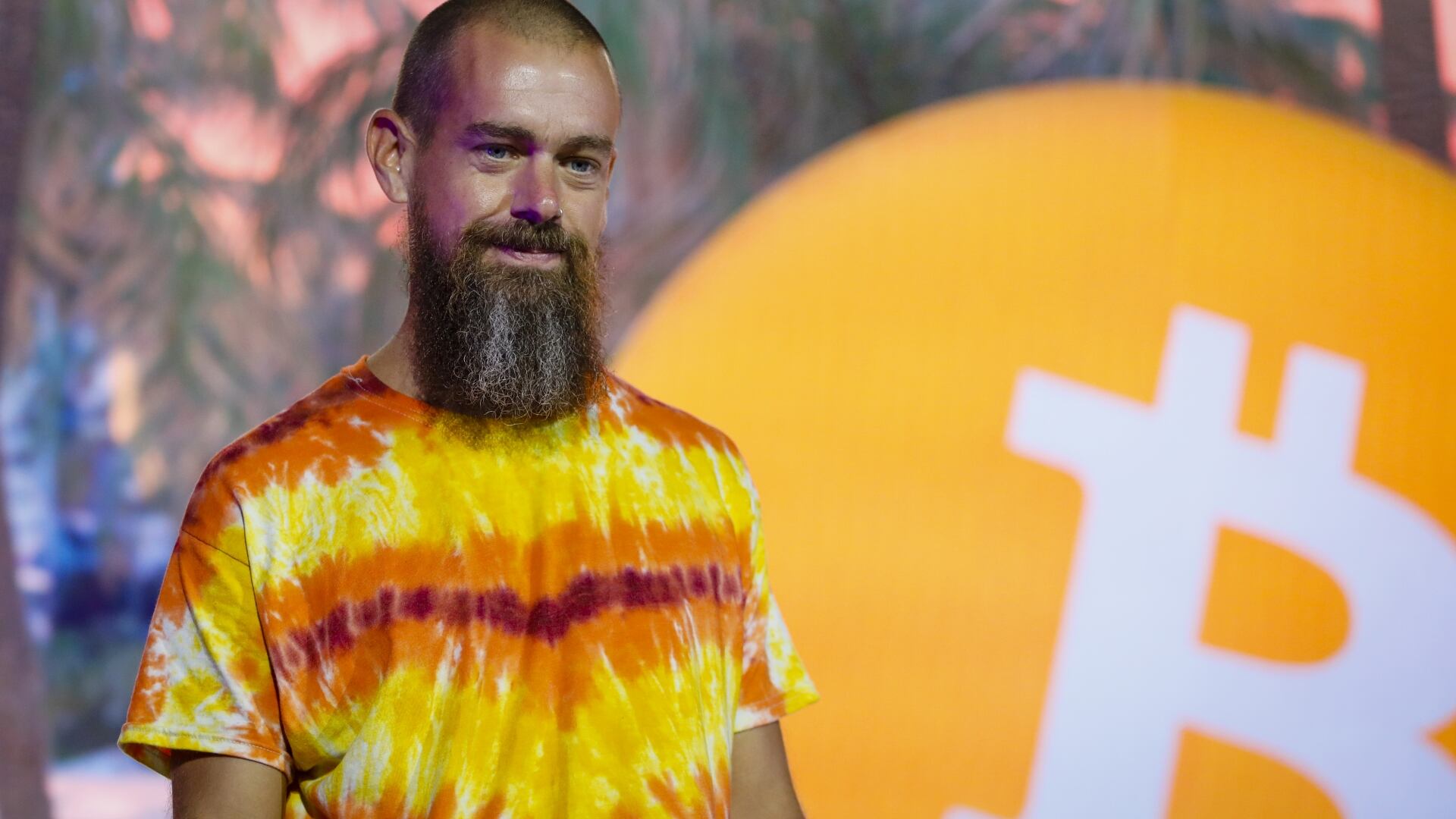
Venture capitalists and CEOs are clashing over the future of the internet. Web3 is the tech world's name for a decentralized, blockchain-based internet that runs on cryptocurrency. It was recently the topic of a tweet from Block CEO and former Twitter CEO Jack Dorsey who wrote that Web3 will not actually be owned by users, and instead be controlled by rich venture capitalists. Dorsey later shared that he was blocked on Twitter by Marc Andreesen, co-founder of VC firm Andreesen Horowitz, which has invested billions of dollars into Web3 and crypto projects. Correspondent for DealBook from the New York Times, Ephrat Livni, joins Cheddar News' Closing Bell to discuss what this could mean for the future of Web3.
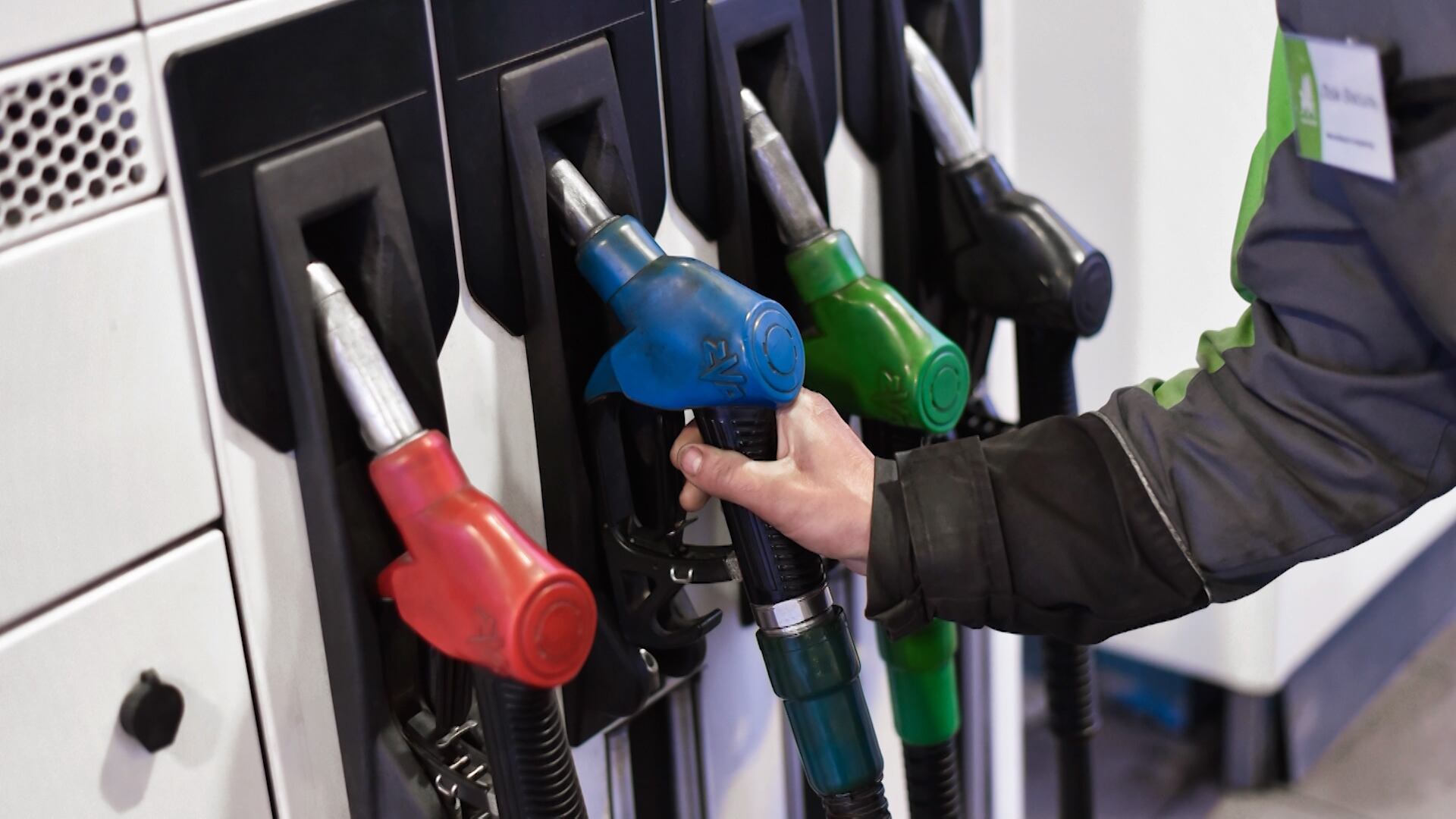
Prices at the pump this year reached a seven-year high, and a new forecast from GasBuddy shared with CNN predicts that gas prices will only continue to rise in 2022 and that the national average could even reach $4.00 a gallon; however, analysts at GasBuddy say anything could happen when it comes to gas prices in the future, as the pandemic has made it difficult to make any predictions about the economy. Consumer Energy Alliance federal policy advisor Michael Zehr joins Cheddar News' Closing Bell to discuss.