This slate of candidates for this year’s midterm elections is more diverse than we’ve seen before.
At least that’s how it appears to an executive from one political action organization that advocates for getting women into office.
“What has been really interesting has been to be in this room and see the energy and see the commitment of women that we’re seeing,” said Vanessa Cardenas, Strategic Communications Director of Emily’s List. “We want to be at the table when these decisions are being made about our bodies, about our children, about our schools.”
Emily’s List, which focuses on pro-choice, Democratic women, teaches its members the steps to running for office and holds events where community members can support said candidates.
Cardenas says 26,000 women signed up for its programs after the 2016 presidential election, and there’s already been an impact. She points to victories by female candidates in Virginia last November and the voter turnout in Alabama that swayed last month’s special election for the U.S. Senate as examples. And there’s more diversity on the ballot for the midterms.
“In Chicago, for example, we have Sol Flores, who is a community activist that built-up a non profit from the ground up, advocating for the homeless community there. She’s a first-time candidate,” Cardenas said. “In El Paso, Texas we had the opportunity to elect the first Latina elected for Congress and she’s a judge, and she has an amazing background.”
Cardenas’ comments come before this weekend’s second annual Women’s March. Last year’s event, held in cities across the globe, drew 6 million people and became the largest organized march in U.S. history.
But while the movement was criticized by some for ignoring issues affecting women of color and trans women, Cardenas says that “younger, more diverse women” are now committed to march to a different beat.
For full interview [click here](https://cheddar.com/videos/what-to-expect-from-the-second-annual-womens-march).
Netflix beat its earnings projections for Q4 — but the stock still plummeted as the streaming pioneer cut back on its forecast for future subscribers. Michael Robinson, the chief technology strategist at Money Map Press, joined Cheddar to discuss the report and what's driving the downward pressure on its shares. "It's the growth is really what's worrying people," he said. "'A' we have slowing economic growth, and 'B' we've got slowing growth for this company, as 'C' we have an increase in competition."
On this episode of ChedHER: Podcast Host of 'That's Total Mom Sense' breaks down the biggest challenges mothers are facing today; CEO of Joro explains how her app can help users track, reduce, and automatically offset the carbon footprint of their purchases; Three ways to improve your financial wellbeing and set goals for yourself and your future.
Kanika Chadda-Gupta, TV Journalist and Podcast Host of 'That's Total Mom Sense,' joins ChedHER to discuss the challenges mothers are facing today and gives advice for changing up your career path.
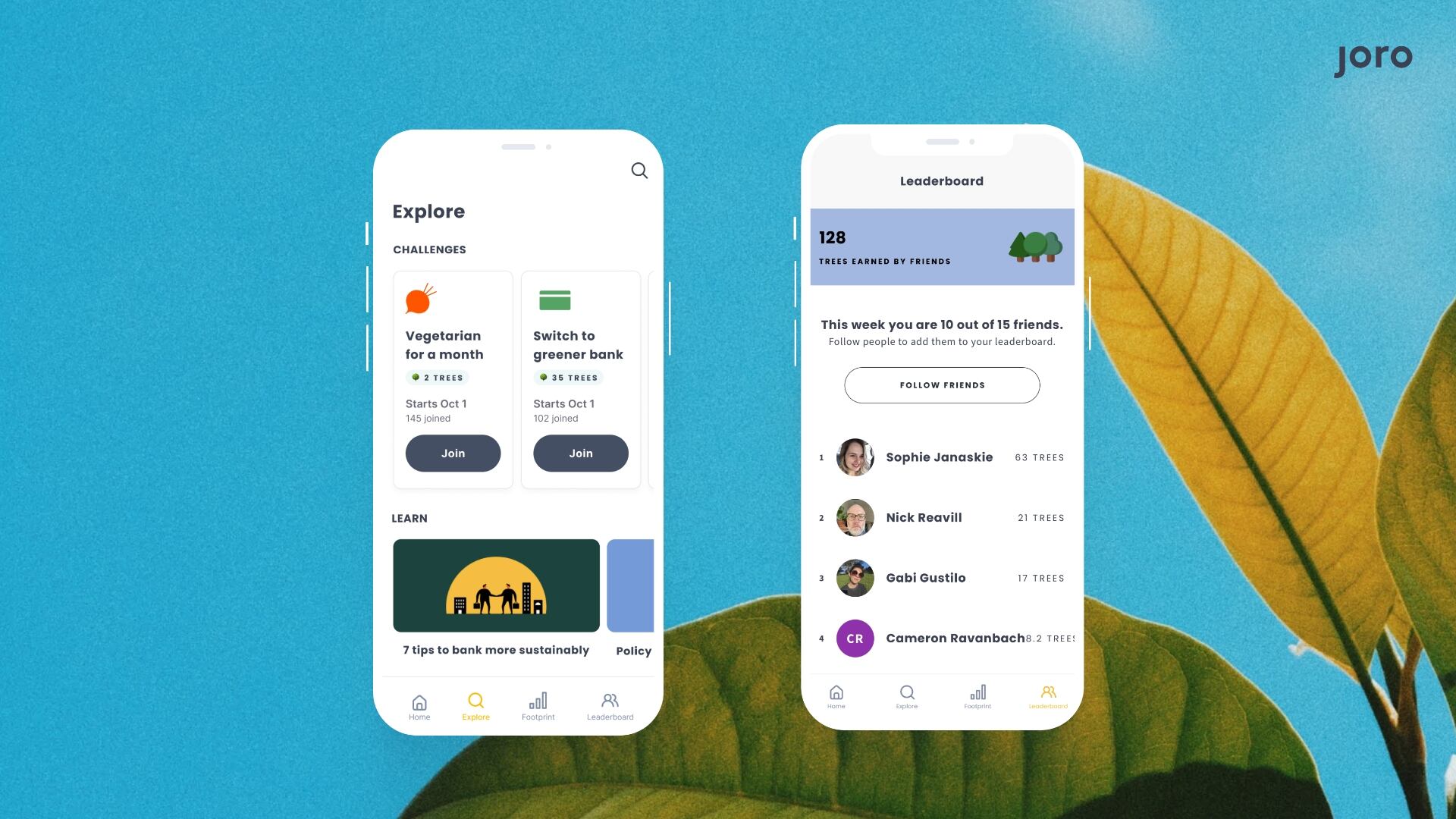
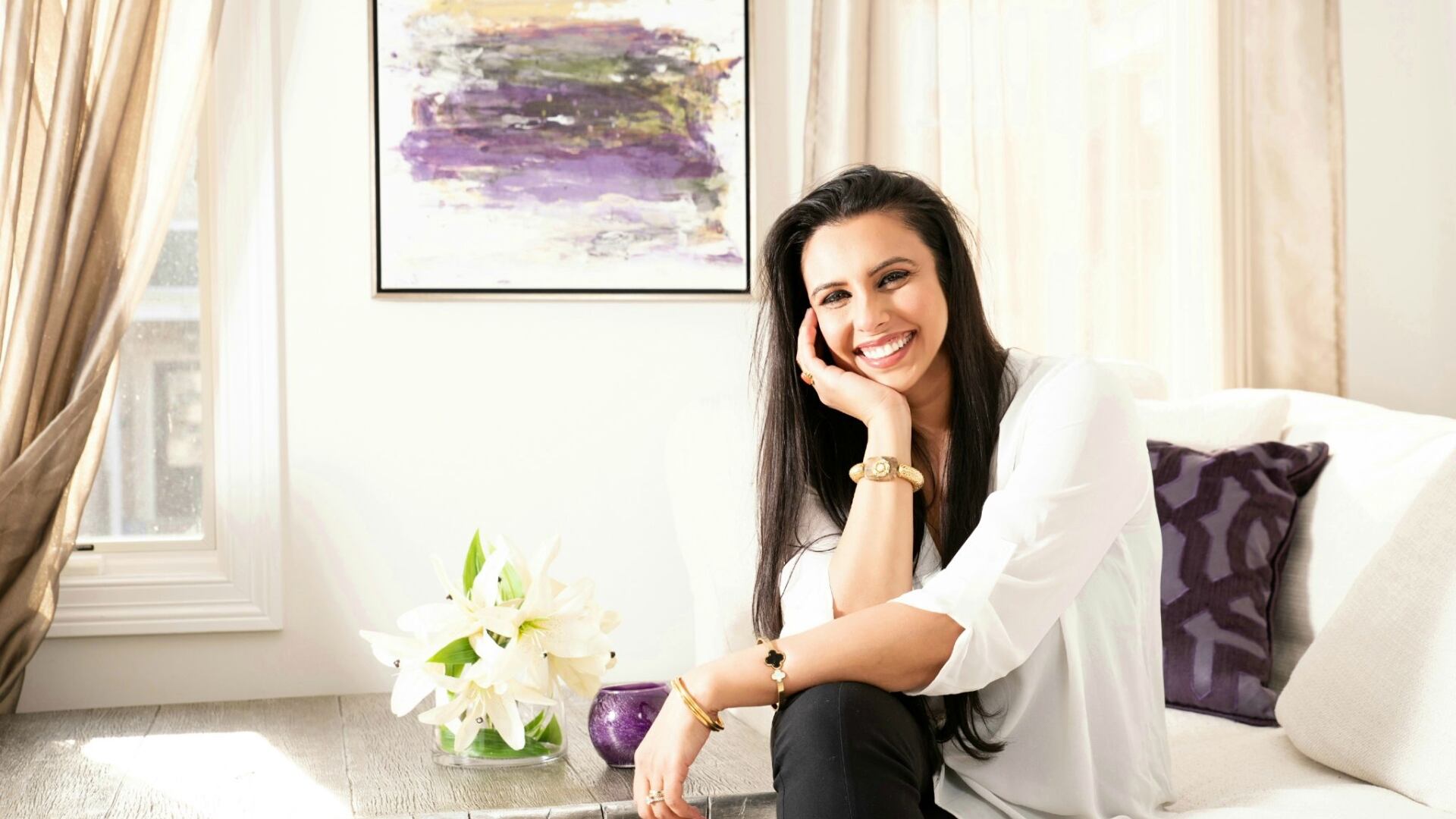
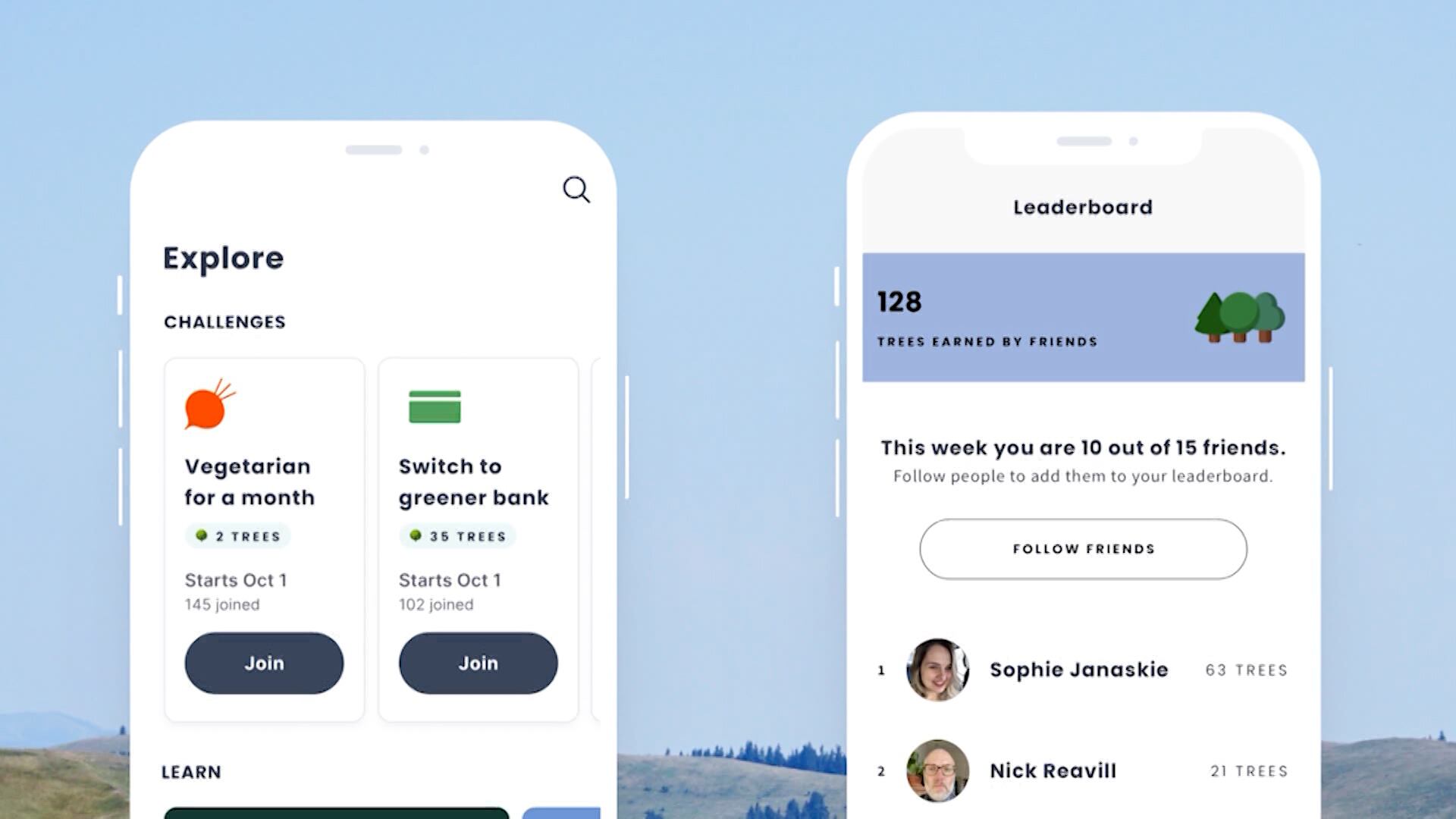
Sanchali Pal, Founder and CEO of Joro, joins ChedHER to discuss how her app can help users track, reduce, and automatically offset the carbon footprint of their purchases, and gives advice for other women seeking careers in climate.
According to a recent analysis in the NYTimes, young Americans have begun to take on the habit of smoking cigarettes despite the decades of evidence showing just how dangerous they are. Contributor at New York Times John Ortved, joined Cheddar to discuss more.
Terrell Jermaine Starr, senior fellow with the Atlantic Council and host of the Black Diplomats podcast joins Cheddar News to discuss Russia's attempt to invade Ukraine.
Aditi Mayer, a climate justice activist joins Cheddar News to discuss her partnership with DoSomething.org and how a new PSA is working to shine a light on environmental racism.
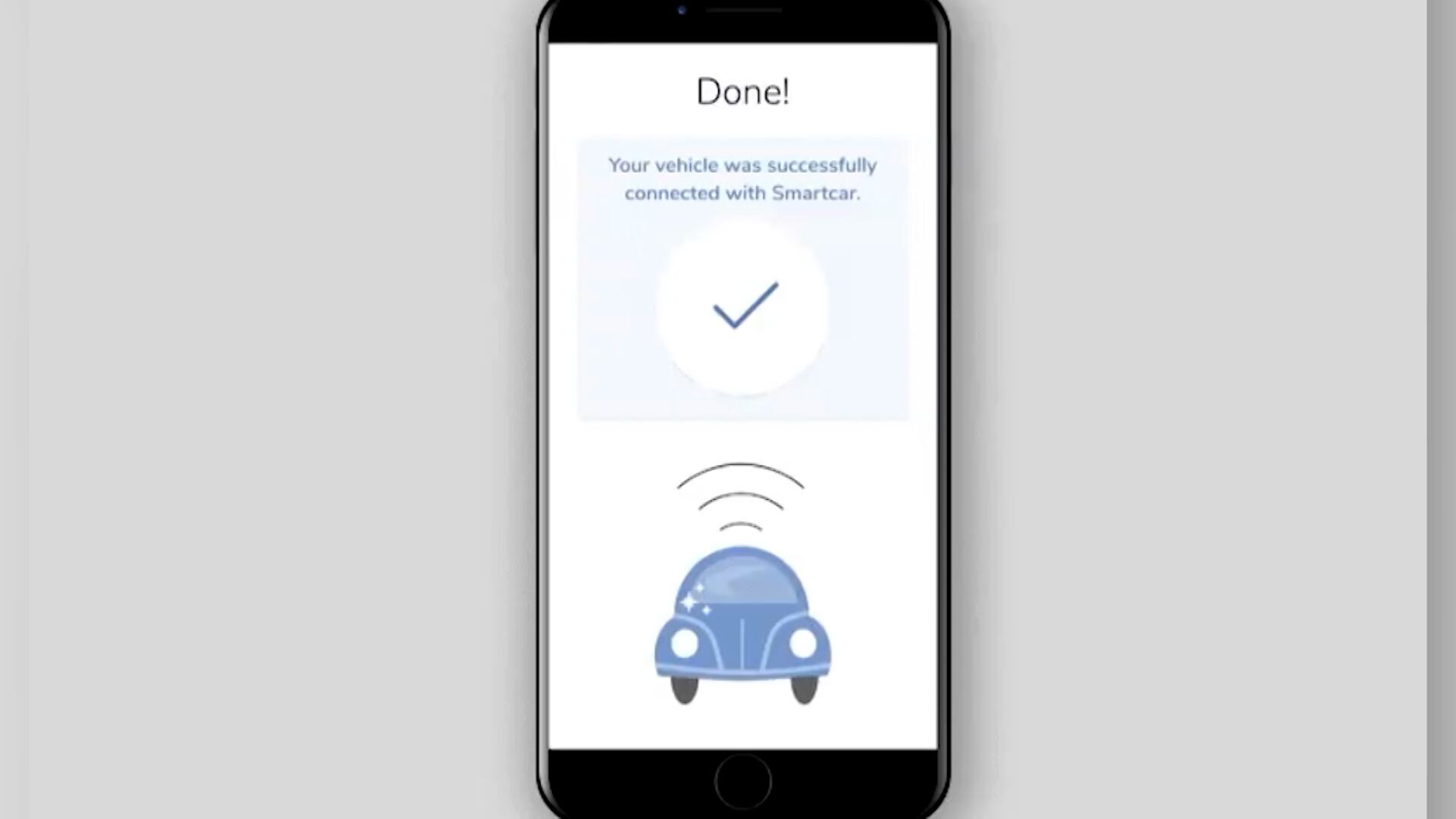
Connected cars software development platform Smartcar announced this week it has raised $24 million in a Series B round led by Energize Ventures. Smartcar's software can be integrated into mobile and web apps from mobility businesses. It allows users to do things like locate and unlock a vehicle, as well as check its mileage, fuel level, and battery if the vehicle is electric. Smartcar's technology is compatible with 22 different vehicle brands in 31 different countries. Smartcar co-founder and CEO Sahas Katta joined Cheddar News' Closing Bell to discuss.