This slate of candidates for this year’s midterm elections is more diverse than we’ve seen before.
At least that’s how it appears to an executive from one political action organization that advocates for getting women into office.
“What has been really interesting has been to be in this room and see the energy and see the commitment of women that we’re seeing,” said Vanessa Cardenas, Strategic Communications Director of Emily’s List. “We want to be at the table when these decisions are being made about our bodies, about our children, about our schools.”
Emily’s List, which focuses on pro-choice, Democratic women, teaches its members the steps to running for office and holds events where community members can support said candidates.
Cardenas says 26,000 women signed up for its programs after the 2016 presidential election, and there’s already been an impact. She points to victories by female candidates in Virginia last November and the voter turnout in Alabama that swayed last month’s special election for the U.S. Senate as examples. And there’s more diversity on the ballot for the midterms.
“In Chicago, for example, we have Sol Flores, who is a community activist that built-up a non profit from the ground up, advocating for the homeless community there. She’s a first-time candidate,” Cardenas said. “In El Paso, Texas we had the opportunity to elect the first Latina elected for Congress and she’s a judge, and she has an amazing background.”
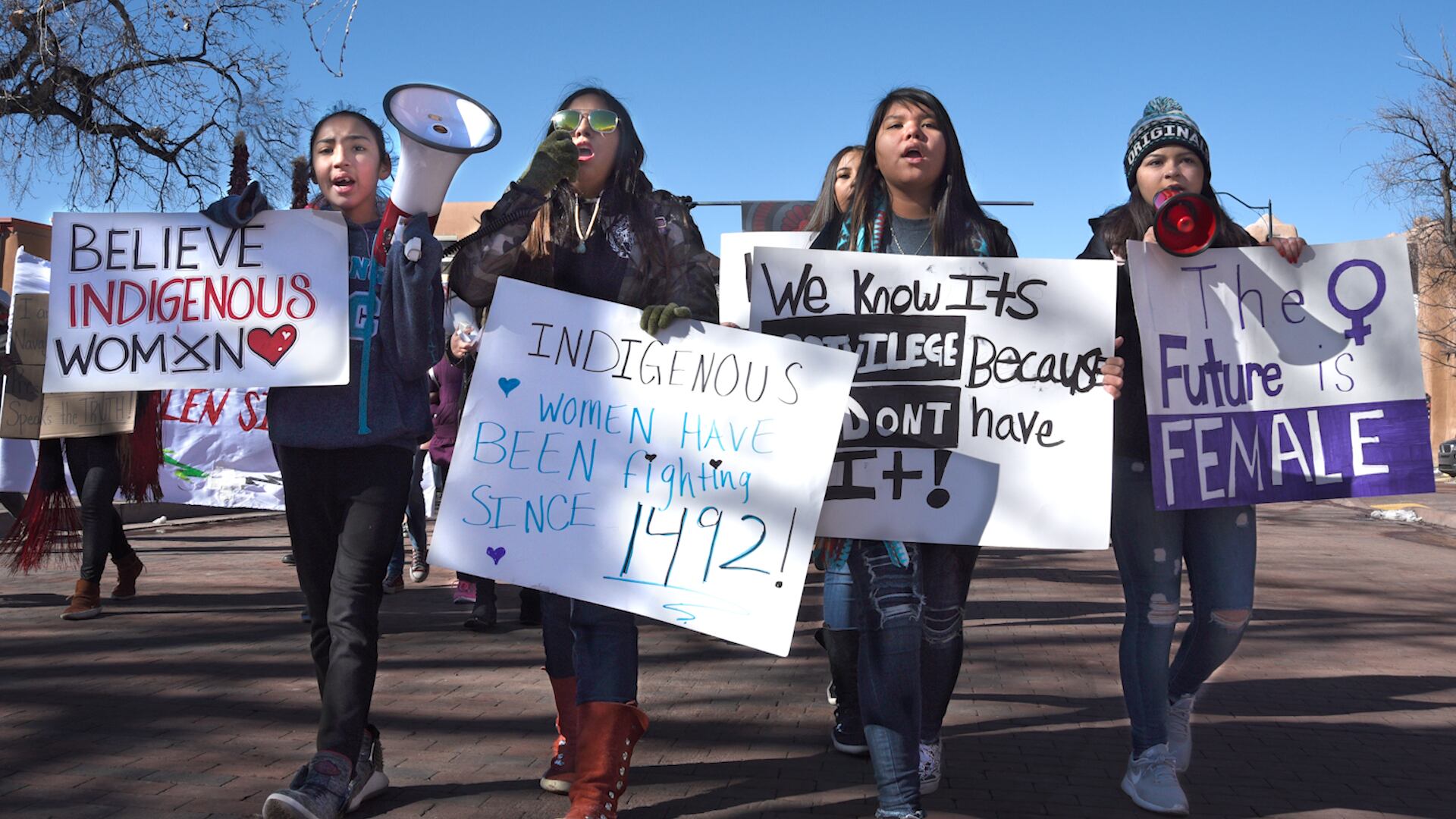
Cardenas’ comments come before this weekend’s second annual Women’s March. Last year’s event, held in cities across the globe, drew 6 million people and became the largest organized march in U.S. history.
But while the movement was criticized by some for ignoring issues affecting women of color and trans women, Cardenas says that “younger, more diverse women” are now committed to march to a different beat.
For full interview [click here](https://cheddar.com/videos/what-to-expect-from-the-second-annual-womens-march).
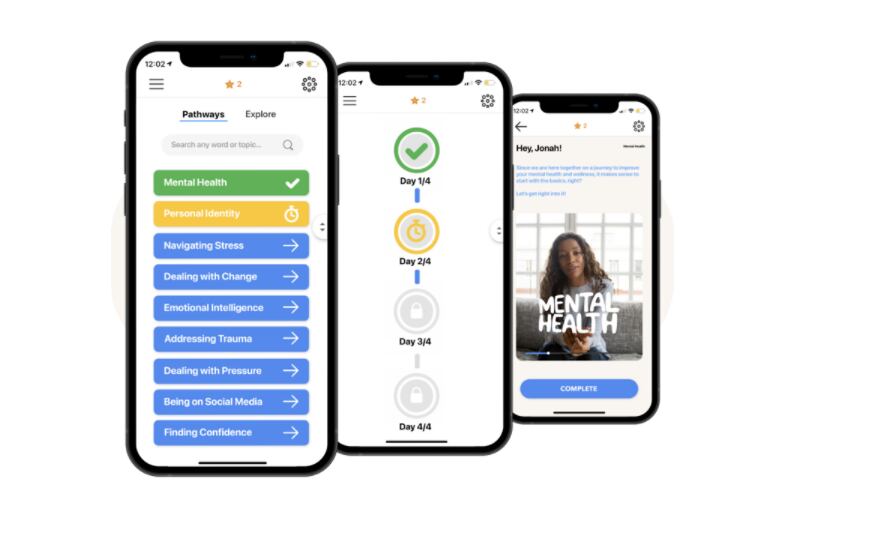
Two friends have joined forces to come up with an app dedicated to making mental health more approachable and to provide users with the tools needed to improve their mental health and overall well-being. Co-Founders of the Dial App Jonah Salita and Marcel Johnson, joined Cheddar to discuss more.
Miss Universe 2021 Harnaaz Sandhu and Smile Train CEO Susie Schaefer join Cheddar News to talk about how Smile Train continues to support those with a cleft lip this International Women's Day.
On this International Women’s Day, Deb Cupp, president of Microsoft U.S., joined Cheddar News to talk about the implementation of her pillars to extend the company's culture, such as acting with care and putting the team first. "What I like about the pillars is they're very simple, so it's easy for us to think about how they show up every day in our lives," Cupp said.
Christian Nunes, President of the National Organization for Women, joins Cheddar Reveals to take a look at where the women's rights movement stands today and where it's headed.
Steven Spielberg has spoken out against the Motion Picture Academy’s decision to move the presentation of eight categories to the pre-show off-air for this year’s Oscars. "We should all have a seat at the supper table together, live at five," said the Academy Award-winning director, who is also nominated for two statues at this year's event.
On this episode of Cheddar Reveals, Sally Roesch Wagner, Historian & Executive Director, The Matilda Joslyn Gage Foundation, discusses how the early women's rights movement evolved and the hidden influence of Native American women on early American feminists.; Christian Nunes, President of the National Organization for Women, takes a look at where the women's rights movement stands today and where it's headed; Cheddar gets a look at Curiosity Stream's 'Ascent of Woman.'
Sally Roesch Wagner, Historian & Executive Director, The Matilda Joslyn Gage Foundation, joins Cheddar Reveals to discuss how the early women's rights movement evolved and the hidden influence of Native American women on early American feminists.